How to Grout Bathroom Tile?
- Sinotiles
- 2026-06-03
Grouting bathroom tiles can be tricky, especially for beginners. Many struggle with uneven grout lines and messy application.
Grouting bathroom tiles is about filling the gaps between tiles to prevent water damage and improve appearance. Proper technique ensures durability and a clean look.
Before starting, it’s essential to understand the tools, curing times, and protective steps. Each stage affects the final result.
What tools are needed for grouting tiles?
Many people start grouting without the right tools and end up frustrated. Using the wrong items can make the process slower and messy.
Essential tools include a grout float, sponge, bucket, rubber gloves, and grout. They help apply, clean, and smooth the grout efficiently.
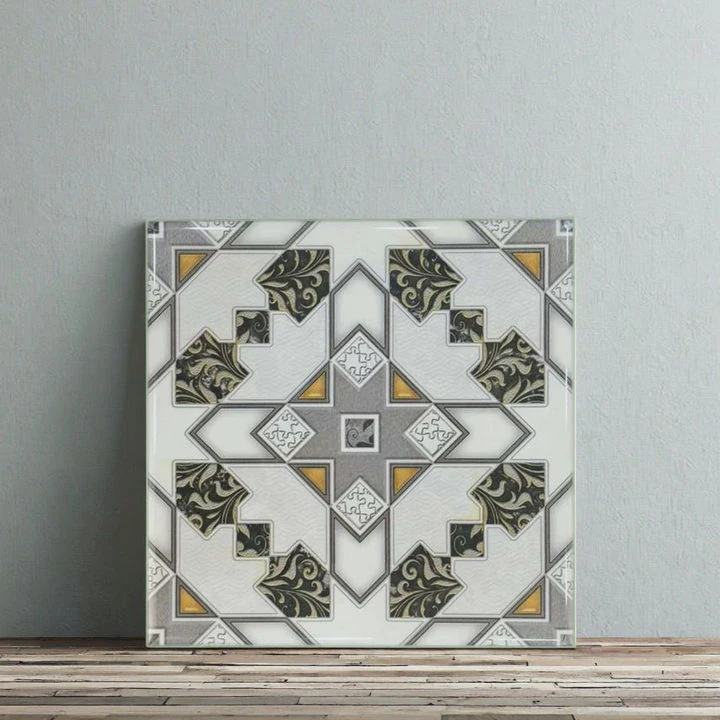
To grout tiles correctly, you need a set of basic tools:
Essential Grouting Tools
| Tool | Purpose |
|---|---|
| Grout float | Spread grout evenly and press it into gaps |
| Sponge | Wipe off excess grout from tile surfaces |
| Bucket | Mix grout and hold water for cleaning |
| Rubber gloves | Protect hands from irritation |
| Grout sealer applicator | Apply protective seal after curing |
| Mixing paddle | Blend grout to smooth consistency |
A grout float is the main tool. Use it at a 45-degree angle to push grout into the joints. A sponge helps wipe off extra grout before it dries. Using gloves prevents skin irritation. Mixing paddle ensures uniform grout without lumps.
Many people forget that clean tools are important. Dirty sponges or buckets can leave stains. Keep a bucket of clean water nearby and rinse sponges often.
Consistency matters too. Grout should be thick but spreadable. Too thick, and it won’t fill joints. Too thin, and it runs off the tiles. Mix small batches if the area is large to avoid drying before application.
Lastly, keep towels or rags ready. Even with care, grout can smear onto tiles. Immediate cleaning prevents permanent marks. Small details make a big difference in the final look and save time later.
How long should grout cure properly?
Rushing the curing process can lead to cracking or discoloration. Many assume grout is ready once it looks dry.
Grout needs at least 24 to 72 hours to cure properly, depending on the type and room conditions. Proper curing ensures strength and water resistance.

Curing is critical for grout durability. Here are key points:
Grout Curing Timeline
| Time | Stage | Notes |
|---|---|---|
| 0-24 hours | Initial set | Avoid walking on tiles; wipe excess grout gently |
| 24-48 hours | Partial cure | Grout hardens; minimal moisture absorption |
| 48-72 hours | Full cure | Grout reaches maximum strength; ready for sealing |
Environmental factors affect curing. Humidity, temperature, and tile type can speed up or slow down the process. For example, a small bathroom with poor ventilation may need more time.
Avoid using the shower or cleaning the floor during curing. Water can weaken grout and cause streaks. Check joints visually. Properly cured grout should feel hard and solid when pressed lightly.
Patience is key. Some people make the mistake of sealing or walking on tiles too early. This can lead to cracks, gaps, and staining. Wait for at least 72 hours in high-moisture areas like bathrooms.
Temperature also matters. Cold conditions slow curing. Consider using a small fan or heater to maintain consistent room temperature. Proper curing prevents common problems and extends the life of bathroom tiles.
Can excess grout damage tile surfaces?
Applying too much grout or leaving it on tiles for long can leave stains or scratches. Many overlook this issue and blame tile quality.
Excess grout can scratch glossy tiles or leave a hazy residue. Immediate cleanup prevents long-term damage and preserves the tile finish.
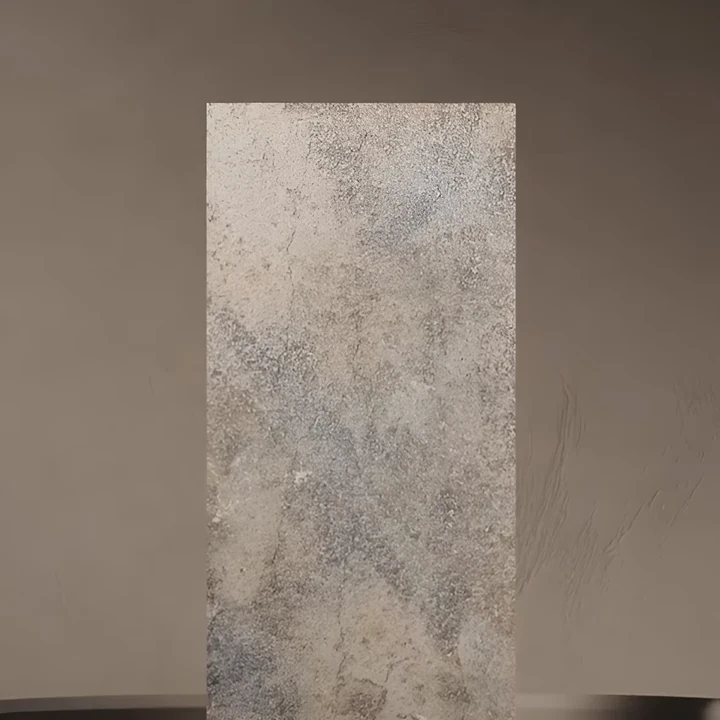
Excess grout is a common problem. Here’s how to manage it:
Risks of Excess Grout
- Scratches on polished tiles
- Hazy film after drying
- Hard-to-remove residues
- Discoloration in porous tiles
How to Prevent Damage
- Use a rubber grout float carefully.
- Wipe tiles with a damp sponge immediately after spreading grout.
- Change sponge water frequently to avoid smearing.
- Avoid steel brushes or abrasive tools.
Even experienced DIYers sometimes leave grout to dry too long. Once hardened, it becomes difficult to remove without scratching tiles. In commercial projects, this issue can slow work and increase cleaning costs.
Hazy residue is called grout haze. It forms when thin grout particles dry on tile surfaces. Removal requires special haze removers or mild acid solutions, which can be tricky and risky for delicate tiles.
Taking time to remove excess grout right away saves effort later. Wipe diagonally across joints instead of along them. This ensures grout stays in the joint and not on the tile surface.
If using colored grout, extra care is needed. Stains are more visible on light tiles. Always clean immediately after application. Small steps prevent expensive corrections.
Why seal grout after application?
Many skip sealing, thinking cured grout is enough. This leads to water damage and mold in bathrooms over time.
Sealing grout protects it from moisture, stains, and mold. It extends the life of grout and keeps tiles looking clean.
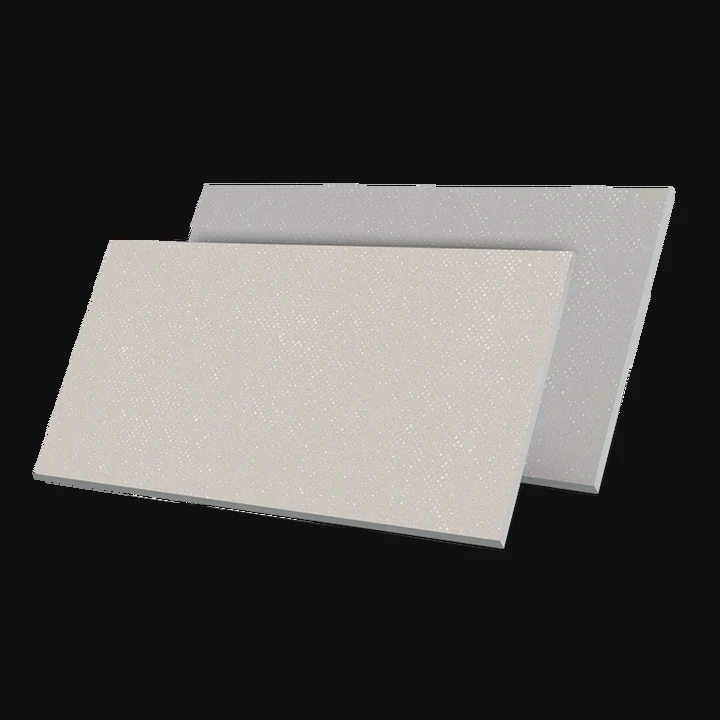
Sealing is a critical step for bathroom tiles. Here are reasons why:
Benefits of Sealing Grout
- Prevents water absorption
- Reduces staining from soap and dirt
- Limits mold and mildew growth
- Makes cleaning easier and faster
Sealers penetrate grout pores and create a protective layer. Use a brush or applicator to spread sealant evenly. Wait until grout is fully cured. Apply two thin coats rather than one thick layer.
Sealed grout also keeps colors vibrant. Unsealed grout can darken or discolor when exposed to moisture. Bathrooms and kitchens benefit the most from sealing because of frequent water exposure.
Reapplication is necessary every few years, depending on use. High-traffic areas need more frequent sealing. Always follow manufacturer instructions for best results.
Practical Tips
- Test sealant on a small area first.
- Avoid pooling sealant on tile surface.
- Wipe excess immediately to prevent sticky residue.
- Allow adequate drying time before using the shower or floor.
Sealing is not just cosmetic. It protects structural integrity. Moisture penetration can weaken grout and cause tiles to lift or crack. A simple seal keeps your bathroom safe, clean, and durable.
Conclusion
Grouting bathroom tiles requires the right tools, patience, and care. Proper application, curing, and sealing prevent damage and ensure long-lasting beauty. Attention to detail creates a professional finish and a more durable bathroom surface.