Where Can I Get Tile Cut?
- Sinotiles
- 2026-06-03
Finding a place to cut tiles can feel difficult when a project depends on clean edges and precise sizes.
Tile cutting services are available at many hardware stores, tile retailers, stone fabrication shops, and professional tile contractors. The best option depends on the tile type, project size, and level of accuracy required.
Many people start with a simple question: where can a tile be cut correctly without wasting material? The answer is not always the same. Different stores offer different equipment, skill levels, and service quality. Some projects only need a few straight cuts. Others require complex shapes, corners, or holes. Understanding the available options helps avoid mistakes, saves money, and improves the final result.
Which Stores Offer Tile Cutting Services?
A tile project often becomes stressful when the tiles arrive but still need cutting before installation.
Many tile retailers, home improvement stores, hardware shops, stone workshops, and professional tile installers offer tile cutting services. The available service depends on the tile material, size, and complexity of the cut.

When searching for tile cutting services, several types of businesses are worth considering.
Tile Retail Stores
Many tile showrooms and tile suppliers provide cutting services for customers who purchase tiles from them. This option is often convenient because the staff already understands the product specifications.
Common services include:
| Service Type | Availability |
|---|---|
| Straight cuts | Very common |
| Corner cuts | Common |
| Large-format tile cutting | Often available |
| Hole drilling | Sometimes available |
| Custom shapes | Depends on equipment |
Tile stores often have professional cutting machines designed specifically for ceramic, porcelain, and large-format products.
Home Improvement Stores
Large home improvement chains sometimes provide basic tile cutting. These services are usually intended for simple straight cuts.
This option works well when:
- The project is small
- The tile is ceramic
- Only a few cuts are needed
- Precision requirements are moderate
However, some stores may limit the number of free cuts or only cut tiles purchased from their location.
Stone Fabrication Workshops
Stone workshops commonly cut marble, granite, quartz, and porcelain slabs. These businesses use advanced equipment that can handle demanding projects.
These workshops are useful when a project involves:
- Luxury bathrooms
- Kitchen countertops
- Large-format porcelain slabs
- Decorative wall panels
- Complex edge profiles
Professional Tile Contractors
Many tile installers provide cutting as part of their installation package. Some contractors also accept cutting-only jobs.
This option is valuable because the installer understands how each cut fits into the overall layout. The result is often more accurate than simply requesting cuts from a retail store.
Choosing the Right Store
The best store depends on the project.
| Project Type | Recommended Service |
|---|---|
| Small ceramic backsplash | Hardware store |
| Standard bathroom floor | Tile retailer |
| Large porcelain project | Professional tile shop |
| Marble installation | Stone fabricator |
| Commercial project | Professional contractor |
The key factor is not only whether a store can cut the tile, but whether it can cut the tile correctly for the specific application.
Can Hardware Shops Cut Tiles Accurately?
Many homeowners visit a hardware store first because it is close, convenient, and often affordable.
Hardware shops can cut tiles accurately for basic straight cuts, especially on ceramic tiles. However, complex cuts, large-format tiles, and premium porcelain products often require specialized equipment and professional expertise.
Accuracy is one of the most important parts of tile installation. Even a small cutting error can affect grout lines, alignment, and overall appearance.
What Hardware Stores Usually Do Well
Most hardware stores can handle straightforward cutting tasks.
Examples include:
- Shortening floor tiles
- Trimming wall tiles
- Cutting ceramic backsplash pieces
- Basic rectangular cuts
For simple projects, this level of service is often enough.
Limitations of Hardware Shops
Many hardware stores operate under time and equipment constraints. Staff members may not be specialized tile professionals.
Common limitations include:
Limited Equipment
Some stores only use basic wet saws. These machines perform well on standard ceramic products but may struggle with harder materials.
Limited Experience
Store employees may cut many different materials each day. Tile cutting may only be one of many tasks they perform.
Restricted Services
Many stores do not offer:
- Curved cuts
- Intricate patterns
- Miter cuts
- Precision edge finishing
- Waterjet cutting
Tile Material Makes a Difference
Not all tiles are equally easy to cut.
| Tile Material | Cutting Difficulty |
|---|---|
| Ceramic | Easy |
| Porcelain | Moderate to difficult |
| Glass tile | Difficult |
| Marble | Moderate |
| Granite | Difficult |
| Large porcelain slabs | Very difficult |
Porcelain has become increasingly popular because of its durability. However, it is much denser than standard ceramic tile. Poor equipment often causes chipped edges or uneven cuts.
Accuracy Expectations
For many home projects, hardware store accuracy is acceptable. A slight imperfection may disappear under trim pieces or against walls.
For visible areas such as:
- Kitchen backsplashes
- Feature walls
- Hotel projects
- Luxury bathrooms
Higher precision is usually required.
The decision should be based on the final appearance required rather than simply the lowest cutting cost.
Is Professional Cutting Better Than DIY?
Many people consider buying a tile cutter and completing the work themselves.
Professional tile cutting is usually more accurate, faster, and less wasteful than DIY cutting. DIY methods can work for small projects, but professionals often achieve cleaner edges and better consistency.
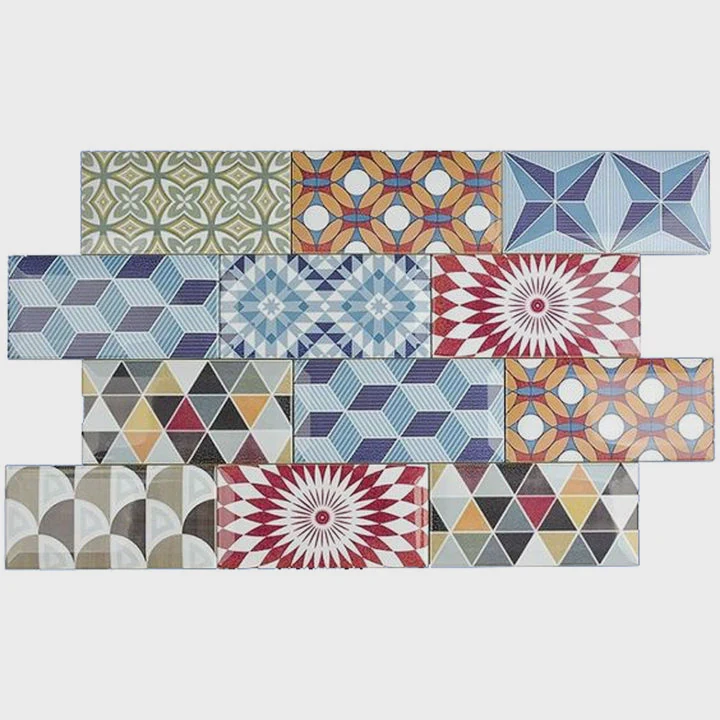
DIY tile cutting has become more accessible because affordable tools are widely available. Yet there is still a major difference between professional results and beginner results.
Advantages of DIY Cutting
DIY cutting offers several benefits.
Lower Initial Cost
For a small project, purchasing a basic cutter may cost less than hiring a professional.
Greater Flexibility
Cuts can be made whenever needed. There is no need to transport tiles to another location.
Learning Experience
Many homeowners enjoy learning new renovation skills.
Common DIY Challenges
Most cutting problems appear after installation begins.
Examples include:
- Uneven edges
- Chipped corners
- Incorrect measurements
- Broken tiles
- Poor alignment
These mistakes often increase project costs because replacement tiles must be purchased.
Why Professionals Often Deliver Better Results
Professional cutters combine experience with better equipment.
Several factors contribute to better outcomes.
Precise Measurement
Experienced professionals understand tile layout planning.
Before cutting, they consider:
- Grout spacing
- Expansion joints
- Pattern alignment
- Focal points
- Corner transitions
This planning reduces visible mistakes.
Specialized Equipment
Professional workshops often invest heavily in cutting technology.
Equipment may include:
- Industrial wet saws
- Bridge saws
- Waterjet machines
- Edge polishing tools
- CNC cutting systems
These machines provide cleaner and more repeatable results.
Reduced Material Waste
One broken tile may seem insignificant. However, mistakes become expensive when working with premium materials.
Consider this comparison:
| Factor | DIY | Professional |
|---|---|---|
| Learning curve | High | Low |
| Waste risk | Higher | Lower |
| Equipment quality | Basic | Advanced |
| Complex cuts | Difficult | Routine |
| Project speed | Slower | Faster |
When DIY Makes Sense
DIY cutting can be suitable when:
- The area is small
- Ceramic tiles are used
- Cuts are simple
- Budget is limited
When Professional Cutting Is Worth It
Professional services become valuable when:
- Tiles are expensive
- The design is complex
- Precision matters
- Large-format tiles are involved
- Commercial projects are planned
Many people underestimate the cost of mistakes. In practice, professional cutting often saves money by reducing waste and avoiding installation problems.
What Tools Are Used for Tile Cutting?
The quality of a tile cut often depends on the tool used rather than the tile itself.
Tile cutting professionals use a range of tools including manual tile cutters, wet saws, angle grinders, hole saws, bridge saws, and waterjet machines. Each tool serves a specific purpose and material type.
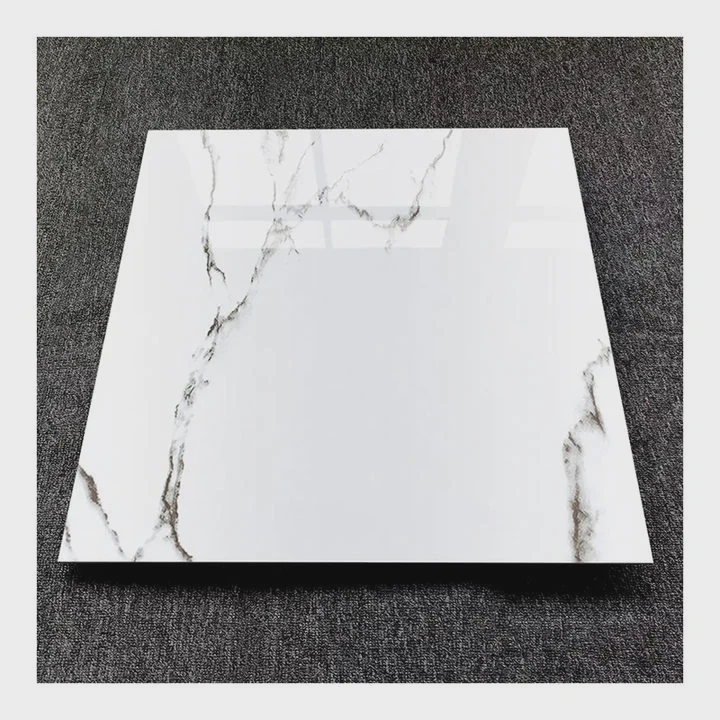
Different tiles require different cutting methods. A tool that works well for ceramic may fail completely on thick porcelain or natural stone.
Manual Tile Cutters
Manual cutters are among the most common tools in the industry.
They work by:
- Scoring the tile surface
- Applying pressure
- Snapping the tile along the scored line
Advantages include:
- Fast operation
- No electricity required
- Minimal dust
- Affordable cost
These tools perform best on ceramic and some porcelain products.
Wet Tile Saws
Wet saws are the workhorses of professional tile installation.
Water continuously cools the blade while reducing dust.
Benefits include:
- Smooth cuts
- Better precision
- Reduced chipping
- Suitable for porcelain and stone
Many contractors rely on wet saws for daily cutting tasks.
Angle Grinders
Angle grinders provide flexibility for irregular cuts.
They are useful for:
- Curves
- Notches
- Custom shapes
- Edge trimming
However, they require experience because they can produce rough edges if handled incorrectly.
Hole Saws
Certain installations require holes for pipes and fixtures.
Examples include:
- Shower valves
- Water supply lines
- Electrical outlets
- Drain openings
Diamond-coated hole saws are commonly used for these applications.
Bridge Saws
Bridge saws are larger industrial machines used for demanding projects.
These machines can cut:
- Thick porcelain
- Marble slabs
- Granite
- Large-format products
Bridge saws offer excellent stability and precision.
Waterjet Cutting Machines
Waterjet technology represents one of the most advanced tile cutting methods available.
A high-pressure stream of water mixed with abrasive material cuts through tile with remarkable precision.
Advantages include:
| Feature | Benefit |
|---|---|
| Precision | Extremely high |
| Edge quality | Very clean |
| Complex patterns | Possible |
| Material flexibility | Excellent |
| Waste reduction | High |
Waterjet systems are often used for:
- Custom mosaics
- Decorative medallions
- Luxury commercial projects
- Intricate architectural designs
Choosing the Right Tool
Professional tile cutters rarely rely on one machine alone.
Instead, they choose tools based on:
- Tile thickness
- Material hardness
- Cut complexity
- Project size
- Desired finish quality
A straight cut on ceramic tile may only require a manual cutter. A decorative porcelain medallion may require advanced waterjet technology. Understanding this difference explains why professional cutting services often produce results that are difficult to replicate with basic DIY equipment.
Conclusion
Tile cutting services are available through hardware stores, tile suppliers, stone workshops, and professional contractors. Simple cuts can often be handled by basic services, while complex projects benefit from professional equipment and experience. Choosing the right cutting method helps reduce waste, improve installation quality, and achieve a cleaner finished result.