Can I Install LVP Over Tile?
- Sinotiles
- 2026-06-29
Many renovation projects involve old tile floors that are still structurally sound but no longer match modern design preferences. Removing tile can be expensive, noisy, and time-consuming.
Yes, LVP (Luxury Vinyl Plank) can often be installed over existing tile if the tile surface is stable, clean, level, and free of major damage. Proper preparation is essential to achieve a smooth, durable, and long-lasting floor.
Many homeowners, contractors, and property managers choose LVP because it offers the appearance of wood or stone while providing easy maintenance and faster installation. However, success depends largely on the condition of the existing tile and the preparation completed before installation begins.
What Conditions Allow LVP Installation Over Tile?
Old tile floors may appear suitable for LVP installation at first glance, but not every tiled surface can support a successful flooring overlay.
LVP can be installed over tile when the existing floor is firmly bonded, structurally sound, clean, dry, and reasonably level without significant cracks, loose tiles, or moisture problems.
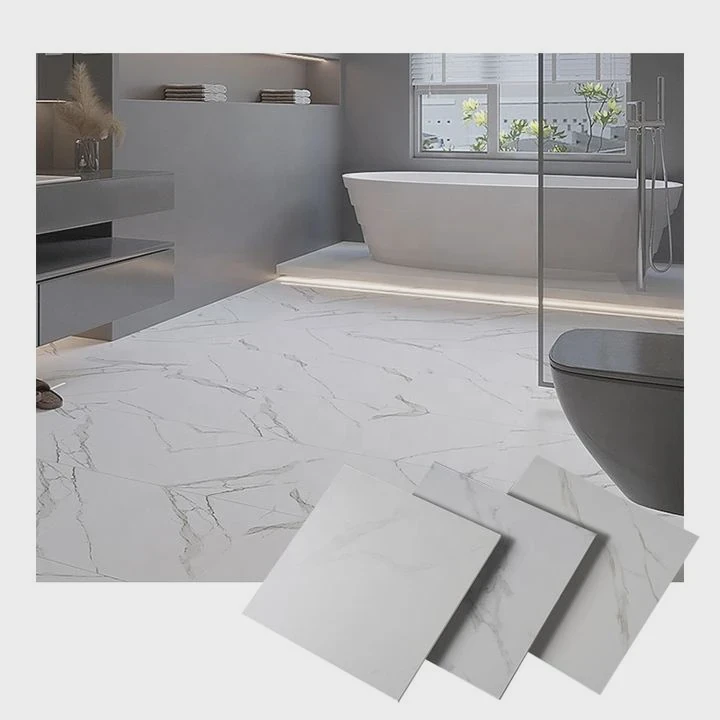
One of the biggest advantages of LVP is its ability to work over many existing flooring surfaces. This flexibility helps reduce demolition costs and shortens renovation schedules.
Structural Stability Is Essential
Before considering installation, the existing tile must be stable.
Signs of a stable tile floor include:
- No loose tiles
- No movement under foot traffic
- No hollow or detached areas
- No widespread cracking
The existing tile effectively becomes the foundation for the new LVP floor. Any weakness in the tile layer can eventually affect the vinyl flooring above.
The Surface Must Be Dry
Moisture is one of the most common causes of flooring failure.
Excess moisture may cause:
- Adhesive failure
- Mold growth
- Floor movement
- Surface deformation
Areas that have experienced water leaks should be thoroughly inspected before installation begins.
Existing Grout Lines Matter
Many tile floors contain grout joints that create surface variations.
The impact depends on:
- Tile size
- Grout width
- Grout depth
- LVP thickness
Modern rigid-core LVP products often handle minor grout lines better than older vinyl products.
Suitable Tile Types
Several tile materials commonly serve as acceptable substrates.
| Existing Tile Type | Suitability for LVP |
|---|---|
| Ceramic Tile | Excellent |
| Porcelain Tile | Excellent |
| Stone Tile | Good |
| Quarry Tile | Good |
| Mosaic Tile | Requires Evaluation |
Large grout joints may require additional preparation regardless of tile type.
Floor Height Considerations
Installing LVP over tile increases the finished floor height.
Potential issues include:
- Door clearance problems
- Appliance clearance concerns
- Threshold adjustments
- Transition strip modifications
These factors should be reviewed before installation begins.
When Tile Removal May Be Better
In some situations, removing the tile remains the better option.
Examples include:
- Extensive tile damage
- Severe unevenness
- Moisture-related failures
- Structural movement
A careful assessment at the beginning of the project helps avoid costly corrections later.
How Can Surface Preparation Improve LVP Performance?
Many flooring failures occur because installers underestimate the importance of preparation. Even premium LVP products cannot compensate for a poorly prepared surface.
Proper surface preparation improves LVP performance by creating a clean, smooth, stable, and uniform base that supports long-term durability, appearance, and comfort underfoot.
Preparation often determines whether an installation lasts for decades or develops problems within a few years.
Start with a Thorough Inspection
Every successful project begins with evaluation.
Inspect the tile floor for:
- Cracked tiles
- Loose sections
- Moisture damage
- High spots
- Low spots
Small issues are much easier to correct before installation begins.
Clean the Surface Completely
Tile surfaces often contain contaminants that accumulate over many years.
Common contaminants include:
- Dirt
- Wax
- Grease
- Cleaning residues
- Construction debris
A clean surface supports better underlayment performance and improves installation quality.
Repair Damaged Areas
Any damaged sections should be addressed before laying LVP.
Typical repairs include:
- Replacing loose tiles
- Filling cracks
- Repairing grout joints
- Stabilizing weak areas
Ignoring these defects often allows problems to transfer into the new floor.
Fill Deep Grout Lines
One of the most important preparation steps involves grout joints.
Deep grout lines may eventually telegraph through certain flooring products.
Many installers use:
- Floor patch compounds
- Self-leveling materials
- Cement-based fillers
The goal is to create a more uniform surface.
Surface Preparation Checklist
| Preparation Step | Purpose |
|---|---|
| Inspection | Identify defects |
| Cleaning | Remove contaminants |
| Repairs | Restore stability |
| Grout Filling | Improve smoothness |
| Leveling | Reduce surface variation |
| Moisture Testing | Prevent future failures |
Consider Underlayment Requirements
Some LVP products include attached underlayment.
Others require separate underlayment systems.
Benefits may include:
- Sound reduction
- Improved comfort
- Minor surface correction
- Moisture protection
Always verify manufacturer requirements before installation.
Long-Term Benefits of Proper Preparation
Well-prepared surfaces often provide:
- Better floor appearance
- Improved plank stability
- Reduced joint separation
- Greater comfort
- Longer product life
Many experienced flooring professionals agree that preparation frequently takes longer than the installation itself, yet it remains the most valuable part of the process.
Why Ensure Tiles Are Level Before Installation?
A tile floor may appear flat from a standing position while still containing enough variation to create problems for LVP flooring.
Level and flat tile surfaces help prevent plank movement, joint stress, visible imperfections, premature wear, and long-term flooring failure after LVP installation.
Many LVP products feature click-lock systems designed to float above the subfloor. These systems perform best when supported by a consistent surface.
Flatness vs. Levelness
These terms are often confused.
Flat Surface
A flat surface has minimal bumps and depressions.
Level Surface
A level surface follows a consistent horizontal plane.
For LVP installation, flatness is usually more important than absolute levelness.
Uneven Tile Creates Stress
When LVP spans uneven areas, the planks may flex.
This movement can cause:
- Joint separation
- Locking system damage
- Surface noise
- Premature wear
Over time, these issues may become visible and affect performance.
Common Problem Areas
Several locations deserve extra attention.
Wide Grout Joints
Deep grout lines can create small valleys beneath the floor.
Cracked Tiles
Cracks often create uneven transitions.
Tile Edges
Lippage between adjacent tiles may create high points.
Flatness Recommendations
Many manufacturers provide flatness guidelines.
Typical requirements include:
| Surface Variation | Recommendation |
|---|---|
| Minor Variation | Usually Acceptable |
| Moderate Variation | Correct Before Installation |
| Significant Variation | Leveling Required |
| Severe Unevenness | Consider Tile Removal |
Always consult the flooring manufacturer’s specifications.
Large Rooms Increase Risk
Minor irregularities become more significant across large installations.
Long plank flooring may bridge uneven sections initially but eventually reveal:
- Deflection
- Noise
- Wear patterns
Correcting these problems after installation is often expensive.
Methods to Improve Flatness
Installers commonly use:
- Self-leveling compounds
- Patching materials
- Grinding equipment
- Floor fillers
The chosen method depends on the severity of the surface variation.
Better Flatness Means Better Results
A properly prepared surface improves:
- Installation speed
- Plank engagement
- Floor appearance
- Long-term durability
The smoother the foundation, the better the finished floor performs over time.
Which Limitations Affect LVP Over Tile Results?
Although LVP can often be installed over tile successfully, several limitations should be considered before starting the project.
The main limitations include floor height increases, grout line visibility, substrate defects, moisture concerns, structural movement, and manufacturer installation requirements.

Understanding these limitations helps set realistic expectations and improves project planning.
Increased Floor Height
The most obvious limitation is added thickness.
The finished floor may include:
- Existing tile
- Underlayment
- LVP flooring
This additional height can affect:
- Doors
- Cabinets
- Appliances
- Stair transitions
Proper measurements should be completed before material selection.
Grout Line Telegraphing
Telegraphing occurs when surface irregularities become visible through the finished flooring.
Factors that influence telegraphing include:
- Thin flooring products
- Wide grout joints
- Deep grout lines
- Soft underlayment
Rigid-core LVP products generally resist telegraphing better than flexible vinyl flooring.
Moisture Risks Remain
Installing LVP over tile does not eliminate existing moisture problems.
Common moisture sources include:
- Plumbing leaks
- Slab moisture
- Flood damage
- Poor waterproofing
Moisture testing remains important, especially on concrete slabs.
Structural Movement Below the Tile
If the original floor system moves, the new floor may eventually be affected.
Possible causes include:
- Subfloor deflection
- Foundation settlement
- Expansion and contraction
- Building movement
LVP can tolerate some movement, but excessive movement creates long-term risks.
Manufacturer Restrictions
Not every flooring product is approved for installation over tile.
Important requirements may involve:
| Requirement | Possible Restriction |
|---|---|
| Grout Depth | Maximum allowed depth |
| Tile Condition | Must be stable |
| Moisture Level | Must meet specifications |
| Flatness | Specific tolerances |
| Underlayment | Product-specific requirements |
Ignoring manufacturer guidelines may void product warranties.
Room Type Matters
Certain environments require additional evaluation.
Examples include:
Bathrooms
Water exposure increases installation complexity.
Kitchens
Heavy appliances may affect floor transitions.
Commercial Areas
High traffic demands stronger support conditions.
Existing Tile Pattern May Influence Results
Large grout joints and highly textured tiles often require more preparation.
Smooth, large-format tiles usually provide the most favorable substrate conditions.
Managing Expectations
While LVP over tile offers many benefits, it is not a perfect solution in every situation.
Advantages include:
- Reduced demolition
- Faster installation
- Lower labor costs
- Less disruption
Limitations include:
- Increased floor height
- Surface preparation requirements
- Potential telegraphing
- Existing substrate dependency
Understanding both sides helps property owners make informed decisions.
Conclusion
Yes, LVP can often be installed over existing tile when the tile is stable, dry, clean, and reasonably flat. Proper preparation, grout line treatment, and surface leveling play critical roles in long-term performance. By understanding the conditions, preparation requirements, leveling needs, and limitations involved, homeowners and contractors can achieve a durable and attractive LVP floor without the expense and disruption of tile removal.