What Does Asbestos Floor Tile Look Like?
- Sinotiles
- 2026-06-29
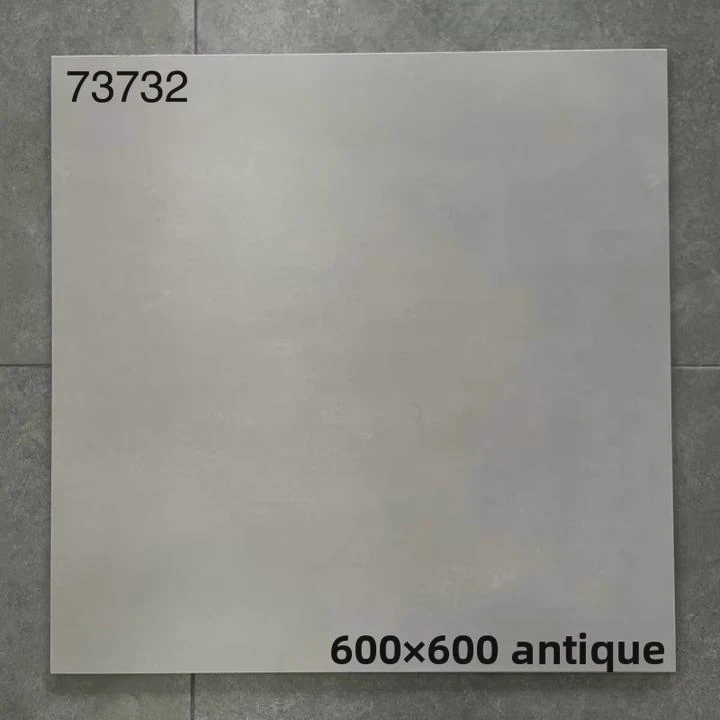
Many people start a renovation project and discover old floor tiles hidden beneath carpets, vinyl, or newer flooring. The problem is that asbestos floor tiles often look similar to many ordinary tiles, making identification difficult.
Asbestos floor tiles are commonly found in older buildings and often appear as thin, hard square tiles in sizes such as 9x9 inches or 12x12 inches. They may have marbled, speckled, or solid-color designs. However, appearance alone cannot confirm asbestos content. Laboratory testing is the only reliable way to identify asbestos.
If a floor was installed decades ago, especially before the 1980s, it deserves careful attention. Understanding the visual clues, common characteristics, and safe handling practices can help prevent unnecessary risks during remodeling projects.
Many people expect asbestos flooring to have a unique appearance. In reality, asbestos was used in many flooring products, which means these tiles can look almost identical to non-asbestos alternatives.
What Characteristics Identify Asbestos Floor Tiles?
Old floor tiles can create uncertainty during renovation work. Property owners often want a quick way to determine whether asbestos is present before making decisions about removal or replacement.
Common characteristics of asbestos floor tiles include older installation dates, square shapes, dense construction, brittle edges, and marbled or speckled surface patterns. These clues may indicate possible asbestos content, but testing is required for confirmation.
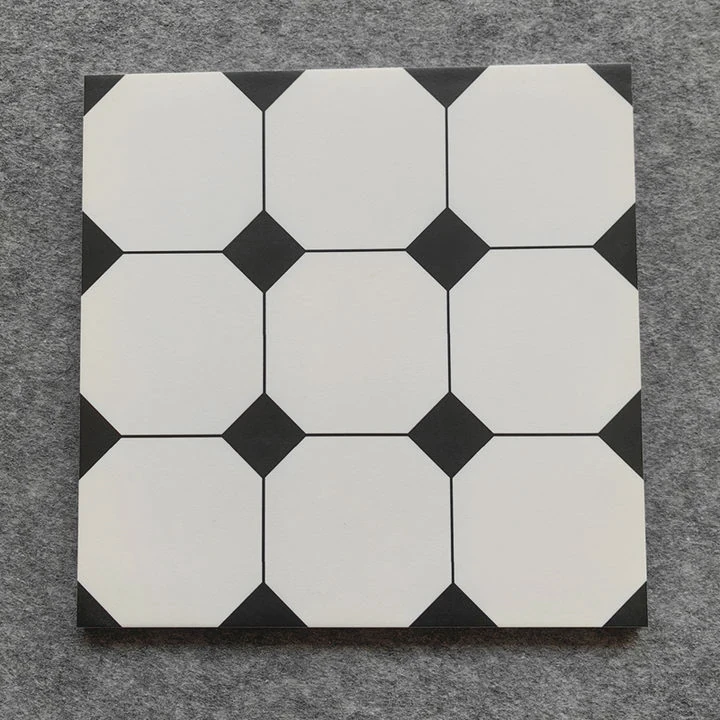
Asbestos was widely used in flooring because it improved durability, heat resistance, and product stability. As a result, manufacturers incorporated asbestos into many tile designs throughout much of the twentieth century.
Common Physical Features
| Characteristic | Typical Appearance |
|---|---|
| Shape | Usually square |
| Thickness | Thin and dense |
| Texture | Hard and rigid |
| Surface Design | Marbled, speckled, or mottled |
| Edge Condition | Brittle when damaged |
| Installation Period | Often before the 1980s |
Age Is Often the First Clue
One of the strongest indicators is the age of the flooring.
Tiles installed before the 1980s have a higher chance of containing asbestos because asbestos remained a common flooring ingredient for many decades.
This does not mean every old tile contains asbestos. It simply means older flooring deserves closer examination before disturbance.
Tile Construction and Feel
Dense Composition
Many asbestos-containing vinyl tiles feel heavier and denser than modern flexible flooring products.
Brittle Behavior
Older asbestos tiles often crack rather than bend.
When damaged, pieces may snap cleanly instead of flexing like modern vinyl materials.
Surface Appearance
Many asbestos tiles featured decorative patterns that imitated natural materials.
Common designs included:
- Marble effects
- Speckled patterns
- Swirling colors
- Stone-like appearances
These designs were popular because they offered an attractive appearance at a lower cost than natural stone flooring.
Common Installation Locations
Older asbestos tiles were frequently installed in:
- Basements
- Kitchens
- Schools
- Hospitals
- Commercial offices
- Utility rooms
These locations benefited from the durability and low maintenance requirements of the material.
Adhesive Can Provide Additional Clues
The tile itself is not the only material worth examining.
Many older floor installations used black adhesive, often called cutback adhesive or black mastic.
Finding black adhesive beneath old tiles can indicate the need for additional investigation because some historical adhesives also contained asbestos.
Why Appearance Is Not Enough
Many modern flooring products closely resemble asbestos tiles.
Likewise, many asbestos tiles appear completely ordinary.
For this reason, visual observations should only be treated as warning signs rather than proof.
The safest approach is to use appearance as a reason for further testing, not as a final conclusion. Proper identification protects both the property owner and anyone involved in renovation work.
How Can Color and Size Indicate Asbestos Presence?
Many homeowners hear that specific tile colors or dimensions automatically mean asbestos. While certain sizes and patterns are commonly associated with asbestos flooring, the reality is more complex.
Tile size and color can provide useful clues about possible asbestos content. Older 9x9-inch tiles are particularly associated with asbestos flooring, while common colors include brown, gray, green, beige, and red. However, these features alone cannot confirm asbestos.

Size is one of the most frequently discussed characteristics because manufacturers often produced asbestos tiles in standard dimensions.
Common Tile Sizes
| Tile Size | Likelihood of Historical Asbestos Use |
|---|---|
| 9x9 inches | Common |
| 12x12 inches | Possible |
| 18x18 inches | Less common but possible |
| Other sizes | Depends on age and manufacturer |
Why 9x9 Tiles Receive Attention
The 9x9-inch format became extremely popular during the period when asbestos flooring was widely manufactured.
Because of this historical connection, many flooring inspectors become cautious whenever they encounter older 9x9-inch floor tiles.
However, size alone does not prove asbestos is present.
Popular Colors in Older Flooring
Many asbestos-containing tiles used colors that reflected design trends of the time.
Common colors included:
- Brown
- Gray
- Beige
- Green
- Black
- Red
- Tan
These colors appeared frequently in residential and commercial construction.
Pattern Styles Often Seen
Marbled Designs
Manufacturers often created marble-like effects to imitate natural stone.
Speckled Finishes
Small flecks of contrasting color were common in many vinyl asbestos products.
Mottled Appearances
Some tiles combined multiple shades to create visual depth.
Thickness and Edge Details
Many asbestos floor tiles were relatively thin.
Common characteristics included:
- Compact construction
- Straight edges
- Uniform thickness
- Hard surfaces
These details can help build a general picture of the flooring’s age and type.
Looking Beneath Loose Tiles
When a tile becomes detached naturally, it may reveal useful information.
Possible indicators include:
- Manufacturer names
- Product numbers
- Installation dates
- Black adhesive residue
These details can help professionals research the product further.
The Importance of Context
No single feature can identify asbestos.
Instead, professionals evaluate several factors together:
| Factor | Importance |
|---|---|
| Tile age | High |
| Tile size | Moderate |
| Tile pattern | Moderate |
| Building history | High |
| Laboratory testing | Essential |
Avoid Assumptions
A new-looking tile can contain asbestos.
An old-looking tile may contain none.
This is why responsible identification always moves beyond appearance and includes proper testing procedures. Visual clues simply help determine whether further investigation is necessary.
Why Avoid Disturbing Suspected Asbestos Tiles?
Many people assume asbestos becomes dangerous the moment it exists in a building. In reality, the greatest concern often arises when asbestos-containing materials are damaged or disturbed.
Suspected asbestos tiles should not be disturbed because cutting, drilling, grinding, sanding, or removing them can release microscopic fibers into the air. These fibers may be inhaled and create serious health risks over time.
In many situations, intact asbestos flooring presents far less risk than flooring that has been broken apart during renovation.
How Asbestos Fibers Become Airborne
The danger comes from releasing tiny fibers.
Activities that can create airborne fibers include:
- Scraping
- Sanding
- Cutting
- Drilling
- Demolition
- Grinding
Once released, fibers may remain suspended in the air for extended periods.
Why Airborne Fibers Are a Concern
The fibers are extremely small.
Because they are difficult to see, people may unknowingly inhale them during renovation activities.
Potential Exposure Situations
| Activity | Risk Level |
|---|---|
| Walking on intact tiles | Low |
| Covering existing tiles | Low |
| Breaking tiles | Higher |
| Sanding tiles | High |
| Grinding adhesive | High |
| Demolition work | High |
Intact Materials vs Damaged Materials
Intact Flooring
Tiles that remain undamaged generally keep fibers trapped within the product structure.
Damaged Flooring
Broken materials may release fibers more easily.
The risk increases further when power tools are involved.
Common Renovation Mistakes
Many DIY projects begin before the flooring has been properly evaluated.
Common mistakes include:
- Removing tiles immediately
- Using grinders
- Dry scraping adhesives
- Sweeping dust aggressively
- Breaking tiles into smaller pieces
These actions can increase exposure risks if asbestos is present.
Why Patience Matters
Many flooring projects feel urgent.
However, spending time on proper identification often prevents larger problems later.
A short delay for testing can help avoid:
- Health concerns
- Cleanup expenses
- Project delays
- Regulatory issues
Alternative Management Options
In some cases, removal may not be necessary.
Depending on local regulations and the condition of the material, options may include:
- Encapsulation
- Covering with new flooring
- Professional management plans
These approaches can reduce disturbance while maintaining safety.
Professional Assessment Reduces Risk
A qualified inspector can evaluate:
- Material condition
- Potential asbestos content
- Appropriate next steps
- Removal requirements
The most important principle is simple: if asbestos is suspected, avoid disturbing the material until identification has been completed.
Which Steps Ensure Safe Identification and Handling?
When old flooring raises concerns, people often want a clear answer immediately. The safest approach follows a structured process that minimizes risk while providing accurate information.
Safe identification and handling involve evaluating the flooring age, reviewing visual characteristics, avoiding disturbance, obtaining laboratory testing, and following local regulations before any removal work begins.
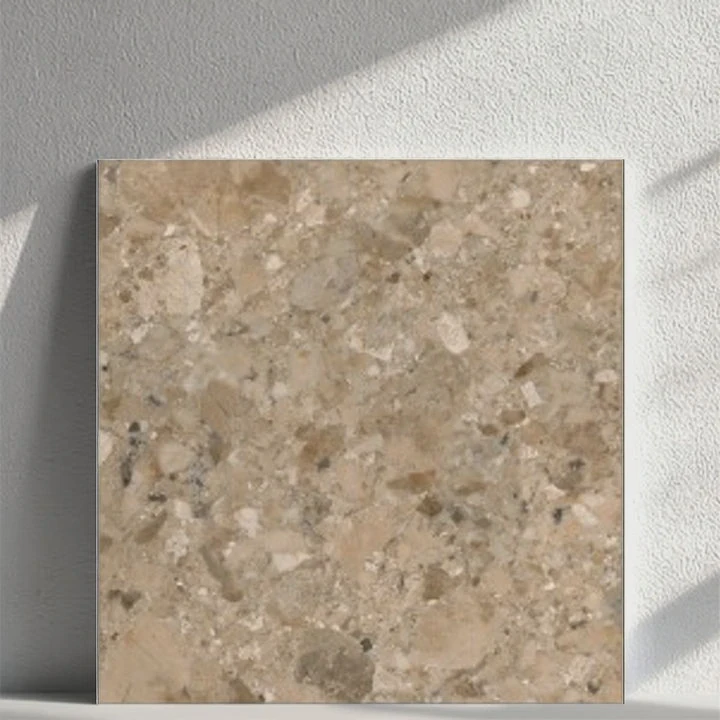
A systematic approach helps reduce uncertainty and protects everyone involved in the project.
Step 1: Determine the Flooring Age
The first step is understanding when the floor was installed.
Questions to ask include:
- When was the building constructed?
- Has the floor been replaced?
- Are installation records available?
Older floors deserve additional attention.
Step 2: Perform a Visual Review
Look for:
- Tile dimensions
- Surface patterns
- Tile condition
- Adhesive type
These observations help determine whether testing should be considered.
Step 3: Avoid Disturbance
Do not:
- Break tiles
- Drill through flooring
- Sand surfaces
- Remove sections unnecessarily
Maintaining the material in its current condition helps prevent potential fiber release.
Step 4: Arrange Professional Testing
| Identification Method | Reliability |
|---|---|
| Visual inspection | Low |
| Historical records | Moderate |
| Product research | Moderate |
| Laboratory testing | Very High |
Laboratory analysis remains the most reliable method available.
Step 5: Review the Results
Once testing is complete, decisions can be made based on factual information.
Possible outcomes include:
- No asbestos detected
- Asbestos present but manageable
- Asbestos requiring professional removal
Step 6: Follow Regulations
Requirements vary depending on location.
Rules may govern:
- Sampling procedures
- Worker protection
- Material transportation
- Disposal methods
Understanding local requirements helps ensure compliance.
Benefits of Professional Assistance
Accurate Identification
Testing removes uncertainty from the decision-making process.
Risk Evaluation
Professionals can assess whether the flooring presents an immediate concern.
Safe Removal Planning
If removal becomes necessary, proper procedures help minimize exposure.
A Practical Safety Checklist
Before beginning renovation work:
| Task | Complete Before Removal |
|---|---|
| Determine flooring age | Yes |
| Inspect tile condition | Yes |
| Check adhesive type | Yes |
| Avoid disturbing materials | Yes |
| Arrange testing | Yes |
| Review regulations | Yes |
The Most Important Step
Many people focus on appearance because it is easy to observe.
However, appearance alone can never confirm asbestos.
The safest and most reliable path is professional laboratory testing. Once accurate results are available, property owners can move forward with confidence and choose the most appropriate solution for their renovation project.
Conclusion
Asbestos floor tiles often appear as older square tiles with marbled or speckled patterns, dense construction, and common sizes such as 9x9 or 12x12 inches. These visual clues may suggest possible asbestos content, but they cannot provide certainty. The safest approach is to avoid disturbing suspicious flooring, arrange professional testing, and follow proper handling procedures before starting any renovation work.