Can I Lay Wood Floor Over Tile?
- Sinotiles
- 2026-06-25
Many homeowners want the warm look of wood flooring but hesitate when they see an existing tile floor. Removing tile can be messy, expensive, and time-consuming.
Yes, wood flooring can often be installed over existing tile. Success depends on the condition of the tile, proper surface preparation, and selecting the right type of wood flooring. When done correctly, installing over tile can save both time and renovation costs.
Many renovation projects start with the same question: should the old tile be removed or covered? In many cases, keeping the tile in place is a practical solution. The key is understanding the limitations, preparing the surface correctly, and choosing flooring products that can perform well over an existing tiled substrate.
Is It Possible to Install Wood Flooring Over Tile?
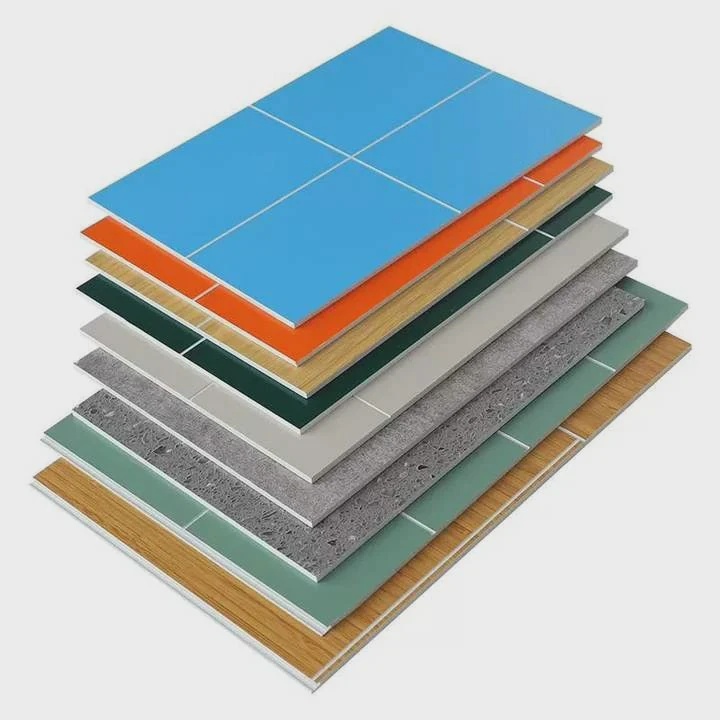
A tile floor may seem like an unusual base for wood flooring. Many people assume the tile must be demolished first, but that is often unnecessary.
It is possible to install wood flooring over tile if the tile surface is stable, level, and free from major damage. Many floating wood flooring systems are specifically designed to be installed over existing hard surfaces, including ceramic and porcelain tile.
One of the most common requests received from property owners is finding ways to renovate without major demolition. Tile removal creates dust, noise, labor costs, and disposal expenses. Covering the existing tile can simplify the entire project.
Why Homeowners Choose to Install Over Tile
Several benefits make this approach attractive:
- Lower labor costs
- Faster installation
- Less construction waste
- Reduced project disruption
- No tile disposal fees
For many residential and commercial projects, these advantages make covering tile a smart option.
Not Every Tile Floor Is Suitable
The biggest mistake is assuming every tile floor can support wood flooring.
The existing surface must be:
- Structurally sound
- Properly bonded to the subfloor
- Relatively flat
- Dry and stable
Loose or damaged tiles can create problems later.
Floating Floors Make Installation Easier
Most wood flooring installed over tile uses a floating system.
In a floating installation:
- Flooring is not nailed into the tile.
- Flooring is not permanently attached to the tile.
- Individual boards lock together.
This system allows the floor to expand and contract naturally.
Height Considerations
Adding wood flooring over tile increases floor height.
This change may affect:
- Door clearance
- Transitions between rooms
- Appliance placement
- Baseboard appearance
These details should be evaluated before installation begins.
Moisture Still Matters
Many people assume tile completely eliminates moisture concerns.
However, moisture can still move through concrete slabs beneath tile floors.
Testing moisture conditions remains an important step.
Situations Where Removal May Be Better
Sometimes removing the tile is the safer option.
Examples include:
| Condition | Recommended Action |
|---|---|
| Multiple loose tiles | Remove tile |
| Severe cracks throughout floor | Remove tile |
| Significant height concerns | Remove tile |
| Water damage below tile | Remove tile |
| Stable and level tile | Install over tile |
A careful inspection helps determine which approach makes the most sense.
Long-Term Performance
When proper installation practices are followed, wood flooring over tile can perform successfully for many years.
Many modern renovation projects use this method because it reduces labor while still delivering a high-quality finished appearance.
What Preparation Is Needed Before Covering Tile?
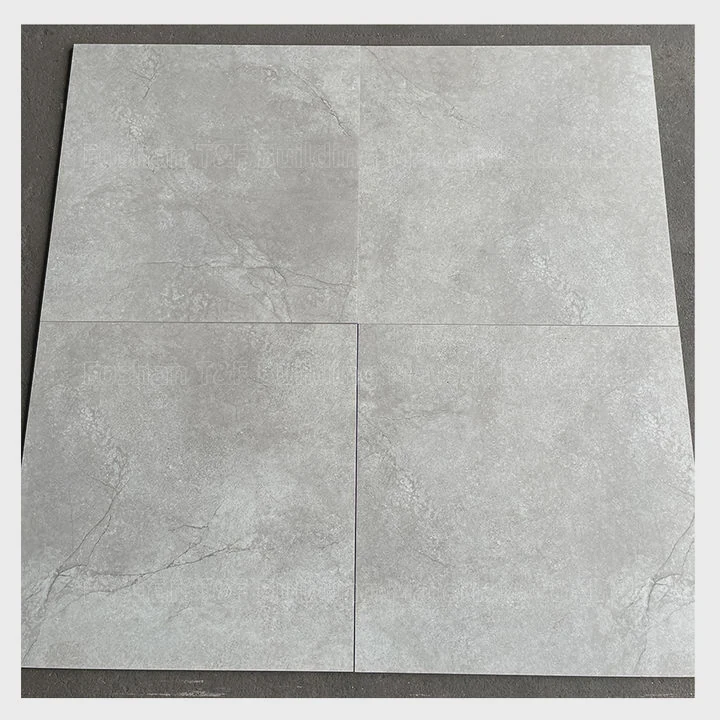
Preparation is often the difference between a floor that lasts decades and one that develops problems within a few years.
Before covering tile with wood flooring, the surface should be cleaned, inspected, repaired, leveled if necessary, and tested for moisture. Proper preparation creates a stable base that supports long-term flooring performance.
Many flooring failures are caused by poor preparation rather than poor materials.
Clean the Surface Thoroughly
The tile should be free from:
- Dirt
- Dust
- Grease
- Wax
- Construction debris
Any material left behind can affect underlayment performance and create uneven areas.
Check for Loose Tiles
Every section of the floor should be inspected carefully.
A simple tap test often helps identify loose tiles.
Listen for:
- Hollow sounds
- Movement
- Cracking
Loose sections should be repaired before proceeding.
Repair Damaged Areas
Minor defects can usually be corrected.
Common repairs include:
- Replacing broken tiles
- Filling cracks
- Regrouting joints
- Stabilizing loose areas
Ignoring small defects often leads to larger issues later.
Address Deep Grout Lines
One challenge with tile floors is grout joint depth.
Deep grout lines may transfer through some flooring products.
Several solutions are available.
Floor Leveling Compound
A leveling compound can fill low areas.
Benefits include:
- Improved flatness
- Better flooring support
- Reduced movement
Underlayment Systems
Certain underlayments help bridge minor grout variations.
This approach is common with floating floors.
Verify Floor Flatness
Flatness matters more than many people realize.
Excessive variation can cause:
- Board movement
- Joint separation
- Squeaking
- Locking system damage
Most flooring manufacturers provide maximum flatness tolerances.
Moisture Testing
Even if the tile looks dry, moisture testing remains important.
Potential moisture sources include:
- Concrete slabs
- Groundwater vapor
- Plumbing leaks
- Environmental humidity
Professional moisture testing provides valuable information before installation.
Install an Appropriate Underlayment
The right underlayment can improve performance significantly.
Common benefits include:
| Underlayment Benefit | Purpose |
|---|---|
| Sound reduction | Quieter floors |
| Moisture control | Protection from vapor |
| Cushioning | Improved comfort |
| Surface smoothing | Better support |
The exact underlayment depends on the flooring product selected.
Plan Expansion Gaps
Wood flooring naturally expands and contracts.
Adequate expansion space should be maintained around:
- Walls
- Columns
- Cabinets
- Fixed structures
This space helps prevent buckling over time.
Proper preparation may seem time-consuming, but it often determines the long-term success of the installation.
Does Tile Condition Affect Wood Floor Installation?
Many homeowners focus on the new flooring and overlook the existing tile. The condition of the tile plays a major role in installation success.
Yes, tile condition directly affects wood floor installation. Loose, cracked, uneven, or moisture-damaged tile can create structural problems that transfer to the new floor and reduce its lifespan.
The tile floor effectively becomes the foundation of the new flooring system.
Stable Tile Creates a Reliable Base
When tile is:
- Firmly bonded
- Flat
- Undamaged
- Dry
It often provides excellent support for wood flooring.
Many successful installations begin with stable ceramic or porcelain tile surfaces.
Loose Tiles Create Movement
Movement is one of the biggest enemies of flooring systems.
When a tile shifts under pressure:
- Flooring joints may loosen
- Boards may separate
- Noise may develop
- Wear may accelerate
Any movement should be corrected before installation.
Cracked Tiles Need Evaluation
Not every crack requires full tile removal.
The cause of the crack matters.
Surface Crack
A single isolated crack may not indicate structural issues.
Structural Crack
Widespread cracking often suggests movement below the tile.
This situation requires further investigation.
Uneven Tile Surfaces Cause Problems
Wood flooring performs best on flat surfaces.
Common problems caused by uneven tile include:
- Flexing boards
- Premature wear
- Gaps between planks
- Locking system stress
Leveling may be required before installation.
Moisture Damage Is a Serious Concern
Water intrusion can weaken both tile and subfloor systems.
Signs of moisture issues include:
- Efflorescence
- Mold growth
- Loose grout
- Discoloration
These problems should be addressed before any flooring installation begins.
Tile Pattern and Size Matter
Large-format tile often creates a smoother substrate.
Small tiles with many grout joints may require additional preparation.
Examples:
| Tile Type | Installation Impact |
|---|---|
| Large porcelain tile | Easier installation |
| Small mosaic tile | More preparation |
| Deep grout joints | May need leveling |
| Smooth tile surface | Better underlayment support |
Existing Tile Height Must Be Considered
Tile thickness already contributes to floor elevation.
Adding wood flooring increases overall height further.
This can affect:
- Stair transitions
- Entry thresholds
- Interior doors
- Built-in furniture
Planning ahead helps avoid unexpected modifications.
Inspection Saves Money
A detailed inspection before installation often prevents costly repairs later.
Many flooring failures can be traced back to substrate conditions that were overlooked during the planning stage.
The condition of the tile floor should always be evaluated as carefully as the wood flooring itself.
Which Wood Flooring Types Work Over Tile?
Not all wood flooring products perform equally well over tile. Some systems are specifically designed for this type of installation.
Engineered wood flooring, floating hardwood systems, and certain luxury wood-look products are the most suitable options for installation over tile. The best choice depends on floor conditions, budget, and project goals.
Choosing the right flooring product is just as important as preparing the substrate.
Engineered Wood Flooring
Engineered wood is often the preferred solution.
Its layered construction provides:
- Better dimensional stability
- Reduced expansion and contraction
- Greater compatibility with floating installations
This makes it highly suitable for installation over existing tile.
Floating Hardwood Systems
Many modern hardwood products feature click-lock technology.
Advantages include:
- Faster installation
- No nails required
- Easier replacement
- Reduced labor costs
These systems work especially well over stable tile floors.
Solid Hardwood Limitations
Traditional solid hardwood is usually less suitable.
Solid wood often requires:
- Nailing
- Stapling
- Specialized subfloors
These requirements make installation over tile more complicated.
Engineered Hardwood vs Solid Hardwood
| Feature | Engineered Hardwood | Solid Hardwood |
|---|---|---|
| Suitable Over Tile | Yes | Limited |
| Floating Installation | Common | Rare |
| Dimensional Stability | High | Moderate |
| Moisture Resistance | Better | Lower |
| Installation Speed | Faster | Slower |
Wood-Look Alternatives
Some projects benefit from wood-look surfaces rather than real wood.
Examples include:
- Wood-look porcelain tile
- Wood-look luxury vinyl plank
- Hybrid flooring systems
These products often provide enhanced moisture resistance.
Thickness Considerations
Thicker flooring is not always better.
The ideal thickness depends on:
- Existing floor height
- Transition requirements
- Underlayment selection
- Room configuration
Balancing appearance and practicality is important.
Commercial and Residential Applications
Different environments have different needs.
Residential Spaces
Popular choices include:
- Engineered oak
- Engineered walnut
- Click-lock hardwood
Commercial Spaces
Many businesses prefer:
- Heavy-duty engineered flooring
- High-wear surface finishes
- Stable floating systems
Matching Flooring to Project Goals
Every project has different priorities.
Some buyers focus on:
- Natural appearance
- Budget
- Easy installation
- Long-term durability
Others prioritize speed and minimal disruption.
The most successful installations occur when flooring selection aligns with the condition of the existing tile and the performance requirements of the space.
Conclusion
Wood flooring can often be installed directly over tile, making it a practical alternative to costly demolition. Success depends on stable tile conditions, thorough preparation, proper moisture management, and selecting suitable flooring products such as engineered wood or floating floor systems. With the right approach, a tiled floor can become the foundation for a beautiful and durable wood floor upgrade.