How to Clean Grout Haze From Tile?
- Sinotiles
- 2026-06-25
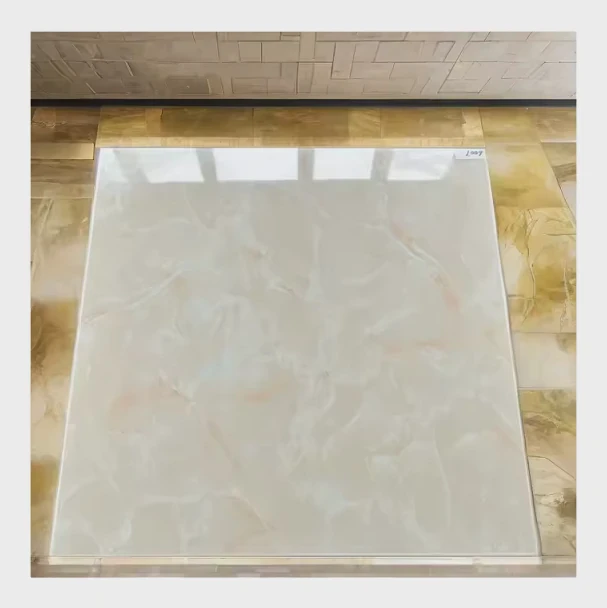
Many tile projects look perfect at first, but a cloudy film often appears after grouting. This haze can make new tiles look dull and unfinished.
Grout haze can be removed effectively with clean water, microfiber cloths, vinegar solutions for certain tile types, or specialized grout haze removers. The best cleaning method depends on the tile material, the severity of the haze, and how long it has been left on the surface.
Many customers contact us after installing new tiles because the floor or wall does not have the clean shine they expected. In most cases, the problem is not the tile itself. A thin layer of grout residue remains on the surface. The good news is that grout haze is usually easy to remove when the correct method is used at the right time.
What Removes Grout Haze Effectively From Tile?
Grout haze is usually removed with water, microfiber cloths, nylon scrub pads, diluted cleaning solutions, or specialized haze removers. The best approach depends on how heavy the residue is and the type of tile installed.
For most ceramic and porcelain tiles, grout haze can be removed with warm water, a microfiber cloth, and gentle scrubbing. Stubborn haze may require a dedicated grout haze remover designed for the grout type used during installation.
Many people confuse grout haze with grout stains. They are not the same problem. Grout haze is a thin residue left on the tile surface after grouting. It often appears as a white or cloudy film.
Why Grout Haze Forms
During installation, grout is spread across the tile surface to fill joints. Even after excess grout is wiped away, a fine layer often remains behind.
This layer becomes visible when:
- The grout dries completely
- Light reflects off the tile
- Dark-colored tiles highlight the residue
- Large-format tiles expose more surface area
Common Cleaning Methods
Warm Water and Microfiber Cloth
For light haze, warm water is often enough.
The process is simple:
- Fill a bucket with clean warm water.
- Dampen a microfiber cloth.
- Wipe the tile surface.
- Rinse frequently.
- Buff dry with a clean cloth.
This method works well when haze is detected early.
Nylon Scrubbing Pad
A non-abrasive nylon pad can loosen residue without scratching most ceramic or porcelain tiles.
Avoid steel wool or metal brushes because they can damage finishes.
Cheesecloth Buffing
Many installers use cheesecloth after grout begins curing.
The cloth captures fine grout particles and polishes the tile surface.
Choosing the Right Method
Different tile materials require different care.
| Tile Type | Recommended Cleaning Method |
|---|---|
| Porcelain Tile | Water, microfiber cloth, haze remover |
| Glazed Ceramic Tile | Water and soft scrub pad |
| Polished Porcelain | Soft cloth and mild cleaner |
| Glass Tile | Manufacturer-approved cleaner |
| Natural Stone | Stone-safe cleaner only |
Mistakes to Avoid
Several mistakes can make haze removal more difficult.
Using Dirty Water
Dirty water spreads grout particles back onto the tile.
Waiting Too Long
Older haze becomes harder to remove.
Using Harsh Tools
Abrasive pads may scratch polished surfaces.
Ignoring Manufacturer Instructions
Certain tile finishes require specific cleaning products.
When Haze Becomes Severe
If grout haze remains visible after several cleaning attempts, a professional haze remover may be necessary.
In many commercial projects, haze removers save significant labor because they dissolve cement residue more efficiently than water alone.
Are Vinegar Solutions Safe for Grout Haze Cleaning?
Vinegar can be effective for removing grout haze from some tile surfaces, but it is not safe for every material. The type of tile and grout must always be considered first.
Vinegar solutions are generally safe for ceramic and porcelain tiles when used correctly, but they should never be used on natural stone surfaces such as marble, limestone, travertine, or granite because the acid can cause permanent damage.
This is one of the most common questions customers ask after installation.
The internet often recommends vinegar as a universal cleaning solution. While vinegar can work well in certain situations, it is not suitable for every project.
Why Vinegar Works
Vinegar contains acetic acid.
The mild acid helps break down cement-based grout residue and mineral deposits.
This makes it useful for:
- Light grout haze
- Hard water spots
- Soap residue
- Minor mineral buildup
When Vinegar Is Safe
Vinegar is usually safe on:
- Porcelain tiles
- Glazed ceramic tiles
- Some glass tiles
Before using vinegar, always test a small hidden area.
When Vinegar Should Be Avoided
Natural stone is highly sensitive to acid.
Avoid vinegar on:
| Tile Material | Vinegar Safe? |
|---|---|
| Porcelain | Yes |
| Glazed Ceramic | Yes |
| Glass Tile | Usually |
| Marble | No |
| Limestone | No |
| Travertine | No |
| Slate | Usually No |
A Simple Vinegar Cleaning Method
For suitable tile surfaces:
- Mix one part white vinegar with four parts water.
- Apply lightly with a sponge.
- Allow a short contact time.
- Scrub gently.
- Rinse thoroughly with clean water.
Do not allow vinegar to sit for long periods.
Risks of Excessive Vinegar Use
Overuse may cause:
- Grout discoloration
- Grout weakening
- Surface dullness
- Sealant deterioration
Alternative Cleaning Options
For sensitive surfaces, safer options include:
- pH-neutral cleaners
- Stone-safe cleaners
- Manufacturer-approved haze removers
- Professional cleaning products
In many cases, these alternatives provide better long-term protection.
Why Tile Type Matters
Modern tile projects often combine multiple materials.
For example:
- Porcelain floors
- Stone accent walls
- Mosaic decorative strips
A cleaner that is safe for one surface may damage another.
That is why identifying the tile material is always the first step before selecting any grout haze removal solution.
How Soon Should Grout Haze Be Cleaned?

Grout haze should be cleaned as soon as the grout has cured enough to avoid disturbing the joints. Early removal makes the process much easier and reduces the need for stronger chemicals later.
Most grout haze should be removed within 24 to 72 hours after grouting. The exact timing depends on the grout type, tile surface, temperature, humidity, and manufacturer recommendations.
Timing often determines whether haze removal takes ten minutes or several hours.
Many installation problems occur because people wait too long before cleaning.
The Early Cleaning Stage
Immediately after grouting, installers typically perform an initial wipe-down.
This removes excess grout while leaving enough material inside the joints.
At this stage:
- Grout remains soft
- Joints are still forming
- Aggressive cleaning should be avoided
The Ideal Haze Removal Window
Most projects benefit from cleaning within the first few days.
Benefits include:
- Easier residue removal
- Less scrubbing
- Lower chemical use
- Better final appearance
What Happens If You Wait Too Long?
As grout cures, cement particles harden.
This causes several problems:
Stronger Bonding
Residue attaches more firmly to the tile surface.
Increased Labor
More scrubbing becomes necessary.
Greater Chemical Dependence
Stronger cleaners may be required.
Risk of Surface Damage
Aggressive removal methods increase the chance of scratching.
Typical Timeline
| Time After Grouting | Cleaning Difficulty |
|---|---|
| Within 24 Hours | Very Easy |
| 24-72 Hours | Easy |
| 3-7 Days | Moderate |
| Several Weeks | Difficult |
| Several Months | Very Difficult |
Factors That Affect Timing
Several variables influence the cleaning schedule.
Temperature
Warm environments accelerate grout curing.
Humidity
High humidity slows drying.
Grout Type
Different formulations cure at different rates.
Tile Texture
Textured surfaces hold more residue.
Lessons From Large Projects
In commercial installations, project managers often schedule dedicated haze removal immediately after grout curing.
This approach reduces labor costs and helps achieve a cleaner final presentation.
The same principle applies to residential projects. The sooner haze is addressed, the easier the job becomes.
Creating a Better Maintenance Routine
A simple inspection after grouting can prevent future issues.
Look across the surface under bright light. If a cloudy appearance is visible, remove the haze before it hardens further.
Early action almost always produces the best result.
Do Commercial Cleaners Work Better for Haze Removal?

Commercial grout haze removers are often more effective than household cleaning solutions, especially when dealing with stubborn or older haze. However, the best cleaner depends on the tile material and the severity of the residue.
Commercial haze removers generally work faster and more thoroughly than water or vinegar alone because they are specifically formulated to dissolve cement-based grout residue without excessive scrubbing.
Many professional installers keep grout haze removers on hand because they save time and improve consistency.
How Commercial Haze Removers Work
Most products contain ingredients that break down cement particles and loosen residue from the tile surface.
This allows:
- Faster cleaning
- Reduced labor
- Better visual results
- Lower risk of excessive scrubbing
Comparing Common Options
| Cleaning Option | Effectiveness | Best Use |
|---|---|---|
| Warm Water | Light Haze | Fresh installations |
| Vinegar Solution | Light to Moderate Haze | Ceramic and porcelain |
| Neutral Cleaner | Light Haze | Sensitive surfaces |
| Commercial Haze Remover | Moderate to Heavy Haze | Professional results |
| Professional Restoration | Severe Haze | Older installations |
Advantages of Commercial Products
Faster Results
Many products dissolve residue within minutes.
Reduced Scrubbing
Less physical effort is required.
Better Coverage
Large projects become easier to manage.
Consistent Performance
Results are often more predictable.
Situations Where Commercial Cleaners Excel
Commercial products are particularly useful when:
- Haze has cured for several days
- Large-format tiles are installed
- Dark tiles highlight residue
- Textured surfaces trap grout particles
- Construction deadlines are tight
Potential Limitations
Not every commercial cleaner is suitable for every tile.
Always verify compatibility with:
- Tile finish
- Grout type
- Sealers
- Stone surfaces
Reading Product Labels Matters
Manufacturers provide important guidance regarding:
- Dilution ratios
- Contact times
- Safety precautions
- Surface limitations
Following these instructions helps avoid costly mistakes.
Professional Recommendations
For most porcelain and ceramic tile installations, I recommend starting with the least aggressive method first.
A typical progression looks like this:
- Warm water and microfiber cloth
- Mild cleaning solution
- Vinegar solution if appropriate
- Commercial haze remover
- Professional restoration if necessary
This approach protects the tile while ensuring effective haze removal.
Choosing the Right Tile Can Reduce Future Cleaning Issues
From years of supplying tile for residential and commercial projects, one lesson stands out clearly. Dense porcelain tiles with high-quality glazed surfaces are often easier to clean after installation. Their low water absorption and smooth finish help reduce grout residue attachment and simplify maintenance over the long term.
Conclusion
Grout haze is a common issue after tile installation, but it is usually easy to remove when addressed early. Warm water, microfiber cloths, vinegar solutions for suitable tile types, and commercial haze removers can all be effective. The key is choosing the right cleaning method for the tile material and removing haze before it fully hardens. “`**