How to Apply Tile Trim?
- Sinotiles
- 2026-06-25
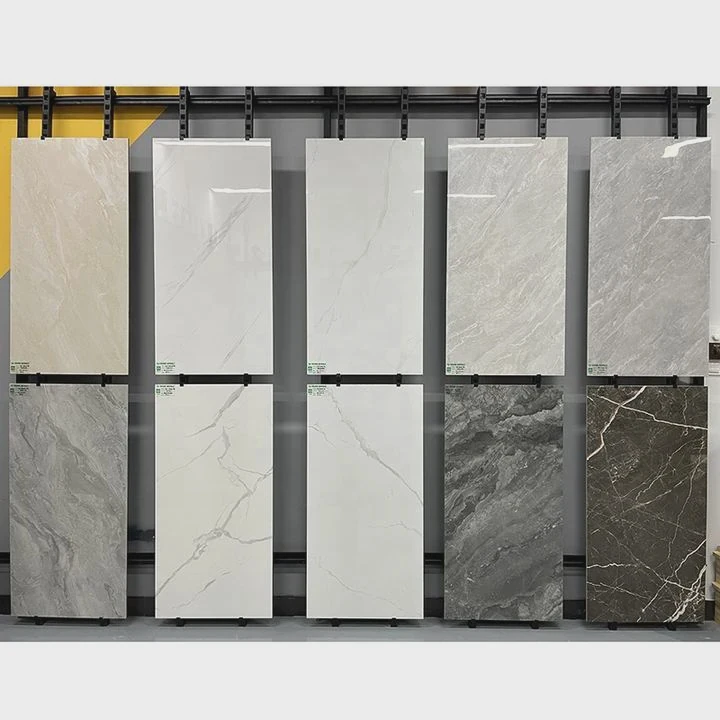
Many tile installations look unfinished because exposed tile edges remain visible. Poor edge treatment can reduce both the appearance and durability of an otherwise beautiful tile project.
To apply tile trim, select the appropriate trim type, measure and cut accurately, install the trim before setting adjacent tiles, and ensure proper alignment throughout the installation. Tile trim protects edges while creating a clean and professional finish.
Tile trim is often a small detail, but it has a major impact on the final appearance of walls, floors, backsplashes, and other tiled surfaces. Understanding when and how to use trim helps create a polished and long-lasting installation.
What Types of Tile Trim Are Available for Edges?
Many people think tile trim is only a decorative accessory. In reality, different trim profiles serve specific purposes and can significantly affect both performance and design.
Several types of tile trim are available, including metal trim, PVC trim, bullnose trim, square-edge trim, round-edge trim, and transition profiles. Each option offers different benefits depending on the project requirements.
Choosing the right trim starts with understanding the available options.
Common Tile Trim Materials
Different materials offer different levels of durability, appearance, and cost.
| Trim Material | Typical Application |
|---|---|
| Aluminum | Walls, bathrooms, kitchens |
| Stainless Steel | Commercial and high-traffic areas |
| PVC | Budget-friendly residential projects |
| Brass | Luxury and decorative applications |
| Ceramic Bullnose | Matching tile collections |
Each material serves a specific purpose depending on project conditions.
Metal Tile Trim
Metal trims have become increasingly popular in modern designs.
Aluminum Trim
Aluminum offers:
- Lightweight construction
- Corrosion resistance
- Modern appearance
- Affordable pricing
Many residential projects use aluminum because it balances cost and performance.
Stainless Steel Trim
Stainless steel provides:
- Exceptional durability
- High impact resistance
- Premium appearance
- Long service life
Commercial spaces often choose stainless steel because of its strength.
PVC Tile Trim
PVC trim remains a popular option for cost-sensitive projects.
Advantages include:
- Low cost
- Easy cutting
- Moisture resistance
- Wide color selection
PVC works well in many residential applications but may not provide the same premium appearance as metal trims.
Bullnose Tile Trim
Bullnose pieces are specially manufactured tiles with rounded edges.
Benefits include:
- Matching tile appearance
- Smooth edge transitions
- Traditional design style
Many ceramic and porcelain collections include coordinating bullnose options.
Profile Shapes
Tile trims are available in various shapes.
Square-Edge Profiles
Square profiles create:
- Sharp lines
- Contemporary aesthetics
- Clean transitions
Round-Edge Profiles
Round profiles provide:
- Softer appearance
- Safer exposed corners
- Traditional styling
Transition Profiles
Transition trims connect different flooring materials.
Examples include:
- Tile to wood
- Tile to vinyl
- Tile to carpet
Choosing the Right Trim
Several factors influence trim selection.
Location
Wet areas often benefit from corrosion-resistant materials.
Design Style
Modern interiors frequently use metal profiles, while traditional designs may favor bullnose finishes.
Budget
Project budgets often determine material selection.
The right trim should complement the tile while providing adequate protection. A well-selected trim profile can elevate the appearance of an entire installation without dramatically increasing project costs.
How Do You Install Tile Trim Correctly?
Even high-quality trim can look poor if installed incorrectly. Proper installation ensures that the trim functions effectively and blends seamlessly with the tile surface.
Tile trim is installed by measuring accurately, cutting to size, embedding the anchoring leg into tile adhesive, aligning carefully, and setting adjacent tiles flush with the trim profile.
Correct installation begins long before the first trim piece is attached.
Gather Necessary Tools
Before starting, prepare the required equipment.
Common tools include:
- Tape measure
- Tile cutter
- Miter saw
- Level
- Trowel
- Tile spacers
- Safety equipment
Proper preparation reduces installation errors.
Measure Carefully
Accurate measurements are critical.
Measure:
- Overall edge length
- Corner locations
- Transition points
Double-check all dimensions before cutting.
Cut the Trim Properly
Different trim materials require different cutting methods.
| Trim Material | Recommended Tool |
|---|---|
| Aluminum | Fine-tooth saw |
| Stainless Steel | Metal cutting blade |
| PVC | Utility knife or saw |
| Brass | Fine metal blade |
Clean cuts improve the final appearance significantly.
Apply Tile Adhesive
Spread adhesive using the appropriate trowel size.
The adhesive should provide enough coverage to:
- Support the trim
- Bond adjacent tiles
- Maintain alignment
Uneven adhesive application can cause installation problems later.
Embed the Trim Anchor Leg
Most trim profiles include a perforated anchoring leg.
The process generally follows these steps:
- Apply adhesive.
- Press trim into the adhesive.
- Ensure full contact.
- Check alignment.
The anchoring leg should sit securely within the mortar bed.
Install Adjacent Tiles
Place tiles directly beside the trim profile.
Important considerations include:
Maintain Consistent Height
Tile surfaces should align closely with the trim edge.
Use Tile Spacers
Spacers help maintain even grout joints.
Check Alignment Frequently
Use a level and straight edge throughout installation.
Managing Corners
Corners often require special attention.
Mitered Corners
Many installers cut trim at 45-degree angles for a clean corner finish.
Prefabricated Corner Pieces
Some trim systems offer factory-made corner accessories.
These pieces simplify installation and improve consistency.
Common Installation Mistakes
Several errors appear repeatedly in tile projects.
Incorrect Trim Height
Trim should match tile thickness.
A profile that is too high or too low creates an uneven appearance.
Poor Adhesive Coverage
Insufficient mortar can weaken support.
Misalignment
Even small alignment issues become noticeable after grouting.
Why Precision Matters
Tile trim serves as a highly visible finishing detail.
Careful installation creates:
- Clean edges
- Smooth transitions
- Professional appearance
- Long-term durability
Many experienced installers spend extra time aligning trim because small adjustments during installation can dramatically improve the finished project.
Where Should Tile Trim Be Placed During Installation?
Many installers know how to apply trim but are unsure where it should be used. Strategic placement helps protect vulnerable areas and creates a more polished design.
Tile trim should be placed wherever exposed tile edges, corners, transitions, or termination points occur. Common locations include backsplashes, shower edges, wall corners, stair edges, and flooring transitions.
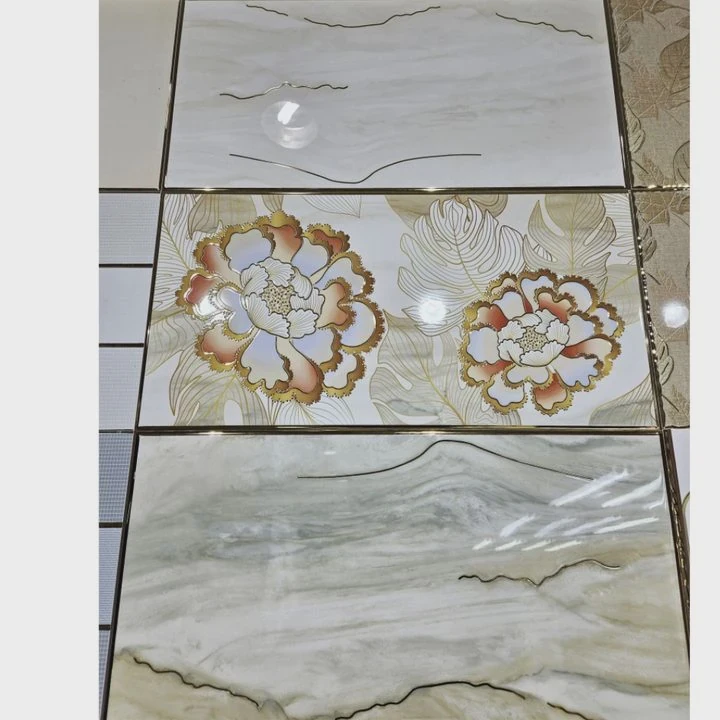
Proper placement ensures both protection and visual consistency.
Exposed Tile Edges
Exposed edges are the most common location for trim.
Examples include:
- Kitchen backsplashes
- Feature walls
- Half-height walls
- Decorative panels
Trim creates a finished edge while protecting the tile.
Outside Wall Corners
Outside corners are vulnerable to impact damage.
Without protection:
- Tile edges may chip
- Corners may crack
- Repairs can become expensive
Trim profiles help absorb everyday impacts.
Shower and Bathroom Installations
Bathrooms contain many exposed tile edges.
Common trim locations include:
Shower Entrances
Trim creates clean transitions between tiled and non-tiled areas.
Niche Edges
Shower niches often benefit from trim protection.
Bench Edges
Built-in seating areas experience frequent use and benefit from reinforced edges.
Floor Transitions
Tile frequently meets other flooring materials.
Examples include:
| Transition Type | Recommended Trim Use |
|---|---|
| Tile to Wood | Transition profile |
| Tile to Carpet | Edge profile |
| Tile to Vinyl | Reducer profile |
| Tile to Concrete | Finishing profile |
Proper transitions improve both appearance and safety.
Stair Installations
Stair edges experience concentrated foot traffic.
Trim helps:
- Protect tile edges
- Reduce wear
- Improve visibility
Commercial projects often prioritize durable stair-edge protection.
Window and Door Openings
Window surrounds and door frames often expose tile edges.
Trim helps create:
- Clean borders
- Consistent detailing
- Better moisture protection
Decorative Applications
Trim is not always purely functional.
Many designers use decorative trim to:
- Create visual borders
- Frame accent walls
- Highlight feature areas
Modern metallic finishes have become especially popular for decorative applications.
Planning Placement Before Installation
The best trim locations are usually identified during project planning.
Questions to consider include:
Where Are the Exposed Edges?
Any visible tile edge may require protection.
Which Areas Receive Impact?
High-traffic zones benefit from stronger trim profiles.
What Design Style Is Desired?
Trim selection should support the overall design concept.
Thoughtful trim placement improves both appearance and performance. Rather than treating trim as an afterthought, successful installations incorporate edge protection into the initial design plan.
Does Tile Trim Improve Durability and Appearance?
Some people view tile trim as purely decorative. However, trim often provides practical benefits that extend the life of a tile installation while improving its visual appeal.
Yes, tile trim improves both durability and appearance. It protects exposed edges from chips and cracks, creates clean transitions, enhances design quality, and contributes to a more professional finished look.
Tile trim performs multiple functions simultaneously.
Durability Benefits
Tile edges are often the most vulnerable parts of an installation.
Edge Protection
Exposed tile edges can suffer damage from:
- Foot traffic
- Furniture movement
- Cleaning equipment
- Everyday impacts
Trim creates a protective barrier.
Reduced Chipping
Tile corners are particularly susceptible to chipping.
A protective profile helps shield these areas from direct contact.
Moisture Protection
In wet environments, trim can help manage water exposure.
Benefits include:
- Reduced moisture penetration
- Improved edge sealing
- Better long-term performance
Appearance Benefits
The visual advantages of trim are equally important.
Clean Finishing Lines
Trim provides a clear and intentional edge.
Without trim, exposed tile edges may appear unfinished.
Professional Results
Many high-end projects rely on trim to achieve a polished appearance.
Professional installers frequently use trim because it creates:
- Straight lines
- Consistent details
- Refined transitions
Design Flexibility
Modern trim products come in many finishes.
Popular finishes include:
- Brushed aluminum
- Matte black
- Stainless steel
- Polished chrome
- Brass
These options allow designers to coordinate trim with fixtures and hardware.
Comparing Trimmed and Untrimmed Edges
| Feature | With Tile Trim | Without Tile Trim |
|---|---|---|
| Edge Protection | High | Low |
| Chip Resistance | Better | Limited |
| Finished Appearance | Professional | Basic |
| Transition Quality | Smooth | Less Refined |
| Long-Term Durability | Improved | Reduced |
Value for Residential Projects
Homeowners often appreciate trim because it combines aesthetics and protection.
Common benefits include:
- Improved resale appeal
- Easier maintenance
- Longer-lasting installations
Value for Commercial Projects
Commercial environments typically experience higher traffic levels.
Trim can help reduce:
- Maintenance costs
- Edge repairs
- Premature replacement expenses
Small Detail, Big Impact
Tile trim represents a relatively small portion of most project budgets.
Yet it contributes significantly to:
- Visual quality
- Installation longevity
- User satisfaction
Many successful tile installations stand out because of careful attention to finishing details. Tile trim is one of those details that may seem minor during planning but becomes highly noticeable in the completed project.
Conclusion
Tile trim is an essential finishing component that protects exposed edges while improving the overall appearance of tile installations. By selecting the right trim type, installing it correctly, placing it strategically, and using it where protection is needed most, it is possible to create durable, professional, and visually appealing tiled surfaces.
- Pre: How to Paint Kitchen Tile Backsplash?
- Next: Sorry!