Can I Paint Ceramic Tile?
- Sinotiles
- 2026-04-13
Painting ceramic tile often feels like a quick fix, but many people worry about peeling, cracking, or wasting time. The fear of doing it wrong stops projects before they begin.
Yes, ceramic tile can be painted successfully with proper preparation, the right paint, and correct sealing. The process requires careful cleaning, priming, and curing to achieve a durable, long-lasting finish.
Many projects fail not because painting tile is impossible, but because key steps are skipped. With the right approach, painted tiles can look modern, clean, and cost-effective.
What preparation is required before painting tile?
Old tiles often carry grease, dust, and hidden residue. Skipping prep leads to peeling paint and uneven finishes. Many people underestimate this step.
Proper preparation includes deep cleaning, sanding, repairing damage, and applying a bonding primer. These steps ensure the paint adheres well and creates a smooth, durable surface.
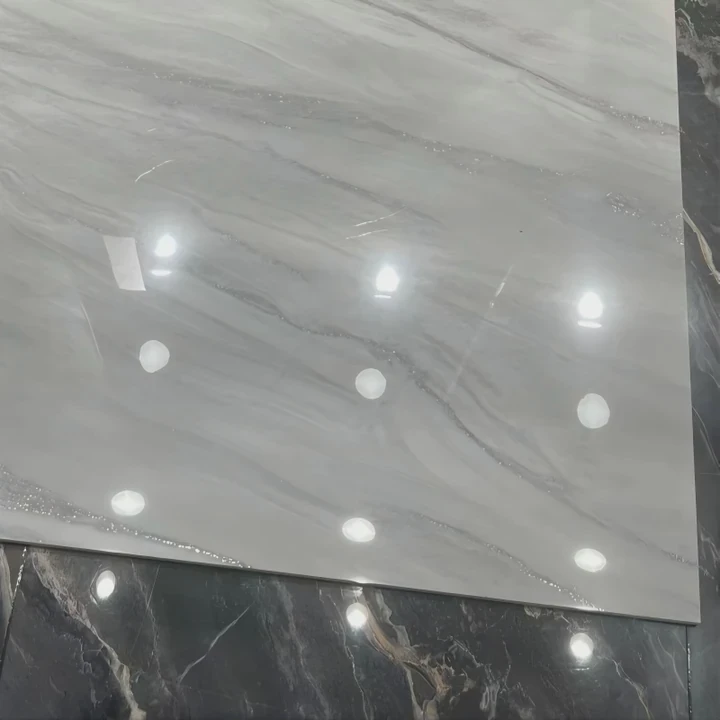
Preparation is the foundation of a successful tile painting project. Every step here directly affects how long the paint will last.
Step-by-step preparation process
1. Deep cleaning the tile surface
Tiles in kitchens and bathrooms often have oil, soap, and moisture buildup. Regular cleaning is not enough.
- Use a strong degreaser or alkaline cleaner
- Scrub grout lines carefully
- Rinse with clean water
- Let the surface dry completely
If any grease remains, paint will not stick.
2. Repair chips and cracks
Small damages can ruin the final look.
- Fill cracks with tile filler or epoxy
- Sand the repaired area smooth
- Ensure the surface is level
This step is important for both appearance and durability.
3. Sanding for better adhesion
Ceramic tiles are smooth and glossy. Paint cannot grip well without roughening the surface.
- Use 120-220 grit sandpaper
- Sand lightly but evenly
- Focus on removing the shine, not the tile
After sanding, wipe away all dust.
4. Apply bonding primer
Primer is not optional. It acts as a bridge between tile and paint.
- Use a high-adhesion primer
- Apply evenly with a roller or brush
- Allow full drying time
Without primer, even the best paint may fail.
Common preparation mistakes
| Mistake | Result | Solution |
|---|---|---|
| Skipping cleaning | Paint peels quickly | Use strong degreaser |
| No sanding | Poor adhesion | Lightly sand surface |
| Ignoring cracks | Uneven finish | Fill and smooth |
| No primer | Paint failure | Always prime |
Preparation may take time, but it saves money and prevents rework later.
Which paints adhere best to ceramic surfaces?
Choosing the wrong paint is one of the biggest mistakes. Not all paints work on ceramic tile, even if they claim to.
Epoxy paint, acrylic latex paint with bonding primer, and specialized tile paint adhere best to ceramic surfaces. These options provide strong bonding, moisture resistance, and durability.
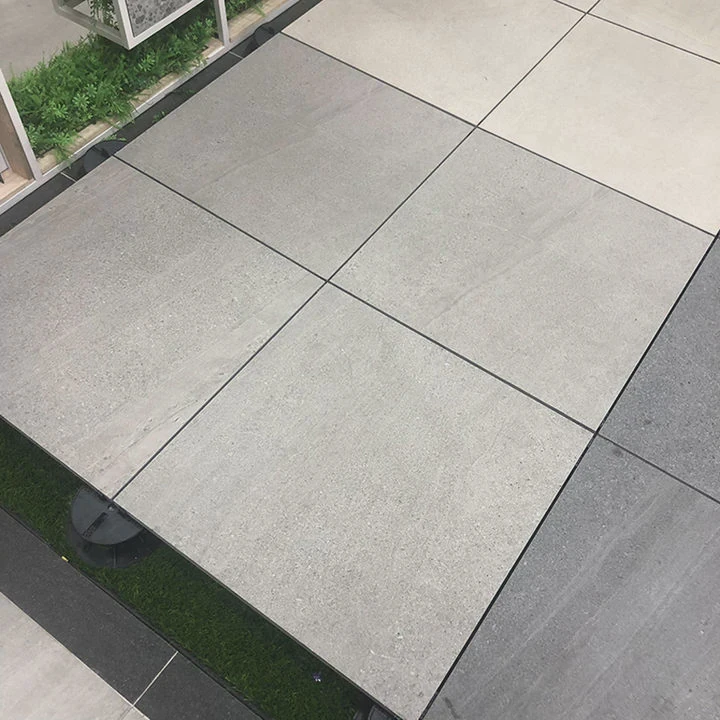
Understanding paint types helps avoid costly failures.
Main types of tile paint
1. Epoxy paint
Epoxy is one of the strongest options.
- Excellent adhesion
- Water-resistant
- Ideal for bathrooms and floors
However, it can be harder to apply and has a strong smell.
2. Acrylic latex paint
This is a popular choice for DIY projects.
- Easy to apply
- Low odor
- Works well with primer
It is best for walls, not heavy-use floors.
3. Tile-specific paint
These are designed for ceramic surfaces.
- Pre-formulated for adhesion
- Often includes built-in sealant
- Good for beginners
They may cost more but simplify the process.
Paint comparison table
| Paint Type | Durability | Ease of Use | Best For |
|---|---|---|---|
| Epoxy | Very high | Medium | Floors, wet areas |
| Acrylic Latex | Medium | Easy | Walls, low traffic |
| Tile Paint | High | Easy | DIY projects |
How to choose the right paint
Several factors affect the decision:
Surface location
- Floors need stronger paint
- Walls allow more flexibility
Moisture exposure
- Bathrooms require waterproof coatings
- Dry areas can use standard paint
Traffic level
- High traffic needs epoxy
- Decorative areas can use acrylic
Using the right paint reduces maintenance and extends lifespan.
How do you ensure long lasting paint finish?
Many painted tiles look good at first but fail after a few months. The issue is not the paint itself, but the process.
A long-lasting paint finish depends on thin layers, proper drying time, controlled environment, and correct curing. Each step strengthens adhesion and durability.
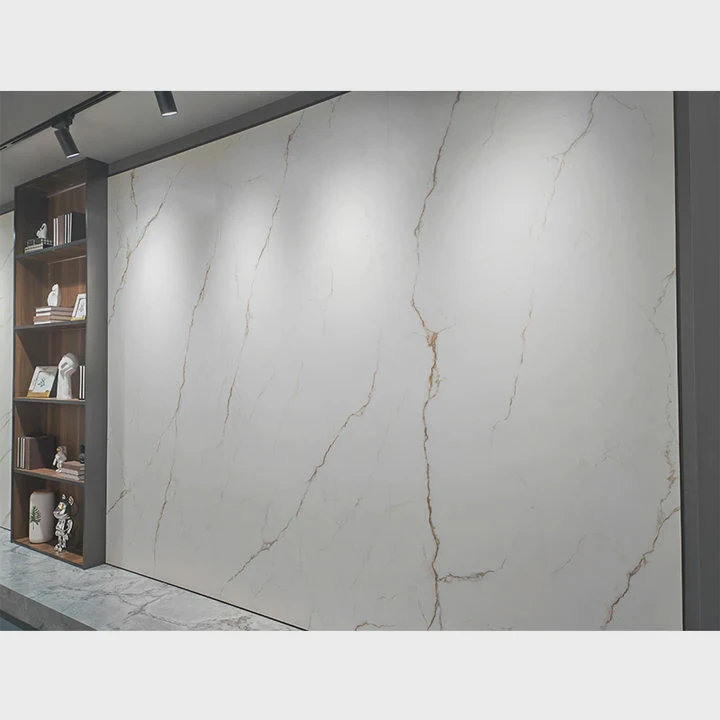
Consistency and patience are key.
Key techniques for durability
1. Apply thin coats
Thick paint layers cause problems.
- Drips and uneven texture
- Longer drying time
- Higher risk of peeling
Apply 2-3 thin coats instead.
2. Respect drying time
Rushing between coats is a common mistake.
- Follow manufacturer guidelines
- Allow full drying before next layer
Drying is not the same as curing.
3. Control environment
Temperature and humidity matter.
- Avoid painting in high humidity
- Ideal temperature: 15-30°C
- Ensure good ventilation
Poor conditions weaken paint performance.
4. Use proper tools
Tools affect finish quality.
- Foam rollers for smooth surfaces
- Soft brushes for edges
- Avoid cheap tools that leave marks
Curing vs drying
Many people misunderstand this difference.
| Stage | Time | Importance |
|---|---|---|
| Drying | Hours | Surface feels dry |
| Curing | Days to weeks | Full hardness and durability |
Tiles should not be heavily used until curing is complete.
Additional tips for longevity
Avoid early use
Walking on painted tiles too soon damages the surface.
Clean gently
Use mild cleaners after painting.
Avoid harsh chemicals
Strong chemicals can break down paint.
These small habits extend the life of painted tiles significantly.
When should sealing be applied after painting?
Sealing is often overlooked, but it plays a major role in protecting painted tiles. Without it, paint wears out faster.
Sealing should be applied after the final paint coat has fully dried, usually after 24-72 hours, depending on the paint type. It protects against moisture, scratches, and stains.
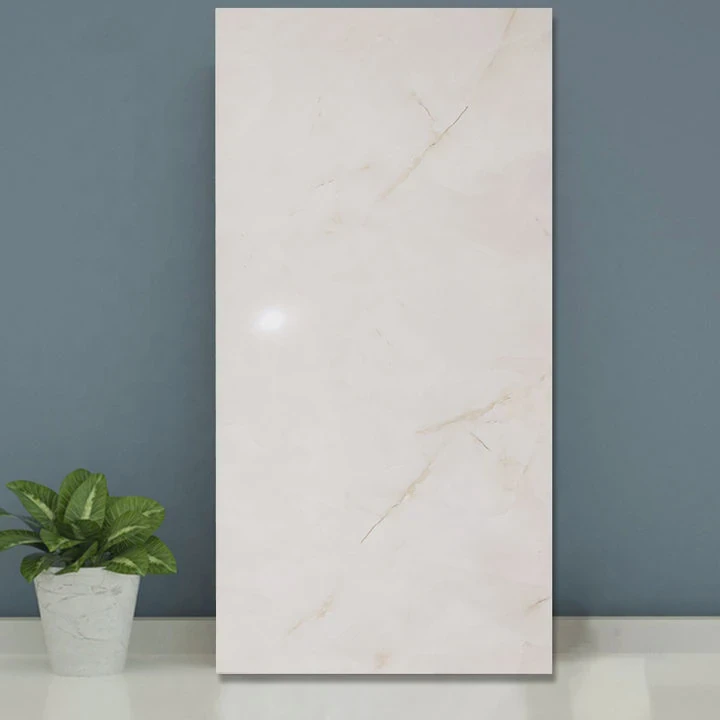
Timing and product choice are both important.
Why sealing is necessary
Paint alone is not always enough.
- Adds a protective layer
- Improves water resistance
- Enhances durability
- Makes cleaning easier
This is especially important in bathrooms and kitchens.
Types of sealers
1. Polyurethane sealer
- Strong protection
- Available in matte or gloss
- Good for floors
2. Acrylic sealer
- Easy to apply
- Fast drying
- Suitable for walls
3. Epoxy-based sealer
- Maximum durability
- Ideal for heavy use
- More complex application
When exactly to seal
Timing depends on paint type.
- Acrylic paint: wait 24-48 hours
- Epoxy paint: wait 48-72 hours
- Always check manufacturer instructions
Applying sealer too early can trap moisture and ruin the finish.
Sealing process steps
- Ensure paint is fully dry
- Clean surface lightly
- Apply thin, even coat
- Allow drying
- Apply second coat if needed
Common sealing mistakes
| Mistake | Result | Fix |
|---|---|---|
| Sealing too early | Bubbling or peeling | Wait full drying time |
| Thick application | Uneven finish | Apply thin coats |
| Wrong sealer type | Poor durability | Match with paint type |
Sealing is the final step that locks in all previous work.
Conclusion
Painting ceramic tile is possible and effective when done correctly. Careful preparation, the right paint, proper technique, and sealing all work together to create a durable and attractive finish.