What Is Rectified Porcelain Tile?
- Sinotiles
- 2026-04-11
Many buyers feel confused when they hear “rectified tile.” The term sounds technical. This confusion often leads to wrong choices and poor installation results.
Rectified porcelain tile is a tile that has been mechanically cut after firing to achieve precise, straight edges and uniform size, allowing for tighter grout joints and a cleaner, modern look.
Understanding this concept helps avoid costly mistakes. It also helps you choose the right tile for different spaces and project needs.
How is rectified tile different from standard tile?
Many people assume all tiles are the same. In reality, small differences in size and edges can create big visual changes after installation.
Rectified tiles are precisely cut after firing to ensure uniform size and sharp edges, while standard tiles may have slight size variations and rounded edges due to the firing process.
The difference starts in the production process. After firing, tiles naturally shrink. This causes slight size variation. Standard tiles are packed as they are. Rectified tiles go through an extra step.
What Happens During Rectification?
Rectification is a mechanical cutting process. Machines trim all edges to exact measurements. This creates perfectly straight lines.
Key Differences at a Glance
| Feature | Rectified Tile | Standard Tile |
|---|---|---|
| Edge shape | Sharp, straight | Slightly rounded |
| Size consistency | Very precise | Minor variations |
| Installation style | Tight joints | Wider grout lines |
| Visual effect | Seamless, modern | Traditional look |
Why This Difference Matters
Even a 1–2 mm variation can affect alignment. Over a large area, this becomes visible. Lines may look uneven. Grout joints may not align.
Rectified tiles solve this issue. They create a cleaner grid. This is important in modern designs.
Practical Example
In one commercial project, standard tiles caused uneven joints across a lobby floor. After switching to rectified tiles, the layout became sharp and consistent. The visual improvement was clear.
Limitations to Consider
Rectified tiles require better installation skills. The subfloor must be level. Otherwise, uneven edges (lippage) can appear.
So, while rectified tiles offer precision, they also demand higher installation standards.
Why are edges precisely cut on porcelain tiles?
Some buyers wonder why manufacturers add this extra step. It increases cost. So what is the real benefit?
Edges are precisely cut to ensure uniform dimensions, improve alignment during installation, and create a clean, seamless appearance with minimal grout lines.
The purpose is both visual and functional.
Visual Benefits
Sharp edges allow tiles to sit closer together. This reduces visible grout. The result looks like a continuous surface.
This is especially important for:
- Marble-look tiles
- Large format tiles
- Minimalist interiors
Functional Benefits
Precise edges also improve installation accuracy.
Better Alignment
Tiles line up perfectly. This reduces gaps and misalignment.
Easier Planning
Installers can follow straight grid lines. This speeds up work.
Consistent Spacing
Uniform edges allow even grout joints across the surface.
Production Perspective
From a factory point of view, rectification adds:
- Additional machinery
- Higher precision control
- Extra quality inspection
This increases cost. However, it also increases product value.
When Precision Is Necessary
Not every project needs rectified tiles. But in high-end spaces, precision is expected.
Examples include:
- Hotels
- Shopping malls
- Showrooms
In these places, visual detail matters.
A Real Scenario
A client once selected non-rectified tiles for a luxury showroom to save cost. After installation, the uneven joints reduced the premium feel. The tiles were later replaced.
This shows that edge precision is not just a technical detail. It directly affects perceived quality.
Where is rectified porcelain tile commonly used?
Choosing the right tile depends on the space. Rectified tiles are not always necessary, but they are ideal in certain applications.
Rectified porcelain tiles are commonly used in modern residential and commercial spaces, especially where a seamless and high-end appearance is desired.
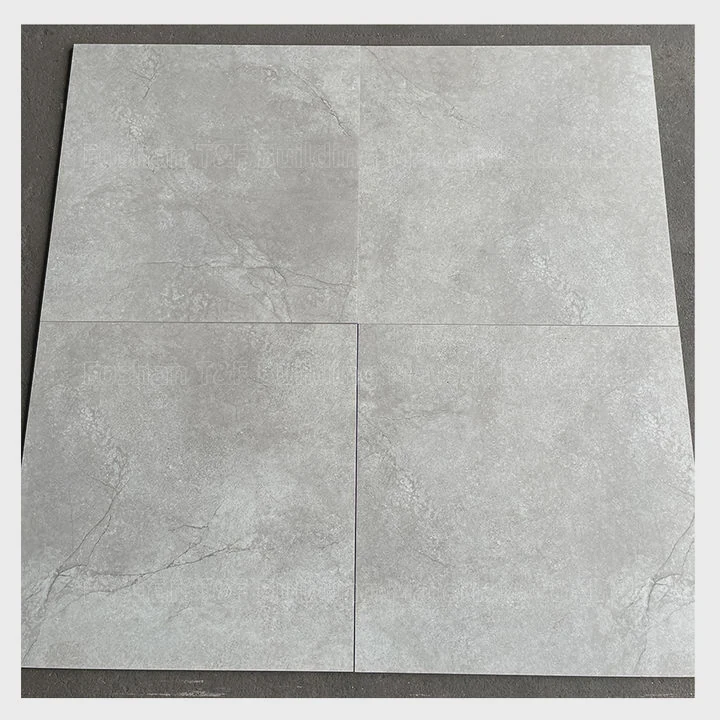
Their clean look fits modern design trends.
Common Application Areas
Residential Spaces
- Living rooms
- Open kitchens
- Bathrooms
- Hallways
Commercial Spaces
- Retail stores
- Office buildings
- Hotels
- Airports
Why These Spaces?
These areas benefit from:
- Visual continuity
- Clean lines
- Easy maintenance
Large open areas especially benefit from fewer grout lines.
Design Compatibility
Rectified tiles work well with:
| Design Style | Suitability |
|---|---|
| Modern | Excellent |
| Minimalist | Excellent |
| Industrial | Good |
| Classic | Moderate |
| Rustic | Less ideal |
Large Format Advantage
Rectified tiles are often used in large sizes like:
- 600×1200 mm
- 750×1500 mm
- 900×1800 mm
Large tiles combined with tight joints create a “slab effect.” This makes spaces look bigger and more open.
Project Insight
In large commercial projects, fewer grout lines also mean easier cleaning. This reduces maintenance costs over time.
When Not to Use
Rectified tiles may not be ideal for:
- Uneven surfaces
- Outdoor areas with movement
- Low-budget projects
In these cases, standard tiles may perform better.
Can rectified tiles reduce grout joint size?
Many buyers want a seamless look. They ask if grout lines can be minimized.
Yes, rectified tiles can reduce grout joint size because their precise edges allow tighter spacing, often as small as 1–2 mm, compared to wider joints in standard tiles.
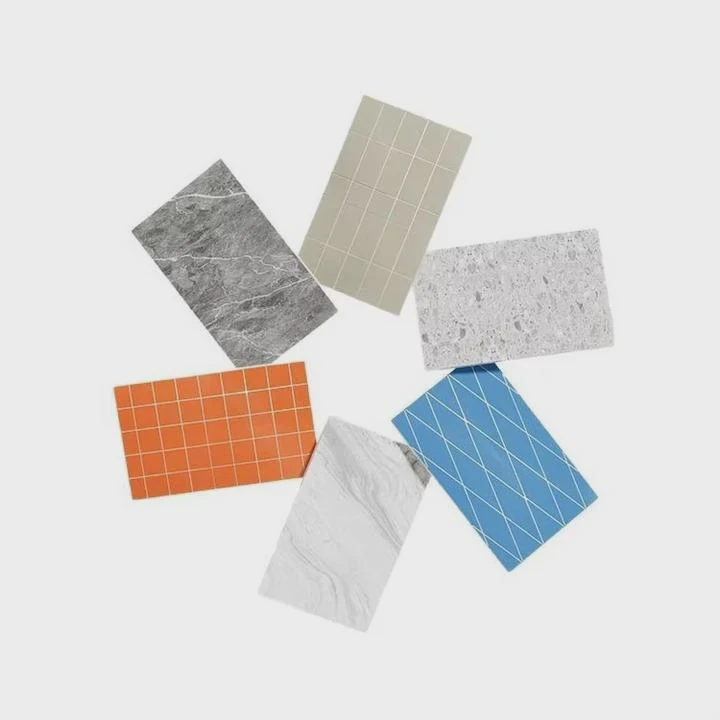
This is one of the main reasons people choose rectified tiles.
Typical Grout Joint Sizes
| Tile Type | Recommended Joint Size |
|---|---|
| Rectified tile | 1–2 mm |
| Standard tile | 3–5 mm |
Why Smaller Joints Matter
Visual Impact
Smaller joints create a continuous surface. This enhances the design.
Easier Cleaning
Less grout means less dirt accumulation.
Modern Aesthetic
Thin lines match modern design trends.
Important Installation Notes
Even with rectified tiles, zero grout is not recommended.
Why Not Zero Joint?
Tiles expand and contract. Without grout space:
- Tiles may crack
- Edges may chip
- Installation may fail
Best Practice
Installers should:
- Use leveling systems
- Ensure flat substrate
- Maintain consistent spacing
Real Experience
In one project, a client requested almost invisible joints. The installer used proper leveling tools and achieved a clean finish with 1.5 mm joints. The result looked like a continuous stone surface.
Balance Between Beauty and Function
While smaller joints look better, durability still matters. A balance must be maintained.
Conclusion
Rectified porcelain tiles offer precise edges, tighter joints, and a modern look. They improve visual quality but require better installation and planning to achieve the best results.