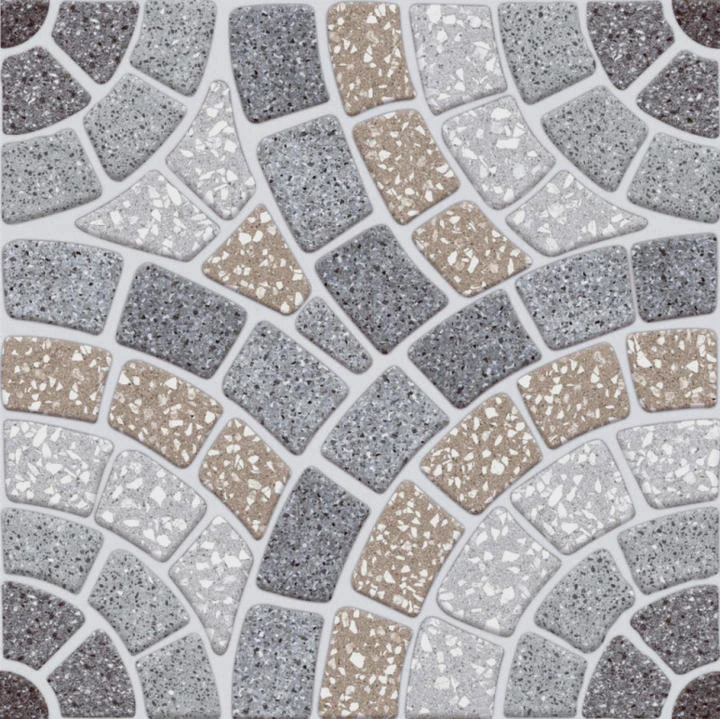
Can I Walk on Tile After 6 Hours?
- Sinotiles
- 2026-04-01

Installing tiles feels simple, but timing mistakes can ruin everything. Many people rush to step on fresh tiles too soon, which leads to hidden damage and costly repairs.
No, walking on tile after 6 hours is usually not safe. Most tile mortar needs at least 24 hours to cure properly before any foot traffic. Early pressure can shift tiles and weaken adhesion.
Many people underestimate how important curing time is. This guide breaks down what really happens after installation and how to avoid common mistakes.
Why does curing time matter for tile installation?
Fresh tiles may look solid, but beneath them the mortar is still soft and unstable. Walking too early can silently damage the entire installation.
Curing time matters because tile adhesive needs time to harden and bond properly. Without full curing, tiles can shift, loosen, or crack over time.
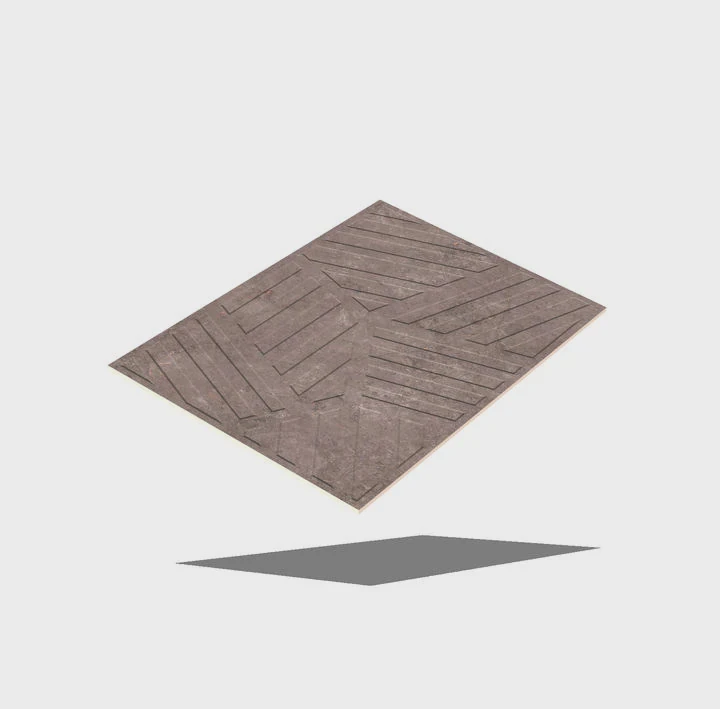
Tile installation is not just about placing tiles on the floor. It is a chemical process. Mortar or thin-set adhesive goes through hydration. This means it reacts with water and slowly becomes hard and strong.
What happens during curing?
When tiles are first installed, the mortar is wet and flexible. Over time, it begins to stiffen. This process includes several stages:
1. Initial set (0–6 hours)
- Mortar starts to hold tiles in place
- Still soft underneath
- Easily disturbed
2. Intermediate curing (6–24 hours)
- Surface feels firm
- Internal structure still developing
- Movement can break bonds
3. Full curing (24–72 hours)
- Mortar reaches most of its strength
- Tiles are securely bonded
Why rushing causes problems
Walking on tiles too early interrupts the bonding process. Even slight pressure can:
- Create air gaps under tiles
- Shift alignment
- Cause uneven surfaces
These problems may not show immediately. But over time, they lead to:
- Hollow sounds when tapped
- Cracked grout lines
- Loose tiles
Factors that affect curing time
Not all installations cure at the same speed. Several factors matter:
| Factor | Impact on Curing Time |
|---|---|
| Temperature | Cold slows curing |
| Humidity | High humidity delays drying |
| Tile size | Larger tiles need longer |
| Mortar type | Fast-set vs standard |
| Subfloor type | Porous surfaces cure faster |
From experience, many project issues come from ignoring these details. A floor may look finished, but the structure underneath is not ready.
How long should mortar set before foot traffic?
It is tempting to step on new tiles quickly, especially during tight project timelines. But proper waiting time is critical.
Most mortar requires at least 24 hours before light foot traffic. For heavy use, 48 to 72 hours is safer.
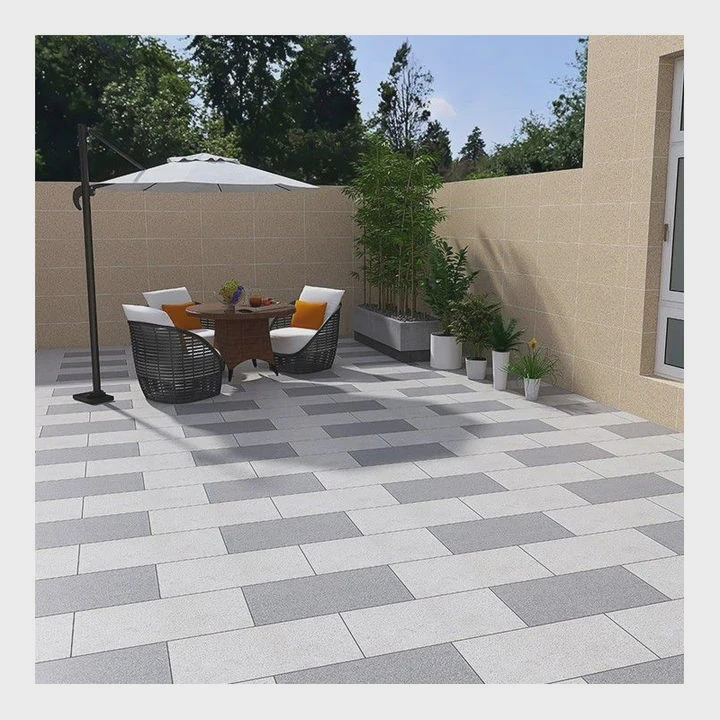
Standard waiting guidelines
Different mortars have different curing speeds. Here is a simple reference:
| Mortar Type | Light Traffic | Full Use |
|---|---|---|
| Standard thin-set | 24 hours | 48–72 hours |
| Fast-setting | 6–12 hours | 24 hours |
| Large tile mortar | 24–48 hours | 72 hours |
Why 6 hours is not enough
After 6 hours, tiles may feel solid on the surface. But this is misleading. The bottom layer is still weak.
Walking at this stage can:
- Break the bond between tile and mortar
- Cause micro-movements
- Reduce long-term durability
Real-world scenario
In one project, a client allowed workers to walk on tiles after only 8 hours. The floor looked fine at first. After a few weeks, tiles started to sound hollow and grout began cracking.
The issue was not visible immediately. But the internal structure had already failed.
When fast-setting mortar works
Fast-setting adhesives are designed for quick projects. But they still require careful handling.
Even with fast-set mortar:
- Avoid heavy loads early
- Wait at least 6–12 hours for light walking
- Follow manufacturer instructions strictly
Skipping these steps risks the entire installation.
What risks occur if tiles are disturbed early?
Many problems caused by early walking are not visible right away. They appear later and are often expensive to fix.
Walking on tiles too early can cause shifting, weak bonding, cracks, and long-term structural failure.
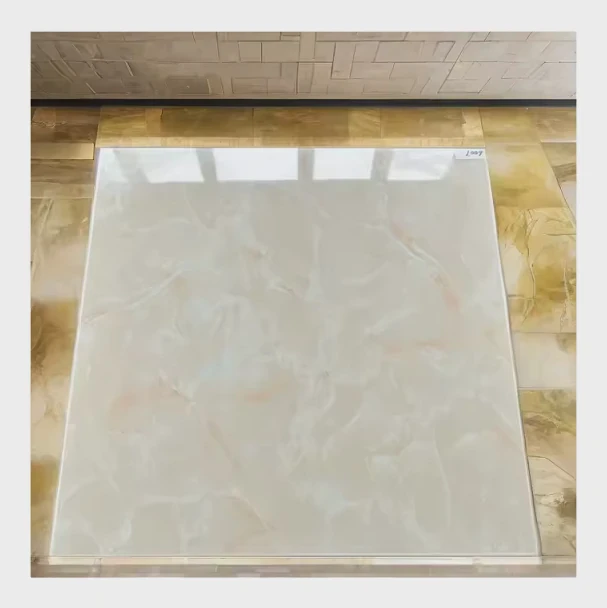
Common risks
1. Tile movement
Even slight pressure can shift tiles out of position. This leads to:
- Uneven spacing
- Misaligned patterns
2. Weak adhesion
When mortar is disturbed before curing:
- Bond strength drops
- Tiles may detach over time
3. Hollow tiles
Air gaps form under tiles, causing:
- Hollow sounds when tapped
- Reduced load capacity
4. Cracked grout
Movement affects grout lines:
- Cracks appear early
- Water can penetrate
Long-term consequences
The biggest issue is that damage builds slowly. Problems may appear weeks or months later.
| Problem | Cause | Result |
|---|---|---|
| Loose tiles | Broken bond | Tiles lift or fall off |
| Cracked surface | Uneven pressure | Structural weakness |
| Water damage | Open grout joints | Mold and deterioration |
Why repairs are costly
Fixing early mistakes often means:
- Removing tiles
- Reapplying mortar
- Reinstalling entire sections
This costs far more than waiting an extra day.
From practical experience, prevention is always cheaper than repair. A simple delay can save a full project redo.
When is it safe to resume normal use?
Knowing the right time to use the tiled surface is key to ensuring durability and performance.
It is safe to resume normal use after 48–72 hours, depending on mortar type, environment, and tile size.

Safe usage timeline
Here is a general guideline:
- 0–24 hours: No walking
- 24 hours: Light foot traffic only
- 48 hours: Moderate use
- 72 hours: Full use and heavy loads
Signs tiles are ready
Before using the surface, check:
- Tiles feel solid with no movement
- No hollow sounds when tapped
- Grout is firm and dry
Special situations
Large-format tiles
These require more time because:
- They cover more surface area
- Mortar dries slower underneath
Outdoor installations
Weather plays a big role:
- Rain slows curing
- Heat can speed drying but cause cracks
Commercial projects
For heavy traffic areas:
- Wait at least 72 hours
- Use protective coverings if needed
Practical advice
To ensure the best results:
- Always follow mortar manufacturer instructions
- Avoid rushing timelines
- Use warning signs to prevent early walking
In real projects, discipline during curing makes a huge difference. A well-cured floor can last years without issues.
Conclusion
Walking on tile after 6 hours is risky and often leads to hidden damage. Waiting at least 24–48 hours ensures strong bonding, better durability, and fewer costly repairs in the future.