How to Replace Shower Tile?
- Sinotiles
- 2026-04-01
A damaged shower tile can lead to leaks, mold, and costly repairs. Many people ignore small cracks until the problem spreads and becomes harder to fix.
Replacing shower tiles requires removing old tiles, preparing the surface, installing new tiles with adhesive, and sealing everything properly to prevent water damage.
This process may look complex at first. However, when each step is clear, the job becomes manageable and even rewarding. Let’s break it down step by step.
What steps are required to replace shower tiles?
A worn-out shower can ruin the whole bathroom look. Water damage can also spread behind the walls if tiles are not replaced in time.
The main steps include removing old tiles, repairing the substrate, applying waterproofing, installing new tiles, and finishing with grout and sealant.
Replacing shower tiles follows a clear process. Each step must be done carefully to ensure durability and waterproof performance.
Step-by-Step Overview
| Step | Description | Key Focus |
|---|---|---|
| 1 | Remove old tiles | Avoid damaging wall base |
| 2 | Inspect substrate | Check for mold or cracks |
| 3 | Apply waterproofing | Prevent leaks |
| 4 | Install new tiles | Proper alignment |
| 5 | Grout and seal | Final protection |
Surface Preparation Matters Most
Many people rush into tiling without checking the base. This creates long-term problems. The wall behind the tiles must be clean, dry, and stable. If there is mold or water damage, it must be fixed first.
A cement backer board is often used as a strong base. It resists moisture better than drywall. If the old surface is weak, replacing it is necessary before installing new tiles.
Tile Layout Planning
Before placing tiles, it helps to plan the layout. This avoids uneven cuts and poor alignment. Dry-lay the tiles on the floor to see how they fit. Adjust spacing if needed.
Use spacers to keep lines straight. This creates a professional look. Also, start tiling from the center or a visible edge for better symmetry.
Adhesive Application
Tile adhesive must be spread evenly. A notched trowel helps control thickness. If adhesive is too thick or thin, tiles may not bond well.
Press each tile firmly and check alignment often. Small adjustments during installation save time later.
Final Check
After installation, let the adhesive cure fully. Do not rush to grout. This waiting period ensures tiles stay in place and prevents shifting.
How do you remove damaged tiles safely?
Removing tiles incorrectly can damage the wall underneath. This makes the repair more expensive and time-consuming.
To remove tiles safely, loosen grout first, then carefully pry tiles off using proper tools while protecting the surrounding area.
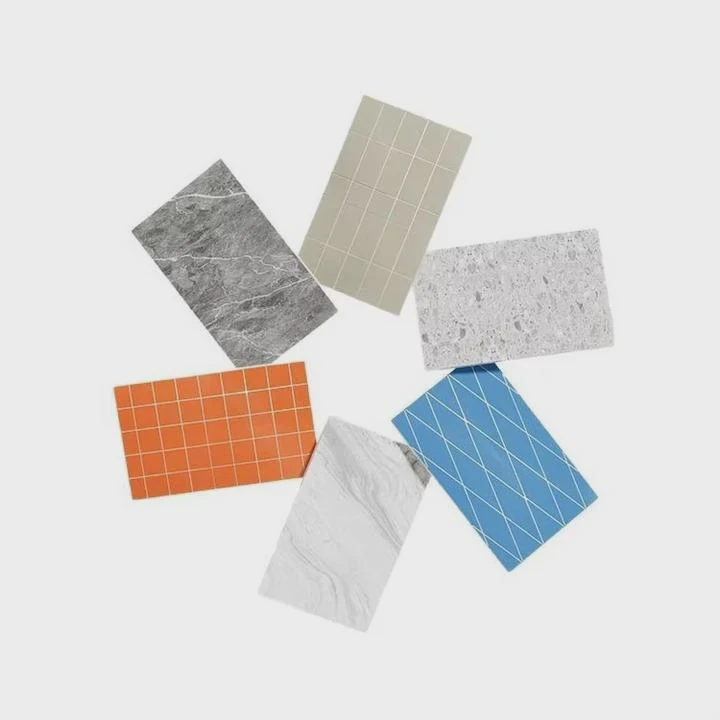
Tile removal requires patience and the right approach. Rushing this step often leads to broken surfaces or injuries.
Tools You Need
| Tool | Purpose |
|---|---|
| Grout saw | Remove grout lines |
| Chisel | Lift tiles |
| Hammer | Apply controlled force |
| Safety goggles | Protect eyes |
| Gloves | Prevent injuries |
Step-by-Step Removal
Start by removing the grout around the damaged tile. This step reduces pressure on nearby tiles. If grout is left in place, surrounding tiles may crack.
Next, place a chisel at the edge of the tile. Tap gently with a hammer. Avoid hitting too hard. The goal is to loosen the tile slowly.
If the tile does not come off easily, break it into smaller pieces. This reduces stress on the wall.
Protect the Substrate
The wall behind the tile is very important. If it gets damaged, installation becomes harder. Always angle tools away from the wall surface.
If some adhesive remains, scrape it off carefully. The surface must be smooth before new tiles are installed.
Safety Considerations
Broken tiles can be sharp. Always wear gloves and eye protection. Small fragments can fly during removal.
Work slowly and keep the area clean. This reduces accidents and improves efficiency.
Which materials ensure waterproof installation?
Waterproofing is the most critical part of a shower tile project. Without it, even the best tiles will fail over time.
Using waterproof membranes, proper adhesives, and high-quality grout ensures a leak-free and long-lasting shower installation.
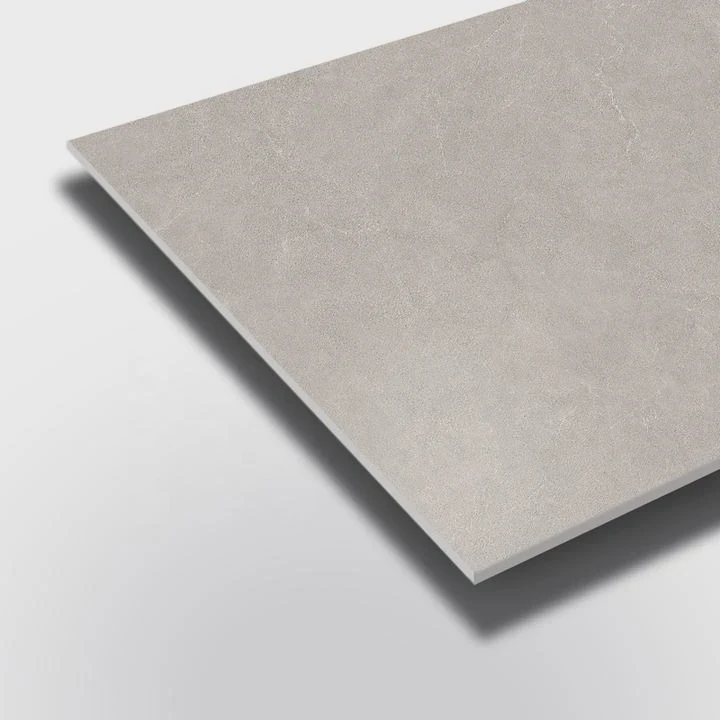
Choosing the right materials makes a big difference. It determines how long the installation will last.
Essential Waterproof Materials
| Material | Function | Benefit |
|---|---|---|
| Waterproof membrane | Barrier layer | Stops water penetration |
| Tile adhesive | Bond tiles | Strong adhesion |
| Cement board | Base layer | Moisture resistant |
| Grout | Fill joints | Adds structure |
| Sealant | Final protection | Prevents leaks |
Waterproof Membrane Options
There are two common types: liquid-applied membranes and sheet membranes.
Liquid membranes are painted onto the surface. They are easy to apply and cover complex shapes well.
Sheet membranes come in rolls. They provide consistent thickness and strong waterproofing. However, installation requires more precision.
Importance of Adhesive Quality
Not all adhesives are suitable for wet areas. Use a waterproof or modified thin-set adhesive. This improves bonding and prevents moisture issues.
Cheap adhesive can fail over time. Tiles may loosen or crack. Investing in quality materials saves money in the long run.
Grout Selection
Grout is not just for looks. It plays a role in water resistance.
Epoxy grout is highly waterproof and stain-resistant. Cement-based grout is more common but needs sealing.
Hidden Risk Areas
Corners and joints are the most vulnerable points. Water often leaks through these areas first. Using proper sealant here is essential.
When should grout and sealant be applied?
Applying grout too early can ruin the entire installation. Timing plays a key role in achieving a durable finish.
Grout should be applied after tile adhesive fully cures, and sealant should be added after grout sets to protect joints and edges.
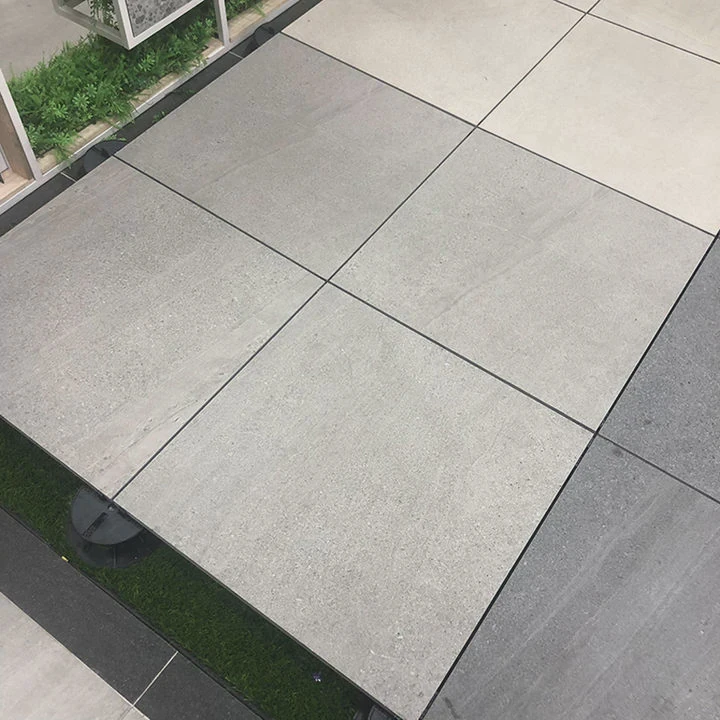
Understanding timing helps avoid common mistakes. Many failures happen because steps are rushed.
Proper Timing Guide
| Stage | Waiting Time | Reason |
|---|---|---|
| After tile installation | 24–48 hours | Adhesive curing |
| Before sealing grout | 24 hours | Grout setting |
| Final use of shower | 48–72 hours | Full curing |
Grouting Process
Once tiles are firmly set, grout can be applied. Spread grout diagonally across joints using a rubber float.
Press grout firmly into gaps. This removes air pockets and improves strength.
After application, wipe excess grout with a damp sponge. Do not use too much water. This can weaken the grout.
Sealant Application
Sealant is used in corners, edges, and joints. These areas move slightly over time. Grout alone may crack here.
Apply sealant smoothly and evenly. A silicone-based sealant works best for wet areas.
Common Mistakes to Avoid
- Grouting too early before adhesive cures
- Using too much water when cleaning grout
- Skipping sealant in corners
- Not allowing enough drying time
Each of these mistakes can lead to cracks, leaks, or mold.
Final Inspection
After everything is dry, inspect the surface. Look for gaps or uneven joints. Fix small issues immediately before using the shower.
Conclusion
Replacing shower tiles is a step-by-step process that requires careful removal, proper materials, and correct timing. When done right, it improves both durability and appearance while preventing future water damage.