Can Tile Be Installed on Drywall?
- Sinotiles
- 2026-05-14
Installing tile over drywall can seem convenient, but it also carries risks if done incorrectly. Many beginners face cracks or detachment issues.
Tile can be installed on drywall, but only in specific conditions and with proper preparation. Success depends on using the right type of drywall, avoiding moisture, and following weight limits for tiles.
Understanding these factors is crucial to prevent costly mistakes and ensure a long-lasting result. Keep reading to know when and how drywall can safely support tile installations.
What conditions allow tile installation on drywall?
Drywall can support tile in certain situations, but there are strict conditions to follow. Thin, lightweight tiles and low-moisture areas are generally acceptable.
Tile can be installed on drywall if the wall is flat, stable, and dry, and the tile is not too heavy. Gypsum drywall for interior walls is usually suitable for small tiles.
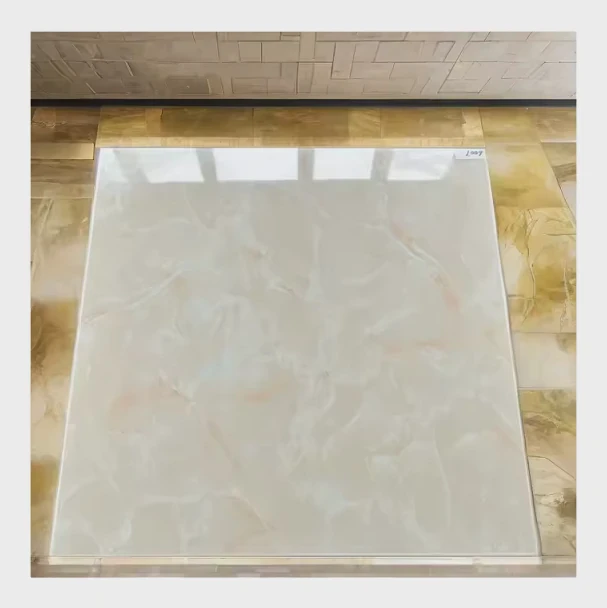
To dive deeper, consider these factors:
Drywall Type and Condition
Not all drywall is created equal. Standard interior drywall works for small ceramic or porcelain tiles up to 8×8 inches. For larger tiles or heavier materials, reinforced or double-layer drywall may be required. Any damaged or uneven drywall must be replaced or repaired. Cracks, dents, or loose sheets can cause tiles to pop off over time.
Tile Weight and Size
Large-format tiles or stone tiles are heavy. Drywall alone often cannot bear their weight, risking sagging or detachment. Lightweight tiles are safer. A rough guideline is: tiles under 1.5 pounds per square foot can work on standard drywall. For anything heavier, a backer board or cement board is preferable.
Surface Preparation
The drywall must be primed, smooth, and free of dust or grease. Sanding imperfections and applying a bonding primer improves adhesion. Proper preparation reduces the chance of tile detachment or grout cracking.
Adhesive Selection
Using high-quality thin-set mortar designed for drywall ensures a strong bond. Standard mastic adhesives are less suitable, especially in humid areas.
Table: Drywall and Tile Compatibility
| Drywall Type | Recommended Tile Type | Maximum Tile Size | Notes |
|---|---|---|---|
| Standard 1⁄2” | Ceramic, Porcelain | Up to 8×8 inches | Low moisture, interior walls |
| Moisture-resistant (greenboard) | Ceramic, Small Porcelain | Up to 6×6 inches | Not for showers or wet areas |
| Double-layer standard drywall | Lightweight stone, Ceramic | Up to 12×12 inches | Interior walls only, ensure secure fastening |
Following these rules allows drywall to act as a temporary substrate. Ignoring them often leads to expensive repairs.
How does moisture affect drywall tile applications?
Moisture is the enemy of drywall when tiling. Drywall swells, weakens, and loses adhesion when exposed to water. Even small leaks can cause tiles to pop off.
Moisture makes drywall unsuitable for wet areas. Any water exposure can damage the wall and the tile, leading to mold and structural problems.
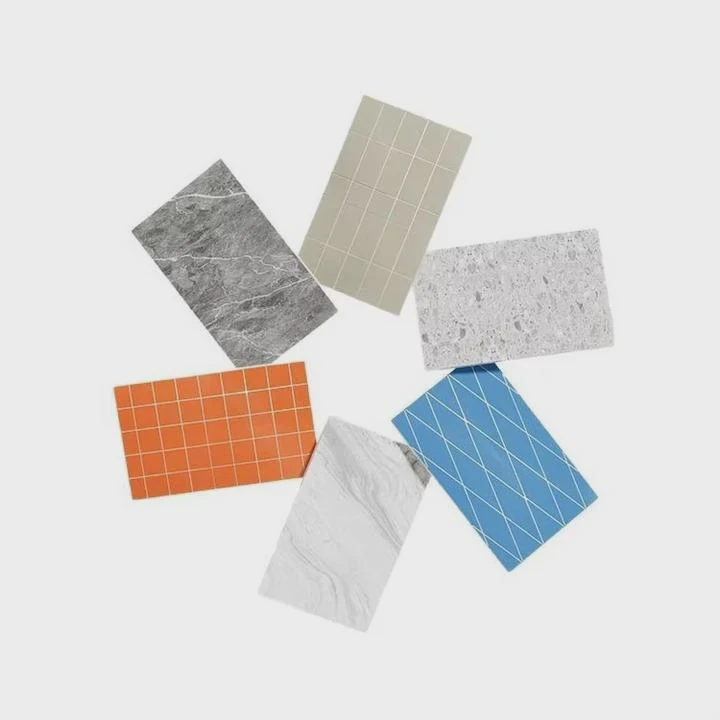
Moisture and Wall Performance
Drywall is porous. Humidity in bathrooms or kitchens can slowly degrade it. Tiles may stick initially, but prolonged moisture can cause bubbling, cracking, and detachment. Even steam from showers can weaken standard drywall over time.
Mold Risk
When water penetrates drywall, mold can develop behind the tiles. Mold not only damages the wall but can affect indoor air quality and health. Moisture-resistant drywall (greenboard) reduces this risk slightly but is still not recommended for full wet zones.
Protecting Drywall
For areas with occasional splashes, using proper waterproofing membranes or sealants can help. However, fully exposed wet areas, like shower walls or backsplashes, should use cement board instead of drywall.
Table: Moisture vs Drywall Tiling
| Area Type | Drywall Risk | Recommendation |
|---|---|---|
| Dry interior wall | Low | Can tile with standard drywall |
| Kitchen backsplash | Moderate | Use moisture-resistant drywall or backer board |
| Bathroom shower | High | Never use drywall; cement board required |
| Laundry room walls | Moderate | Moisture-resistant drywall recommended |
Avoid moisture-prone locations with drywall tiling to ensure durability and reduce repair costs.
Why use backer boards instead of drywall?
Backer boards, like cement boards, are more stable, durable, and water-resistant compared to drywall. They are the standard choice for tiling.
Backer boards provide a secure, moisture-resistant surface, preventing tile detachment, mold, and wall damage.
Benefits of Backer Boards
- Water Resistance: Cement boards do not absorb water, making them perfect for wet areas.
- Stability: They do not flex or sag, ensuring tiles stay fixed over time.
- Durability: Resistant to impact, abrasion, and heavy tiles.
- Ease of Installation: Can be cut to size and directly fastened to studs or existing walls.
Drywall vs Backer Board Comparison
| Feature | Drywall | Backer Board |
|---|---|---|
| Water Resistance | Low | High |
| Tile Adhesion | Moderate | High |
| Suitable for Large Tiles | Limited | Excellent |
| Durability | Low | High |
| Ideal for Wet Areas | No | Yes |
Choosing a backer board eliminates many risks associated with drywall, especially in kitchens, bathrooms, and high-traffic areas. While drywall is cheaper and easier to install, long-term performance favors cement or fiber cement boards.
When to Consider Backer Boards
- Heavy tile installations (marble, large porcelain)
- Shower walls and floors
- High humidity rooms (bathrooms, kitchens)
- Outdoor applications (patios, balcony walls)
Backer boards add a small upfront cost but save major maintenance and replacement costs in the long term.
Which areas are suitable for drywall tiling?
Drywall can support tiles in low-moisture, low-weight, interior applications. It is ideal for decorative walls or small accent areas.
Interior walls away from water, such as living rooms or bedrooms, can use drywall as a tile base. Weight and tile type are key considerations.
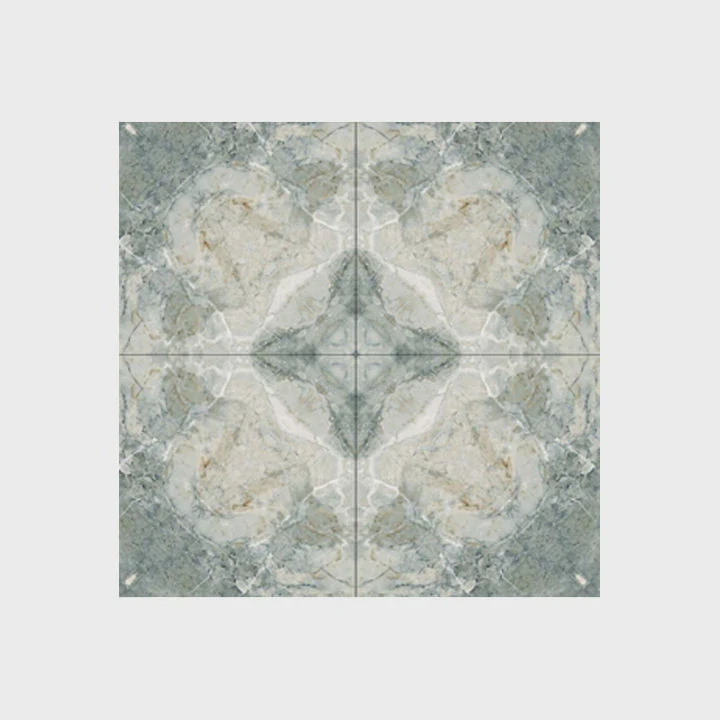
Safe Applications
- Dry interior walls: Accent walls with small ceramic or porcelain tiles.
- Decorative panels: Light mosaic tiles or tile strips.
- Backsplash areas with low moisture: Kitchens or dining walls with occasional splashes, using moisture-resistant drywall.
Risky Applications
Avoid wet or high-use areas:
- Shower walls and floors
- Bathroom backsplashes near sinks
- Laundry rooms or utility walls
- Outdoor walls exposed to rain
Tips for Drywall Tiling
- Use only small tiles (under 8×8 inches) for standard drywall.
- Check for wall flatness; any dips or bumps can affect tile adhesion.
- Always prime the surface and use quality adhesive.
- Avoid drywall in areas prone to water or high humidity.
Table: Drywall Tiling Suitability
| Location | Tile Type | Recommended Drywall | Notes |
|---|---|---|---|
| Living room accent wall | Ceramic, Porcelain | Standard | No moisture exposure |
| Kitchen backsplash | Small ceramic | Moisture-resistant | Avoid direct water streams |
| Bedroom decorative wall | Mosaic | Standard | Interior, dry walls only |
| Bathroom shower | None | N/A | Use cement board instead |
Following these guidelines ensures drywall tiling is safe and long-lasting, while reducing the risk of damage.
Conclusion
Drywall can hold tiles only in dry, low-weight, interior areas. Moisture and heavy tiles are major risks. For wet or heavy installations, backer boards are safer. Proper preparation, priming, and adhesive choice are essential for success.