What is Tile Grout?
- Sinotiles
- 2026-05-14
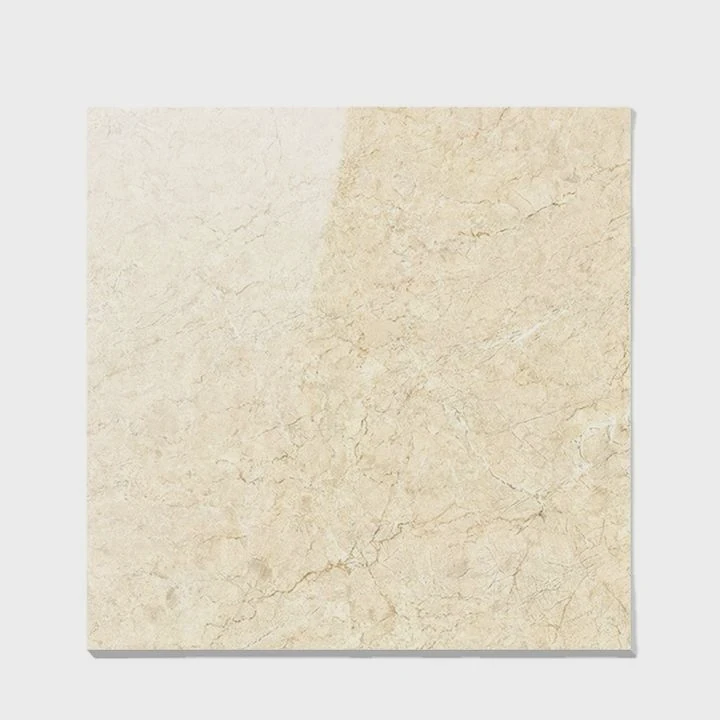
Tile grout is often overlooked, yet it is essential for a durable and beautiful tile installation. Without proper grout, tiles can shift, crack, or collect dirt.
Tile grout is the material that fills the gaps between tiles, sealing the joints and providing stability, water resistance, and an attractive finish. It is available in multiple formulations to suit different tile types and environments.
Grout does more than just fill spaces. It prevents damage, enhances appearance, and can make cleaning easier. Understanding grout is key to successful tiling.
What materials are used in tile grout?
Grout problems can appear if the wrong material is used. Choosing the right grout material prevents cracking and water damage.
Tile grout is commonly made from cement, epoxy, or urethane. Each material offers different benefits for durability, flexibility, and ease of cleaning.
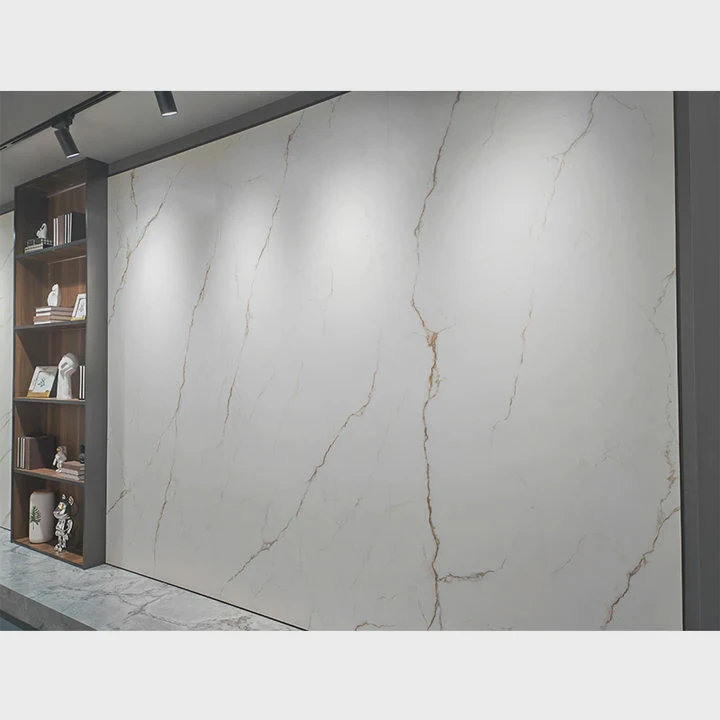
Cement-based grout is the most common and comes in sanded and unsanded forms. Sanded grout contains fine sand that prevents shrinkage and cracking in wider joints, usually over 1⁄8 inch. Unsanded grout is smoother and better for narrow joints under 1⁄8 inch. Cement grout is affordable, easy to work with, and can be colored to match tiles, but it is more porous, so it requires sealing to resist stains and moisture.
Epoxy grout is made from epoxy resins and a filler powder. It is highly durable, stain-resistant, and waterproof. Epoxy grout does not need sealing and is ideal for areas exposed to water or heavy use, like bathrooms and commercial kitchens. It is harder to install because it sets quickly and can be sticky, but it lasts longer than cement grout. Epoxy grout also resists cracking and color fading.
Urethane or hybrid grout blends offer flexibility and ease of use. They are pre-mixed, reduce cracking risk, and resist mold and stains without frequent sealing. These grouts are suitable for both wall and floor tiles and can save installation time. They are softer than epoxy but more durable than cement grout, making them a versatile choice.
Comparison Table of Grout Materials
| Material | Pros | Cons | Best Use |
|---|---|---|---|
| Cement | Affordable, color variety, easy to apply | Porous, needs sealing | Residential floors/walls |
| Epoxy | Waterproof, stain-resistant, durable | Hard to install, sticky | Wet areas, commercial spaces |
| Urethane | Flexible, pre-mixed, mold-resistant | Softer than epoxy | Versatile residential/commercial |
Understanding these materials helps you choose the right grout for your project, balancing cost, durability, and maintenance needs.
How does grout protect tile installations?
Without grout, tile edges can chip, shift, or allow water to seep underneath. Proper grout prevents these issues.
Grout protects tile installations by filling gaps, stabilizing tiles, preventing water infiltration, and resisting stains, helping the installation last longer.
Grout acts as a barrier. Water, dirt, and debris cannot easily enter the joints, reducing the risk of mold or damage beneath the tiles. Cement-based grout needs sealing to maintain this protection. Epoxy grout provides natural water resistance, keeping tiles safe in wet environments.
It also stabilizes tiles. When walking on a tiled floor or placing objects on tiled surfaces, grout distributes pressure evenly. Without grout, tiles may shift, loosen, or crack. The grout also prevents tile edges from chipping when struck, which maintains the appearance and functionality of the installation.
Aesthetics is another key role. Grout outlines tiles, enhances patterns, and can complement or contrast tile colors. Properly filled and colored grout makes the installation look finished and professional. Stained or cracked grout makes a surface look old or poorly installed, even if the tiles are in perfect condition.
Finally, grout makes cleaning easier. Smooth, sealed grout resists stains and mildew, so surfaces stay cleaner longer. Epoxy and urethane grouts are particularly effective in kitchens and bathrooms. Regular maintenance, such as cleaning and resealing cement grout, keeps protection intact and prolongs the life of tiles.
Why are different grout types available?
Not all spaces or tiles have the same needs. Using the wrong grout can cause cracking, staining, or water damage.
Different grout types exist to match tile materials, joint widths, moisture levels, and desired finish, ensuring durability, functionality, and visual appeal.
Tile type and joint width affect grout choice. For ceramic and porcelain tiles, cement grout works well for floors and walls with moderate use. For natural stone like marble or granite, unsanded cement grout is safer to avoid scratching. Large joints over 1⁄8 inch require sanded grout for strength. Narrow joints under 1⁄8 inch need smooth unsanded grout for even filling.
Moisture exposure also matters. Epoxy grout is preferred in wet areas like bathrooms, kitchens, and pools because it is waterproof and resistant to stains. Cement grout can work if sealed properly, but frequent resealing is necessary. Urethane grouts offer a middle ground with easier application and some water resistance.
Color and finish create visual effects. Light-colored grout brightens spaces, while darker shades hide dirt. Matching grout to tiles gives a seamless look, while contrasting colors emphasize tile patterns. Manufacturers also produce grouts with special additives for extra stain resistance or antimicrobial properties, ideal for commercial or high-traffic spaces.
Grout Selection Table by Application
| Application | Recommended Grout | Notes |
|---|---|---|
| Kitchen backsplash | Epoxy or urethane | Stain-resistant, easy cleaning |
| Bathroom floors | Epoxy | Waterproof, mold-resistant |
| Living room floor | Cement sanded | Wide joints, durable |
| Marble walls | Cement unsanded | Prevent scratching |
| Commercial spaces | Epoxy or hybrid | High durability, low maintenance |
Choosing the right grout type ensures your tiles stay functional, beautiful, and easy to maintain for years.
Which grout is best for wet areas?
Wet areas like bathrooms, kitchens, and pools face water infiltration, mold, and staining. Using the wrong grout can ruin tiles quickly.
Epoxy grout is the best choice for wet areas because it is waterproof, stain-resistant, and durable, offering long-lasting protection in high-moisture environments.
Epoxy grout prevents water from seeping between tiles, which protects underlying structures. It is chemically resistant to detergents, shampoos, and cleaning agents, keeping color stable and joints intact. Unlike cement grout, it does not need sealing, saving time and reducing maintenance.
Cement grout can be used in wet areas if sealed. Sealing fills pores and prevents water penetration. However, regular resealing is required, and if the sealant wears off, water can damage tiles or subflooring. Unsanded cement grout is better for narrow joints in showers or small tiles, while sanded cement grout suits larger floor joints.
Urethane or hybrid grouts also work in wet areas. They are easier to apply than epoxy and offer some water and mold resistance. They are suitable for residential bathrooms, showers, or kitchens where moderate water exposure occurs. However, they are not as durable as epoxy in heavily used or commercial wet areas.
Tile type matters too. Porcelain and ceramic tiles are naturally water-resistant, so grout is the main defense against moisture. Stone tiles may absorb water, so grout choice and sealing are even more critical. Choosing the right grout for wet areas extends tile life, reduces maintenance, and keeps surfaces hygienic.
Tips for Wet Area Grouting
- Always choose grout rated for wet areas.
- Use epoxy for high-moisture or commercial applications.
- Seal cement grout regularly if used.
- Keep joints smooth and consistent to prevent water pooling.
- Clean grout surfaces after installation to prevent residue buildup.
Selecting the right grout ensures a safe, durable, and attractive installation, even in the most demanding wet environments.
Conclusion
Tile grout is more than filler. It stabilizes, protects, and beautifies tiles. Choosing the right material and type guarantees durability, prevents damage, and makes maintenance easier.