What Type of Tile Is the Most Durable?
- Sinotiles
- 2026-05-14
Durability is key when choosing tiles, yet many buyers struggle to find the right type for long-lasting use.
The most durable tiles are usually porcelain and natural stone, known for their hardness, resistance to wear, and long lifespan. Selecting the right material ensures your flooring or wall stays intact for years.
Choosing durable tiles can save money and effort in the long run. Let’s explore the options, compare materials, and see how to make a smart choice for any space.
Which materials offer highest tile durability?
Tiles come in many materials, but some handle heavy use far better than others. People often assume all tiles are the same, but differences in composition affect strength.
Porcelain and natural stone, like granite and slate, top the list for durability. These tiles resist scratches, stains, and impact, making them suitable for high-traffic areas.
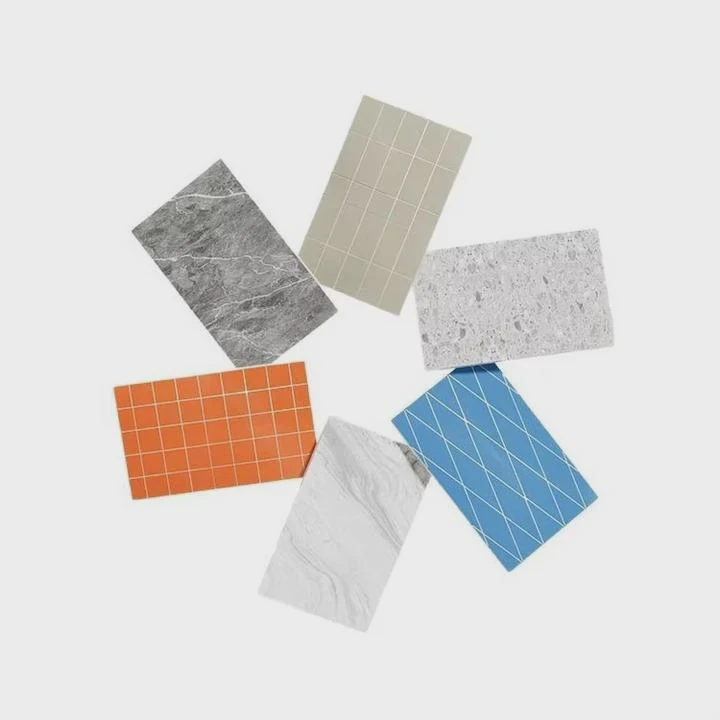
Tiles have different properties. Porcelain is made from fine clay baked at very high temperatures. This process makes it denser and less porous. Natural stone comes from rock, carved and polished for a hard surface. Ceramic tiles are softer and more prone to chipping. Understanding this helps pick the right tile for the space.
Comparing materials
| Material | Durability | Porosity | Best Use Case |
|---|---|---|---|
| Porcelain | Very high | Low | Kitchens, hallways, bathrooms |
| Ceramic | Medium | Medium | Low-traffic rooms |
| Natural stone | Very high | Varies | Outdoor patios, commercial floors |
| Quarry tile | High | Medium | Industrial and commercial kitchens |
Tiles also differ in finish. Glazed tiles have a protective layer that can prevent scratches and stains. Unglazed tiles show wear faster but offer slip resistance. For durability, both material and finish matter.
Even within porcelain or stone, quality varies. Some tiles are pressed denser, fired longer, or polished more finely. Checking specifications ensures you choose the strongest option. Durability also depends on installation. Proper adhesive, grout, and underlayment improve longevity.
Porcelain can resist heavy furniture, constant foot traffic, and moisture. Granite can handle outdoor conditions and acid exposure. Slate is resistant to scratches and heat. Choosing the right material for your needs prevents early damage and frequent replacement.
How does porcelain compare to ceramic tiles?
Many buyers confuse porcelain with ceramic tiles, thinking they are interchangeable. The truth is their durability and performance differ significantly.
Porcelain tiles are generally harder, denser, and more water-resistant than ceramic. This makes porcelain the preferred choice for areas that see moisture, heavy use, or outdoor exposure.
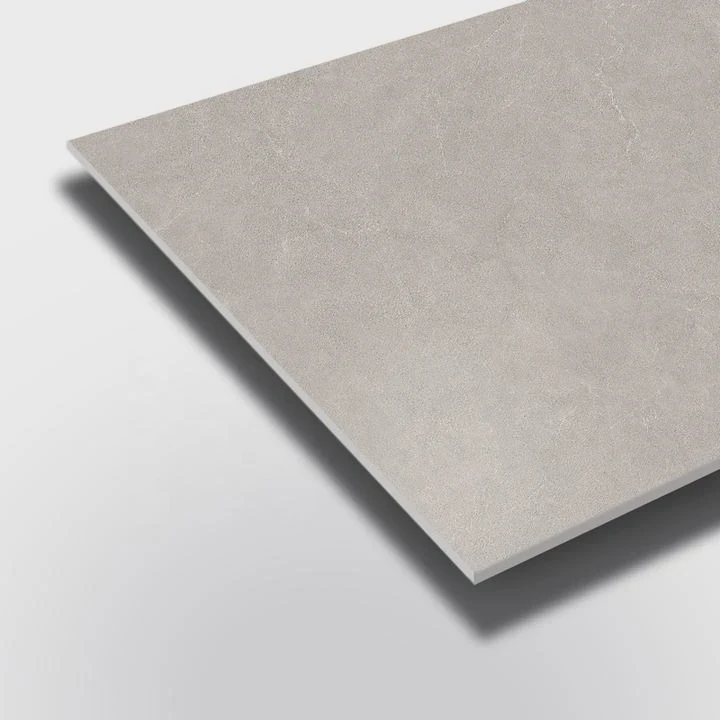
Porcelain and ceramic start similarly. Both use clay fired at high temperatures. Porcelain uses finer clay and is fired longer. This gives it a compact, non-porous structure. Ceramic is more porous and softer. Porcelain withstands scratches, impacts, and temperature changes better.
Key differences between porcelain and ceramic
| Feature | Porcelain | Ceramic |
|---|---|---|
| Density | High | Medium |
| Water absorption | <0.5% | 3-7% |
| Scratch resistance | High | Medium |
| Cost | Higher | Lower |
| Ideal areas | High-traffic, wet areas, outdoors | Low-traffic indoor rooms |
Porcelain tiles also handle freezing temperatures better. Ceramic can crack if water seeps in and freezes. Porcelain’s low porosity prevents this. Maintenance is easier too. Stains and dirt are less likely to penetrate.
Porcelain can mimic natural stone, wood, or even concrete. This allows both aesthetic appeal and durability. Ceramic has more design options but may wear faster in busy areas. Overall, porcelain offers stronger performance, especially for commercial or high-traffic residential spaces.
Why consider wear ratings when choosing tiles?
Selecting a tile only by material is not enough. Wear ratings give a clear guide to how well tiles handle foot traffic.
Wear ratings, often labeled PEI (Porcelain Enamel Institute) ratings, help determine whether a tile can survive light, medium, or heavy traffic. Choosing the right rating prevents premature wear.
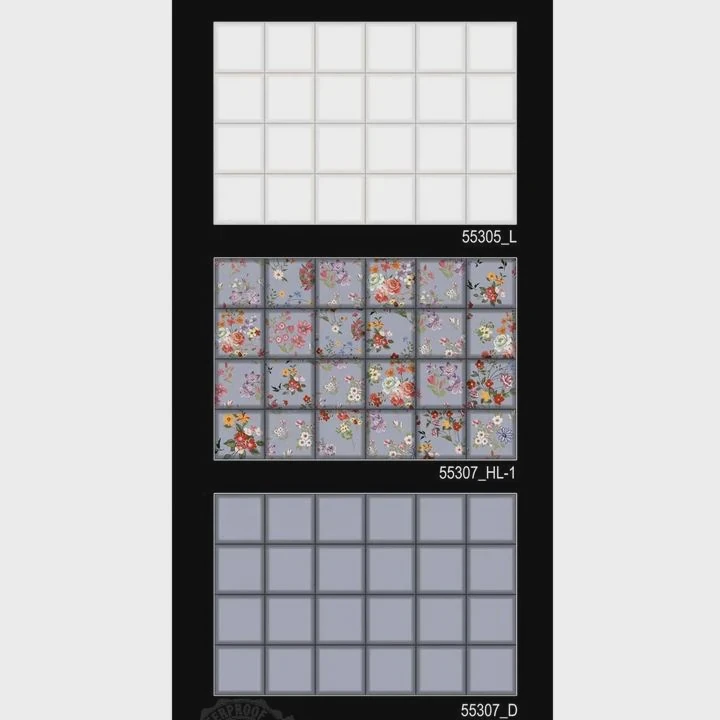
The PEI scale ranges from 1 to 5. Low numbers suit bathrooms or walls with little traffic. High numbers are ideal for hallways, kitchens, or commercial spaces. Ignoring these ratings may cause tiles to dull or chip faster than expected.
PEI rating table
| PEI Rating | Traffic Level | Example Uses |
|---|---|---|
| 1 | Very light | Bathroom walls, decorative surfaces |
| 2 | Light | Bedrooms, residential walls |
| 3 | Moderate | Residential floors, low-traffic hallways |
| 4 | Heavy | Kitchens, entryways, commercial areas |
| 5 | Very heavy | High-traffic commercial floors, malls, airports |
High-traffic areas need higher PEI ratings. Choosing the wrong rating leads to scratches, fading, or cracking. For long-term satisfaction, check both material and wear rating before buying.
Wear ratings also matter for maintenance. Tiles with lower ratings may require more frequent cleaning or replacement. Combining high-quality material like porcelain with the right wear rating ensures durability and reduces maintenance costs.
What environments need highly durable tiles?
Some spaces face extreme use or harsh conditions. These require tiles that can endure pressure, moisture, and chemicals.
Commercial spaces, outdoor areas, and kitchens need the most durable tiles. Heavy foot traffic, spills, and weather demand materials that stay intact and safe for years.
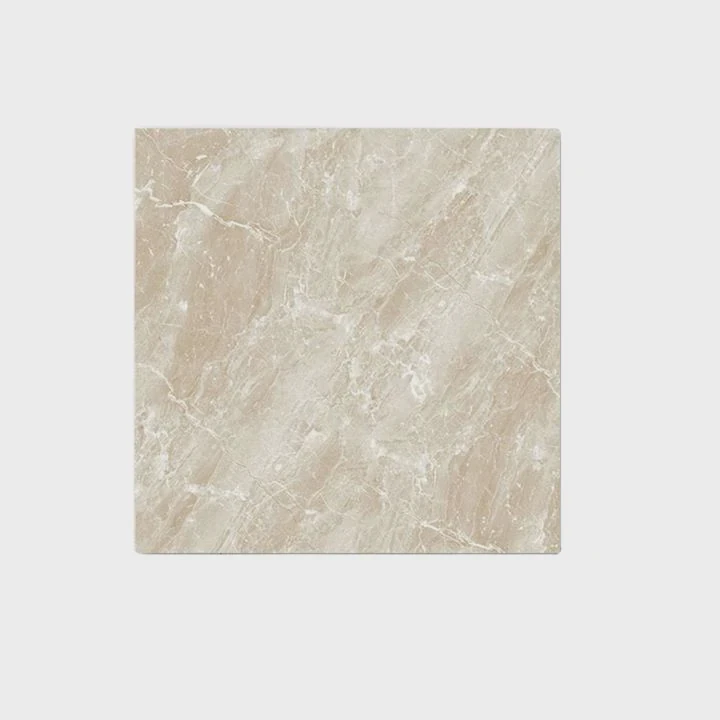
Durable tiles suit more than just floors. Wall tiles in showers, backsplashes, or high-traffic public areas benefit from strong material and wear resistance. Outdoor patios need tiles resistant to frost, sunlight, and water.
Environments and ideal tile choices
| Environment | Recommended Tiles | Notes |
|---|---|---|
| Commercial floors | Porcelain, quarry, natural stone | High PEI rating, non-slip |
| Residential kitchen | Porcelain, ceramic | Stain and moisture resistance |
| Bathrooms | Porcelain, glazed ceramic | Water and slip resistance |
| Outdoor patios | Natural stone, porcelain | Freeze-thaw durability |
| Hotels & lobbies | Porcelain, marble | High aesthetic, heavy traffic |
Durable tiles reduce repair costs and downtime in commercial settings. For example, malls or airports need porcelain with high wear ratings. Outdoor tiles need frost resistance. Indoor homes need a balance of beauty and durability.
Maintenance is easier with durable tiles. They resist scratches, stains, and fading. This is vital for commercial clients who cannot shut down spaces frequently for repairs. Durable tiles also improve safety by reducing the chance of cracks or loose tiles.
Choosing durable tiles for the right environment ensures long-lasting performance. It also provides peace of mind and value for money. Planning with the right material and finish keeps tiles looking good and functioning well.
Conclusion
Porcelain and natural stone lead in durability. Choosing the right material, wear rating, and finish ensures tiles last longer, resist damage, and fit the environment perfectly.