Is Ceramic Tile Good for Bathroom Floors?
- Sinotiles
- 2026-05-14
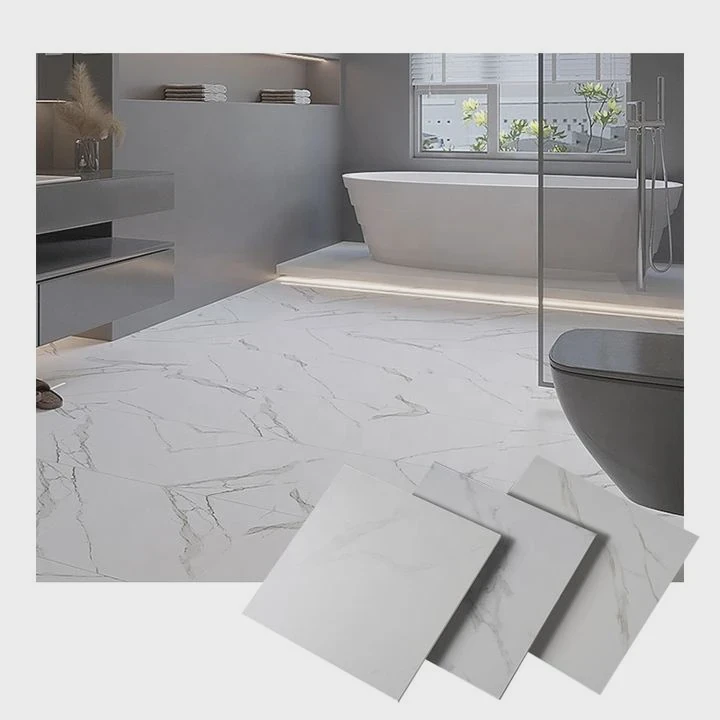
Bathrooms are wet, busy spaces where safety and style matter. Choosing the wrong floor can lead to damage or slips.
Ceramic tiles are ideal for bathroom floors because they resist water, are durable, and come in many designs. They combine style with practical benefits.
Bathrooms need both beauty and function. Ceramic tiles offer this, making them a common choice for homeowners and designers.
What benefits do ceramic tiles offer bathrooms?
Bathrooms face moisture, stains, and daily use. Poor flooring can lead to mold, damage, and high maintenance costs.
Ceramic tiles benefit bathrooms by being water-resistant, easy to clean, durable, and versatile in design. They make maintenance simple while enhancing style.
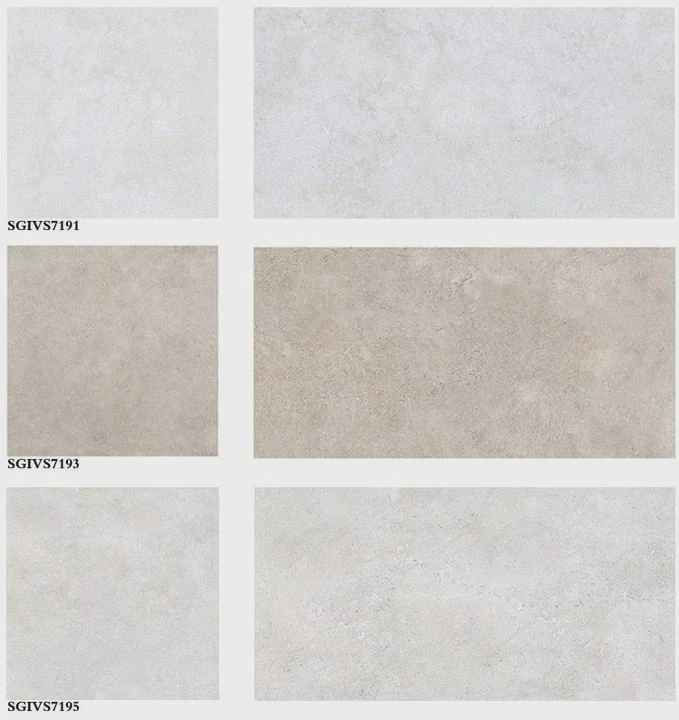
Ceramic tiles give multiple advantages in bathrooms. They handle water without damage. Tiles do not warp or rot like wood, so bathrooms stay safe and stable. Cleaning is easy; a mop and mild detergent are usually enough. Tiles are durable, resisting scratches, dents, and heavy foot traffic. They come in various sizes, colors, and patterns, allowing homeowners to match any design vision. For example, mosaics can add artistic detail, while large tiles create a seamless modern look.
Design Flexibility
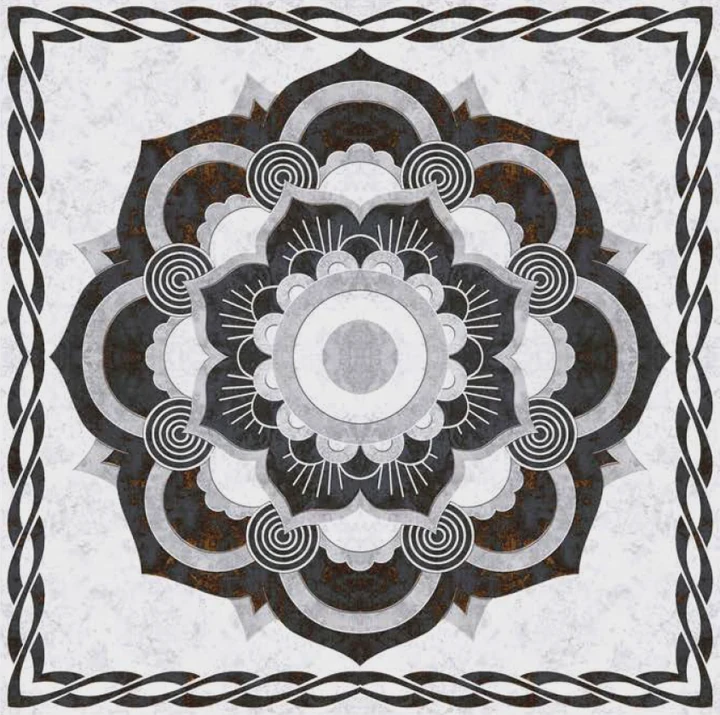
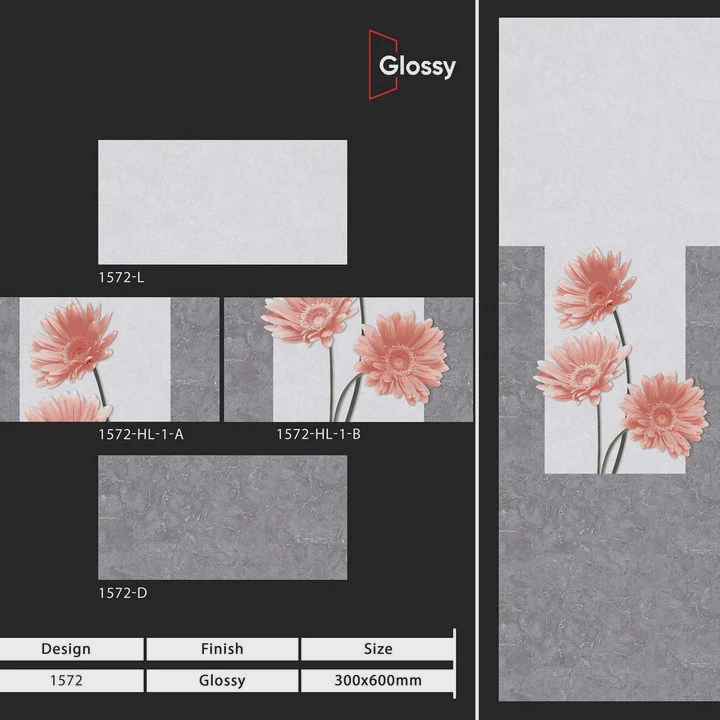
Ceramic tiles come in many textures and colors. Glossy tiles make bathrooms look bright, while matte finishes reduce slip risk. You can mix and match to create patterns or borders. This flexibility helps customize small or large spaces.
Cost and Maintenance
Compared with natural stone or hardwood, ceramic is cost-effective. Its low maintenance saves time and money. Homeowners rarely need replacement unless tiles are chipped or cracked. Water and stain resistance ensure tiles keep their appearance for years.
| Benefit | Description |
|---|---|
| Water-resistant | Does not absorb water easily |
| Durable | Handles heavy foot traffic without damage |
| Easy to clean | Requires minimal effort for upkeep |
| Design options | Multiple colors, patterns, and textures |
| Cost-effective | Affordable compared with natural stone |
Practical Use
Ceramic tiles are suitable for both floors and walls. You can use the same tiles on shower walls and floors, creating a unified look. They are also compatible with underfloor heating systems, keeping bathrooms warm and comfortable.
How does ceramic tile resist moisture and wear?
Bathrooms are wet, and water can damage many flooring materials over time. Slip hazards increase if moisture is not controlled.
Ceramic tile resists moisture because it has a non-porous surface. Its durability comes from strong firing processes and protective glazes.
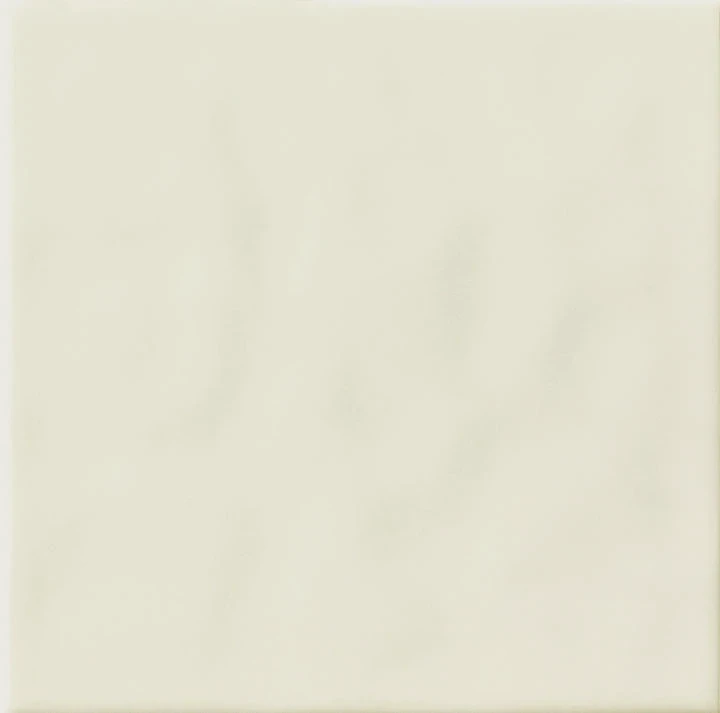
Moisture resistance is critical for bathrooms. Ceramic tiles are fired at high temperatures, creating a dense, hard surface that water cannot penetrate. Glazed tiles add an extra layer of protection, reducing water absorption to near zero. Even spills, steam, or humidity cannot easily damage tiles. This property also helps prevent mold and mildew growth, which is common in wet areas.
Resistance to Wear
Ceramic tiles are hard and scratch-resistant. Heavy bathroom use does not wear them quickly. The firing process strengthens the clay, and glazes protect against stains and chemicals. Compared to vinyl or laminate, ceramic is much longer-lasting.
Longevity Factors
To maximize durability, proper installation is key. Use a water-resistant adhesive and grout. Sealing grout lines helps prevent moisture from entering gaps. Regular cleaning ensures surfaces stay smooth and free of dirt that could scratch tiles.
| Property | How it helps |
|---|---|
| Hard-fired clay | Provides structural strength |
| Glazed surface | Protects against stains and water |
| Non-porous | Prevents mold and moisture damage |
| Scratch-resistant | Maintains appearance under foot traffic |
| Easy cleaning | Reduces wear from dirt or chemicals |
Ceramic tiles also resist common bathroom chemicals such as soaps, shampoos, and mild cleaners. This makes them low-maintenance for families or commercial bathrooms.
Why choose ceramic over other flooring materials?
Some homeowners consider vinyl, laminate, stone, or wood for bathrooms. Each has pros and cons in wet areas.
Ceramic is often better than other flooring options because it combines water resistance, durability, design flexibility, and affordability.
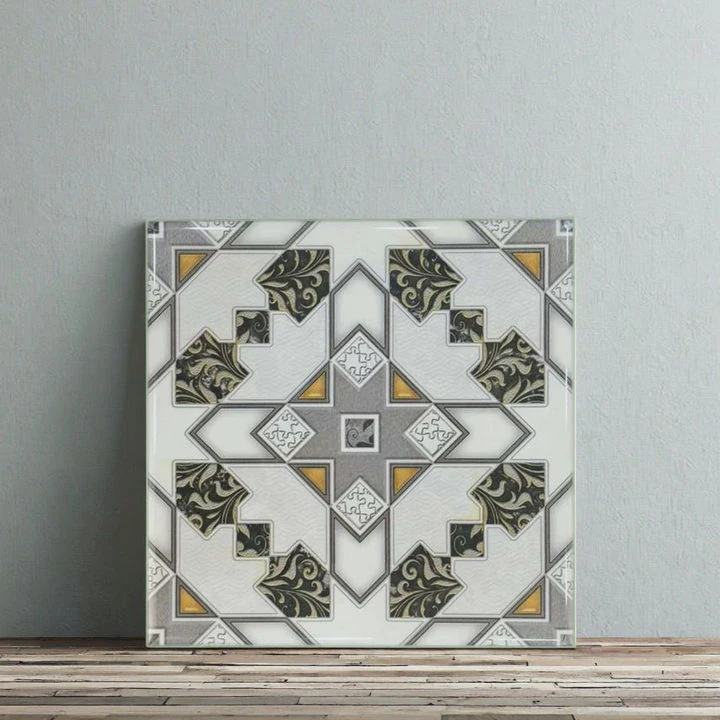
Vinyl and laminate are cheaper but can peel or swell with water. Wood looks natural but can warp and requires sealing. Natural stone is beautiful but porous, often needing special maintenance. Ceramic tiles balance these issues. They are tough, moisture-resistant, and versatile in design without high maintenance.
Comparison Table
| Flooring Type | Water Resistance | Durability | Maintenance | Cost |
|---|---|---|---|---|
| Ceramic Tile | High | High | Low | Moderate |
| Vinyl | Medium | Medium | Medium | Low |
| Laminate | Low | Medium | High | Low |
| Wood | Low | Medium | High | High |
| Natural Stone | Medium | High | High | High |
Ceramic tiles are also environmentally friendly, made from natural clay and minerals. They can last decades, reducing the need for replacement. This makes them a sustainable choice for homeowners concerned with both cost and ecological impact.
Installation Advantages
Ceramic tiles can be installed in various layouts. Straight, diagonal, or herringbone patterns are all possible. Tiles can also fit irregular bathroom shapes, unlike large wood planks or sheets of vinyl. This gives more design control while keeping functionality intact.
Which finishes improve bathroom tile safety?
Bathrooms are prone to slipping, especially when wet. Some tile finishes are more slip-resistant than others.
Matte, textured, or anti-slip ceramic tile finishes improve bathroom safety by providing traction, reducing the risk of falls.
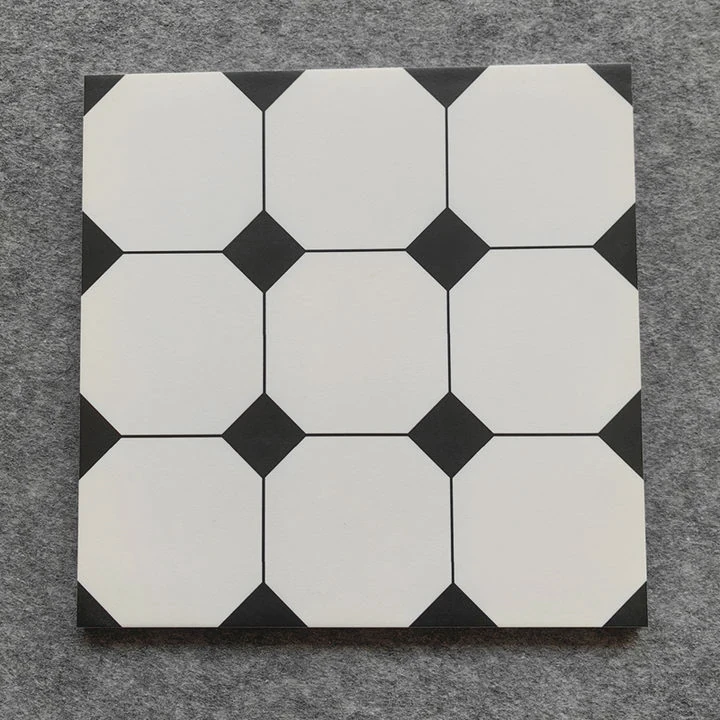
Glossy tiles look bright but can be slippery. Textured or matte surfaces add friction underfoot. Some ceramic tiles include micro-grips or small ridges to increase safety further. These finishes are especially important near showers, tubs, or sinks where water accumulates.
Safety Considerations
Slip-resistance is measured by the coefficient of friction (COF). Bathroom tiles with COF above 0.6 are considered safe for wet areas. Always check specifications before selecting tiles. Mixing tile types is also possible; smooth tiles for walls and textured ones for floors improve both aesthetics and safety.
Practical Installation Tips
- Place rugs or mats near wet areas.
- Ensure grout lines are even to avoid tripping hazards.
- Clean tiles regularly to prevent soap residue, which can reduce traction.
Decorative Options
Anti-slip tiles do not mean boring design. Many manufacturers create textured tiles that mimic wood, stone, or patterned mosaics. This allows homeowners to maintain style while prioritizing safety.
| Finish Type | Safety Benefit | Design Possibility |
|---|---|---|
| Matte | High slip resistance | Many colors and patterns |
| Textured | Extra traction | Stone, wood look |
| Micro-grip | Very high friction | Subtle surface detail |
| Polished | Low resistance | Use in walls only |
Using the right finish ensures bathrooms stay stylish, safe, and practical for daily use. Even in homes with children or elderly people, ceramic tiles can provide peace of mind.
Conclusion
Ceramic tiles are ideal for bathroom floors. They combine water resistance, durability, easy cleaning, and design flexibility. Choosing the right size, finish, and installation method ensures bathrooms are safe, stylish, and long-lasting.