Can Vinyl Tile Be Painted?
- Sinotiles
- 2026-06-25
Many homeowners dislike outdated vinyl tile floors but hesitate to replace them because of the cost and time involved. A full renovation can seem unnecessary when the floor is still structurally sound.
Yes, vinyl tile can be painted successfully when the surface is cleaned, sanded, primed, and coated with the right paint. Proper preparation and sealing are essential for achieving a durable and attractive finish.
Painting vinyl tile is often seen as a budget-friendly way to refresh a room. It can transform old flooring, improve the appearance of a space, and extend the life of existing tiles. Before starting the project, it is important to understand the right materials, preparation methods, and long-term maintenance requirements.
Can Vinyl Tiles Be Successfully Painted?
Many people assume that vinyl flooring cannot hold paint because of its smooth and non-porous surface. This concern is understandable since peeling and chipping are common problems when paint is applied incorrectly.
Vinyl tiles can be successfully painted if the surface is properly prepared and suitable paint and primer are used. The success of the project depends more on preparation than on the painting process itself.
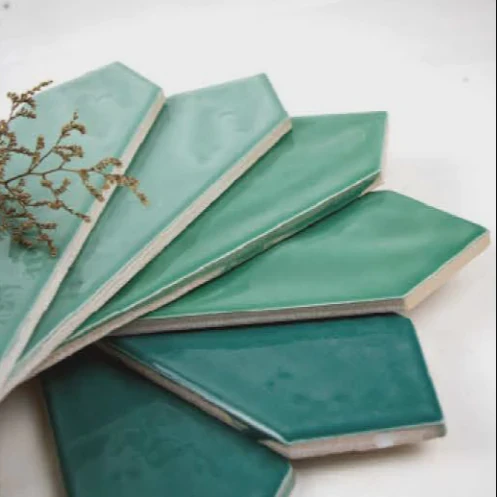
Painting vinyl tile has become a popular option for homeowners who want a quick flooring update without investing in a complete replacement. While the process is possible, expectations should remain realistic. Painted vinyl will not perform exactly like a factory-finished floor.
Why Homeowners Choose to Paint Vinyl Tile
Many renovation projects are limited by budget or time. In these situations, painting can provide a practical alternative.
Common reasons include:
- Updating outdated colors
- Refreshing worn surfaces
- Delaying full floor replacement
- Improving rental properties
- Matching new interior designs
A well-executed paint job can dramatically improve the appearance of an older room.
Factors That Influence Success
Not every vinyl floor is equally suitable for painting.
Several factors affect the final result:
| Factor | Impact on Results |
|---|---|
| Surface Condition | Better condition improves adhesion |
| Cleaning Quality | Removes contaminants that cause peeling |
| Primer Selection | Enhances paint bonding |
| Paint Type | Determines durability |
| Foot Traffic | Influences long-term wear |
Each factor plays an important role in the overall outcome.
Common Misconceptions About Painting Vinyl Tile
Many homeowners believe paint alone will solve flooring problems. This is rarely true.
Paint Does Not Repair Damage
Paint can improve appearance, but it cannot fix:
- Deep cracks
- Loose tiles
- Structural movement
- Moisture problems
These issues should be repaired before painting begins.
Paint Is Not Permanent
Even high-quality coatings experience wear over time. Painted floors require maintenance and occasional touch-ups.
Realistic Expectations
A painted vinyl floor should be viewed as a surface renewal rather than a complete flooring replacement.
The finished floor can look clean, modern, and attractive. However, heavy commercial traffic, constant furniture movement, and frequent moisture exposure may shorten its lifespan.
Situations Where Painting Makes Sense
Painting may be a good option when:
- The floor remains structurally sound
- Replacement costs are too high
- A temporary design update is desired
- The room experiences moderate traffic
For many homeowners, painting provides a cost-effective solution that extends the useful life of existing flooring.
What Type of Paint Works on Vinyl Tile?
Many flooring paint failures occur because the wrong products are selected. Standard wall paint often lacks the flexibility and adhesion needed for flooring applications.
The best paints for vinyl tile are high-quality porch and floor paints, epoxy-based coatings, or specialty paints designed for vinyl and resilient flooring surfaces.
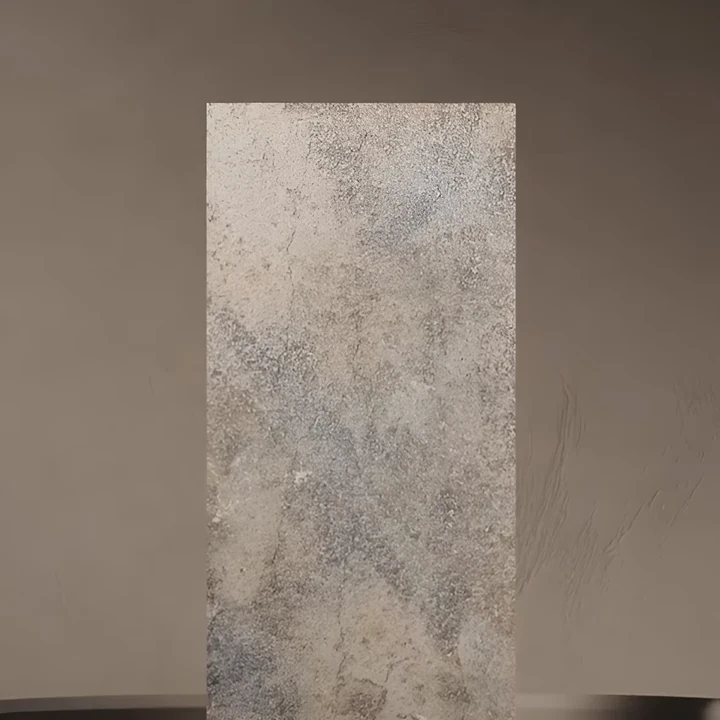
Choosing the correct paint is one of the most important decisions in the project. The flooring surface experiences much more stress than walls or ceilings.
Why Regular Wall Paint Fails
Vinyl flooring expands and contracts slightly due to temperature changes.
Wall paint is not designed for:
- Constant foot traffic
- Abrasion
- Furniture movement
- Repeated cleaning
As a result, ordinary interior paint often chips and peels quickly.
Recommended Paint Types
Several paint categories perform better on vinyl tile.
| Paint Type | Advantages | Typical Use |
|---|---|---|
| Porch and Floor Paint | Durable and affordable | Residential rooms |
| Epoxy Floor Paint | Excellent wear resistance | High-traffic areas |
| Acrylic Floor Paint | Flexible and easy to apply | Moderate traffic spaces |
| Specialty Vinyl Paint | Designed for vinyl surfaces | Renovation projects |
The choice depends on room conditions and expected usage.
Porch and Floor Paint
This option remains one of the most common choices for DIY projects.
Benefits include:
- Good adhesion
- Easy availability
- Wide color selection
- Reasonable durability
Many homeowners choose this product because it balances performance and cost.
Epoxy Coatings
Epoxy systems create a harder surface than traditional paints.
Advantages include:
- Strong durability
- Chemical resistance
- Long lifespan
- Easy cleaning
However, application is often more demanding and may require careful mixing.
Importance of Primer
Even the best paint can fail without a suitable primer.
A bonding primer helps:
- Improve adhesion
- Reduce peeling
- Increase durability
- Create a consistent surface
Many professionals consider primer more important than the paint itself.
Choosing the Right Finish
Paint finishes affect both appearance and maintenance.
Matte Finish
- Hides imperfections
- Less reflective
- Modern appearance
Satin Finish
- Easy to clean
- Moderate sheen
- Popular for residential use
Gloss Finish
- Highly reflective
- Easier cleaning
- Shows surface defects more clearly
Most homeowners prefer satin because it offers a balance between appearance and practicality.
Color Selection Considerations
Lighter colors often make small rooms appear larger.
Darker colors can:
- Add visual depth
- Create contrast
- Hide some stains
The final choice should complement the room’s design and lighting conditions.
How Should Vinyl Tiles Be Prepared for Painting?
Many painted floors fail because preparation steps are skipped. Even premium paints cannot compensate for poor surface preparation.
Vinyl tiles should be cleaned thoroughly, lightly sanded, repaired if necessary, primed with a bonding primer, and allowed to dry completely before paint is applied.
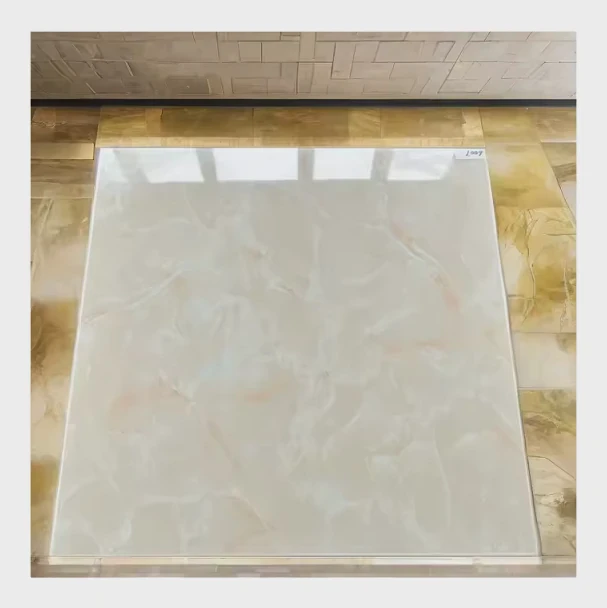
Preparation is often the longest stage of the project. It may require more effort than painting itself, but it directly affects the durability of the finish.
Step 1: Inspect the Floor
Before cleaning begins, examine the floor carefully.
Look for:
- Loose tiles
- Cracks
- Gaps
- Water damage
- Adhesive failures
Any structural issues should be corrected before painting.
Step 2: Deep Cleaning
Vinyl floors often contain invisible contaminants.
Common contaminants include:
- Grease
- Wax residue
- Dirt buildup
- Cleaning product residue
These materials can interfere with paint adhesion.
Recommended Cleaning Process
- Sweep thoroughly.
- Vacuum remaining dust.
- Wash with a degreasing cleaner.
- Rinse with clean water.
- Allow complete drying.
Skipping this step increases the risk of paint failure.
Step 3: Light Sanding
Vinyl surfaces are naturally smooth.
Light sanding helps create microscopic scratches that improve paint bonding.
Sanding Guidelines
| Task | Recommendation |
|---|---|
| Sandpaper Grit | 120-220 grit |
| Pressure | Light pressure |
| Goal | Create texture, not remove vinyl |
| Cleanup | Remove all sanding dust |
Excessive sanding can damage the tile surface.
Step 4: Repair Surface Imperfections
Minor defects should be repaired before painting.
Common repairs include:
- Filling small cracks
- Leveling dents
- Reattaching loose tiles
A smooth surface produces a more professional appearance.
Step 5: Apply Primer
Primer creates a bridge between the vinyl surface and the paint.
Benefits of Primer
- Improved adhesion
- Uniform coverage
- Reduced paint consumption
- Better durability
Allow the primer to dry fully according to manufacturer instructions.
Step 6: Plan the Painting Sequence
Working without a plan can lead to trapped corners and uneven coverage.
Many homeowners start at the far side of the room and work toward the exit.
Environmental Conditions Matter
The room should have:
- Moderate temperature
- Low humidity
- Adequate ventilation
Extreme conditions can negatively affect drying and curing.
Careful preparation creates the foundation for a long-lasting painted floor and reduces the likelihood of future maintenance problems.
Does Painting Vinyl Tile Affect Durability?
Homeowners often wonder whether painting a vinyl floor weakens it or shortens its lifespan. This concern is important because flooring experiences daily wear that other painted surfaces do not.
Painting vinyl tile can reduce the original factory durability, but using proper preparation, high-quality coatings, and protective sealers can provide several years of attractive performance in residential settings.
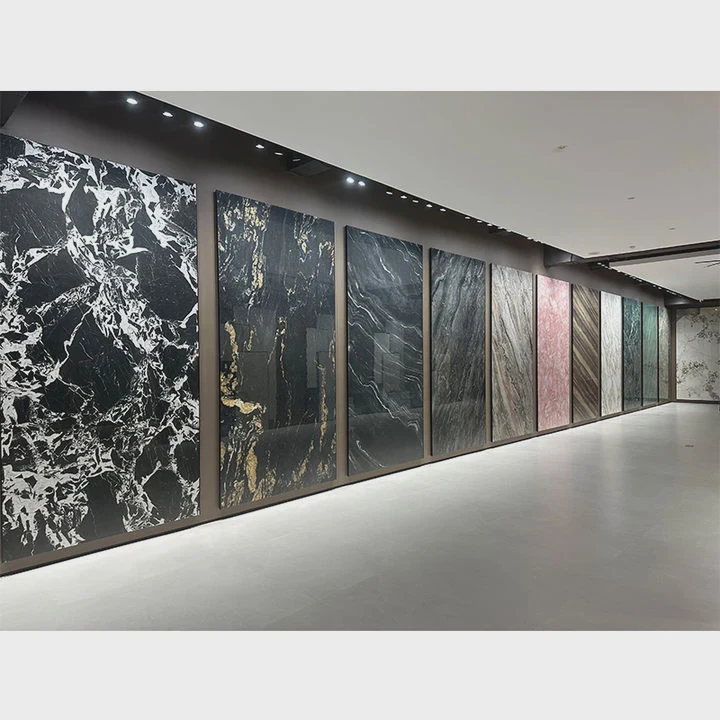
The durability of a painted vinyl floor depends on several variables. Understanding these factors helps homeowners make informed decisions before starting the project.
Factory Finish vs Painted Finish
Manufactured vinyl flooring includes protective wear layers that are designed to resist scratches and stains.
Once paint is applied, the floor relies on the performance of the coating system rather than the original finish.
Comparison of Surface Performance
| Feature | Original Vinyl | Painted Vinyl |
|---|---|---|
| Scratch Resistance | Higher | Moderate |
| Stain Resistance | Higher | Moderate |
| Design Flexibility | Limited | High |
| Repair Simplicity | Moderate | Easy Touch-Ups |
| Custom Appearance | Limited | Excellent |
This comparison highlights the trade-off between durability and customization.
Foot Traffic Considerations
Traffic levels significantly affect painted floor longevity.
Low-Traffic Areas
Examples include:
- Guest bedrooms
- Home offices
- Storage rooms
Painted floors can remain attractive for many years in these environments.
Moderate-Traffic Areas
Examples include:
- Living rooms
- Dining rooms
- Hallways
Regular maintenance becomes more important in these spaces.
High-Traffic Areas
Examples include:
- Entryways
- Commercial spaces
- Retail environments
These locations often experience faster wear and may require more frequent touch-ups.
The Role of Protective Sealers
Many professionals recommend applying a clear protective topcoat.
Benefits include:
- Improved abrasion resistance
- Easier cleaning
- Enhanced moisture protection
- Extended coating life
The sealer acts as an additional wear layer over the paint.
Maintenance Requirements
Painted floors require slightly different maintenance compared to factory-finished vinyl.
Recommended practices include:
- Sweeping regularly
- Using soft cleaning tools
- Avoiding harsh chemicals
- Placing pads under furniture
- Cleaning spills promptly
These habits help preserve the finish.
Signs of Wear Over Time
Even well-maintained painted floors may eventually show:
- Surface scratches
- Dull areas
- Minor chipping
- Color fading
Fortunately, many of these issues can be corrected through localized touch-ups.
Long-Term Value
Painting is often viewed as a renovation strategy rather than a permanent flooring solution.
For homeowners seeking:
- Lower renovation costs
- Fast visual improvement
- Design flexibility
Painting can offer excellent value despite some reduction in long-term durability compared to a new factory-finished floor.
Conclusion
Vinyl tile can be painted successfully when proper preparation, primer, and floor-grade paint are used. While painting may reduce some of the original factory durability, it remains an affordable and effective way to refresh outdated flooring and extend its useful life for several years. “`