Do I Need To Seal Porcelain Tile?
- Sinotiles
- 2026-06-29
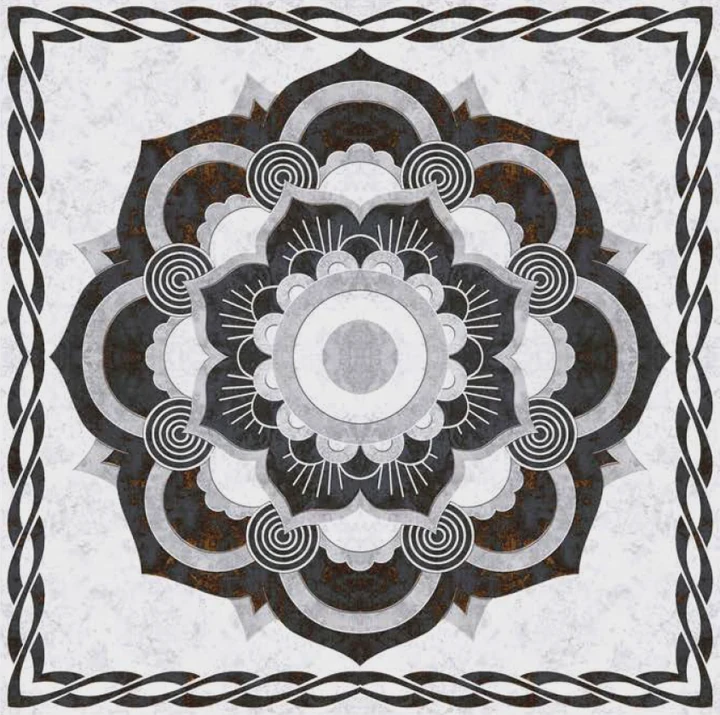
Many homeowners hear conflicting advice about sealing porcelain tile. Some believe every tile needs sealing, while others say porcelain never requires any protection at all.
Most porcelain tiles do not require sealing because they are highly dense and have very low water absorption. However, certain porcelain surfaces, polished finishes, and grout lines may still benefit from sealing under specific conditions.
Understanding when sealing is necessary can help avoid unnecessary expenses and ensure long-term performance. The answer depends on the type of porcelain tile, the finish, and the installation environment.
What Properties Make Porcelain Tiles Resistant To Moisture?
A major reason porcelain tiles are so popular worldwide is their excellent resistance to moisture. This characteristic makes them suitable for bathrooms, kitchens, commercial spaces, and outdoor applications.
Porcelain tiles resist moisture because they are manufactured from refined clay materials and fired at extremely high temperatures, creating a dense structure with very low water absorption.
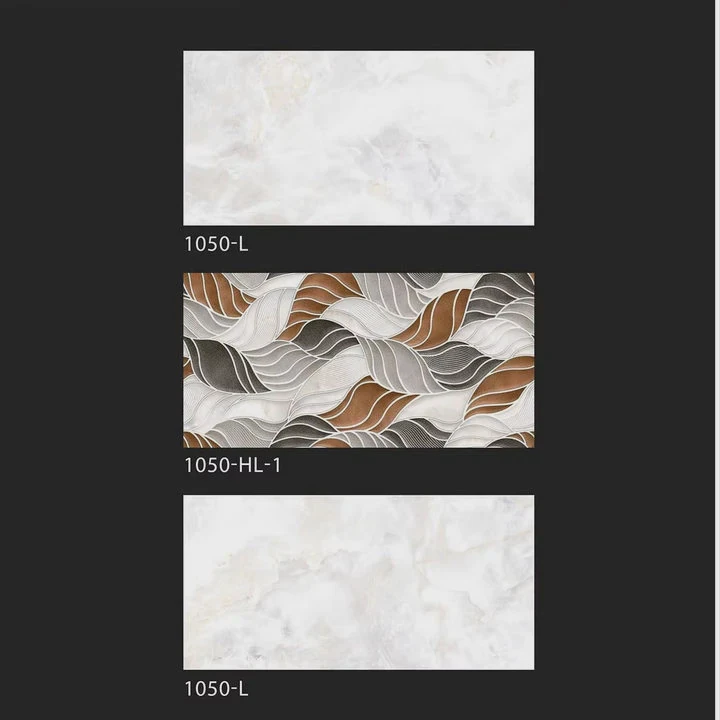
Many customers ask why porcelain performs differently from other tile materials. The answer lies in the manufacturing process.
How Porcelain Is Made
Porcelain tiles are produced using carefully selected raw materials.
The process typically includes:
- Mixing refined clay and minerals.
- Pressing under high pressure.
- Firing at very high temperatures.
- Creating a dense, hard structure.
This process significantly reduces internal pores.
Water Absorption Standards
One of the defining characteristics of porcelain tile is its low water absorption rate.
Industry standards generally classify porcelain as having:
Water absorption below 0.5%
This means very little moisture can enter the tile body.
Why Density Matters
A denser tile provides several advantages.
| Property | Benefit |
|---|---|
| Low porosity | Reduced moisture penetration |
| High strength | Improved durability |
| Dense structure | Better stain resistance |
| Reduced absorption | Lower freeze-thaw risk |
These qualities contribute to porcelain’s reputation as a durable building material.
Moisture Resistance In Daily Use
Porcelain performs well in many wet environments.
Common applications include:
- Shower walls
- Bathroom floors
- Kitchen floors
- Laundry rooms
- Swimming pool surrounds
The low absorption rate helps prevent water-related problems.
Difference Between Porcelain And Ceramic
Many people assume porcelain and ceramic are identical.
There are important differences.
| Characteristic | Porcelain | Ceramic |
|---|---|---|
| Water absorption | Very low | Higher |
| Density | Higher | Lower |
| Durability | Higher | Moderate |
| Moisture resistance | Excellent | Good |
Because porcelain absorbs less water, it generally requires less protective treatment.
Resistance To Staining
Moisture resistance also improves stain resistance.
Liquids have less opportunity to penetrate the tile body.
Examples include:
- Coffee
- Juice
- Soap residue
- Household cleaners
This feature helps maintain appearance over time.
Long-Term Performance
I often work with customers who have porcelain installations that have performed well for many years without any tile sealer. In many cases, the tiles remain attractive because their dense structure naturally resists moisture and contaminants.
This built-in protection is one of the main reasons porcelain has become a preferred choice for both residential and commercial projects.
How Can Sealing Benefit Certain Porcelain Surfaces?
Although most porcelain tiles do not require sealing, there are situations where sealing can provide additional benefits. The key is understanding the tile’s surface finish.
Sealing can benefit certain porcelain surfaces by enhancing stain resistance, simplifying maintenance, and protecting polished or textured finishes that may contain microscopic surface pores.
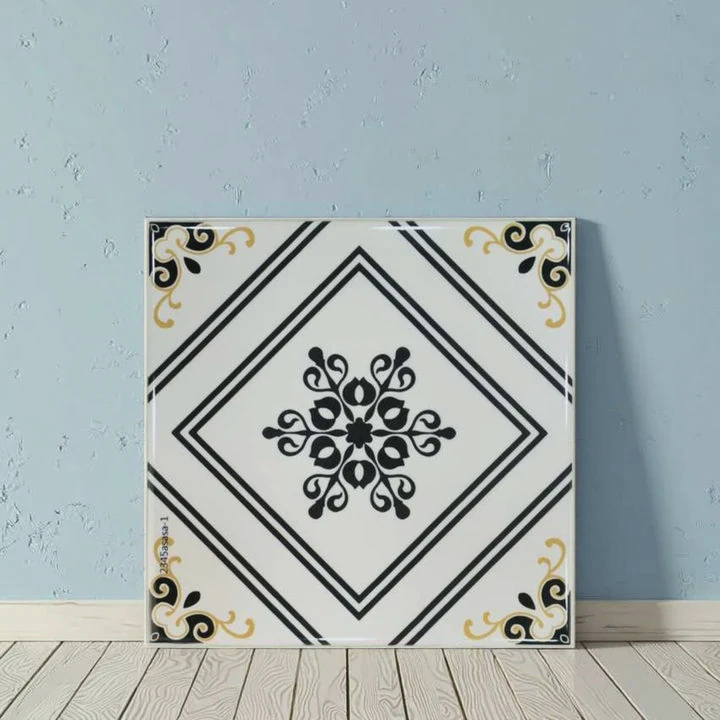
One common misconception is that all porcelain tiles behave exactly the same. In reality, different finishes may respond differently to environmental conditions.
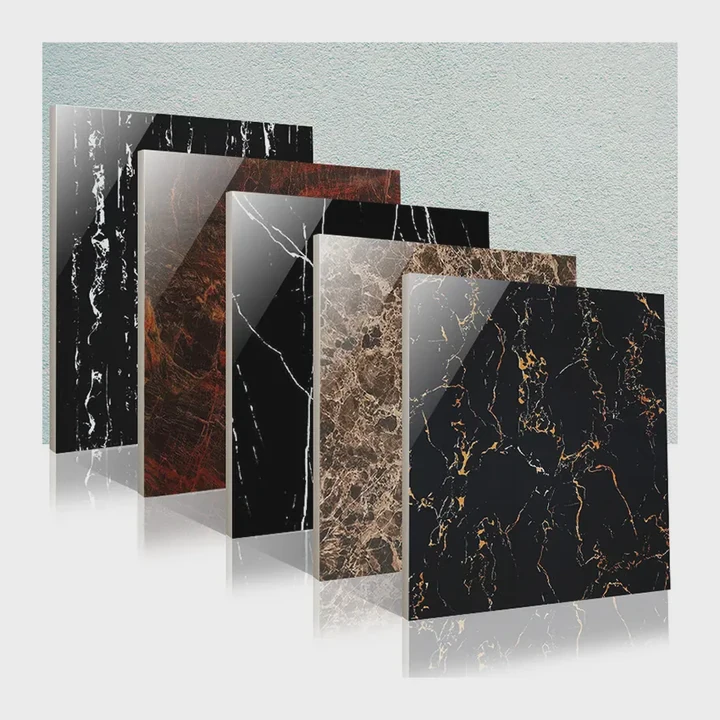
Polished Porcelain Tiles
Polished porcelain undergoes an additional finishing process.
This polishing creates:
- Higher gloss levels
- Increased reflectivity
- Luxury appearance
However, the polishing process can expose tiny surface pores.
Why Polished Surfaces May Benefit From Sealing
These microscopic pores can increase susceptibility to:
- Surface staining
- Dirt accumulation
- Cleaning challenges
A penetrating sealer may provide extra protection.
Textured Porcelain Surfaces
Textured porcelain is often selected for:
- Outdoor spaces
- Commercial entrances
- Wet areas
The textured surface improves slip resistance but may collect dirt more easily.
Sealing can sometimes simplify cleaning and maintenance.
Benefits Of Applying Sealer
| Potential Benefit | Explanation |
|---|---|
| Improved stain resistance | Limits surface penetration |
| Easier maintenance | Dirt releases more easily |
| Enhanced appearance | Some sealers deepen color |
| Reduced cleaning effort | Less contaminant buildup |
Not every project will experience all these advantages, but they can be useful in demanding environments.
Understanding Different Sealer Types
Several categories are available.
Penetrating Sealers
These sealers enter microscopic pores without forming a visible surface coating.
Benefits include:
- Natural appearance
- Minimal gloss change
- Long-lasting protection
Enhancing Sealers
These products may slightly enrich surface color.
Benefits include:
- Deeper visual effect
- Enhanced design features
- Improved appearance on decorative porcelain
Situations Where Sealing Helps
Sealing may be worth considering when porcelain is installed in:
- Commercial kitchens
- High-traffic retail areas
- Restaurants
- Outdoor entertainment spaces
These environments often expose surfaces to more contaminants.
Avoid Over-Sealing
Applying unnecessary sealer can create problems.
Potential issues include:
- Surface residue
- Uneven appearance
- Additional maintenance
- Unnecessary cost
Always verify whether the specific porcelain product actually benefits from sealing.
I once visited a project where polished porcelain tiles were installed in a luxury kitchen. The owner chose to apply a penetrating sealer because of frequent cooking activity. The result was easier maintenance and improved resistance to food-related stains.
While sealing is not mandatory for most porcelain tiles, it can provide targeted benefits under the right conditions.
Why Sealing Grout Is Still Necessary With Porcelain Tiles?
Many homeowners focus entirely on the tile surface and forget about the grout. In reality, grout is often the most vulnerable part of a tile installation.
Grout should usually be sealed because it is more porous than porcelain tile and can absorb moisture, stains, oils, and contaminants that may cause discoloration or deterioration over time.
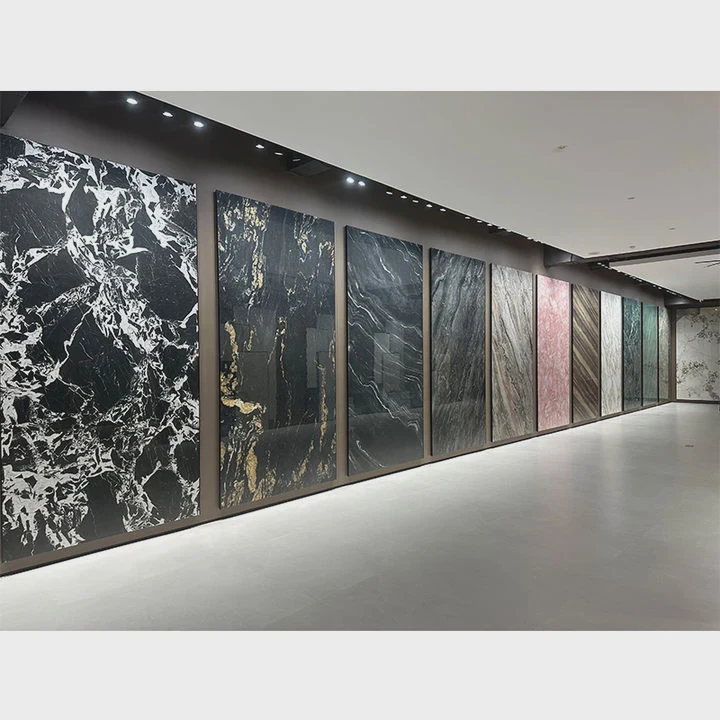
Even when porcelain tiles themselves require no sealer, grout often benefits significantly from protection.
Understanding Grout Porosity
Most cement-based grouts contain tiny pores.
These pores allow absorption of:
- Water
- Dirt
- Soap residue
- Food spills
- Cleaning chemicals
Without protection, grout can become stained and difficult to clean.
Why Grout Gets Dirty Faster
Several factors contribute to grout discoloration.
Common causes include:
- Daily foot traffic
- Moisture exposure
- Cooking oils
- Mold growth
- Cleaning residue
The tile surface may remain clean while grout lines darken noticeably.
Benefits Of Grout Sealing
| Benefit | Result |
|---|---|
| Moisture protection | Reduced water penetration |
| Stain resistance | Easier cleaning |
| Mold prevention | Improved hygiene |
| Longer lifespan | Reduced deterioration |
These advantages often justify the relatively low cost of grout sealer.
Areas That Need Grout Protection Most
Certain locations experience greater exposure.
Examples include:
- Shower floors
- Shower walls
- Kitchen backsplashes
- Kitchen floors
- Commercial bathrooms
Regular exposure to moisture increases the importance of sealing.
Types Of Grout
Different grout products offer different levels of protection.
Cement-Based Grout
Traditional grout generally benefits from sealing.
Epoxy Grout
Epoxy grout naturally resists moisture and staining.
Many epoxy products do not require additional sealing.
Signs Grout May Need Sealing
Watch for:
- Darkening after water exposure
- Persistent stains
- Difficult cleaning
- Uneven coloration
These symptoms often indicate increased absorption.
Maintenance Benefits
Sealed grout typically requires less effort to maintain.
Advantages include:
- Faster cleaning
- Reduced scrubbing
- Improved appearance
- Better long-term performance
A Common Misunderstanding
I often hear homeowners say, “My porcelain tile does not need sealing, so the entire installation is protected.”
The reality is different.
Even if the tile itself is highly resistant to moisture, the grout joints remain exposed. Proper grout sealing helps protect the entire installation and preserves its appearance over time.
For many tile projects, grout sealing provides greater value than sealing the porcelain tile itself.
Which Situations Require Sealing Porcelain Tiles?
The question is not whether all porcelain tiles need sealing. The better question is which situations justify applying a sealer.
Porcelain tiles may require sealing when they have polished surfaces, exposed micro-pores, high stain exposure, demanding commercial conditions, or manufacturer recommendations that specifically call for protective treatment.
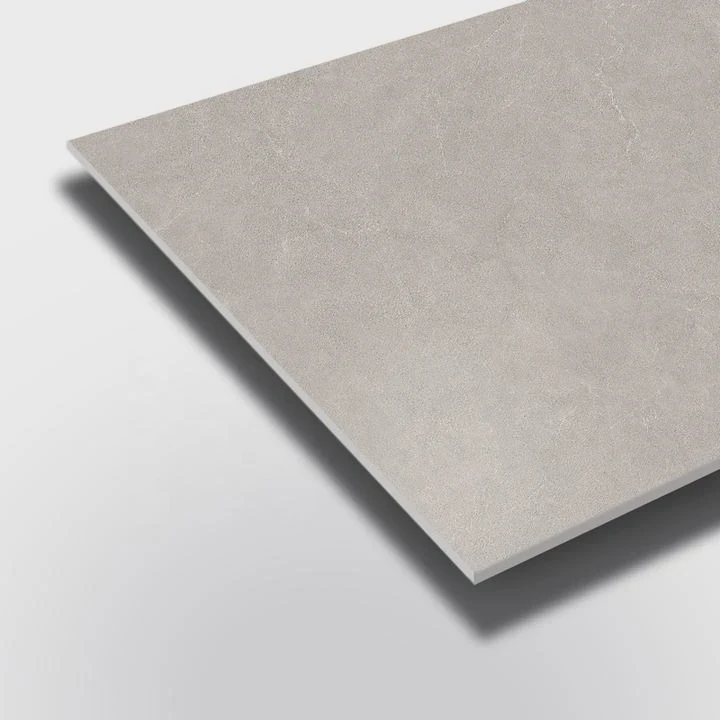
Most standard glazed porcelain installations perform very well without sealing. However, some environments create additional demands.
Polished Porcelain Installations
Polished surfaces remain one of the most common candidates for sealing.
Reasons include:
- Increased stain exposure
- Surface pore development
- Easier maintenance goals
Many manufacturers provide guidance regarding polished products.
High-Traffic Commercial Areas
Commercial environments often expose surfaces to:
- Heavy foot traffic
- Food spills
- Oils
- Cleaning chemicals
Examples include:
| Environment | Sealing Consideration |
|---|---|
| Restaurant | Often beneficial |
| Shopping center | Sometimes beneficial |
| Hotel lobby | Depends on finish |
| Office building | Usually optional |
Outdoor Installations
Some outdoor projects may benefit from additional protection.
Factors include:
- Dirt exposure
- Weather conditions
- Organic staining
- Pollution
Local climate conditions influence the decision.
Light-Colored Porcelain
Very light-colored polished porcelain can sometimes show stains more easily.
Sealing may help maintain appearance in:
- White kitchens
- Luxury bathrooms
- High-end commercial interiors
Manufacturer Recommendations
The manufacturer’s technical guide should always be reviewed.
Recommendations may vary based on:
- Surface finish
- Production method
- Intended application
Manufacturer instructions should take priority over general assumptions.
Situations Where Sealing Is Usually Unnecessary
Many installations do not require tile sealing.
Examples include:
- Standard glazed porcelain floors
- Most porcelain wall tiles
- Dense unpolished porcelain
- Typical residential applications
In these cases, grout sealing remains the primary concern.
Questions To Ask Before Sealing
Before applying a sealer, consider:
- Is the tile polished?
- Does the manufacturer recommend sealing?
- Is the installation exposed to staining risks?
- Is maintenance a major concern?
- Is the tile located in a demanding commercial environment?
The answers help determine whether sealing is worthwhile.
Balancing Protection And Cost
Sealers provide benefits, but they also involve:
- Product costs
- Application labor
- Future maintenance
The decision should balance expected benefits against long-term requirements.
In many residential projects, grout sealing alone provides the protection needed. In specialized environments, sealing certain porcelain surfaces can offer additional peace of mind and easier maintenance.
Conclusion
Most porcelain tiles do not require sealing because their dense structure naturally resists moisture and stains. However, polished porcelain, certain textured finishes, and high-exposure environments may benefit from additional protection. Even when tile sealing is unnecessary, grout sealing remains highly important because grout is far more porous and vulnerable to moisture, staining, and long-term wear.