Do It Yourself Ceramic Tile?
- Sinotiles
- 2026-04-24
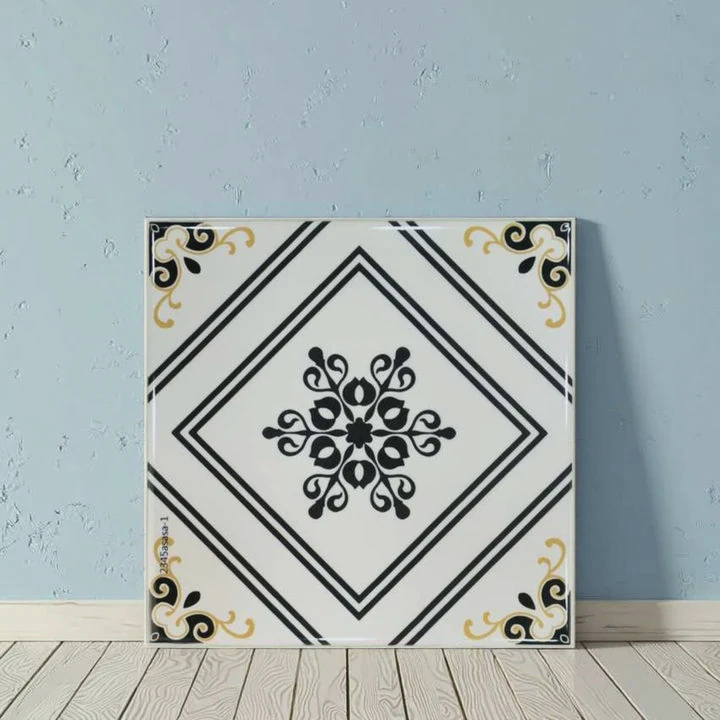
Starting a DIY ceramic tile project can feel exciting but also overwhelming. Many people hesitate because of the complexity and the fear of mistakes.
DIY ceramic tiling is achievable with proper tools, planning, and guidance. Even beginners can handle small to medium projects with patience and the right approach.
Once you understand the basic steps and required tools, the process becomes manageable. This article will guide you through tools, beginner tips, common mistakes, and cost benefits of DIY tiling.
What tools are needed for DIY ceramic tile projects?
Getting the right tools is essential before starting. Without proper equipment, your project can face delays or quality issues.
Basic tools for DIY ceramic tiling include trowels, spacers, a tile cutter, level, and safety gear. Each tool plays a key role in achieving a professional finish.
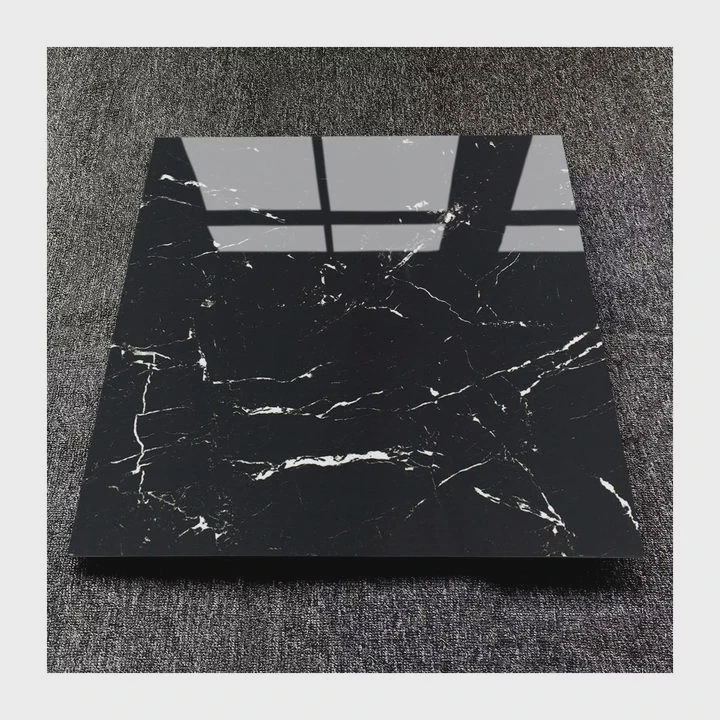
Choosing the correct tools can save time and effort. Here is a breakdown of must-have tools:
Essential Tools for DIY Tiling
| Tool | Purpose |
|---|---|
| Notched Trowel | Spreads adhesive evenly on surfaces |
| Tile Spacers | Maintain consistent gaps between tiles |
| Tile Cutter | Cuts tiles to fit corners and edges |
| Level | Ensures tiles are even and flat |
| Rubber Mallet | Gently taps tiles into place |
| Grout Float | Applies grout smoothly between tiles |
| Sponge | Cleans excess grout and adhesive |
| Safety Gear | Protects eyes, hands, and knees |
Having these tools ready before starting avoids delays. For beginners, renting expensive tools like wet saws is an option if only a small project is planned.
Tool Tips for Beginners
- Choose a trowel with correct notch size depending on tile thickness.
- Use spacers even for small projects to avoid uneven gaps.
- Keep a bucket of clean water for sponge work to prevent grout haze.
- Wear gloves to avoid cuts and safety glasses for eye protection.
Investing in quality tools makes the work smoother and protects the tiles from cracking. Even a small DIY project benefits from proper preparation.
How do beginners start ceramic tile installation?
Starting without a plan often leads to frustration. Beginners need a clear strategy.
Beginner tile installation involves surface preparation, layout planning, and following step-by-step adhesive and tile placement procedures.
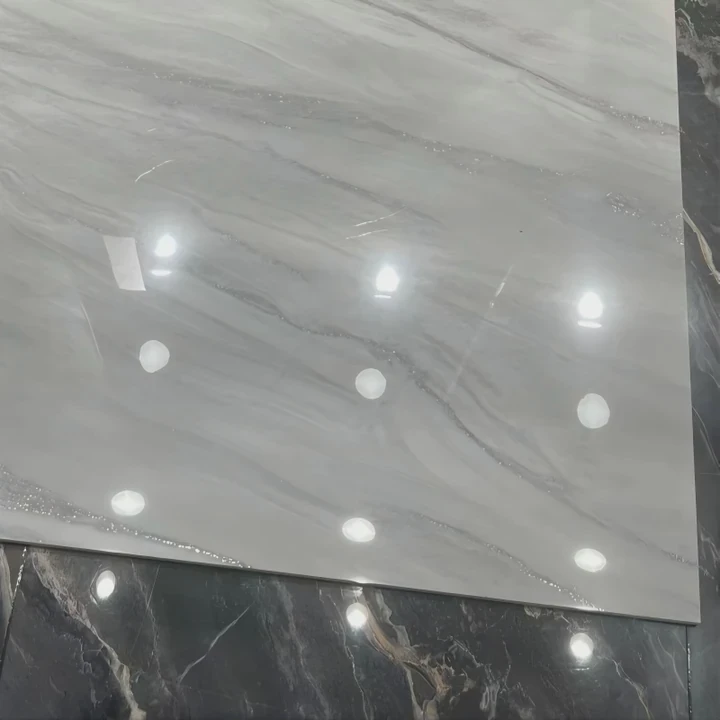
Step 1: Surface Preparation
A clean, level surface is essential. Uneven floors or walls can cause tiles to crack or look uneven. Remove old flooring, repair cracks, and make sure the surface is dry.
Step 2: Layout Planning
Measure the area and decide on a tile pattern. Dry-lay tiles to see the arrangement and minimize small cuts at edges. Planning the layout saves time and reduces waste.
Step 3: Adhesive and Tile Placement
Mix adhesive according to instructions. Spread it with a notched trowel and press tiles firmly into place. Use spacers to maintain consistent gaps.
Step 4: Cutting and Fitting
Measure carefully where tiles need to be cut. Use a tile cutter or wet saw for precision. Place cut tiles last to maintain a clean layout.
Step 5: Grouting and Finishing
After adhesive cures, remove spacers and apply grout. Use a grout float to press it into gaps. Clean the tiles with a damp sponge and polish after grout sets.
Beginner Tips
- Start with a small area, like a backsplash or a bathroom floor section.
- Work in sections to avoid adhesive drying before tiles are placed.
- Keep extra tiles for mistakes or future repairs.
A well-planned approach ensures better results and a satisfying DIY experience. Even complex projects can be broken down into manageable steps for beginners.
Which mistakes should be avoided in DIY tiling?
Mistakes are common for DIY tilers. Avoiding them improves quality and prevents waste.
Common mistakes include poor surface preparation, incorrect adhesive usage, uneven spacing, and rushing the project. Awareness prevents frustration and extra costs.
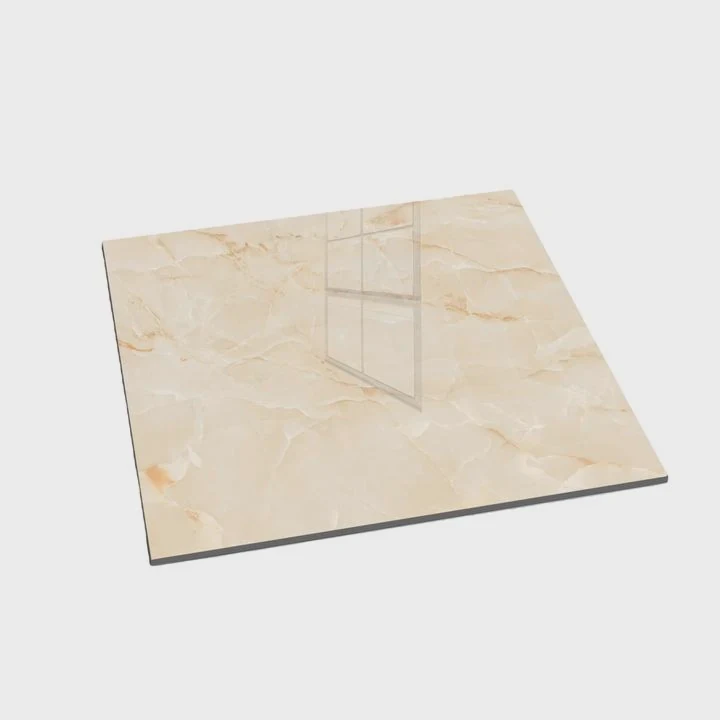
Common DIY Tiling Mistakes
| Mistake | Consequence |
|---|---|
| Uneven Surface | Tiles may crack or not align properly |
| Wrong Adhesive | Poor bonding and early tile failure |
| Inconsistent Spacing | Uneven grout lines and poor appearance |
| Cutting Errors | Wasted tiles and irregular edges |
| Rushing Work | Adhesive or grout may not set properly |
Avoiding Mistakes
- Always check surface level with a bubble or laser level.
- Follow adhesive and grout instructions closely.
- Use spacers and measure tiles for cuts accurately.
- Take breaks to avoid rushing and errors.
Critical Insight
Even experienced DIYers make mistakes if they skip preparation. Surface cleaning and planning are more important than skill level. Small adjustments during installation can save large problems later. Proper curing of adhesive and grout also prevents cracking or lifting over time.
By following steps methodically and avoiding shortcuts, a DIY project can achieve professional-like results. Mistakes often happen when trying to save time, but patience ensures durability.
Can DIY tiling reduce overall project costs?
DIY tiling may seem costly initially because of tools, but it often reduces total project expenses. Labor fees are a significant part of professional tiling costs.
Doing it yourself can save 30-50% of total project costs by cutting out labor charges and allowing careful material use.
Cost Savings Breakdown
| Cost Component | Professional | DIY | Savings |
|---|---|---|---|
| Labor | \(25-\)50/sq ft | $0 | \(25-\)50/sq ft |
| Tools | \(0-\)200 (owned/rented) | \(100-\)250 | Minimal net cost |
| Materials | \(2-\)15/sq ft | \(2-\)15/sq ft | None |
| Total | \(27-\)65/sq ft | \(2-\)15/sq ft | 30-50% saved |
Additional Cost Benefits
- Avoid extra charges for tile cuts and adjustments.
- Buy surplus tiles for future repairs instead of relying on contractors.
- Control material usage precisely to prevent waste.
Practical Tips for Cost Control
- Start with small, high-visibility areas to learn and reduce mistakes.
- Rent expensive tools like wet saws rather than buying them if rarely used.
- Compare adhesive and grout prices to find cost-effective options without compromising quality.
Doing tiling yourself adds a sense of accomplishment and financial benefit. Carefully planning and preparing ensures cost reduction and long-term durability.
When DIY May Not Save Money
For very large or complex areas, mistakes can become costly. High-end tiles requiring special cutting or leveling may be better left to professionals. Balance between skill, risk, and cost is key.
Proper preparation, careful execution, and attention to detail are essential for DIY success and cost efficiency. It is not just about saving money but achieving a lasting, quality finish.
Conclusion
DIY ceramic tiling is achievable with planning, the right tools, and attention to detail. Avoid mistakes, follow step-by-step instructions, and save significant project costs while creating beautiful surfaces.