How to Prepare a Floor for Tile?
- Sinotiles
- 2026-04-24
Preparing a floor for tile can feel tricky, especially if the surface is old or uneven. Poor preparation leads to cracks and wasted effort.
Proper floor preparation is the key to durable and beautiful tile installation. Ensuring the subfloor is clean, level, and stable prevents future damage and guarantees a smooth finish.
Taking time to prep your floor correctly avoids costly repairs and ensures your tiles look perfect for years.
What steps ensure proper floor preparation for tiling?
Getting ready to tile starts with a clear plan. Many people rush and regret it later when tiles crack or shift.
The main steps include cleaning the floor, repairing damage, leveling the surface, and ensuring it is dry and stable. Each step builds a strong foundation for your tiles.
Step 1: Clean the floor
Remove all dirt, grease, paint, and old adhesives. Use a broom, vacuum, or scraper. Any debris can prevent tiles from sticking.
Step 2: Inspect and repair
Look for cracks, holes, or loose areas. Patch small holes with suitable filler. For large damage, consider replacing sections of the subfloor.
Step 3: Level the floor
Check with a level to find dips or high spots. Minor unevenness can be fixed with floor leveling compound.
Step 4: Dry and stable
Make sure the floor is completely dry. Moisture can ruin adhesives and cause tiles to lift or crack. Check humidity, especially over concrete.
Step 5: Check subfloor type
Wood, concrete, and cement backer boards need different preparation. Identify your subfloor to choose the right method.
| Subfloor Type | Preparation Needed | Notes |
|---|---|---|
| Concrete | Clean, patch, level | Must be dry and free of grease |
| Plywood | Secure, clean, underlayment | Use cement board for tile support |
| Cement board | Secure, screw properly | Acts as a stable tile base |
Proper steps now save you from cracked or loose tiles later. Skipping steps might cost more in repairs.
How do you level uneven subfloors effectively?
Uneven floors are a common problem. Installing tiles over dips or bumps can create weak points and an ugly finish.
Leveling ensures tiles sit flat and adhesive bonds properly. Using the right method prevents cracking and improves tile longevity.
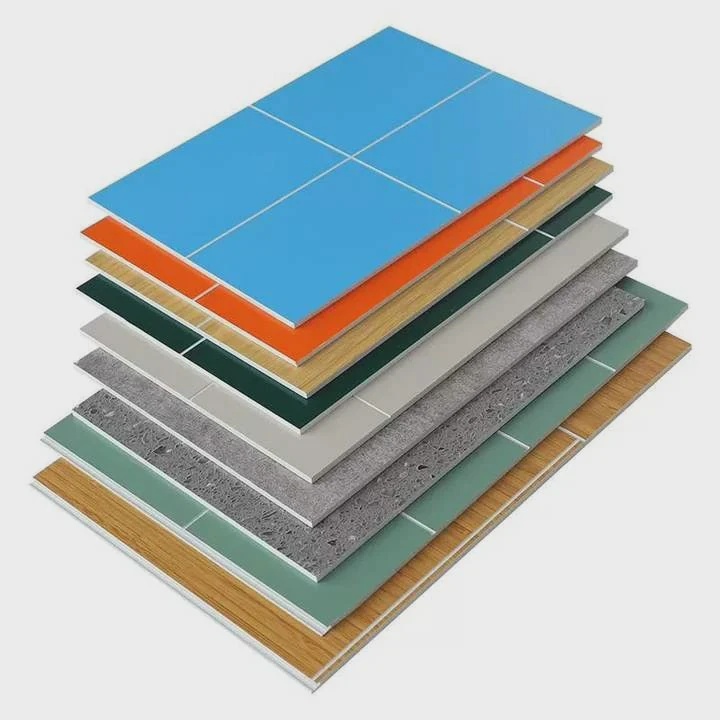
Methods for leveling
There are two main ways to level floors: sanding high spots or filling low spots. Choose based on floor type.
Low spots
Use self-leveling compound. Mix and pour according to instructions. The liquid spreads and fills dips automatically.
High spots
Sand or grind concrete or wood to reduce height. Do this carefully to avoid damage.
Check with a straightedge
Place a straight board or level across the floor. Mark areas above or below the desired height. Adjust gradually.
Step-by-step leveling process
- Clean the floor completely.
- Mark uneven areas with chalk.
- Sand high spots.
- Apply patching or leveling compound to low spots.
- Let compound dry fully before tiling.
- Recheck with a level.
| Problem | Solution | Dry Time |
|---|---|---|
| Small dip (/4 inch) | Patching compound | 2–4 hours |
| Large dip (>1⁄4 inch) | Self-leveling compound | 24 hours |
| Minor hump | Sanding or grinding | Immediate |
Leveling properly makes installation smoother. Tiles sit flat, and grout lines look even.
Which materials are needed for floor preparation?
Choosing the right materials is important. The wrong product can ruin tile adhesion or damage your subfloor.
Basic materials include cleaning tools, patching compounds, levelers, backer boards, primers, and waterproofing where needed. Each plays a role in a solid base.
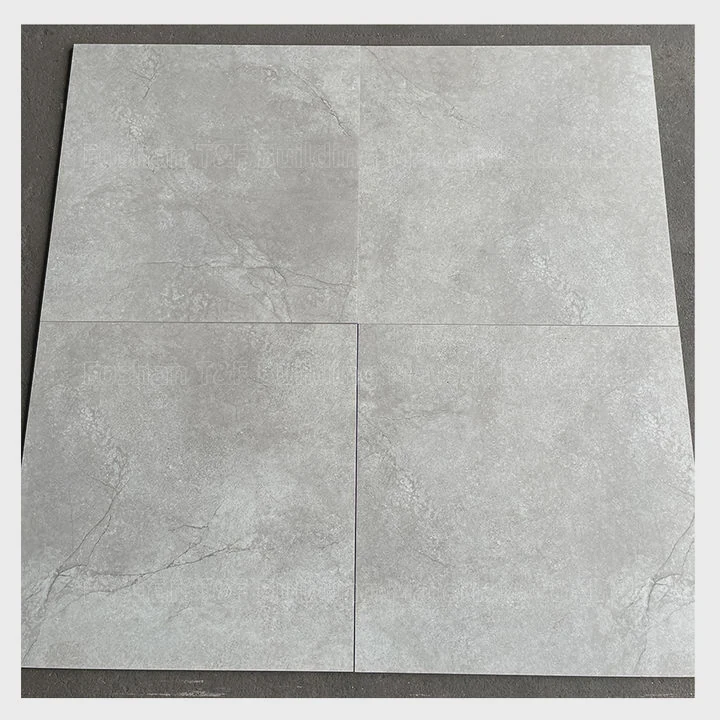
Essential tools and materials
- Broom, vacuum, or mop for cleaning
- Scraper for old adhesive
- Cement or wood filler for cracks
- Self-leveling compound
- Trowel or mixing bucket
- Cement backer board (for wood subfloors)
- Screws and anchors for securing boards
- Primer or bonding agent for adhesive
Optional materials
- Sandpaper or grinding tools
- Moisture barrier or waterproof membrane
- Tile spacers and layout tools
- Protective gloves and goggles
Material selection tips
- Match filler to subfloor type. Concrete fillers for concrete, wood fillers for plywood.
- Use primer on smooth surfaces to improve adhesion.
- Only use waterproofing products where water exposure is expected, like bathrooms or kitchens.
Table of materials and purposes
| Material | Purpose | When to Use |
|---|---|---|
| Self-leveling compound | Fill low spots | Uneven concrete or plywood |
| Cement backer board | Stabilize subfloor | Wood subfloors for tile |
| Patching compound | Repair cracks and holes | Small damage areas |
| Primer | Improve adhesion | Smooth concrete or painted surfaces |
| Waterproof membrane | Protect from moisture | Bathrooms, kitchens, basements |
Having the right materials ensures your preparation is efficient and the tiles last longer.
When should waterproofing be applied before tiling?
Water damage is a major cause of tile failure. Ignoring waterproofing can lead to mold, cracks, and ruined tiles.
Waterproofing should be applied over concrete or wooden subfloors in wet areas. It protects both the subfloor and the tile adhesive from moisture damage.
Choosing areas to waterproof
- Bathrooms
- Kitchens
- Laundry rooms
- Basements
- Areas prone to spills or leaks
Types of waterproofing
- Liquid membranes – brush or roll on, flexible after drying.
- Sheet membranes – sticky or cemented sheets, applied before tiling.
- Combination systems – some use both for high-risk areas.
Steps for applying liquid membrane
- Clean and dry the floor.
- Apply primer if recommended.
- Apply first coat of liquid membrane.
- Let it dry fully.
- Apply second coat at right angles to the first.
- Allow to cure as per product instructions before tiling.
Benefits
- Prevents moisture from seeping into the subfloor
- Reduces mold and mildew risk
- Increases tile lifespan
- Improves adhesive performance
Table comparing waterproofing types
| Type | Application | Pros | Cons |
|---|---|---|---|
| Liquid membrane | Brush/roll | Flexible, easy for corners | Must apply even layers |
| Sheet membrane | Stick/cement | Durable, instant coverage | Requires careful fitting |
| Combination | Both | Extra protection | More time and cost |
Applying waterproofing at the right time protects your investment and keeps tiles looking good for years.
Conclusion
Proper floor preparation makes tiling easier and ensures long-lasting results. Clean, level, stable, and waterproofed surfaces lead to professional-looking, durable floors.