How to Glue Tile?
- Sinotiles
- 2026-04-24
Tiles can be tricky to fix without proper glue. Wrong choice leads to cracks or loose tiles.
Choosing the right adhesive, applying it evenly, and timing your setting are key to strong tile installation. Proper steps ensure tiles stay put for years.
Let’s explore the best practices to make your tiling successful and durable.
What types of adhesives are used for tile installation?
Tiles may fail if the wrong glue is used. Some glues suit walls, others floors.
Tile adhesives vary in type: cement-based, epoxy, and mastic, each designed for specific surfaces and environments. Selecting the right type prevents tile detachment.
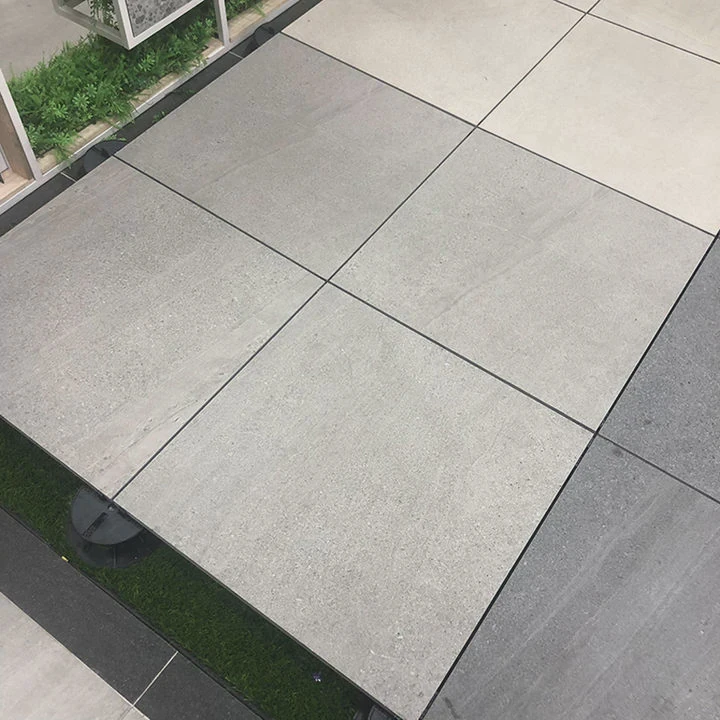
There are several types of adhesives for tiles. The most common is cement-based thinset. This type works for ceramic and porcelain tiles. It is strong and durable for floors and walls. Another option is epoxy. Epoxy glue is chemical-based, waterproof, and ideal for wet areas like bathrooms and kitchens. It also resists stains and heavy impact. Lastly, mastic adhesive is ready-mixed and easy to use. It is good for small wall tiles but not recommended for floors or wet areas because it can soften over time.
Adhesive Comparison Table
| Adhesive Type | Best For | Pros | Cons |
|---|---|---|---|
| Cement-based thinset | Floors, walls | Strong, durable, versatile | Requires mixing, slow curing |
| Epoxy | Wet areas, kitchens, bathrooms | Waterproof, stain-resistant | Expensive, tricky to apply |
| Mastic | Small wall tiles | Easy to use, ready-mixed | Not for floors or wet areas, can shrink |
When choosing glue, consider surface type, moisture, and tile size. For large tiles, use back-buttering technique with thinset for better adhesion. Epoxy works best for metal, glass, or areas exposed to water. Mastic is convenient but limited. Always read the manufacturer instructions carefully to ensure correct use.
How do you apply glue evenly on surfaces?
Uneven glue causes tiles to lift or crack. Many DIY attempts fail here.
Using a notched trowel and consistent technique spreads adhesive evenly, creating strong contact between tile and surface.
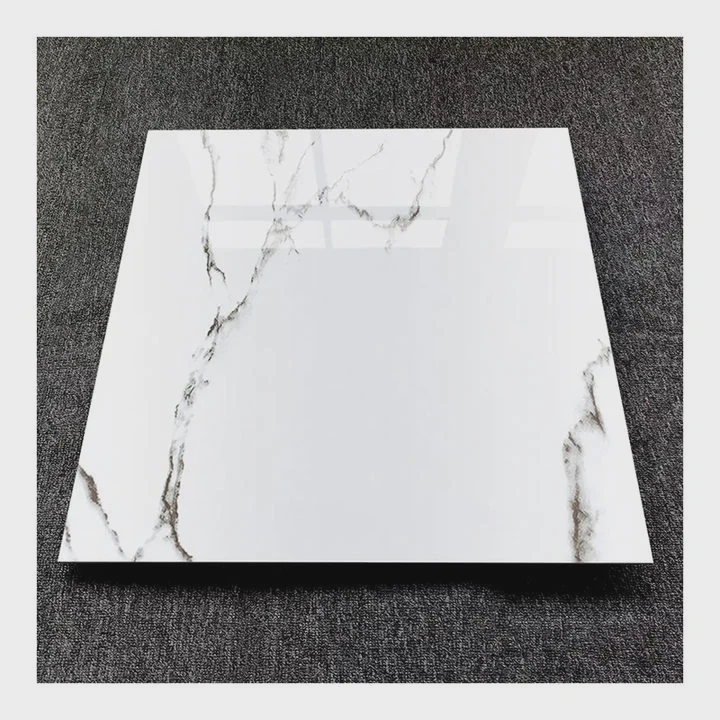
Applying glue evenly is as important as choosing the right type. First, clean the surface. Remove dust, grease, or old glue. Use a notched trowel to spread the adhesive. The size of the trowel teeth depends on the tile size. Larger tiles need bigger notches. Hold the trowel at 45 degrees for uniform coverage. Apply adhesive in small sections to prevent drying before laying tiles. Press tiles firmly and twist slightly to ensure full contact.
Steps to Apply Glue Evenly
- Clean and dry the surface.
- Mix adhesive properly if needed.
- Spread adhesive with a notched trowel.
- Check thickness with tile edges.
- Lay tiles and press evenly.
- Adjust spacing with tile spacers.
Consistency is critical. Uneven glue can create hollow spots under tiles, which may crack under pressure. Use a spirit level to check flatness after applying tiles. Some installers use a rubber mallet for gentle tapping. This ensures every tile sits flush with the surrounding ones. For wall tiles, gravity can affect adhesion, so work from bottom to top in small sections.
Which conditions ensure strong tile adhesion?
Humidity, temperature, or dirty surfaces weaken bond. Ignoring these can ruin tiles.
Strong adhesion requires a clean, dry surface, proper temperature, and correct adhesive type for the environment.
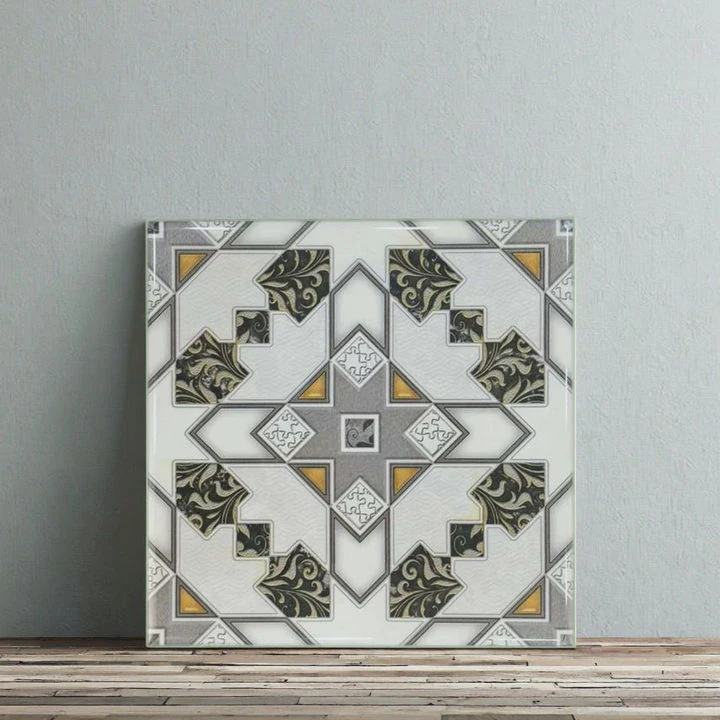
Several conditions influence tile adhesion. Surface preparation is the first. Clean, smooth, and dry surfaces are essential. Avoid dust, oils, or loose plaster. Temperature affects glue curing. Most adhesives perform best between 50°F to 90°F (10°C to 32°C). Humidity must be controlled; too much moisture slows drying. Some adhesives have additives for wet areas, but excess water is harmful. Substrate type also matters. Concrete, cement board, and plywood have different bonding strengths. Use the appropriate primer if necessary.
Environmental Conditions Table
| Condition | Recommended | Notes |
|---|---|---|
| Surface | Clean, dry, flat | Remove dust, grease, old glue |
| Temperature | 50°F–90°F (10°C–32°C) | Avoid freezing or hot conditions |
| Humidity | Low to moderate | Prevent excess moisture |
| Substrate | Concrete, cement board | Primer may be required for porous surfaces |
Tiles will adhere better if installed in proper environmental conditions. Always check adhesive manufacturer instructions for temperature and curing recommendations. Avoid direct sunlight while curing, as it can dry the surface too fast. For large tiles, back-buttering can improve adhesion by filling gaps and supporting weight. For floors, avoid walking on tiles until adhesive is fully cured.
When should tiles be set after applying adhesive?
Setting tiles too early or too late weakens bond. Timing is a common mistake.
Tiles should be set before the adhesive skins over but after achieving initial tack, following manufacturer guidelines for best results.
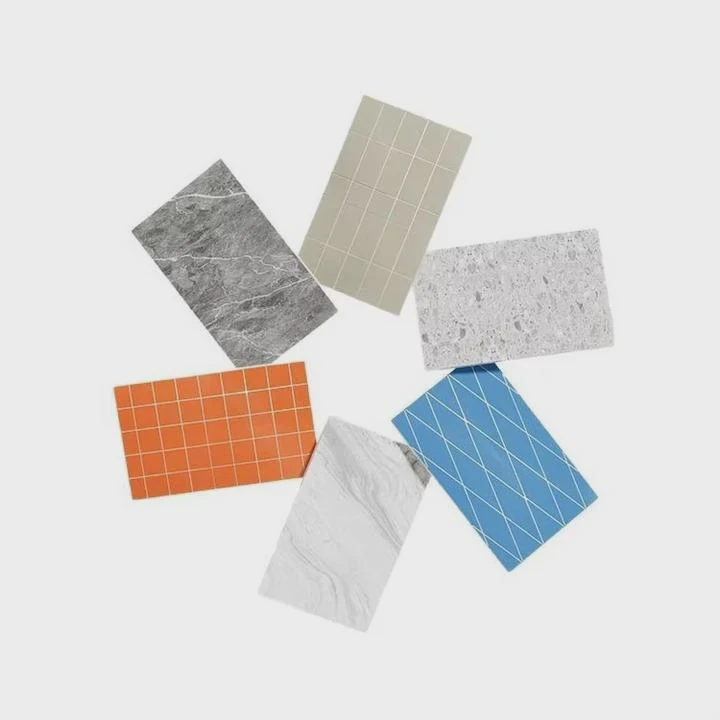
Timing is crucial. Cement-based adhesives usually allow 10–20 minutes before skin forms. Epoxy may have longer working time. Apply adhesive and start placing tiles while it is still wet. Avoid letting it dry completely before positioning. Use spacers for even gaps. Once tiles are set, leave them untouched for recommended curing time. Most adhesives require 24–48 hours before grouting. High humidity or cold weather may extend curing. Always follow product instructions to ensure strong adhesion.
Timing and Setting Tips
- Immediate Setting: Place tiles as soon as adhesive is applied.
- Check Skin Formation: Ensure adhesive is still tacky.
- Curing: Wait full curing time before grouting or foot traffic.
- Adjustments: Minor alignment changes should be done quickly before adhesive sets.
Proper timing prevents tiles from slipping or creating hollow spots underneath. Large tiles may need additional support like spacers or temporary props during curing. Avoid heavy pressure that squeezes adhesive out. If errors occur, carefully remove the tile and reapply fresh adhesive. Following timing instructions ensures a lasting, professional finish.
Conclusion
Strong tile installation relies on correct adhesive, even application, ideal conditions, and proper timing. Follow these steps to keep tiles secure and long-lasting.