How Long Do Tile Roofs Last?
- Sinotiles
- 2026-03-16
A roof can look strong from the street, but hidden wear can cut years off its life and raise repair costs fast.
Tile roofs often last 50 to 100 years, and some clay or concrete systems last even longer when the structure is sound and maintenance is done on time. The real lifespan depends on material quality, climate, installation, underlayment, and regular inspections.
That simple answer helps, but most buyers, builders, and importers need more than a number. A tile roof does not age in one straight line. The tile itself may stay strong for decades, while flashing, fasteners, underlayment, and roof framing may need attention much sooner. That is why a smart roof decision always looks at the full system, not only at the visible tile surface.
What Factors Influence Tile Roof Lifespan?
A tile roof may have a long reputation, but lifespan is never based on one single reason. Many owners focus only on the tile body. In real projects, the life of the whole roof depends on a mix of material, design, weather, and care.
The main factors that influence tile roof lifespan are material type, roof slope, installation quality, climate, structural support, underlayment condition, ventilation, and maintenance habits. Even very durable tiles can fail early when the roof system is poorly designed or ignored.
When I discuss roof life with buyers or project teams, I start with a basic point: a tile roof is a system. The visible tile is only one part. The layers under it matter just as much.
Material quality sets the baseline
Low-quality tiles often show early cracking, edge damage, color fading, or water absorption problems. Better tiles have tighter quality control, more stable density, and better shape consistency. That helps installers create stronger overlap and cleaner alignment.
A roof made with high-grade tile starts with a clear advantage. Still, even the best product cannot fix bad installation.
Installation quality decides real performance
Poor installation shortens service life faster than many owners expect. Common problems include:
- weak fastening
- wrong overlap
- poor ridge treatment
- bad flashing details
- uneven battens
- ignored drainage paths
A roof can look finished on day one and still contain mistakes that cause leaks two rainy seasons later. In many failure cases, the tile is blamed first, but the real issue sits under the tile line or around penetrations.
Climate and weather exposure matter every year
Hot sun, freeze-thaw cycles, coastal salt air, heavy rain, hail, and strong wind all shape the aging process. In dry climates, UV and heat may damage sealants and underlayment over time. In wet climates, trapped moisture can weaken supporting parts and create hidden rot.
The support structure must match the tile load
Tile is heavier than many other roofing materials. If the roof frame is weak, movement may create cracks, slipping tiles, and stress at fixing points. A long-lasting roof needs proper structural design from the start.
Underlayment often ages before the tile
This point is often missed. The tile may last for many decades, but the underlayment below it may need replacement earlier. Once that layer fails, water risk rises quickly.
| Factor | How It Affects Lifespan | Common Risk if Ignored |
|---|---|---|
| Tile quality | Better density and shape improve durability | Cracks, water absorption, uneven fit |
| Installation | Correct fixing and overlap protect the system | Leaks, slipped tiles, wind damage |
| Climate | Exposure speeds or slows aging | Freeze damage, salt wear, UV stress |
| Underlayment | Supports waterproofing below the tile | Hidden leaks under intact tiles |
| Structure | Carries the roof load safely | Sagging, tile breakage, movement |
Maintenance keeps small issues small
Small cracks, blocked valleys, broken ridge pieces, and loose flashing are easier to fix early. When they stay in place too long, the repair area grows and the roof loses years of service life.
For that reason, roof lifespan is not just a product question. It is also a management question. A well-made roof with routine care often outlasts a neglected roof built with more expensive materials.
Why Are Clay Tile Roofs Highly Durable?
Many roofing materials can protect a building for years, but clay tile has a special place in long-life construction. Owners often choose it because it keeps both its shape and performance for a very long time.
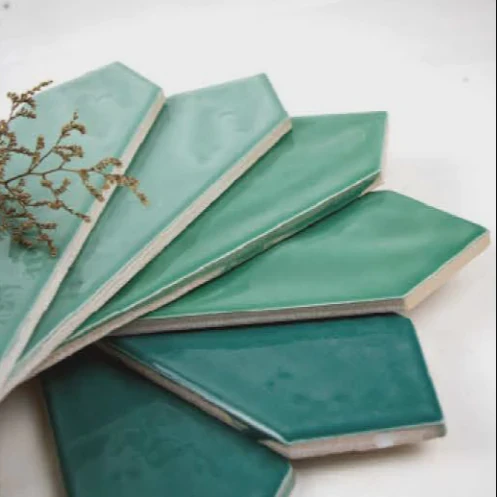
Clay tile roofs are highly durable because fired clay is dense, stable, resistant to sun, rot, insects, and fire, and able to hold performance for decades with proper installation and maintenance. Their natural composition also helps them resist fading and weathering better than many lighter roofing options.
Clay tile earns trust over time because it performs well in real buildings, not just in product claims. Many old homes and public buildings still use clay roofing after several decades, and some go far beyond that.
Fired clay creates a stable body
The production process matters. Clay tiles are formed and fired at high temperatures. That process creates a hard ceramic body with strong resistance to heat and sunlight. Unlike some materials that become brittle fast under UV exposure, clay holds up well under long-term sun.
Clay does not attract the same risks as organic materials
Wood can rot. Some roofing products can warp. Insects can damage organic surfaces. Clay does not face those same problems in normal use. This gives it a major durability edge, especially in regions with heat, moisture, or pest pressure.
Good design helps clay perform even better
Clay tiles work well because roof systems are made to shed water, allow airflow, and create overlapping protection. Water does not rely on one flat membrane alone. It moves down the roof through shaped channels and overlaps. That simple physical design supports long-term use.
Durability also comes from color stability
Many buyers care about appearance because roof replacement is expensive and disruptive. Clay often keeps its visual appeal for a long time. In many cases, the color is part of the tile body or strongly bonded to the surface. That helps reduce the tired look that some other materials develop early.
Clay still needs the right project conditions
Even highly durable clay is not magic. Poor handling can crack pieces before installation. Weak roof framing can create movement. Bad foot traffic can break tiles. Cheap accessories can fail before the tile does.
| Clay Tile Strength | Why It Matters in Long-Term Use |
|---|---|
| UV resistance | Helps the roof perform well under strong sunlight |
| Fire resistance | Adds safety and reduces material vulnerability |
| Rot and insect resistance | Prevents common organic material failures |
| Color stability | Keeps the roof attractive for longer |
| Long service history | Gives owners confidence based on proven use |
The hidden lesson behind clay tile life
When people ask why clay lasts so long, the answer is not only “because it is hard.” The better answer is this: clay tile combines a durable ceramic body with a roofing design that manages water, heat, and weather in a simple and proven way. That mix is what gives clay roofing its long reputation in both residential and commercial work.
When Should Tile Roofs Be Inspected for Maintenance?
A tile roof may look solid from the ground, so many owners delay inspections until they see a leak. That approach often turns a minor repair into a bigger and more expensive job.
Tile roofs should be inspected at least once a year and also after major storms, high winds, hail, falling debris, or any visible sign of damage. Early inspections help catch broken tiles, flashing issues, blocked drainage, and underlayment problems before they spread.
In practice, maintenance timing matters almost as much as maintenance quality. A small crack found early may need only a simple tile replacement. The same crack left through one wet season can lead to moisture damage below the surface.
Annual inspection is the basic rule
A yearly inspection gives owners a regular check point. This works well for many homes and commercial buildings in stable climates. It creates a simple habit and makes roof aging easier to track over time.
Seasonal checks help in tougher climates
Some regions need more attention. Roofs in areas with snow, freeze-thaw movement, heavy rain, or strong summer storms may benefit from checks in spring and fall. That schedule helps owners prepare before the harsh season and review after it.
Storm damage should never wait
High wind can lift or shift tiles. Hail can chip surfaces. Tree branches can crack pieces or damage ridges. Even when the roof still looks mostly intact, storm force may weaken key details around edges, chimneys, skylights, and valleys.
Watch for these warning signs
Owners do not need to wait for water dripping from the ceiling. A roof may need inspection when there is:
- cracked or slipped tile
- stain marks on ceilings
- debris buildup in valleys
- moss or plant growth
- loose ridge pieces
- damaged flashing
- unusual drafts or moisture in the attic
Inspection should look beyond the tile face
This is one point I always stress. Many people think roof inspection means counting broken tiles. A good inspection also checks flashing, fasteners, seal points, drainage paths, and underlayment condition where visible.
A practical maintenance schedule
| Inspection Timing | Why It Matters | What to Check |
|---|---|---|
| Once a year | Tracks normal aging | Tiles, ridges, flashing, debris |
| After storms | Finds impact or wind damage early | Cracks, slipped tiles, edge details |
| Before wet season | Reduces leak risk | Drainage, overlaps, seal points |
| Before property sale or purchase | Avoids hidden repair cost | Full system condition |
| After nearby tree work or construction | Finds accidental damage | Surface cracks, broken edges |
Preventive care saves more than repair cost
A scheduled inspection does more than prevent leaks. It protects insulation, ceilings, wall finishes, and structural wood. It also helps owners plan budgets with fewer surprises. In many projects, the cost of a simple inspection is tiny compared with the cost of delayed repair. That is why maintenance timing should be built into ownership, not treated as an optional extra.
Which Tile Roofing Materials Last the Longest?
Buyers often compare clay, concrete, slate-style systems, and other roofing products by price first. Price matters, but roof lifespan can change the full cost picture over time.
Among common tile roofing materials, clay and slate are often seen as the longest-lasting, while high-quality concrete tile also offers a very long service life. The best choice depends on climate, structure, budget, maintenance level, and the expected life of the whole roof system.
Material comparison should stay practical. A product may have an impressive theoretical lifespan, but that does not always mean it is the best match for every project.
Clay tile: long life with classic value
Clay remains one of the most trusted options for long-term roofing. It has a strong record in hot climates and in projects where owners want a traditional or premium look. With proper support and care, clay can remain serviceable for many decades.
Concrete tile: durable and widely used
Concrete tile is also a strong long-life option. It is often chosen because it balances durability, cost, and design flexibility. It can imitate other roof looks while still providing solid service life. Still, quality level and manufacturing consistency matter a lot.
Slate: exceptional life, but higher demands
Natural slate is often placed at the top for lifespan. In the right project, it can last a very long time. But slate usually comes with higher material cost, higher installation skill demands, and structural weight concerns. It is not always the most practical choice for average projects.
Composite and metal-look alternatives
Some modern alternatives try to copy the look of tile while reducing weight. These may offer useful benefits, but they do not always match the long-term service record of real clay, concrete, or slate systems. They fit some projects well, but buyers should compare life-cycle value with care.
The longest-lasting material is not always the smartest buy
The best roofing material should match five things at once:
1. Structural capacity
The building must carry the roof safely.
2. Local climate
Material should suit heat, moisture, freeze-thaw, wind, and salt exposure.
3. Installation skill
Even top materials need trained installers.
4. Maintenance plan
Owners should know how often the roof will be checked and repaired.
5. Budget over full life
The first cost should be weighed against expected service years.
Material comparison at a glance
| Material | Typical Lifespan Range | Main Strength | Main Limitation |
|---|---|---|---|
| Clay tile | 50–100+ years | Excellent durability and classic look | Higher weight and cost |
| Concrete tile | 40–75+ years | Strong value and wide design range | Can vary by quality and climate |
| Slate | 75–100+ years | Very long life and premium image | High cost and heavy load |
| Composite tile alternatives | 20–50+ years | Lower weight and easier handling | Shorter proven history in many markets |
What this means for real buyers
In many real-world projects, clay and high-quality concrete tile offer the best balance of life, appearance, and market acceptance. Slate may last the longest in pure material terms, but its cost and installation demands can limit its use. So the best answer is not only about which material can last longest on paper. It is about which material can deliver long service in the actual building, under local weather, with proper support and proper care.
Conclusion
Tile roofs can last for decades, and many reach 50 to 100 years or more. The longest life comes from the right material, strong installation, sound structure, and timely inspections. A roof lasts longest when the whole system is treated with care from day one.