how do i clean marble tile?
- Sinotiles
- 2026-04-22
Marble tiles look beautiful, but they stain and scratch easily. Many people use the wrong cleaner and ruin the surface in minutes.
You can clean marble tile safely by using pH-neutral cleaners, soft cloths, and gentle methods while avoiding acidic or abrasive products. Proper care keeps marble shiny and damage-free for years.
Marble needs care that is simple but consistent. In this guide, I will break down safe cleaners, stain removal, sealing, and maintenance routines step by step.
What cleaners are safe for marble tile?
Marble looks strong, but it reacts fast to harsh chemicals. Many common cleaners can dull the surface and leave permanent marks.
Safe cleaners for marble include pH-neutral solutions, mild dish soap, and stone-specific cleaners. Avoid acidic, bleach-based, or abrasive products to protect the surface.
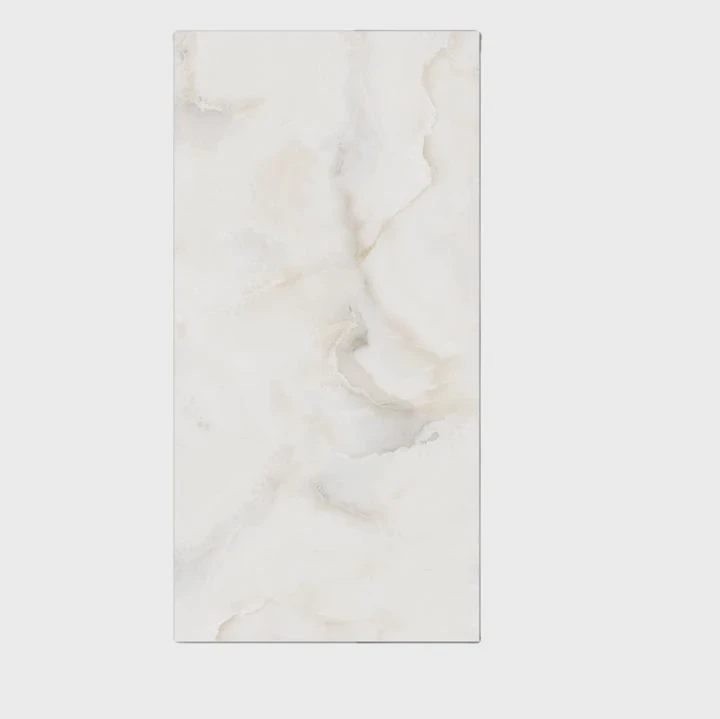
Marble is a natural stone made mostly of calcium carbonate. This makes it sensitive to acids. Even small amounts of vinegar or lemon juice can cause etching. That is why choosing the right cleaner is very important.
Safe Cleaning Options
Here are the safest types of cleaners that work well on marble:
| Cleaner Type | Safe for Marble | Notes |
|---|---|---|
| pH-neutral cleaner | Yes | Best daily option |
| Mild dish soap | Yes | Use diluted only |
| Warm water | Yes | Basic cleaning |
| Stone cleaner | Yes | Designed for marble |
| Vinegar | No | Causes etching |
| Bleach | No | Too harsh |
| Abrasive powder | No | Scratches surface |
Why pH Matters
Marble reacts to anything acidic or very alkaline. A neutral cleaner has a pH around 7. This keeps the surface stable and avoids damage.
Cleaning Tools Also Matter
It is not just about the cleaner. The tools you use also affect the result.
- Use soft microfiber cloths
- Choose non-abrasive sponges
- Avoid hard brushes or steel wool
Simple Daily Cleaning Method
- Sweep or dust the tile
- Mix warm water with mild soap
- Wipe with a soft cloth
- Dry the surface to avoid water spots
Common Mistakes to Avoid
- Using vinegar for shine
- Scrubbing hard stains aggressively
- Letting water sit on the surface
- Using bathroom or kitchen strong cleaners
I have seen many buyers damage marble within weeks because they treat it like ceramic tile. Marble needs a softer approach. When you use the right cleaner, the surface stays smooth and glossy.
How do you remove stains without damaging marble?
Stains on marble can feel permanent, and many people panic and use strong chemicals. This often makes the problem worse.
You can remove marble stains safely by using gentle poultices, baking soda paste, or stone-safe stain removers without scrubbing aggressively.
Marble stains happen because the stone is porous. Liquids can seep inside and leave marks. Different stains need different methods.
Types of Marble Stains
| Stain Type | Common Source | Removal Method |
|---|---|---|
| Oil stains | Cooking oil, grease | Baking soda paste |
| Organic | Coffee, tea, wine | Hydrogen peroxide |
| Rust | Metal objects | Rust remover (stone-safe) |
| Water spots | Hard water | Buffing with dry cloth |
What is a Poultice?
A poultice is a paste that pulls stains out of the stone. It works slowly but safely.
Basic steps:
- Mix baking soda with water
- Apply thick layer on stain
- Cover with plastic wrap
- Leave for 24 hours
- Wipe and rinse
Why Gentle Methods Work Better
Marble stains are often deep. Scrubbing only damages the surface layer. A poultice pulls the stain upward instead of pushing it deeper.
Important Tips
- Always test on a small area first
- Never mix random chemicals
- Repeat the process if needed
- Be patient, results take time
What Not to Do
- Do not use acidic cleaners
- Do not use sharp tools to scrape
- Do not apply heat directly
- Do not over-wet the area
Real Experience Insight
In many export projects, clients report stains after installation. Most of the time, the issue is not the tile quality but improper cleaning methods. Once they switch to gentle removal, the marble recovers well.
Stain removal is not about speed. It is about using the right process. Marble rewards patience.
Can sealing protect marble from etching?
Many people think sealing marble will make it completely stain-proof and damage-proof. That is not fully correct.
Sealing marble helps reduce stains by slowing absorption, but it does not prevent etching caused by acids.
Sealing adds a protective layer inside the pores of marble. It works like a barrier but not a shield.
What Sealing Actually Does
- Reduces liquid absorption
- Slows down staining
- Makes cleaning easier
- Extends tile lifespan
What Sealing Does NOT Do
- It does not stop acid damage
- It does not prevent scratches
- It does not replace cleaning
How Sealing Works
A sealer penetrates the stone and fills tiny pores. This limits how fast liquids enter the surface.
Types of Sealers
| Sealer Type | Function | Use Case |
|---|---|---|
| Penetrating sealer | Absorbs into stone | Best for marble |
| Surface sealer | Coats top layer | Less common |
| Enhancing sealer | Darkens color slightly | Decorative effect |
When to Seal Marble
- After installation
- After deep cleaning
- Every 6–12 months depending on use
Simple Water Test
You can check if sealing is needed:
- Drop water on tile
- Wait 10 minutes
- If water absorbs, reseal
Why Etching Still Happens
Etching is a chemical reaction. Acid reacts with calcium carbonate and leaves dull spots. A sealer cannot stop this reaction.
Practical Advice
In commercial projects, sealing is always recommended. It reduces maintenance cost and keeps the tile looking new longer.
Sealing is not a magic fix, but it is a smart preventive step.
How often should marble tiles be maintained?
Many people clean marble only when it looks dirty. This approach shortens the tile’s life and increases repair costs.
Marble tiles should be maintained daily with light cleaning, weekly with deeper care, and sealed periodically to preserve their appearance and durability.
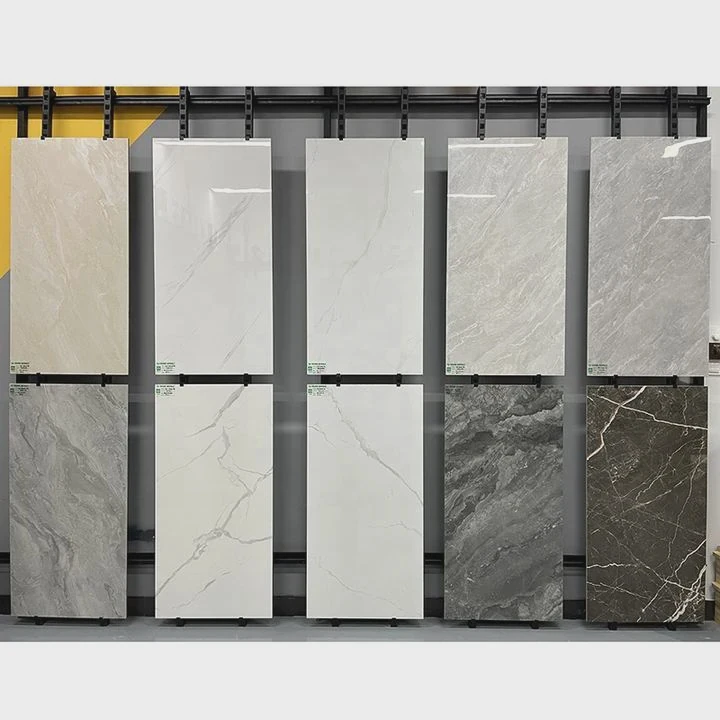
Maintenance is about consistency. Small daily actions prevent big problems later.
Daily Maintenance
- Sweep or dust
- Wipe spills immediately
- Use soft cloths
Weekly Maintenance
- Mop with pH-neutral cleaner
- Dry the surface
- Check for stains
Monthly Maintenance
- Inspect grout lines
- Polish lightly if needed
- Spot clean problem areas
Annual Maintenance
- Reseal marble
- Deep clean professionally if needed
Maintenance Schedule Overview
| Task Type | Frequency | Purpose |
|---|---|---|
| Dusting | Daily | Prevent scratches |
| Mopping | Weekly | Remove dirt buildup |
| Inspection | Monthly | Catch issues early |
| Sealing | 6–12 months | Protect surface |
Why Regular Care Matters
Marble wears down slowly. Dirt acts like sandpaper. If not cleaned, it scratches the surface over time.
Common Maintenance Mistakes
- Skipping drying after cleaning
- Using too much water
- Ignoring small stains
- Delaying sealing
Real Business Perspective
In large-scale supply projects, long-term maintenance is always discussed with buyers. Good maintenance reduces complaints and improves customer satisfaction. It also protects brand reputation in the local market.
Simple Rule to Follow
Clean often, clean gently, and protect early. This approach always works better than fixing damage later.
Conclusion
Marble tile cleaning is simple when done correctly. Use gentle cleaners, remove stains carefully, seal regularly, and follow a consistent maintenance routine to keep marble beautiful and long-lasting.