How Long Should Tile Set Before Grouting?
- Sinotiles
- 2026-04-22
Fresh tile looks perfect at first. But many projects fail because people rush the next step. Grouting too early can ruin hours of work.
Tiles should usually set for 24 to 48 hours before grouting. This time allows mortar to cure and gain strength. Skipping this step can cause loose tiles, cracks, and uneven surfaces.
Many beginners focus only on tile placement. But the waiting time is just as important. Let me explain why this step matters and how to do it right.
Why is curing time important before grouting?
Fresh mortar looks solid. But inside, it is still weak and unstable. Grouting too early can destroy the bond you just created.
Curing time allows mortar to harden fully and secure tiles in place. Without enough curing, tiles may shift, causing cracks, uneven lines, and weak adhesion.
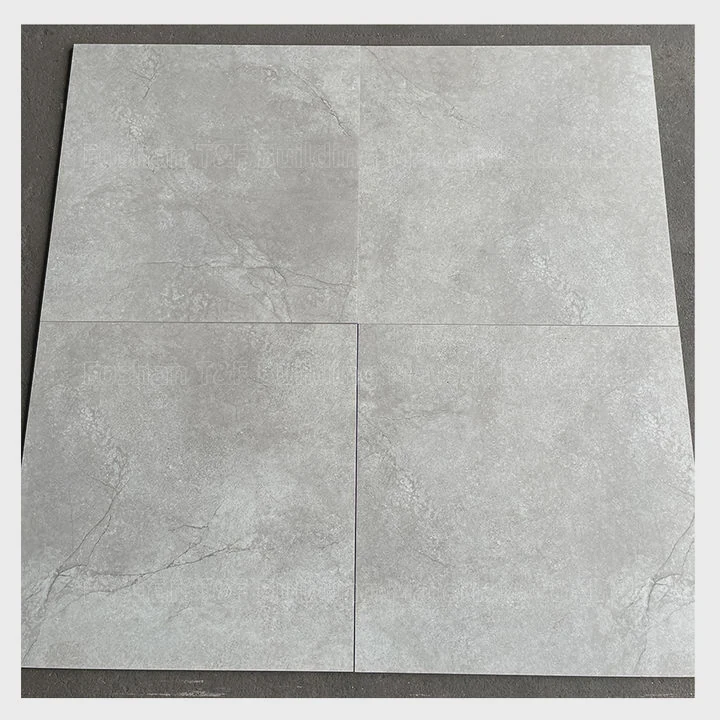
When I work with clients, I always explain that curing is not just “waiting.” It is a chemical process. Cement-based mortar reacts with water and slowly gains strength. This process is called hydration.
What happens during curing?
- Moisture reacts with cement particles
- Internal structure becomes dense
- Bond strength increases
- Tiles lock firmly to the substrate
If grout is applied too early, pressure is added to tiles that are still unstable. Even small movement can break the bond underneath.
Common misunderstanding
Many people think tiles are ready once they “feel dry.” This is not correct. Surface dryness does not mean full curing.
Here is a simple comparison:
| Stage | What You See | What Actually Happens |
|---|---|---|
| 0–6 hours | Wet mortar | No strength |
| 6–24 hours | Looks firm | Weak bonding |
| 24–48 hours | Dry surface | Strong bonding begins |
| 48+ hours | Fully set | Ready for grouting |
Why patience saves money
Rushing this step can lead to:
- Tile lifting later
- Hollow sounds under tiles
- Cracked grout lines
- Costly repairs
I have seen projects where entire floors had to be redone just because installers skipped one day of waiting.
So curing time is not a delay. It is protection for your investment.
How long should mortar set before grouting tiles?
Timing depends on materials, environment, and tile size. But there are safe general rules.
Most tile installations require 24 to 48 hours before grouting. Large tiles, thick mortar, or humid conditions may need longer curing time.
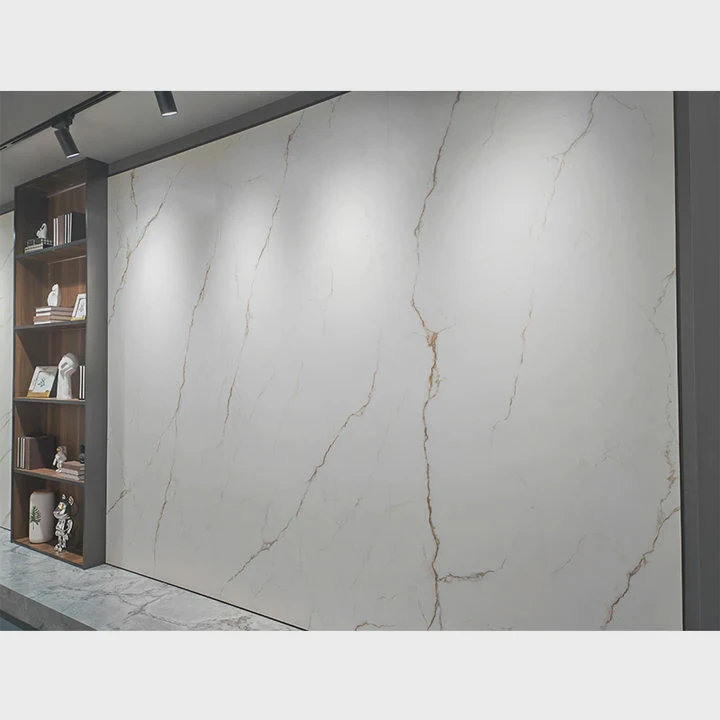
In my experience, there is no one-size-fits-all answer. But we can break it down into practical guidelines.
Standard curing time
| Condition | Recommended Time |
|---|---|
| Normal indoor | 24 hours |
| Large format tiles | 48 hours |
| High humidity | 48–72 hours |
| Cold weather | 48+ hours |
| Fast-setting mortar | 6–12 hours (check product) |
Factors that affect curing time
1. Tile size
Large tiles trap more moisture underneath. This slows down curing. That is why big slabs often need extra time.
2. Mortar type
- Standard thin-set: needs longer curing
- Fast-setting mortar: shorter time but higher cost
Always check the manufacturer’s instructions. Some products are designed for quick installation.
3. Temperature and humidity
- Warm, dry air speeds up curing
- Cold or damp air slows it down
For example, in humid regions, I always recommend waiting closer to 48 hours.
4. Substrate condition
Concrete, cement board, or old surfaces all behave differently. Some absorb water faster, which affects curing speed.
A simple rule I follow
If unsure, wait longer. Waiting an extra day is always safer than repairing a failed installation.
What risks occur if grout is applied too early?
Many people underestimate this step. But early grouting can create serious problems that are hard to fix later.
Applying grout too early can cause tile movement, weak bonding, cracks, and uneven grout lines. These issues reduce durability and appearance.
Let me break down the real risks I have seen in projects.
1. Tile movement
When grout is pressed into joints, it applies force. If mortar is not cured, tiles can shift slightly.
Even a small movement can:
- Break alignment
- Create uneven spacing
- Ruin visual symmetry
2. Weak adhesion
Early grouting traps moisture inside mortar. This interrupts the curing process.
As a result:
- Mortar never reaches full strength
- Tiles may loosen over time
- Hollow sounds appear
3. Cracked grout lines
Grout relies on stable tiles. If tiles move later, grout will crack.
This leads to:
- Water penetration
- Mold growth
- Maintenance problems
4. Uneven surface
If tiles shift during grouting, the surface becomes uneven.
This is especially dangerous for:
- Large format tiles
- Polished surfaces
- Commercial flooring
5. Cost of repair
Here is a simple breakdown:
| Problem | Result | Cost Impact |
|---|---|---|
| Tile movement | Reinstallation | High |
| Cracked grout | Regrouting | Medium |
| Loose tiles | Replacement | High |
| Water damage | Structural repair | Very high |
I once worked on a hotel project where early grouting caused widespread tile lifting. The entire floor had to be removed. That delay cost weeks and thousands of dollars.
So the risk is real. And it is avoidable.
When is it safe to proceed with grouting?
Knowing the right timing is key. You need clear signs before moving forward.
It is safe to grout when mortar is fully cured, tiles are firm, and there is no movement under pressure. This usually happens after 24–48 hours under normal conditions.
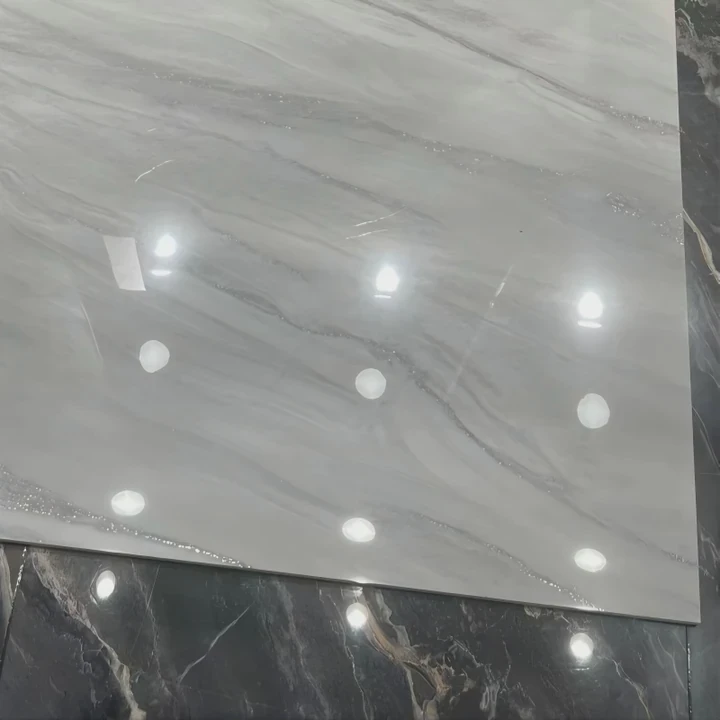
I always recommend checking both time and physical condition before grouting.
Key signs to look for
1. Tiles feel solid
Press gently on tiles. There should be no movement.
2. No hollow sound
Tap tiles lightly. A solid sound means proper bonding.
3. Mortar color changes
Cured mortar usually becomes lighter and consistent in color.
4. Joints are dry
Excess moisture in joints means curing is not complete.
Step-by-step check
- Wait at least 24 hours
- Inspect tile stability
- Check environmental conditions
- Confirm with mortar guidelines
Pro tip from experience
If you are working on:
- Large slabs
- Outdoor areas
- High-end projects
Always extend curing time. It reduces risk and improves final quality.
Why timing affects final look
Grouting is not just filling gaps. It defines the final appearance.
If done at the right time:
- Lines are clean
- Surface is level
- Tiles stay in place
If done too early:
- Lines look uneven
- Tiles shift
- Finish looks unprofessional
That is why I always treat grouting as a precision step, not a quick finish.
Conclusion
Waiting 24–48 hours before grouting ensures strong bonding and a stable tile surface. Rushing this step leads to costly problems. Proper timing protects both quality and durability.