How Do I Install Bathroom Tile?
- Sinotiles
- 2026-06-08
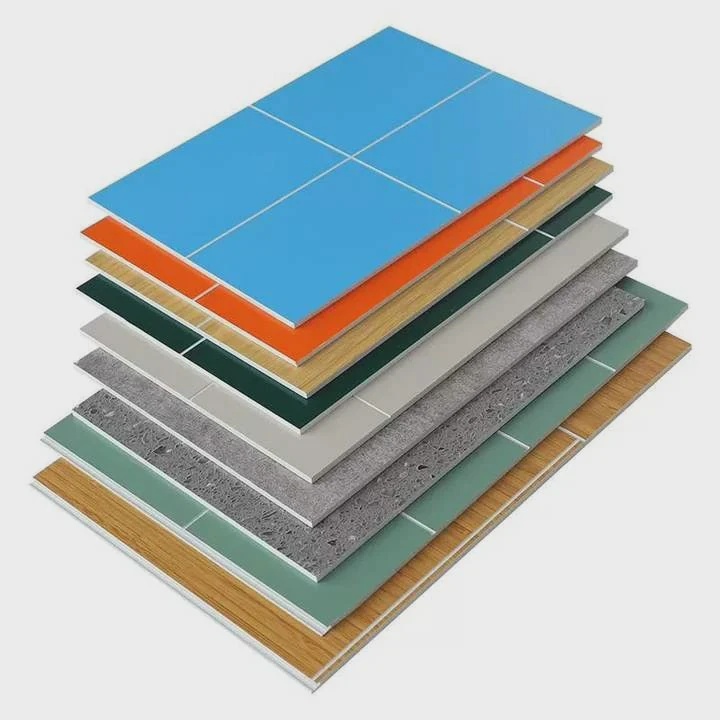
A bathroom tile project can look simple at first. Many people start without a plan and end up wasting time, money, and materials.
Installing bathroom tile starts with proper planning, accurate measurements, surface preparation, waterproofing, and a clear layout design. When each step is done correctly, the finished tile surface looks better, lasts longer, and reduces future maintenance problems.
Many tile failures do not happen because of bad tiles. They happen because the preparation work was rushed. Before opening the first box of tiles, it is important to understand the process from start to finish.
What Planning Steps Are Required First?
Many bathroom tile projects go wrong before the first tile touches the wall or floor. Poor planning often leads to uneven layouts, material shortages, and expensive corrections.
The first planning steps include measuring the bathroom, selecting the tile type and size, calculating material quantities, checking the substrate condition, and preparing all tools before installation begins.
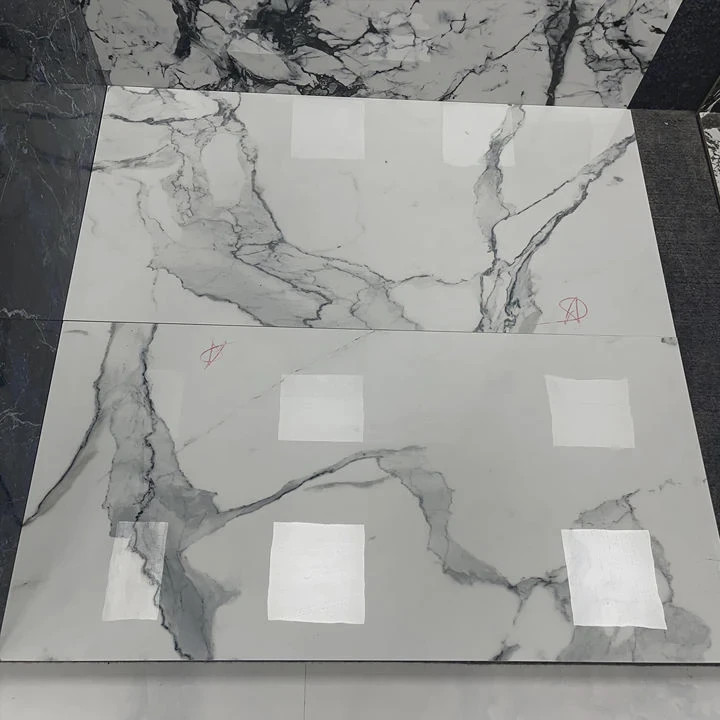
Good planning creates the foundation for a successful tile installation. Before any work begins, I always spend time understanding the bathroom space and the project requirements.
Measure Every Surface Carefully
The first task is measuring the floor area and wall surfaces. Accurate measurements help determine how many tiles are needed.
A simple mistake in measurement can create delays later. It is always safer to order extra material to cover cuts, breakage, and future repairs.
| Planning Item | Why It Matters |
|---|---|
| Room measurements | Determines tile quantity |
| Tile size selection | Affects layout and waste |
| Surface inspection | Prevents future failures |
| Material calculation | Reduces shortages |
| Tool preparation | Improves efficiency |
Choose the Right Tile
Bathrooms experience constant moisture exposure. Because of this, tile selection should focus on both appearance and performance.
Common bathroom tile options include:
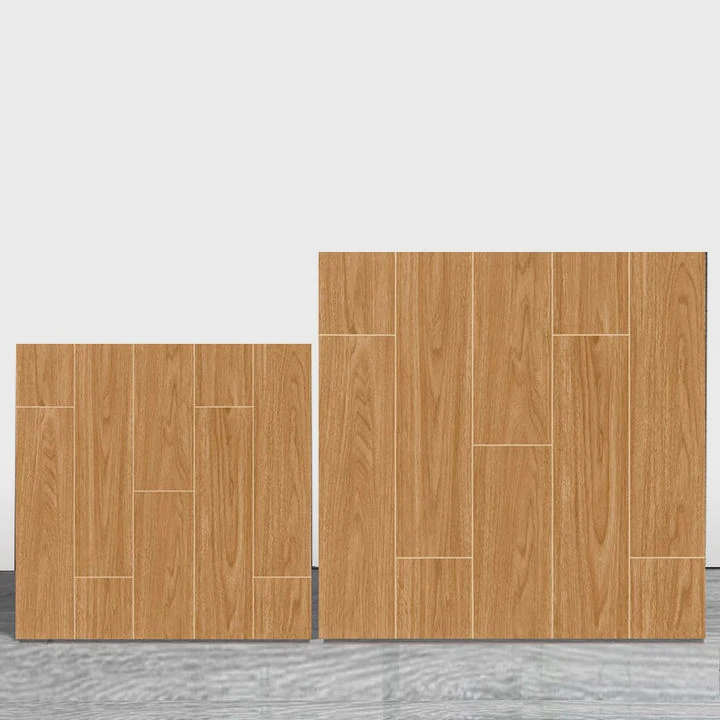
- Glazed porcelain tiles
- Ceramic wall tiles
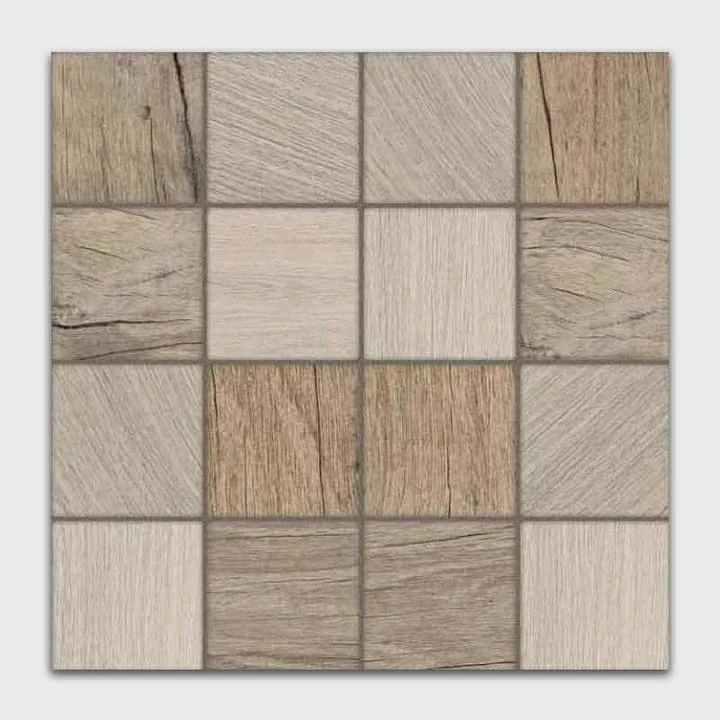
- Mosaic tiles
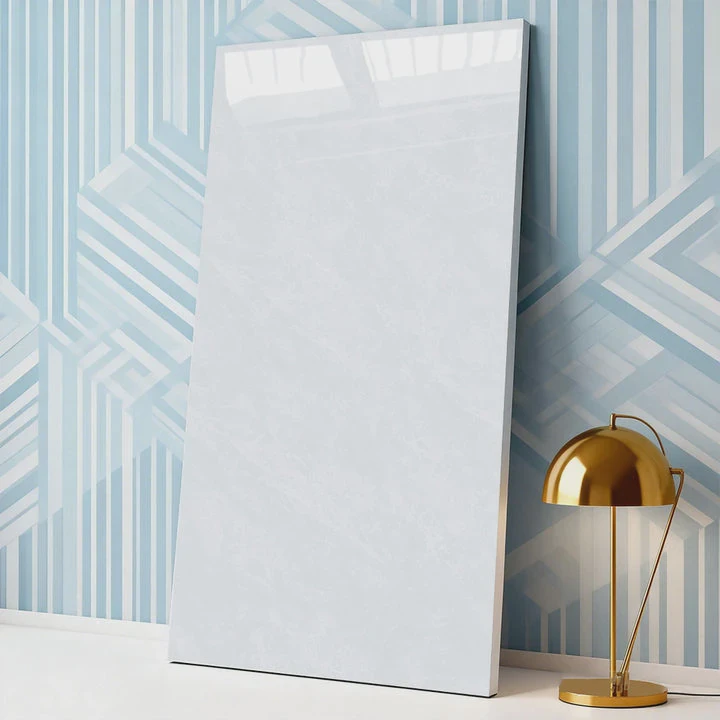
- Large-format porcelain tiles
- Anti-slip floor tiles
Many commercial buyers and contractors prefer porcelain tiles because they offer low water absorption and strong durability.
Check the Substrate
The substrate is the surface beneath the tile. Even high-quality tiles can fail if the substrate is weak.
Before installation, I inspect:
- Flatness
- Cracks
- Moisture damage
- Structural movement
- Existing coatings
Any problem discovered at this stage is much cheaper to fix than after installation.
Prepare Tools and Materials
Having everything ready helps avoid interruptions during installation.
Typical tools include:
- Tile cutter
- Tile spacers
- Notched trowel
- Spirit level
- Measuring tape
- Rubber float
- Grout sponge
Create a Material Budget
Budget planning should include more than tile costs.
Expenses often include:
- Tiles
- Adhesive
- Waterproofing products
- Grout
- Trim pieces
- Labor
- Waste allowance
A complete budget reduces surprises later.
Planning may not be the most exciting part of the project, but it is often the reason one installation lasts for decades while another fails within a few years.
How Can Layout Improve Tile Appearance?
Many bathrooms use expensive tiles but still look average. In many cases, the problem is not the tile itself. The problem is the layout.
A well-designed tile layout improves visual balance, reduces small tile cuts, creates symmetry, and makes the bathroom appear larger and more professional.
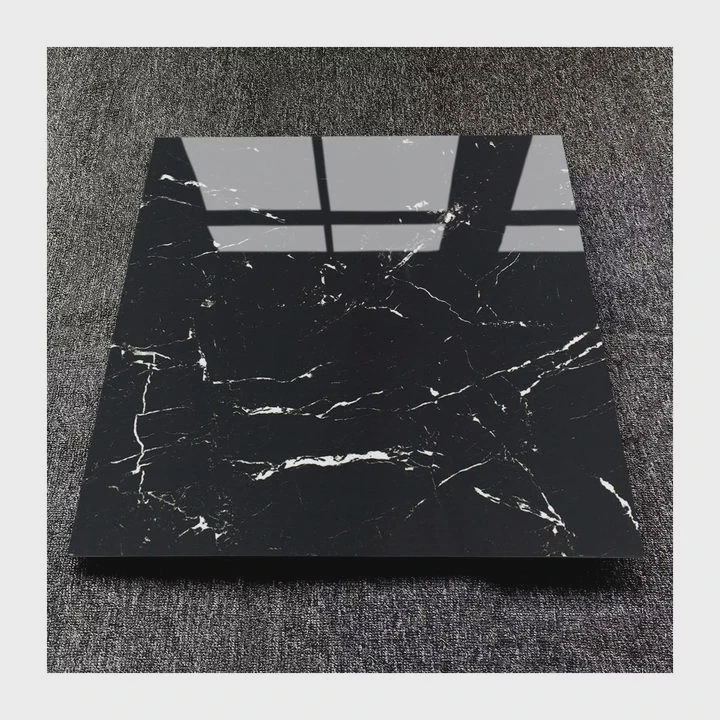
Layout design is one of the most overlooked parts of bathroom tile installation. Yet it has one of the biggest effects on the final appearance.
Start From the Center
One common technique is finding the center line of the room.
When tiles are balanced around the center, the space feels more organized and visually appealing. This approach also helps prevent very narrow tile pieces along one wall.
Dry Layout Before Installation
Before applying adhesive, I often place several rows of tiles on the floor.
This dry layout allows adjustments before permanent installation begins.
Benefits include:
- Better visual planning
- Reduced cutting mistakes
- Improved symmetry
- More accurate material usage
Consider Tile Size
Tile size changes how a bathroom feels.
| Tile Size | Visual Effect |
|---|---|
| Small tiles | More grout lines and texture |
| Medium tiles | Balanced appearance |
| Large-format tiles | Cleaner and more spacious look |
| Mosaic tiles | Decorative detail and flexibility |
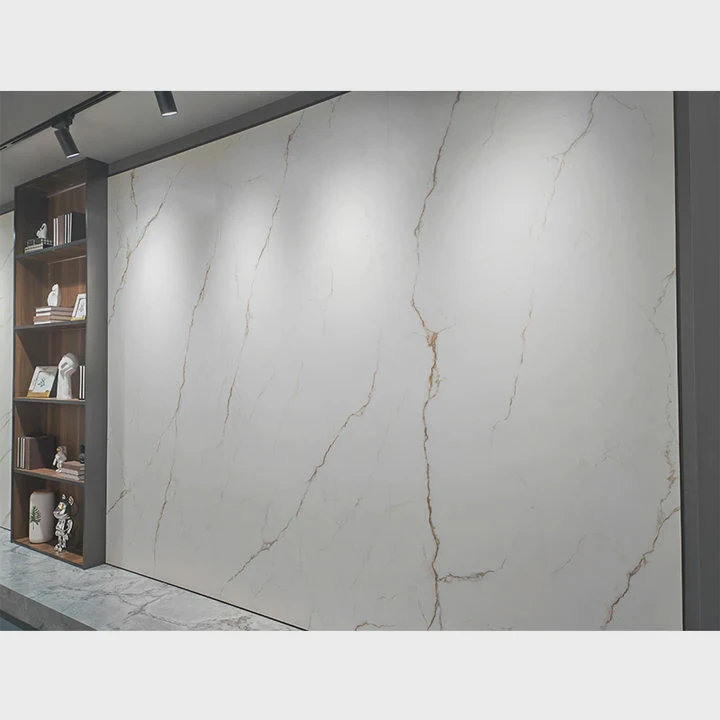
Large-format tiles have become increasingly popular because they create fewer grout joints and a more modern appearance.
Align Key Features
The layout should consider major bathroom elements.
Examples include:
- Vanity centerline
- Shower niche
- Toilet location
- Bathroom entrance
- Feature wall
When grout lines align with these features, the design appears intentional rather than random.
Manage Tile Cuts
Every bathroom requires some tile cutting. The goal is to make those cuts less noticeable.
I try to avoid:
- Tiny tile strips
- Uneven edge cuts
- Different cut sizes on opposite walls
Balanced cuts on both sides usually create a cleaner result.
Think About Visual Direction
Tile orientation can influence how large a room feels.
Horizontal layouts often make walls appear wider.
Vertical layouts can make ceilings appear taller.
Rectangular tiles provide more design flexibility than square tiles because they can be installed in multiple directions.
Use Pattern Carefully
Popular installation patterns include:
- Straight lay
- Brick pattern
- Herringbone
- Stacked layout
- Diagonal layout
Each pattern changes the room’s visual character.
A simple stacked layout often works well in modern bathrooms. More decorative patterns can become focal points when used on shower walls or accent areas.
Good layout planning transforms ordinary tiles into an attractive finished design. Even budget-friendly tiles can look premium when the layout is carefully planned.
Why Is Waterproofing Critical In Bathrooms?
A bathroom may look dry on the surface, but moisture constantly moves through the space. Without waterproofing, hidden damage can begin long before visible signs appear.
Waterproofing protects walls, floors, and structural materials from moisture penetration. It helps prevent mold growth, tile failure, substrate damage, and costly repairs.
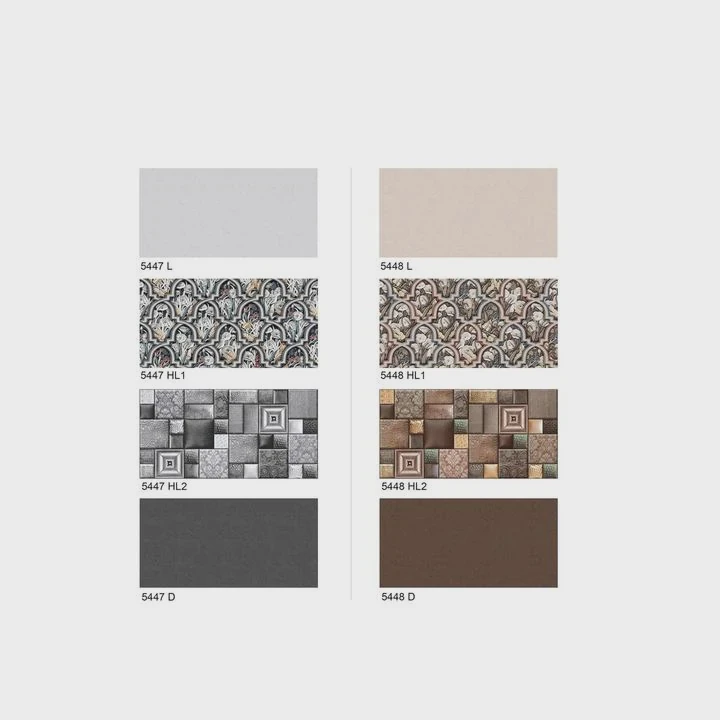
Many people believe tile itself creates a waterproof barrier. This is one of the biggest misunderstandings in bathroom construction.
Tile Is Not Waterproof
Tiles can resist water, but grout joints and installation gaps still allow moisture movement.
Water can travel through:
- Grout joints
- Corner connections
- Pipe penetrations
- Movement joints
- Small cracks
Without a waterproof layer underneath, moisture eventually reaches the substrate.
Long-Term Moisture Damage
Water damage often develops slowly.
At first, everything may look normal. Months later, symptoms can appear.
Common signs include:
- Loose tiles
- Mold growth
- Dark stains
- Bad odors
- Swollen walls
By the time these symptoms appear, repair costs can become significant.
Waterproofing Areas That Need Protection
Not every area receives the same level of water exposure.
The highest-risk locations include:
| Bathroom Area | Waterproofing Priority |
|---|---|
| Shower floor | Very High |
| Shower walls | Very High |
| Floor outside shower | High |
| Wall behind vanity | Medium |
| Ceiling | Low |
Shower areas require the most attention because they receive direct water exposure every day.
Common Waterproofing Systems
Several waterproofing methods are widely used.
These include:
- Liquid-applied membranes
- Sheet membranes
- Cementitious coatings
- Waterproof boards
Each system has advantages depending on the project requirements.
Focus on Critical Details
Most leaks occur at transitions rather than open surfaces.
Special attention should be given to:
- Floor-to-wall corners
- Pipe openings
- Shower niches
- Drain connections
- Expansion joints
These locations often experience movement and water concentration.
Waterproofing Saves Money
Some installers try to reduce costs by skipping waterproofing.
This usually creates greater expenses later.
A failed bathroom can require:
- Tile removal
- Substrate replacement
- Mold remediation
- Plumbing inspections
- Full reinstallation
The cost difference between waterproofing and repairing water damage is often enormous.
Protecting Reputation and Performance
For contractors, builders, and distributors, waterproofing is also a reputation issue.
A bathroom that performs well for many years builds trust. A bathroom that leaks damages customer confidence.
Waterproofing may remain hidden behind the tile, but it is one of the most important parts of the entire installation system.
Which Installation Mistakes Should Be Avoided?
Even with good materials and proper planning, simple installation mistakes can ruin a bathroom tile project.
The most common installation mistakes include poor surface preparation, incorrect adhesive application, inadequate waterproofing, uneven spacing, and rushing the curing process.
Over the years, I have seen many tile failures that could have been prevented with better installation practices.
Installing Over Poor Surfaces
Tile should never be installed over unstable surfaces.
Problems include:
- Loose backer boards
- Cracked substrates
- Dust contamination
- Moisture damage
A weak foundation often leads to tile movement and cracking.
Using the Wrong Adhesive
Different tiles require different adhesives.
Large-format porcelain tiles often need adhesives designed for heavier materials.
Using the wrong product can create:
- Bond failure
- Hollow spots
- Tile movement
- Cracked grout
Manufacturers provide installation guidelines for a reason. Following them improves long-term performance.
Poor Adhesive Coverage
Insufficient adhesive coverage is another common problem.
Voids beneath the tile can create weak points.
These areas may eventually cause:
- Tile breakage
- Water penetration
- Loose tiles
Back buttering larger tiles often helps achieve better coverage.
Ignoring Level and Alignment
A small alignment error can become very visible after several rows.
Frequent checking with a level helps maintain consistency.
Common visual defects include:
- Uneven grout joints
- Lippage between tiles
- Crooked lines
- Misaligned corners
These defects reduce the professional appearance of the finished installation.
Rushing Grouting
Some installers grout too early.
Adhesive needs sufficient curing time before grouting begins.
Premature grouting can weaken the installation and affect bond strength.
Skipping Expansion Joints
Buildings naturally expand and contract.
Without movement joints, stress can build inside the tiled surface.
This may lead to:
- Cracked grout
- Tile tenting
- Surface separation
Movement joints help absorb structural changes over time.
Poor Cleaning During Installation
Cleaning should happen throughout the installation process.
Allowing adhesive or grout residue to harden on tile surfaces makes final cleanup much more difficult.
Regular cleaning keeps the work area organized and protects the tile finish.
Neglecting Final Inspection
Before handing over a completed bathroom, I always perform a final inspection.
This review includes:
- Grout consistency
- Tile alignment
- Surface cleanliness
- Waterproofing details
- Drainage performance
Small corrections at this stage are far easier than warranty repairs later.
Avoiding these common mistakes improves durability, appearance, and customer satisfaction. Most tile failures are not caused by the tile itself. They usually result from shortcuts taken during installation.
Conclusion
Bathroom tile installation succeeds when planning, layout design, waterproofing, and installation quality work together. Each step supports the next one. Taking time to do every stage correctly creates a bathroom that looks attractive, performs reliably, and lasts for many years.