How Long Does It Take to Grout Tile?
- Sinotiles
- 2026-05-07
Grouting tile can feel like a slow process. Many people wonder if it will take hours or days to finish. The timing can surprise even experienced DIYers.
The time to grout tile depends on the type of grout, tile size, and preparation work. Small tiles with narrow joints take less time, while large tiles and textured surfaces can extend the process significantly.
Knowing what affects grouting time helps you plan your project better. Let’s dive into the details so your tile installation goes smoothly.
What Factors Affect Grout Application Time?
Grouting seems simple, but many factors can slow it down. Without careful planning, you can waste hours or even days.
Several key factors determine how long it takes to apply grout: tile size, grout type, joint width, surface preparation, and experience level. Each of these influences the speed and quality of your work.
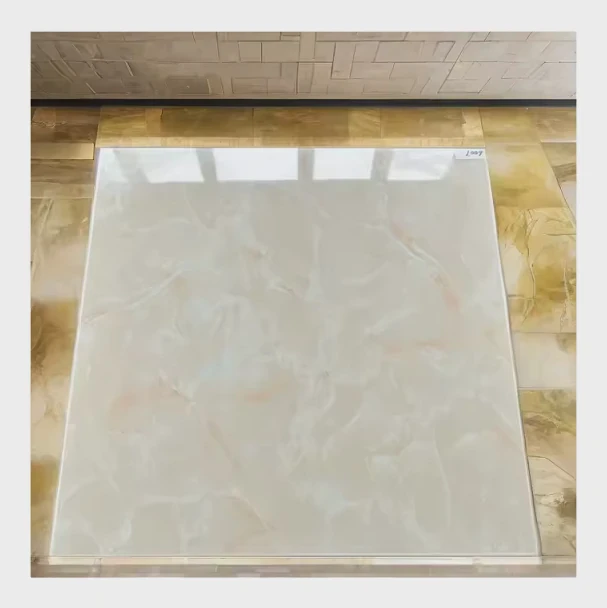
Large tiles cover more area, which can reduce the number of joints. However, larger tiles often require more careful spreading to avoid gaps. Narrow joints are quicker to fill, but very fine lines may need precise application to prevent air pockets. Grout type also matters. Epoxy grout sets faster but can be harder to spread, while cementitious grout is easier to handle but takes longer to cure. Surface preparation is often overlooked. Clean, level, and dry tiles allow smoother application. Any dust, debris, or unevenness can slow you down because grout won’t stick properly and may need extra passes.
| Factor | Effect on Grouting Time |
|---|---|
| Tile Size | Larger tiles reduce joint count, faster coverage |
| Joint Width | Narrower joints may take longer for precise filling |
| Grout Type | Epoxy faster curing, harder to spread; cementitious slower curing, easier to apply |
| Surface Preparation | Uneven or dirty surfaces slow down application |
| Experience Level | Experienced workers apply grout faster and cleaner |
Humidity and temperature can also affect setting time. High humidity slows drying, while warm, dry conditions speed it up. Finally, tools play a role. Using the correct float, sponge, and bucket makes the process more efficient and reduces mistakes that cost time.
Understanding these factors helps you predict how long a job might take. Proper planning, tile selection, and material choice are crucial to avoid unnecessary delays.
How Long Should Grout Cure Before Use?
Many people rush to walk on new tiles too soon. This can damage the grout or cause cracks.
Grout usually needs at least 24 to 72 hours to cure before heavy use, depending on the type and environmental conditions. Cement-based grout often takes longer than epoxy-based products.

Curing is the process where grout hardens and bonds to tile edges. Skipping this step can ruin your tile work. During the first 24 hours, avoid walking or placing heavy items on the tiled surface. For full curing, you might need 3 to 7 days for cement-based grout. Epoxy grout can be ready sooner, sometimes in 24 hours, but still needs careful handling.
Recommended Curing Times by Grout Type
| Grout Type | Light Foot Traffic | Full Use |
|---|---|---|
| Cement-Based | 24 hours | 72 hours |
| Epoxy | 12-24 hours | 48 hours |
| Premixed | 24 hours | 72 hours |
Temperature and humidity can affect curing too. Low temperatures or high humidity slow the process. Always follow manufacturer guidelines for best results. During curing, clean any haze with a damp sponge and avoid excess water on the grout. This ensures stronger adhesion and reduces the chance of cracks or discoloration. Patience during curing saves time and frustration later.
Which Steps Take Longest During Grouting Process?
Some parts of grouting take longer than others. Knowing which steps are time-consuming helps in planning and pacing your work.
The most time-intensive steps include surface preparation, grout mixing, and the actual application and finishing of grout lines. Each step requires care to avoid mistakes that require rework.
Preparation can be surprisingly slow. Removing spacers, cleaning tile edges, and ensuring level joints take attention to detail. Mixing grout also consumes time because proper consistency is critical. Too dry, and it crumbles; too wet, and it runs and shrinks. Application itself can be lengthy. You need to spread grout evenly, press it into joints, and remove excess from tile surfaces. Then, cleaning and finishing require multiple passes with a sponge and water. Mistakes often force extra work, which adds more time than any other step.
Breakdown of Grouting Steps
| Step | Estimated Time | Notes |
|---|---|---|
| Surface Preparation | 30-60 min per 10 m² | Clean, level, and dry surface needed |
| Mixing Grout | 5-10 min per batch | Consistency is key |
| Grout Application | 1-2 hr per 10 m² | Depends on tile size and joint width |
| Cleaning & Finishing | 30-60 min per 10 m² | Sponge multiple passes |
| Curing | 24-72 hr | No foot traffic |
Planning these steps ahead can make the project faster and smoother. Rushing any step often causes more problems and delays. Taking time to prep, mix, apply, and clean carefully reduces mistakes and improves final results.
Can Experience Reduce Grouting Time?
Experience plays a major role in how fast you can grout. Beginners often struggle with spreading evenly and cleaning efficiently.
Skilled workers can complete grouting faster and with fewer mistakes. Practice improves speed, consistency, and confidence, often cutting total time by 20-40%.
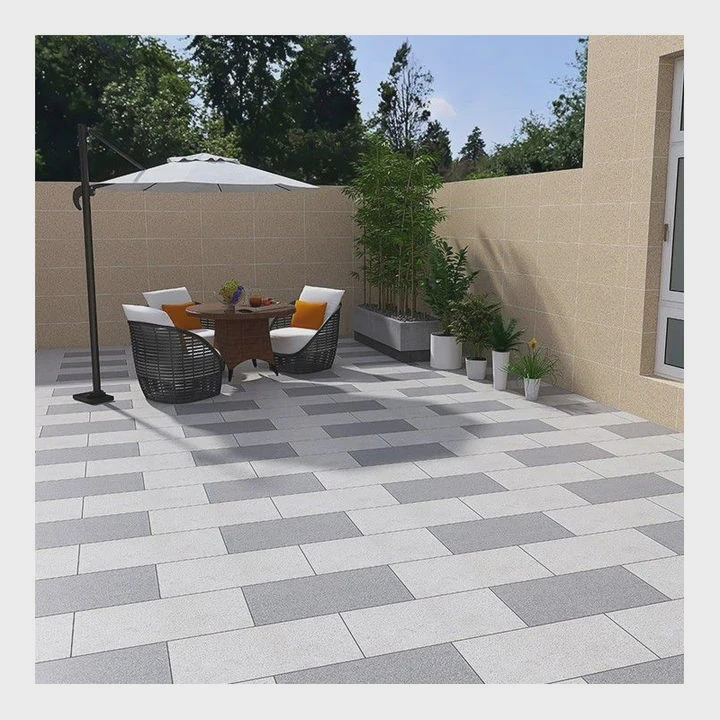
Experienced tile installers develop techniques to work efficiently. They know how to move the float at the right angle and pressure, how to clean grout haze quickly, and how to manage curing without rushing. They can judge the right amount of grout per joint and avoid over-mixing. Planning the work in batches also helps. For example, mixing smaller portions avoids waste and speeds up application. Additionally, experienced workers recognize when conditions like humidity or temperature might slow curing and adjust timing accordingly.
Tips Experienced Grout Installers Use
- Mix only what you can apply in 15-20 minutes
- Use a rubber float at a 45-degree angle
- Wipe excess grout diagonally across joints
- Keep a damp sponge ready for immediate cleanup
- Work in small sections to prevent drying out
- Maintain consistent pressure and motion
Experience also reduces stress. Beginners may panic when grout dries too fast or spills, while seasoned workers handle it calmly. Over time, you develop muscle memory for uniform pressure, cleaning speed, and timing. Even DIYers can speed up with practice. The key is repetition and careful observation. Proper tools and planning, combined with skill, make grouting faster, cleaner, and more predictable.
Conclusion
Grouting time varies depending on tile size, joint width, grout type, preparation, and experience. Careful planning and patience ensure high-quality results while reducing unnecessary delays.