How to Identify Asbestos Tile Flooring?
- Sinotiles
- 2026-05-07
Old homes and buildings may hide dangerous materials. Asbestos in tile flooring is one of them, and recognizing it early is critical for safety.
Asbestos tiles are a common hazard in older buildings. Knowing how to identify them helps prevent exposure and ensures proper handling.
Many people overlook the signs, risking health issues. Let’s dive into the ways you can recognize asbestos tiles, estimate their age, test safely, and know when to call a professional.
What visual signs indicate asbestos tile flooring?
Old tiles can look ordinary but hide asbestos. Cracks, discoloration, and brittle edges may indicate danger.
Asbestos-containing tiles often appear in patterns, colors, and textures typical of mid-20th-century construction, making visual clues important.
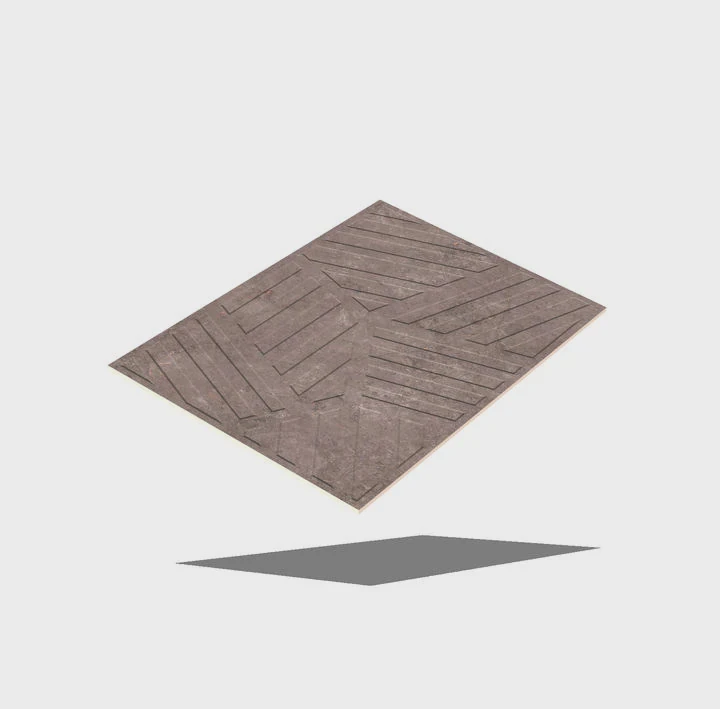
Asbestos tiles were popular between the 1920s and 1980s. They often came in 9x9 or 12x12 inches, but other sizes exist. Some have a speckled or marbled look, while others are solid colors. A key visual hint is the texture. Many asbestos tiles are very hard and feel dense. Non-asbestos vinyl or ceramic tiles usually feel lighter or more flexible. Another clue is the backing. Older asbestos tiles may have a paper or felt backing. Check for uniformity. Tiles installed in public buildings, schools, and old homes often have repetitive patterns. Edges may crumble easily or show dust when broken, which is another visual indicator. Color changes over time, especially yellowing or fading, might suggest older materials that could contain asbestos. Remember, visual signs alone cannot confirm asbestos. They only give hints to proceed with caution. You should avoid breaking or sanding tiles to check them. Even small amounts of asbestos fibers can be dangerous. Observing size, texture, color, and pattern carefully is a safe first step. Always consider testing for confirmation before any renovation work.
Visual Comparison Table
| Feature | Asbestos Tile | Non-Asbestos Tile |
|---|---|---|
| Texture | Dense, hard | Lighter, flexible |
| Size | 9x9 or 12x12 common | Various, often larger |
| Pattern | Speckled, marbled, repetitive | Varied, modern styles |
| Edge | Brittle, crumbles | Strong, resilient |
| Backing | Paper/felt | Vinyl, synthetic |
How do you determine tile age for asbestos risk?
Tile age helps estimate asbestos risk. Tiles made before the 1980s are more likely to contain asbestos.
Knowing when tiles were installed or manufactured is key to assessing asbestos presence. Older tiles carry higher risk.
Start with building records. Original construction dates or renovation receipts often give clues. Tiles installed before 1980 are suspect. Look for manufacturer marks or stamps. Many older tiles have codes, brand names, or logos on the back. Cross-reference them online or with tile catalogs. Remember, asbestos was widely used in the 1950s to 1970s for durability and fire resistance. Another method is style analysis. Popular mid-century designs often match asbestos tile trends. Color and pattern catalogs from that era can help identify age. Observe the installation method. Asbestos tiles were commonly glued with mastic adhesives. Modern adhesives may indicate newer tiles. Combine multiple clues for better accuracy. While age does not confirm asbestos, it helps determine when testing is necessary. Avoid disturbing old tiles even if unsure. Treating them as potentially hazardous is safest. Age estimation combined with visual cues strengthens your risk assessment.
Tile Age Reference Table
| Era | Tile Style | Likelihood of Asbestos |
|---|---|---|
| 1920s-1940s | Simple solid colors | Moderate |
| 1950s-1970s | Speckled, marbled, 9x9 | High |
| 1980s | Modern vinyl, large sizes | Low |
| 1990s+ | Contemporary designs | Very low |
Which tests confirm asbestos presence safely?
Testing is the only way to confirm asbestos. Airborne and bulk tests are safe when handled properly.
Certified labs can test tile samples to verify asbestos content without risking exposure.
Never rely solely on visual inspection. Asbestos fibers are invisible. The safest approach is a professional lab test. There are two main types: bulk testing and air sampling. Bulk testing involves taking a small tile sample and sending it to a certified laboratory. The lab uses microscopy to detect asbestos fibers. Air sampling measures airborne fibers in spaces where tiles may release dust. Both tests follow strict safety protocols. If sampling yourself, use personal protective equipment, including a respirator rated for asbestos. Wet the tile before collecting to minimize dust. Seal samples in a labeled, airtight container. Always follow local regulations for transport. Lab reports will specify fiber type and percentage. Knowing the exact asbestos content helps determine removal or encapsulation methods. Testing ensures informed decisions about renovation, disposal, and maintenance. Safety is the top priority.
Safe Testing Steps
- Wear a P100 respirator and gloves.
- Wet tile surface before cutting or sampling.
- Use clean tools and avoid creating dust.
- Place sample in sealed container.
- Send to accredited lab for analysis.
- Follow lab instructions for disposal of sample remnants.
Can professionals identify asbestos tiles accurately?
Certified professionals can detect asbestos tiles reliably. They combine visual inspection, age analysis, and lab testing.
Experts follow strict safety protocols, providing accurate identification and guidance for handling or removal.

Professionals have the tools and experience to spot asbestos hazards without unnecessary risk. They examine texture, pattern, and backing materials while cross-checking with installation era. They often bring field test kits for preliminary assessment. Most importantly, they know safe sampling methods to prevent fiber release. Some specialists also perform air quality tests around suspect tiles. Hiring certified inspectors reduces liability and ensures compliance with local regulations. It also helps plan renovation or removal efficiently. When removing asbestos tiles, professionals use wet methods, HEPA vacuums, and containment to minimize exposure. They also manage disposal according to hazardous material rules. DIY identification can be risky. Misjudging asbestos presence may expose you, family, or workers to harmful fibers. Experts give peace of mind, accurate results, and safe management strategies. Using certified professionals is the safest way to handle potentially asbestos-containing flooring.
Professional vs DIY Identification
| Method | Accuracy | Safety | Cost |
|---|---|---|---|
| DIY visual check | Low | Moderate risk | Low |
| DIY lab sampling | Moderate | Risky if not careful | Moderate |
| Certified professional | High | Very safe | Higher |
| Air testing & lab analysis | Very high | Safe | High |
Key Takeaways
- Visual cues can hint at asbestos but are not definitive.
- Older tile age increases likelihood of asbestos presence.
- Testing through certified labs is necessary for confirmation.
- Professionals offer accurate, safe identification and handling.
- Avoid DIY removal to prevent hazardous exposure.
Conclusion
Identifying asbestos tile flooring requires careful observation, age assessment, and proper testing. Professionals ensure safety and accurate results, protecting health during renovation or removal.