How to Tile Inside Corner?
- Sinotiles
- 2026-04-22
Small mistakes at inside corners can ruin an entire wall. Uneven lines, bad cuts, and poor grout can make the job look unprofessional.
Clean inside corner tiling depends on proper planning, accurate cuts, consistent spacing, and the right finishing method. Each step must be controlled to keep lines straight and edges neat.
Corners are where craftsmanship shows most clearly. A careful approach helps avoid common issues and delivers a strong, clean finish that lasts.
What techniques ensure clean inside corner tiling?
Corners often expose poor workmanship. Rough cuts and uneven spacing make tiles look messy and reduce the overall quality.
Clean inside corner tiling requires precise measurement, dry layout planning, proper cutting tools, and consistent tile spacing to create smooth and aligned edges.
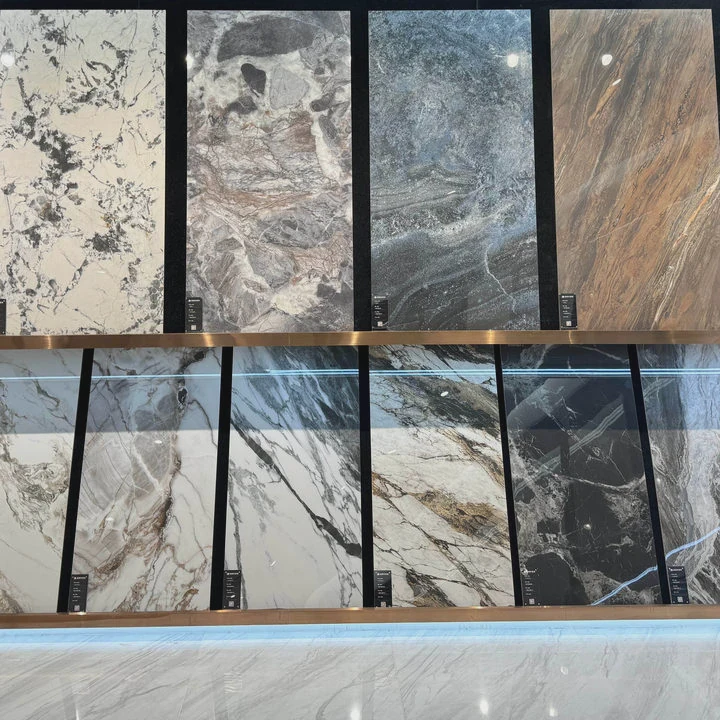
When working on inside corners, the first step is always planning. A dry layout helps visualize how tiles will meet. This step avoids awkward slivers and uneven joints. It also helps balance tile sizes on both sides of the corner.
Key preparation steps
- Measure both walls carefully
- Mark center lines
- Adjust layout to avoid very small cuts
- Check tile batch consistency
A good layout reduces cutting errors and improves symmetry. Many installers skip this step, but it often leads to poor results.
Cutting techniques that matter
Tile cutting must be clean and accurate. For inside corners, edges should be straight but not overly sharp.
| Tool Type | Best Use Case | Advantage |
|---|---|---|
| Manual cutter | Straight ceramic cuts | Fast and clean |
| Wet saw | Porcelain and large tiles | High precision |
| Angle grinder | Small adjustments | Flexible cutting |
A wet saw is usually the best option for professional results. It reduces chipping and keeps edges smooth.
Spacing and consistency
Spacing is critical in corners. Tiles should not be pressed tightly into the corner. A small gap is needed to allow movement.
- Leave a 2–3 mm gap at the corner
- Use spacers for uniform joints
- Keep grout lines aligned across both walls
This gap helps prevent cracking caused by wall movement. Buildings naturally shift over time, so flexibility is important.
Why technique matters
Inside corners are stress points. Poor technique can lead to:
- Cracked tiles
- Uneven grout lines
- Visible alignment issues
A careful method ensures durability and a clean appearance. This is especially important in commercial or high-end residential projects where details matter most.
How do you align tiles at corner intersections?
Misaligned tiles at corners break the visual flow. Even small shifts can be very noticeable.
Tiles align correctly at corner intersections when layout lines are consistent, grout joints match across walls, and cuts are planned symmetrically.
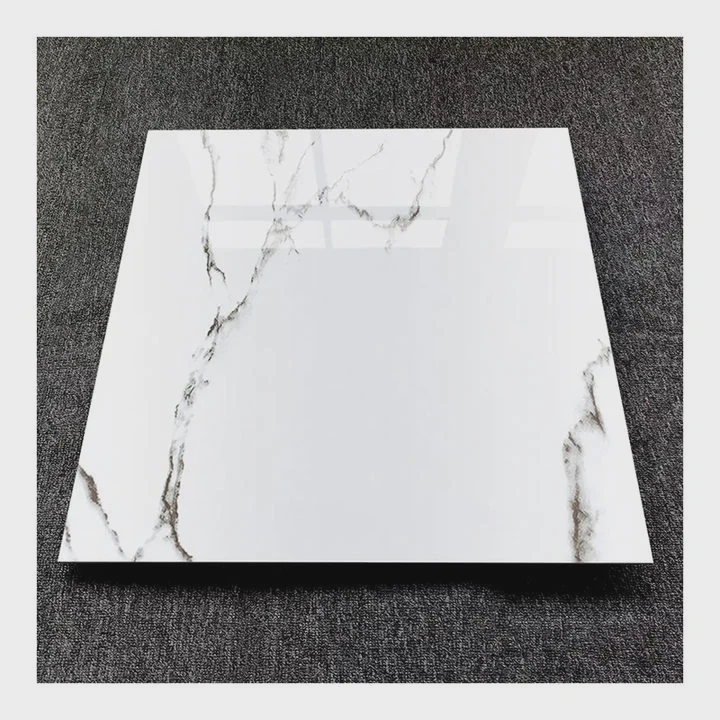
Alignment starts before installation. It depends on how the layout is set on both walls. The goal is to make tiles look continuous, even though they meet at a 90-degree angle.
Layout alignment principles
- Start from a fixed reference line
- Extend layout lines across both walls
- Ensure grout joints match perfectly
Consistency is more important than exact tile size at the edge. Visual balance should guide decisions.
Common alignment methods
There are different ways to handle corner alignment:
| Method | Description | Best For |
|---|---|---|
| Full tile to corner | One wall ends with full tile | Simple layouts |
| Split cut method | Both walls have equal cut tiles | Balanced appearance |
| Overlap method | One wall overlaps the other | Fast installation |
The split cut method is often preferred in high-end projects. It creates symmetry and looks more intentional.
Handling uneven walls
Walls are rarely perfectly straight. This creates challenges at corners.
To solve this:
- Check wall flatness before tiling
- Use leveling systems if needed
- Adjust cuts slightly to maintain alignment
Even a few millimeters of wall deviation can affect the final look. Small corrections during installation make a big difference.
Visual continuity
The human eye naturally follows lines. If grout lines do not match, the corner becomes a visual break.
To maintain continuity:
- Keep grout lines straight
- Avoid shifting patterns near corners
- Maintain consistent tile orientation
These steps create a seamless transition from one wall to another.
Practical insight
In real projects, perfect alignment is not always possible due to structural limits. The goal is to minimize visible errors and keep the design visually balanced.
Which trims work best for inside corners?
Raw tile edges in corners can look unfinished. They may also chip over time.
The best trims for inside corners include tile trims, corner profiles, and silicone joints, chosen based on design style and durability needs.

Trims are not always required for inside corners, but they can improve both appearance and protection.
Types of trims
Different trim options serve different purposes:
- PVC corner trims
- Aluminum profiles
- Stainless steel trims
- Flexible silicone joints
Each option has its own benefits.
Trim comparison
| Trim Type | Durability | Appearance | Best Application |
|---|---|---|---|
| PVC trim | Medium | Simple | Budget projects |
| Aluminum trim | High | Modern | Residential & commercial |
| Stainless steel | Very high | Premium | Luxury projects |
| Silicone joint | Flexible | Minimal | Movement areas |
Aluminum trims are widely used because they balance cost and durability.
When trims are necessary
Trims are useful when:
- Tile edges are exposed
- High traffic areas need protection
- Design requires a clean finish
In wet areas like bathrooms, trims also help protect edges from moisture damage.
Silicone vs rigid trims
Silicone joints are flexible. They absorb movement and prevent cracks. Rigid trims, on the other hand, provide structure and protection.
Choosing between them depends on the application:
- Use silicone for movement joints
- Use trims for visible edges
Design considerations
Trim color and finish should match the tile style. Common finishes include:
- Brushed metal
- Matte black
- Gloss white
A good match enhances the overall design and makes corners look intentional.
Installation tips
- Install trims during tile setting
- Ensure they are level and straight
- Do not force tiles into trims
Proper installation ensures trims last long and look clean.
When should grout be applied in corners?
Grouting too early or incorrectly can cause cracks and poor finish in corners.
Grout should be applied after tile adhesive cures, but inside corners should often use flexible sealant instead of standard grout to prevent cracking.
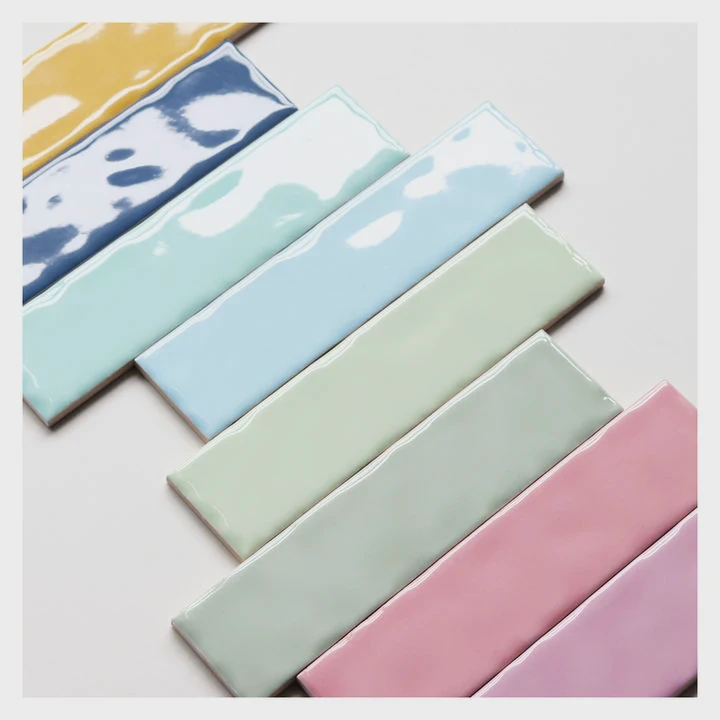
Timing is critical when applying grout. Adhesive must fully cure before grouting begins.
Standard grouting process
- Wait 24–48 hours after tiling
- Clean joints before grouting
- Apply grout evenly across tiles
This ensures strong bonding and a clean finish.
Why corners are different
Inside corners experience movement. Walls expand and contract due to temperature and moisture changes.
Standard grout is rigid. It cannot handle movement well. This leads to cracks over time.
Flexible joint solution
Instead of grout, many professionals use silicone sealant in corners.
Benefits include:
- Flexibility
- Crack resistance
- Water resistance
This approach improves durability, especially in bathrooms and kitchens.
Grout vs silicone comparison
| Feature | Grout | Silicone Sealant |
|---|---|---|
| Flexibility | Low | High |
| Crack risk | High in corners | Very low |
| Water resistance | Medium | High |
| Maintenance | Moderate | Easy |
Silicone is the better choice for corners where movement is expected.
Application technique
- Apply grout to flat joints first
- Clean excess grout
- Fill corners with silicone after grout cures
This sequence prevents contamination and ensures a neat finish.
Common mistakes to avoid
- Grouting corners directly
- Applying grout before adhesive cures
- Skipping joint cleaning
These mistakes reduce durability and affect appearance.
Long-term performance
Corners are stress points. Using the correct material ensures:
- Longer lifespan
- Better appearance
- Reduced maintenance
A small detail like this can significantly improve the overall quality of the tiling project.
Conclusion
Inside corner tiling requires careful planning, precise alignment, suitable trims, and correct joint treatment. Each step affects the final look and durability. A disciplined approach ensures clean, professional, and long-lasting results.