How Long Does Tile Grout Take to Dry?
- Sinotiles
- 2026-05-05

Grout can be tricky. If it’s wet too long or used too soon, tiles can shift or stain. Many underestimate this.
Proper drying ensures tiles stay secure and surfaces remain beautiful. Most grouts dry to the touch in 24 hours, but full curing may take up to 72 hours.
Understanding grout drying is key to avoid costly repairs or staining.
Why is grout drying time important for durability?
Grout that doesn’t dry properly can fail. It may crack, crumble, or let water seep through, causing damage behind tiles.
The drying time of grout directly impacts its strength and water resistance, making it crucial for long-term durability.
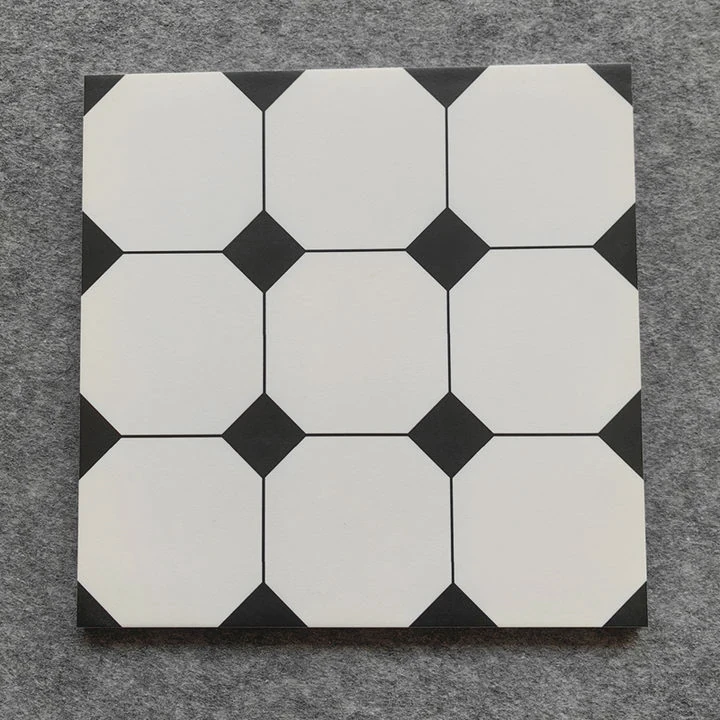
Drying grout is not just about waiting. It ensures the material sets correctly, binds tiles firmly, and creates a water-resistant surface. If grout is exposed to weight, traffic, or moisture too early, it may not bond well. Over time, weak grout can lead to loose tiles or water damage behind walls or under floors. A proper drying period allows the grout to expand slightly and cure, reducing the chance of cracks.
Key reasons drying matters:
- Bonding strength: Proper curing creates a firm connection between tiles.
- Water resistance: Fully dried grout prevents leaks in bathrooms and kitchens.
- Durability: Correctly cured grout lasts longer and resists chipping.
- Appearance: Dry grout maintains color and avoids uneven patches.
Here is a simple comparison of grout quality with and without proper drying:
| Grout Condition | Resulting Durability | Water Resistance | Appearance |
|---|---|---|---|
| Properly dried grout | High | Excellent | Smooth, even |
| Rushed or wet grout | Low | Poor | Cracked, stained |
Caring for grout early prevents future headaches. Rushing the process compromises structural integrity. For both DIY projects and professional installations, patience ensures the finished surface is both attractive and long-lasting.
How long should grout cure before use?
Grout sets quickly on the surface, but internal curing takes longer. Most tile installations are ready for light use in 24 hours.
Full cure is usually 72 hours. Heavy foot traffic or furniture placement should wait until the grout reaches maximum hardness.
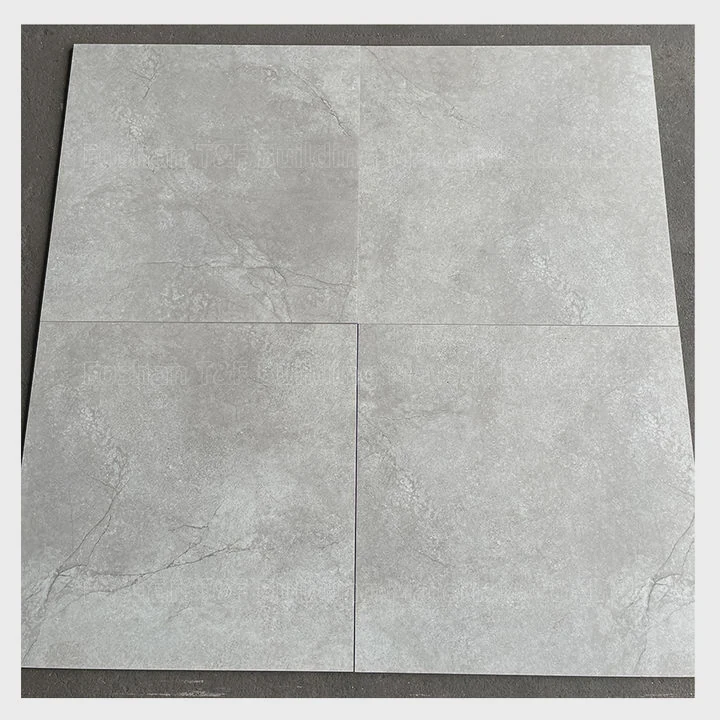
Even if grout feels dry to the touch, it continues to harden beneath the surface. Using tiles too early can push grout out of joints, cause cracks, or leave impressions. This is particularly true for large-format tiles or areas with high traffic. Manufacturers typically recommend waiting at least 24 hours for light foot traffic, and 72 hours for full strength. Wet areas like showers or kitchens often require the full cure period before exposure to water.
Recommended curing schedule:
| Time After Grouting | Suitable Use | Notes |
|---|---|---|
| 0–24 hours | Avoid walking | Surface may feel dry but soft inside |
| 24–48 hours | Light foot traffic | Still fragile for heavy weight |
| 48–72 hours | Normal use and cleaning | Fully hardened, safe for moisture |
Waiting ensures the grout reaches peak performance. It reduces maintenance issues, maintains tile alignment, and prevents premature deterioration. Following manufacturer guidelines is the safest approach.
What factors affect grout drying time?
Grout drying time is influenced by many conditions. Temperature, humidity, grout type, and tile porosity all play a role.
Grout can dry faster in warm, dry environments, but slow curing in cold or humid conditions is common, sometimes doubling the wait time.
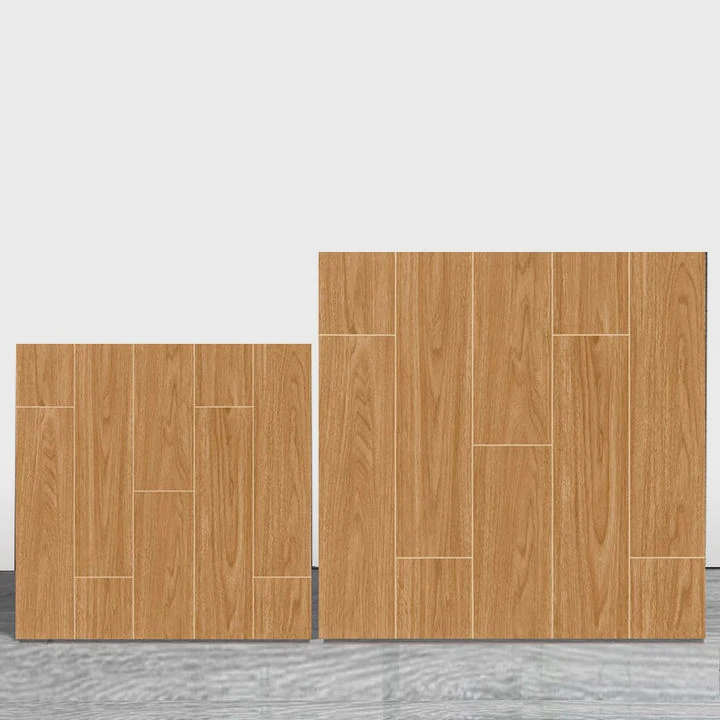
Grout composition matters. Sanded grout and epoxy grout dry differently. Sanded grout usually takes 24–72 hours, while epoxy grout may cure fully in 48 hours depending on conditions. Temperature and airflow are also critical. Cooler temperatures slow chemical reactions, while high humidity prevents water evaporation. Tiles themselves matter; highly absorbent tiles can pull water from grout, speeding surface drying but potentially leaving weak internal joints.
Factors that influence drying:
Temperature
Warm conditions accelerate drying. Cold floors or walls extend curing time.
Humidity
High humidity slows evaporation, delaying drying. Fans or dehumidifiers can help.
Grout type
Sanded grout dries slower than unsanded in many cases. Epoxy grout sets fast but may require careful mixing.
Tile material
Porous tiles absorb water from grout, potentially leaving surface cracks if drying is uneven.
Layer thickness
Thicker grout joints take longer to dry. Thin joints dry faster.
By understanding these factors, installers can plan work around drying conditions. Adjusting the environment, using recommended grout types, and following curing instructions all prevent common mistakes that reduce tile longevity.
When is it safe to expose grout to moisture?
Exposing grout to water too soon can ruin your work. Stains, weakening, and color inconsistencies are common.
Grout should remain dry for at least 72 hours before heavy moisture exposure to ensure complete cure.
Even after the surface feels dry, internal curing is incomplete. Moisture can penetrate the grout, reducing bond strength and leaving it vulnerable to cracks or mold. Areas like showers, bathrooms, or kitchens require patience. Light cleaning after 24 hours is usually safe, but avoid mopping or standing water until full cure. Some epoxy or fast-setting grouts may allow water sooner, but always follow product instructions.
Guidelines for moisture exposure:
| Grout Type | Minimum Dry Time Before Water | Notes |
|---|---|---|
| Cement-based sanded | 72 hours | Standard residential applications |
| Cement-based unsanded | 48–72 hours | Narrow joints, avoid early water |
| Epoxy grout | 24–48 hours | Depends on mix and temperature |
Protecting grout from premature moisture ensures durability and color stability. This step is especially critical for wet areas to avoid future maintenance and repairs. Even minor water contact too soon can reduce grout lifespan.
Quick tips to protect grout during drying:
- Cover newly grouted areas with plastic sheets in humid conditions.
- Avoid walking on tiles until minimum cure time.
- Control room temperature and humidity to optimize drying.
- Wait the full recommended period for wet areas, even if grout looks dry.
Following these simple precautions guarantees stronger, longer-lasting grout that keeps tiles intact and surfaces beautiful.
Conclusion
Tile grout requires patience. Surface drying happens fast, but full curing can take 72 hours. Understanding factors like temperature, humidity, and tile type ensures durability and water resistance for lasting results.