How to Lay Tile on Wood Floor?
- Sinotiles
- 2026-05-04
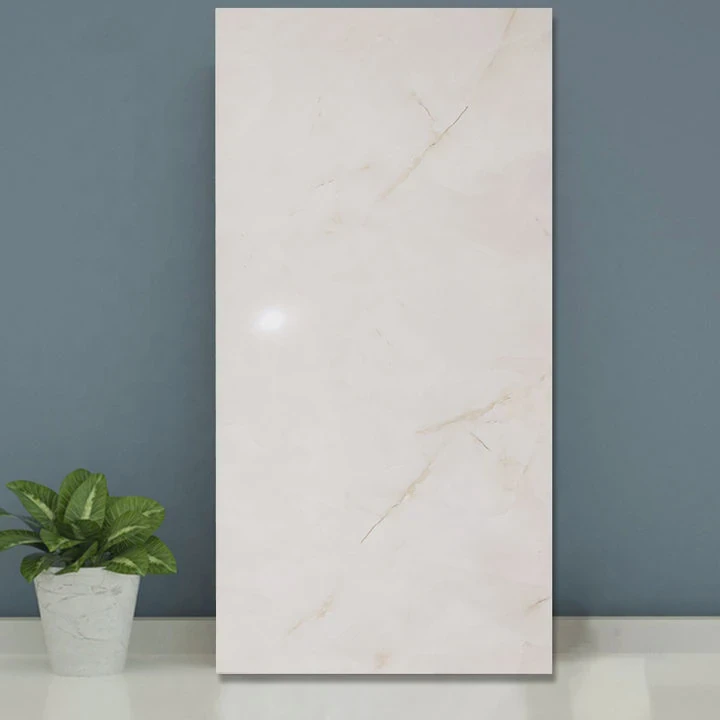
A wood floor may look solid, but hidden movement can ruin tiles fast. Many people skip prep and face cracks later. This problem wastes time and money.
To lay tile on a wood floor, you must stabilize the base, add proper underlayment, and control moisture. Without these steps, tiles will crack or loosen over time.
A strong result depends on careful planning. Each step builds on the last one. If one part fails, the whole tile system suffers.
What preparation is needed for wood subfloors?
Wood floors often seem flat, but they move and flex under weight. This movement is the main cause of tile failure. Many projects fail before tiles are even placed.
Proper preparation includes checking structure strength, leveling the surface, securing loose boards, and cleaning the base. These steps create a stable foundation for tile installation.
Preparation is the most critical stage. It decides if the tile will last or fail early. A wood subfloor behaves very differently from concrete. Wood expands and contracts with humidity and temperature. This means extra care is needed before tiling.
Check Structural Strength
First, the floor must be strong enough. Tile is heavy and rigid. Wood structures must meet load standards. If the floor bends too much, tiles will crack.
- Inspect joists under the floor
- Check spacing and thickness
- Reinforce weak areas if needed
A simple rule is this: less movement means better tile performance.
Secure the Subfloor
Loose boards create instability. Every squeak is a warning sign.
- Screw down all loose panels
- Replace damaged wood
- Use proper fasteners
This step ensures the surface does not shift after tiling.
Level the Surface
Tiles require a flat base. Even small dips can cause problems.
| Issue | Solution |
|---|---|
| Uneven boards | Sand high spots |
| Low areas | Use leveling compound |
| Gaps | Fill with patching material |
A flat surface helps tiles bond evenly and prevents stress points.
Clean and Prepare Surface
Dust and debris reduce adhesion.
- Vacuum thoroughly
- Remove grease or residue
- Keep surface dry
Cleanliness improves bonding strength.
Add Extra Layer if Needed
In some cases, one layer of plywood is not enough.
- Install additional plywood layer
- Use exterior-grade materials
- Stagger joints for strength
This improves rigidity and reduces movement.
Preparation may take time, but it prevents costly repairs later. Skipping this stage is the most common mistake in tile installation on wood floors.
How do you prevent tile cracking on wood bases?
Cracked tiles are one of the biggest problems when tiling over wood. The root cause is almost always movement. Wood shifts, but tile does not.
To prevent tile cracking, you must reduce movement, use flexible materials, and include proper expansion gaps. These methods absorb stress and protect the tile layer.
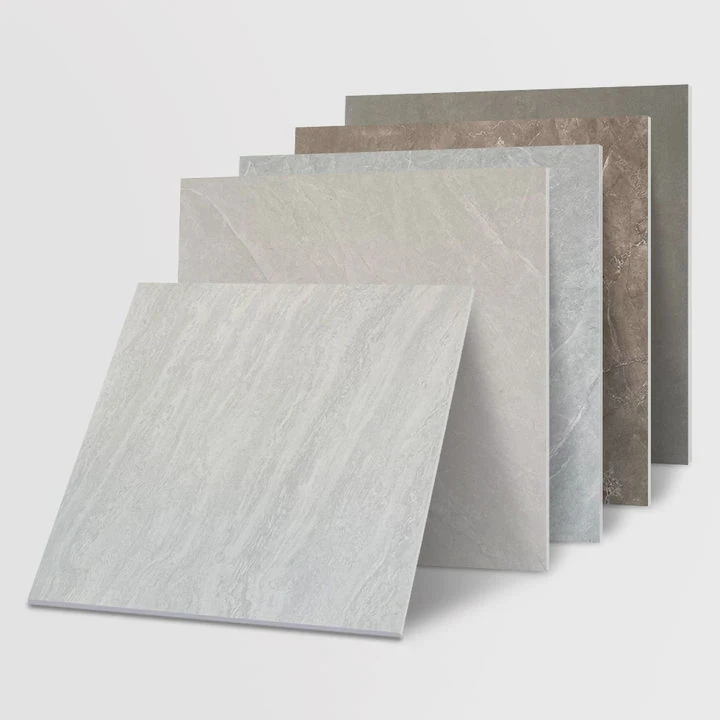
Preventing cracks is not about one solution. It requires a system approach. Each layer must work together to handle stress.
Control Floor Movement
Movement is the enemy of tile.
- Strengthen subfloor structure
- Add extra plywood layers
- Use thicker panels when possible
Less flex means less stress on tiles.
Use Flexible Adhesives
Standard mortar may not work well on wood.
- Choose modified thin-set mortar
- Look for flexibility features
- Follow manufacturer instructions
Flexible adhesives absorb small movements.
Leave Expansion Gaps
Tiles need space to expand.
- Leave gaps along walls
- Do not fill edges with rigid material
- Use flexible sealant
These gaps prevent pressure buildup.
Avoid Direct Bonding to Wood
Tile should not be installed directly on wood.
| Method | Risk Level | Recommendation |
|---|---|---|
| Direct on plywood | High | Avoid |
| With underlayment | Low | Recommended |
Direct bonding often leads to cracks.
Use Proper Tile Size
Large tiles are more sensitive to movement.
- Use smaller tiles if floor is unstable
- Ensure proper spacing
- Apply even pressure during installation
Tile size affects stress distribution.
Control Moisture
Wood reacts to moisture changes.
- Keep humidity stable
- Avoid water exposure before tiling
- Use moisture barriers if needed
Moisture control reduces expansion and contraction.
Crack prevention is about managing stress. Each step reduces pressure on the tile layer. When combined, these methods create a durable surface.
Which underlayment provides best support?
Underlayment acts as a bridge between wood and tile. It provides stability and reduces movement transfer. Choosing the right one is essential.
The best underlayment options include cement backer board, uncoupling membranes, and fiber cement boards. Each offers different benefits depending on project needs.
Underlayment is not optional. It is a key part of the tile system. Without it, failure risk increases.
Cement Backer Board
This is one of the most common choices.
- Strong and durable
- Resistant to moisture
- Provides solid base
Installation requires screws and mortar underneath.
Uncoupling Membranes
These are modern solutions.
- Allow slight movement
- Reduce stress transfer
- Easy to install
They work well in areas with movement risk.
Fiber Cement Boards
These combine strength and flexibility.
- Lighter than cement boards
- Easy to cut
- Good moisture resistance
They are suitable for many residential projects.
Comparison of Underlayment Types
| Type | Strength | Flexibility | Ease of Install | Best Use Case |
|---|---|---|---|---|
| Cement Backer Board | High | Low | Medium | Heavy-duty floors |
| Uncoupling Membrane | Medium | High | Easy | Movement-prone areas |
| Fiber Cement Board | Medium | Medium | Easy | General residential use |
Installation Tips
Proper installation is just as important as selection.
- Apply mortar under boards
- Secure with screws evenly
- Tape and seal joints
Poor installation can reduce effectiveness.
Thickness Matters
Thicker underlayment adds strength.
- Choose thickness based on load
- Follow project requirements
- Avoid overly thin materials
Balance strength and height needs.
The right underlayment improves durability and reduces risk. It acts as a buffer between two very different materials.
When should waterproofing be applied before tiling?
Water is a hidden threat in tile projects. It can damage wood and weaken adhesives. Many failures start with moisture issues.
Waterproofing should be applied in areas exposed to moisture, such as bathrooms and kitchens, before tile installation. It protects the subfloor and extends tile life.

Waterproofing is not always required, but in wet areas, it becomes essential. Ignoring it can lead to long-term damage.
Identify Wet Areas
Not all spaces need waterproofing.
- Bathrooms
- Kitchens
- Laundry rooms
These areas face regular water exposure.
Types of Waterproofing
There are different methods available.
- Liquid membranes
- Sheet membranes
- Waterproof boards
Each has its own application method.
When to Apply
Timing matters in installation.
- After underlayment installation
- Before tile placement
- Ensure full coverage
Applying at the right stage ensures protection.
Application Process
Steps must be followed carefully.
- Clean the surface
- Apply membrane evenly
- Let it dry fully
- Check for gaps
Skipping steps reduces effectiveness.
Common Mistakes
Many installers make simple errors.
- Applying too thin layers
- Missing corners and edges
- Not allowing proper drying time
Attention to detail is key.
Benefits of Waterproofing
- Protects wood from rot
- Improves tile durability
- Prevents mold growth
These benefits justify the extra effort.
Waterproofing acts as insurance for your tile project. It protects both the structure and the finish.
Conclusion
Laying tile on wood floors requires careful preparation, proper materials, and attention to detail. Each step reduces risk and improves durability, ensuring a long-lasting and stable tile surface.