How Long Should a Tile Roof Last?
- Sinotiles
- 2026-03-27
A roof fails earlier than expected, and that creates stress, cost, and risk. Many owners feel unsure about lifespan and worry about hidden damage.
A tile roof can last 50 to 100 years, depending on material, climate, installation, and maintenance. Clay and concrete tiles often outlast many other roofing options.
Many buyers ask this question before making a decision. The answer is not simple, but it becomes clear when we break down the real factors behind durability and long-term performance.
What factors affect tile roof lifespan?
A tile roof looks strong, but many hidden factors reduce its life. Poor choices early on can lead to costly repairs later.
Tile roof lifespan depends on material quality, installation method, underlayment condition, structural support, and maintenance frequency. High-quality tiles and proper installation lead to longer service life.
A tile roof is not just about the tile itself. It is a system. Every part of that system plays a role in how long the roof lasts.
Key factors that influence lifespan
1. Material type
Different tile materials have very different durability levels.
| Tile Type | Average Lifespan | Key Features |
|---|---|---|
| Clay Tile | 70–100 years | High durability, color stable |
| Concrete Tile | 50–70 years | Cost-effective, strong |
| Slate Tile | 75–150 years | Premium, very long-lasting |
Clay tiles resist UV damage very well. Concrete tiles are strong but may fade over time. Slate is the most durable but also the most expensive.
2. Installation quality
Even the best tile will fail if installation is poor. A weak structure or bad alignment causes cracks and leaks.
Proper installation includes:
- Correct spacing
- Secure fastening
- Proper flashing and sealing
- Strong roof structure support
3. Underlayment condition
Many people ignore this part. The underlayment sits beneath the tiles and protects against water.
Most underlayments last 20–30 years. When it fails, leaks start even if tiles still look good.
4. Roof structure and load support
Tile roofs are heavy. If the building structure is not designed to carry the weight, long-term damage can occur.
This includes:
- Roof framing strength
- Load distribution
- Foundation stability
5. Maintenance habits
Neglect shortens lifespan. Simple maintenance can prevent major damage.
Common maintenance actions:
- Cleaning debris
- Replacing broken tiles
- Checking flashing and valleys
A tile roof is durable by nature, but it only reaches full lifespan when every part of the system works together.
How does climate impact tile roof durability?
Many roofs fail not because of age, but because of climate stress. Weather slowly breaks down materials over time.
Climate affects tile roofs through temperature changes, moisture, UV exposure, and extreme weather. Harsh environments can reduce lifespan significantly if materials are not suitable.
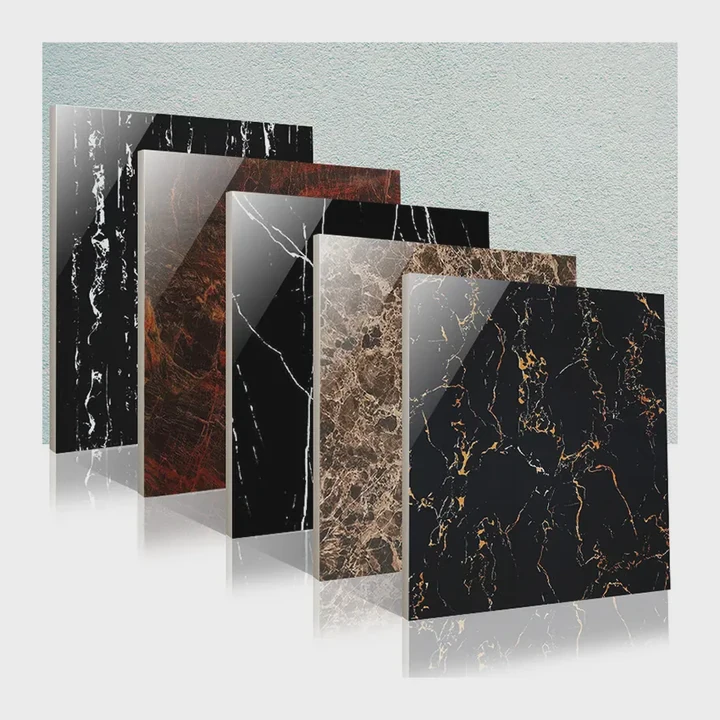
Climate is one of the most important factors. The same tile can last 100 years in one region and only 40 years in another.
Major climate influences
1. Temperature changes
Frequent heating and cooling cause expansion and contraction. This creates stress inside the tile.
Over time, this leads to:
- Cracks
- Surface wear
- Structural weakening
2. Freeze and thaw cycles
In cold regions, water enters small pores in the tile. When it freezes, it expands.
This results in:
- Tile cracking
- Surface flaking
- Reduced strength
3. High humidity and rain
Moist environments increase the risk of mold and underlayment damage.
Water exposure can cause:
- Roof leaks
- Structural rot
- Faster aging of support materials
4. Strong sunlight (UV exposure)
UV rays slowly break down materials, especially in hot regions.
Effects include:
- Color fading
- Surface weakening
- Reduced protective coating
5. Wind and storms
High winds can loosen or displace tiles.
Storm damage includes:
- Tile breakage
- Dislodged pieces
- Water entry points
Climate vs tile performance
| Climate Type | Impact Level | Best Tile Choice |
|---|---|---|
| Hot & Dry | Medium | Clay tile |
| Cold & Wet | High | Concrete or slate |
| Coastal | High | Salt-resistant tile |
| Tropical | High | Dense clay tile |
Choosing the right tile for the climate is critical. A mismatch leads to faster wear and more maintenance.
When should you inspect an aging tile roof?
Many owners wait until a leak appears. At that point, damage has already spread.
A tile roof should be inspected every 1–2 years, and more often after 20 years of use or after severe weather events. Early inspection prevents costly repairs.
Inspection is not just for old roofs. It is part of smart ownership. A small issue found early saves money and extends lifespan.
Recommended inspection timeline
0–10 years
- Inspect every 2–3 years
- Focus on installation quality issues
10–20 years
- Inspect every 1–2 years
- Check underlayment and flashing
20+ years
- Inspect annually
- Look for hidden wear and water damage
Signs that inspection is needed immediately
- Broken or missing tiles
- Water stains on ceilings
- Mold or mildew smell
- Debris buildup on roof
- Sagging areas
What professionals check
A full inspection includes:
- Tile condition (cracks, chips)
- Underlayment wear
- Flashing integrity
- Drainage system
- Structural stability
Why early inspection matters
Ignoring small problems leads to:
- Water damage inside walls
- Higher repair costs
- Shorter roof lifespan
A simple inspection schedule protects the entire building, not just the roof.
Can maintenance extend a tile roof’s service life?
Some people think tile roofs do not need maintenance. That is not true. Even strong materials need care.
Yes, regular maintenance can extend a tile roof’s life by decades by preventing damage, maintaining structure, and ensuring proper drainage.
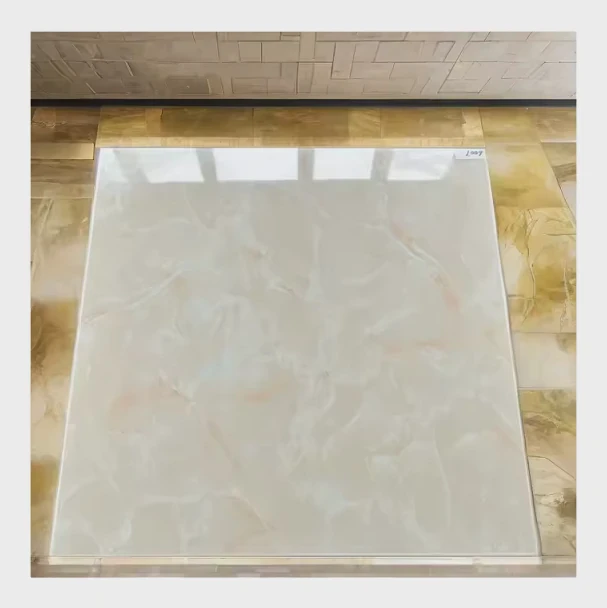
Maintenance is the difference between a 40-year roof and a 100-year roof. The cost is low compared to full replacement.
Key maintenance actions
1. Cleaning debris
Leaves and dirt block water flow. This leads to water pooling and leaks.
Cleaning helps:
- Improve drainage
- Prevent mold growth
- Reduce tile stress
2. Replacing damaged tiles
One broken tile can allow water in. That small issue can damage large areas over time.
3. Maintaining underlayment
Even if tiles look fine, the layer underneath may fail.
Periodic replacement keeps the roof waterproof.
4. Checking flashing and seals
Flashing protects roof edges and joints.
Weak flashing leads to:
- Water entry
- Structural damage
- Faster aging
5. Preventing moss and algae
Growth on tiles holds moisture.
This can cause:
- Surface damage
- Increased weight
- Slippery conditions
Maintenance vs lifespan impact
| Maintenance Level | Expected Lifespan |
|---|---|
| Poor | 30–40 years |
| Moderate | 50–70 years |
| Excellent | 80–100+ years |
Long-term value
Regular maintenance:
- Reduces repair costs
- Protects property value
- Extends roof life
- Improves appearance
A tile roof is a long-term investment. Maintenance ensures that investment delivers full value over time.
Conclusion
A tile roof can last up to 100 years, but only with the right material, climate match, installation, and maintenance. Smart decisions and regular care make the biggest difference in long-term performance.