How To Install Vinyl Composition Tile?
- Sinotiles
- 2026-05-22
Many floors fail early because the installation process was rushed. Uneven surfaces, poor adhesive coverage, and wrong tools often create expensive repair problems later.
Vinyl composition tile installation requires careful surface preparation, correct adhesive application, proper layout planning, and the right installation tools to achieve durable and professional flooring results.
Many commercial buildings still use VCT flooring because it offers durability, cost control, and easy maintenance. Yet successful installation depends on more than simply placing tiles on the floor. Every stage, from subfloor inspection to adhesive curing, affects the final performance. Understanding the full process helps avoid lifting edges, visible seams, and uneven surfaces.
What Preparation Is Needed for VCT Installation?
Many VCT flooring problems begin before the first tile is installed. Dust, moisture, and uneven surfaces can reduce adhesion and shorten floor lifespan.
VCT installation preparation includes cleaning the subfloor, checking moisture levels, repairing uneven areas, planning the layout, and acclimating the tiles before installation begins.
Preparation is one of the most important parts of VCT installation. In commercial projects, installers often spend more time preparing the floor than laying the tiles themselves.
Skipping preparation may save a few hours at first, but it usually creates larger maintenance problems later.
Clean the Subfloor Thoroughly
The subfloor must be free from dust, oil, grease, paint, and debris.
Adhesive bonds poorly when contaminants remain on the surface. Even small particles can create bumps under thin VCT tiles.
Vacuuming and damp mopping are common preparation steps before installation begins.
Check Moisture Levels
Concrete floors often contain hidden moisture. Excess moisture may weaken adhesive and cause tiles to lift later.
Professional installers frequently use moisture testing equipment before large projects.
Repair Cracks and Uneven Areas
Small imperfections become highly visible after VCT installation because the tiles are thin and flexible.
Cracks, holes, and uneven joints should be patched using floor leveling compounds.
Allow Tiles to Acclimate
VCT tiles expand and contract depending on temperature and humidity.
Most manufacturers recommend storing the tiles inside the installation area for at least 24 to 48 hours before use.
Plan the Tile Layout
Layout planning improves appearance and reduces narrow tile cuts along walls.
Installers usually begin from the center of the room to maintain balanced tile alignment.
Preparation Checklist
| Preparation Step | Purpose |
|---|---|
| Surface cleaning | Improve adhesive bonding |
| Moisture testing | Prevent adhesive failure |
| Crack repair | Create smooth surface |
| Tile acclimation | Reduce expansion issues |
| Layout marking | Improve visual balance |
Why Preparation Affects Long-Term Performance
Preparation directly affects floor durability, appearance, and maintenance costs.
In schools, hospitals, retail stores, and office buildings, VCT floors experience heavy foot traffic every day. Weak installation methods often lead to loose corners and damaged seams within a short time.
Large commercial projects also face strict scheduling requirements. If moisture problems appear after installation, repairs may interrupt business operations and increase labor expenses.
Many contractors now view preparation as risk management instead of optional extra work.
Good preparation also improves installation speed later because the floor surface becomes easier to work with. Installers spend less time adjusting uneven tiles or fixing bonding issues during placement.
Property owners sometimes focus only on tile color and design. Yet floor performance usually depends more on the hidden preparation work underneath the surface.
How Can Adhesive Be Applied Evenly for VCT?
Uneven adhesive application is one of the most common causes of VCT flooring failure. Poor coverage may create loose tiles, hollow spots, and visible movement.
VCT adhesive should be applied evenly using the correct trowel size, controlled spreading methods, and proper open time to create strong and consistent tile bonding.

Adhesive performance affects almost every part of VCT installation quality. Even premium tiles may fail if the adhesive layer is inconsistent.
Professional installers pay close attention to spreading patterns, drying time, and environmental conditions.
Choose the Correct Adhesive
Different VCT products may require specific adhesive systems.
Manufacturers often provide recommendations based on subfloor type, moisture conditions, and traffic levels.
Using incompatible adhesives may reduce bonding strength.
Use the Proper Trowel Size
The trowel notch controls adhesive thickness.
Too much adhesive may ooze through tile seams, while too little may create weak bonding areas.
Spread Adhesive Consistently
Installers usually spread adhesive in small sections instead of covering the entire floor at once.
This method helps maintain proper working time and reduces uneven drying.
Follow Open Time Requirements
VCT adhesive normally requires a waiting period before tile placement.
This open time allows the adhesive to become tacky enough for strong bonding.
Placing tiles too early or too late may weaken adhesion.
Roll the Floor After Installation
Floor rollers press the tiles firmly into the adhesive bed.
Rolling removes trapped air and improves adhesive contact beneath the tiles.
Common Adhesive Application Problems
| Problem | Possible Result |
|---|---|
| Uneven spreading | Loose tiles |
| Wrong trowel size | Weak bonding |
| Excess adhesive | Seam contamination |
| Short open time | Tile shifting |
| No floor rolling | Air pockets |
Why Adhesive Control Matters in Commercial Flooring
Commercial VCT floors often cover large open spaces. Even small adhesive inconsistencies can become visible across wide areas.
Retail stores, airports, hospitals, and schools usually require floors that remain stable under rolling loads and heavy foot traffic.
Adhesive performance also affects maintenance costs. Poor bonding increases the chance of tile replacement during the floor’s lifespan.
Environmental conditions matter as well. High humidity and temperature changes can influence adhesive curing speed.
Experienced installers monitor room conditions closely during application.
Another important issue involves installation speed. Large projects require careful coordination between spreading adhesive and placing tiles before the adhesive loses working performance.
Many flooring failures blamed on tile quality actually begin with poor adhesive application methods.
Why Is Subfloor Condition Important for VCT?

Even high-quality VCT flooring cannot hide serious subfloor problems. Surface defects often become more visible after installation.
Subfloor condition affects VCT adhesion, appearance, durability, and overall floor stability. Smooth, dry, and structurally sound subfloors create better installation results and longer floor life.
VCT is thinner and more flexible than many other flooring materials. Because of this, the condition beneath the tile strongly affects the final appearance.
Poor subfloors often create recurring maintenance issues.
Uneven Surfaces Create Visible Problems
Small dips, ridges, and cracks can telegraph through VCT surfaces over time.
Under bright lighting, even minor imperfections may become highly noticeable.
Moisture Damages Adhesive Performance
Concrete slabs can release moisture long after construction.
Excess moisture weakens adhesives and may lead to tile curling or lifting.
Structural Movement Affects Tile Stability
Subfloors that flex excessively may create cracked seams and loose corners.
Stable substrates help maintain long-term floor performance.
Surface Smoothness Improves Appearance
Commercial spaces often use glossy floor finishes on VCT.
Uneven surfaces reflect light differently and make flaws easier to see.
Contaminants Reduce Bond Strength
Old adhesive residue, paint, wax, or oils may interfere with bonding.
Complete surface preparation is necessary before installation begins.
Common Subfloor Conditions
| Subfloor Issue | Effect on VCT |
|---|---|
| Moisture | Adhesive failure |
| Cracks | Surface lines |
| Uneven areas | Visible bumps |
| Dust and debris | Weak adhesion |
| Structural movement | Tile separation |
Why Subfloor Quality Matters for Long-Term Maintenance
Flooring maintenance costs often depend more on subfloor quality than tile thickness.
In commercial projects, facility managers prefer flooring systems that reduce future repair interruptions.
Poor subfloor conditions may also shorten waxing and polishing cycles because uneven areas wear differently under traffic.
Hospitals and schools especially require smooth and stable floors because rolling equipment and carts create constant pressure on the surface.
Another important factor involves occupant safety. Uneven flooring increases trip hazards and may create liability concerns in public buildings.
Many experienced contractors inspect the subfloor carefully before material orders are finalized. Early correction of subfloor problems usually costs less than post-installation repairs.
Successful VCT installation starts below the visible surface.
Which Tools Are Required for Vinyl Composition Tile Installation?
Using the wrong tools can slow installation and damage flooring materials. Poor cutting and uneven adhesive spreading often create visible defects.
VCT installation requires tools for measuring, cutting, adhesive spreading, rolling, surface preparation, and layout marking to achieve accurate and professional flooring results.
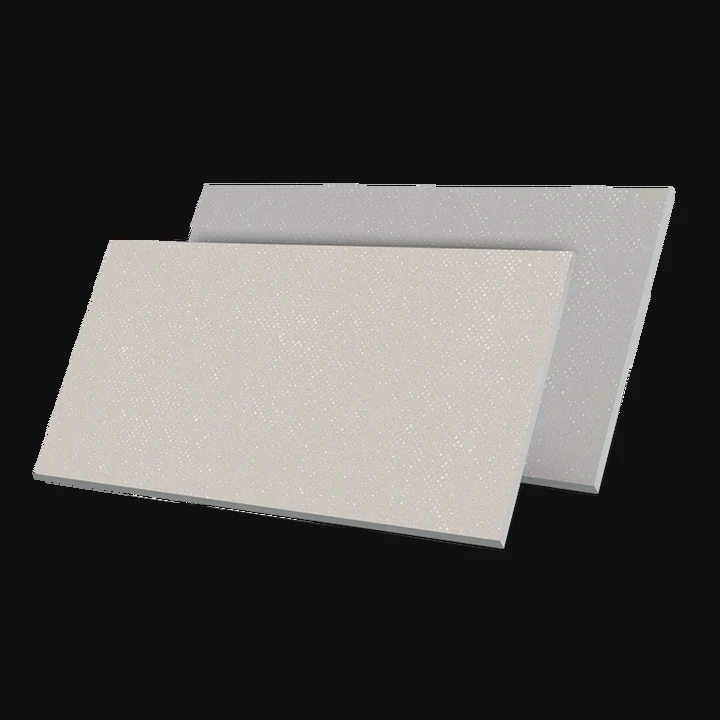
Professional installers rely on specialized flooring tools because VCT requires precision during placement and finishing.
The correct tools improve both installation quality and efficiency.
Measuring and Layout Tools
Accurate measurements help maintain balanced tile alignment.
Common layout tools include:
- Tape measures
- Chalk lines
- Straight edges
- Carpenter squares
These tools help installers maintain straight installation lines across large spaces.
Cutting Tools
VCT tiles require clean and accurate cuts around walls and corners.
Utility knives are commonly used for scoring and snapping tiles.
For larger projects, professional tile cutters improve speed and accuracy.
Adhesive Application Tools
Notched trowels control adhesive thickness and spreading consistency.
Different adhesives may require different notch patterns.
Floor Rollers
Heavy floor rollers press tiles evenly into the adhesive.
This step improves bond strength and reduces trapped air beneath the flooring.
Surface Preparation Tools
Subfloor preparation often requires:
- Scrapers
- Sanders
- Vacuum cleaners
- Patch trowels
These tools help create smooth and clean installation surfaces.
Essential VCT Installation Tools
| Tool | Main Function |
|---|---|
| Tape measure | Accurate layout |
| Chalk line | Straight guide lines |
| Utility knife | Tile cutting |
| Notched trowel | Adhesive spreading |
| Floor roller | Improve adhesion |
| Vacuum | Remove dust |
| Scraper | Clean old residue |
Why Professional Tools Improve Results
Professional flooring tools improve consistency across large projects.
In commercial buildings, installation speed matters because delays can affect opening schedules and labor costs.
Proper tools also reduce material waste. Accurate cutting minimizes damaged tiles and improves edge quality.
Another important factor is worker safety. Flooring tools designed for VCT installation help reduce strain and repetitive injuries during long projects.
Large commercial contractors often invest heavily in floor preparation equipment because smooth surfaces directly affect installation quality.
Even smaller residential installations benefit from proper tools. Simple layout errors may become very noticeable after the entire floor is completed.
Good tools do not replace installation skill, but they make consistent and durable results easier to achieve.
Conclusion
Successful VCT installation depends on careful preparation, smooth subfloors, even adhesive application, and proper installation tools. Every step affects long-term durability and appearance. Floors installed with patience and correct methods usually perform better, require fewer repairs, and maintain a cleaner professional appearance over time.