How To Lay Tile Countertop?
- Sinotiles
- 2026-05-22
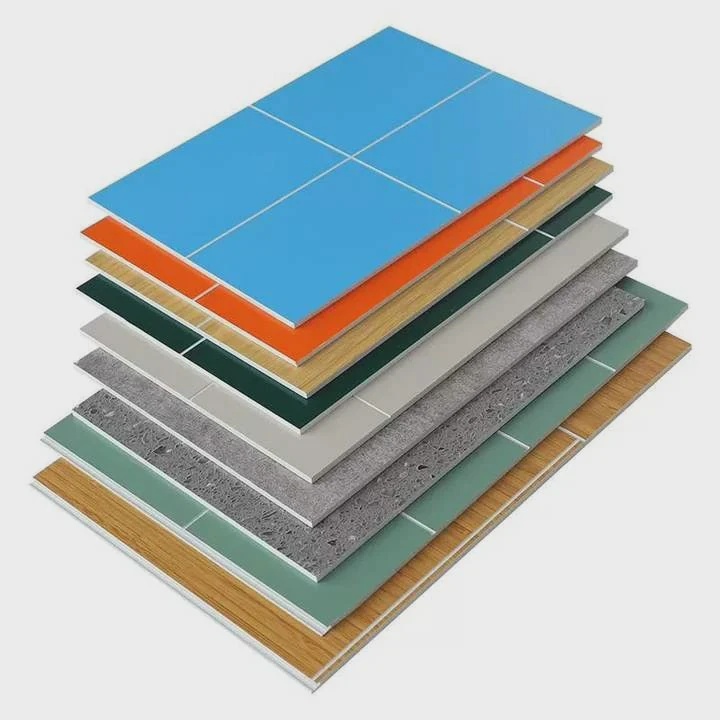
Many countertops lose their appearance after years of daily use. Scratches, stains, and outdated surfaces make kitchens and workspaces look old and less attractive over time.
Tile countertops provide a durable and customizable surface for kitchens, bathrooms, and commercial spaces. Successful installation depends on choosing the right materials, using proper adhesive, finishing edges carefully, and following correct installation steps for long-term durability.
Tile countertops remain popular because they combine design flexibility with strong performance. They work well in residential kitchens, cafes, restaurants, and outdoor areas. Modern porcelain and ceramic tiles also offer many styles that imitate marble, concrete, wood, or natural stone. A properly installed tile countertop can last many years while maintaining both appearance and functionality.
What Materials Are Needed For Tile Countertops?
A strong tile countertop starts with the right materials. Even high-quality tiles cannot perform well if the supporting structure or installation products are weak.
Tile countertop installation requires tiles, substrate boards, adhesive mortar, grout, edge trims, waterproofing materials, spacers, and proper installation tools to create a durable and stable finished surface.
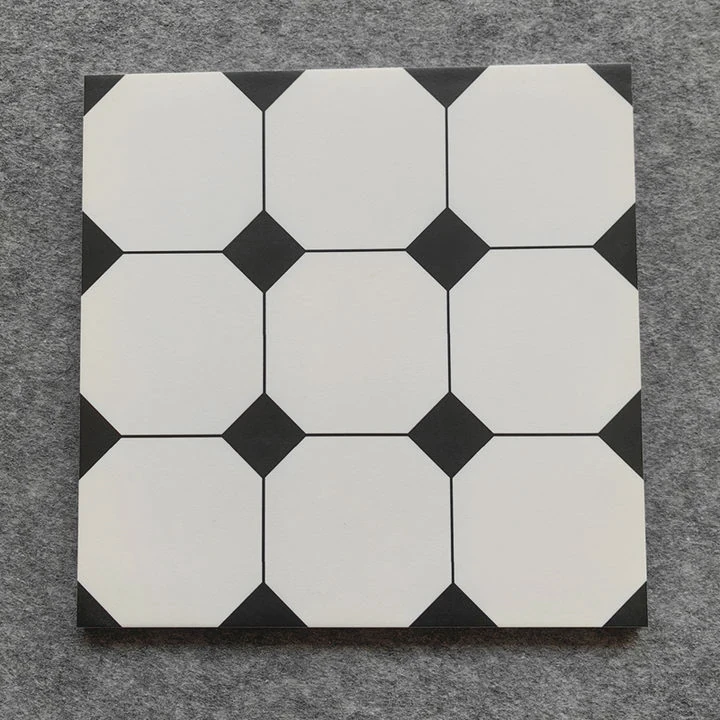
Material selection affects both appearance and long-term performance. Countertops experience daily pressure, heat, moisture, and cleaning chemicals, so every layer matters.
Choosing The Right Tile
Porcelain tile is one of the most common countertop choices because it is dense, durable, and resistant to moisture.
Ceramic tile is also widely used, especially in decorative residential kitchens.
Natural stone tiles may create a luxury appearance, but they often require more maintenance and sealing.
Popular countertop tile options include:
| Tile Type | Main Advantage |
|---|---|
| Porcelain tile | High durability |
| Ceramic tile | Wide design variety |
| Marble-look tile | Luxury appearance |
| Mosaic tile | Decorative design |
| Large-format tile | Fewer grout lines |
Large-format porcelain tiles have become increasingly popular because they reduce grout joints and create a cleaner modern appearance.
Substrate Materials Matter
Tiles should never install directly over weak or flexible surfaces.
Most tile countertops use:
- Cement backer board
- Exterior-grade plywood
- Waterproof membranes
- Reinforced substrate layers
The countertop base must remain stable under weight and daily use.
Adhesive And Grout Selection
Thin-set mortar is usually the preferred adhesive for countertop tile installation. It creates strong bonding and handles moisture well.
Grout choice also matters. Epoxy grout offers strong stain resistance and durability in kitchens.
Edge Finishing Materials
Countertop edges require additional finishing pieces.
Common options include:
- Bullnose tiles
- Metal edge trims
- Stone edge profiles
- Mitered tile edges
Edge materials protect exposed corners while improving appearance.
Waterproofing Improves Durability
Kitchen and bathroom countertops regularly face water exposure.
Waterproofing membranes help protect the substrate from:
- Moisture penetration
- Mold growth
- Swelling
- Structural damage
Tools Required For Installation
Professional installation usually requires:
- Tile cutter
- Wet saw
- Trowels
- Spacers
- Levels
- Mixing tools
- Grout floats
Accurate tools improve alignment and reduce installation errors.
Material Quality Affects Long-Term Results
Some buyers focus mainly on tile appearance while ignoring supporting materials.
Still, strong countertop performance depends on the complete system working together. Durable substrates, reliable adhesive, and proper waterproofing often matter just as much as the tile itself.
How Can Edges Be Finished For Countertops?
Countertop edges attract constant attention and regular physical contact. Poor edge finishing can make even expensive tile work look unfinished or weak.
Tile countertop edges can be finished using bullnose tiles, metal trims, mitered edges, stone profiles, or decorative molding pieces that protect corners while improving the countertop’s overall appearance.
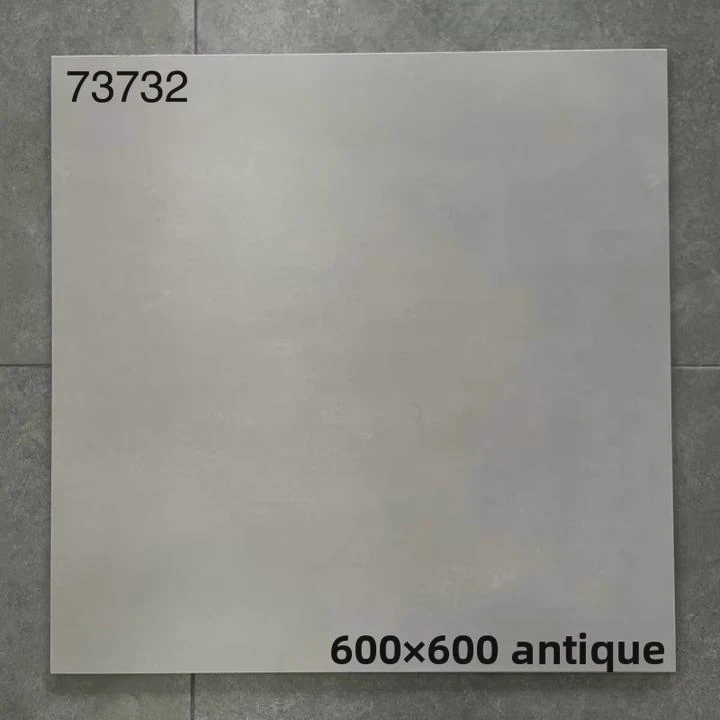
Edge finishing serves both functional and decorative purposes. Exposed tile edges can chip easily if left unprotected.
Bullnose Tiles Create Smooth Edges
Bullnose trim tiles remain one of the most common countertop edge solutions.
Their rounded edge creates:
- Safer corners
- Cleaner appearance
- Comfortable touch surfaces
- Better edge protection
Bullnose pieces often match the main tile series directly.
Metal Edge Profiles Offer Modern Style
Metal trims have become very popular in contemporary kitchens and commercial interiors.
Popular materials include:
- Aluminum
- Stainless steel
- Brass
- Powder-coated metal
These trims provide:
- Sharp modern lines
- Strong impact resistance
- Long-term durability
Metal profiles are especially common with large-format porcelain countertops.
Mitered Edges Create Seamless Appearance
Mitered edges cut the tile at angles so adjoining edges meet cleanly.
This creates a thicker slab-style appearance while hiding exposed tile sides.
Mitered installations often appear in:
- Luxury kitchens
- Modern bathrooms
- High-end commercial interiors
Still, mitered edges require skilled cutting and careful alignment.
Decorative Moldings Add Traditional Style
Some projects use decorative trims or chair rail moldings to create more classic designs.
These styles work well in:
- Traditional kitchens
- Rustic interiors
- Mediterranean designs
Edge Protection Improves Durability
Countertop corners experience regular impact from:
- Pots and pans
- Kitchen tools
- Cleaning equipment
- Daily movement
Proper edge finishing helps reduce chipping and surface damage.
Edge Choices Affect Cleaning
Smooth edges are usually easier to clean.
Complex decorative profiles may collect:
- Dust
- Grease
- Food particles
This becomes especially important in commercial kitchens and restaurants.
Edge Design Should Match Tile Style
Different tile styles often pair better with specific edge solutions.
| Tile Style | Common Edge Finish |
|---|---|
| Modern porcelain | Slim metal trim |
| Traditional ceramic | Bullnose trim |
| Marble-look tile | Mitered edge |
| Mosaic tile | Decorative molding |
Matching the edge style with the tile design creates a more balanced final appearance.
Professional Finishing Improves Perceived Quality
Customers often notice countertop edges immediately because they sit at eye level and receive direct contact.
Clean edge finishing helps the entire countertop look more expensive, durable, and professionally installed.
Why Use Proper Adhesive For Countertop Tiles?
Countertops experience much more stress than many wall tile installations. Weak adhesive selection can lead to loose tiles, cracks, and long-term structural problems.
Proper adhesive ensures strong bonding, moisture resistance, heat tolerance, and long-term stability for countertop tiles exposed to daily use, cleaning chemicals, and temperature changes.
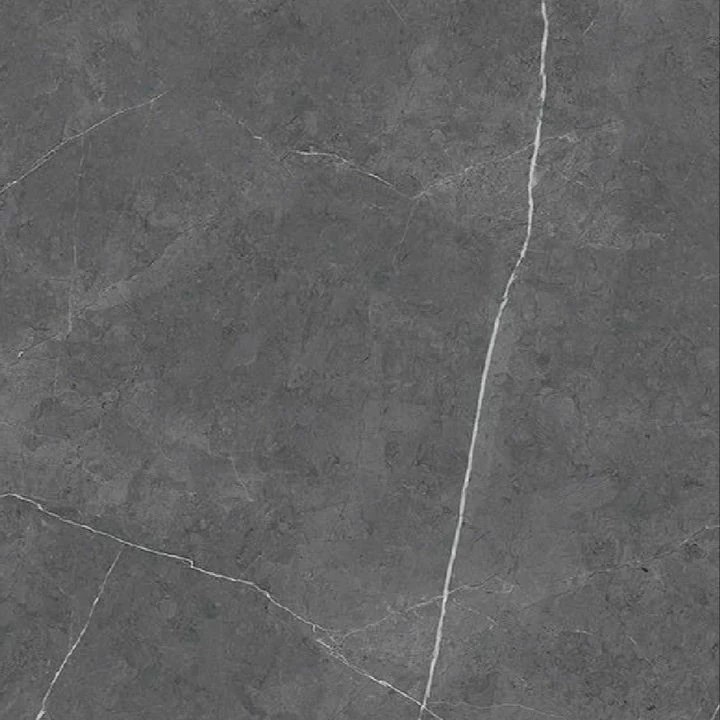
Tile adhesive acts as the foundation of the entire countertop system. Even premium tiles can fail if the bonding layer is weak.
Countertops Face Constant Pressure
Unlike decorative wall tile, countertops support:
- Kitchen appliances
- Food preparation
- Daily cleaning
- Heavy objects
- Temperature fluctuations
The adhesive must handle both weight and movement.
Thin-Set Mortar Provides Strong Bonding
Most professional installers prefer cement-based thin-set mortar for countertop projects.
Thin-set creates:
- Strong adhesion
- Moisture resistance
- Stable curing
- Long-term durability
Modified thin-set products often improve flexibility and bonding strength further.
Premixed Adhesives Have Limitations
Some premixed mastics may work for light wall applications, but they are often less suitable for heavy countertop use.
Moisture and heat can weaken certain premixed products over time.
This becomes risky near:
- Sinks
- Dishwashers
- Coffee stations
- Cooktops
Heat Resistance Matters In Kitchens
Kitchen countertops regularly face hot cookware and changing temperatures.
Improper adhesive may soften or weaken under heat exposure.
Professional-grade mortars usually perform better in demanding environments.
Moisture Protection Is Critical
Water exposure around sinks can slowly damage weak bonding systems.
Proper adhesive helps reduce:
- Tile movement
- Moisture penetration
- Grout cracking
- Delamination
Large Tiles Need Better Support
Large-format porcelain tiles place greater stress on the adhesive layer because of their size and weight.
Many installers use specialized mortars designed specifically for large tiles.
Adhesive Coverage Must Be Consistent
Even strong adhesive can fail if coverage becomes uneven.
Professional installers aim for full mortar coverage beneath countertop tiles to eliminate air gaps.
Poor coverage may create:
- Hollow sounds
- Weak spots
- Cracking risk
- Reduced load capacity
Product Selection Should Match The Project
Different countertop environments require different adhesive performance levels.
| Countertop Area | Adhesive Requirement |
|---|---|
| Residential kitchen | Standard modified thin-set |
| Commercial kitchen | Heavy-duty mortar |
| Outdoor countertop | Weather-resistant adhesive |
| Bathroom vanity | Moisture-resistant mortar |
Using the correct adhesive improves both safety and long-term durability.
A strong tile countertop depends on much more than attractive tile. Reliable adhesive selection protects the entire installation for years of daily use.
Which Steps Ensure Durable Tile Countertop Installation?
Durable countertops do not happen by accident. Every installation stage affects long-term strength, appearance, and performance.
Durable tile countertop installation requires stable substrate preparation, accurate layout planning, proper waterproofing, strong adhesive application, careful tile placement, and controlled grouting and finishing procedures.
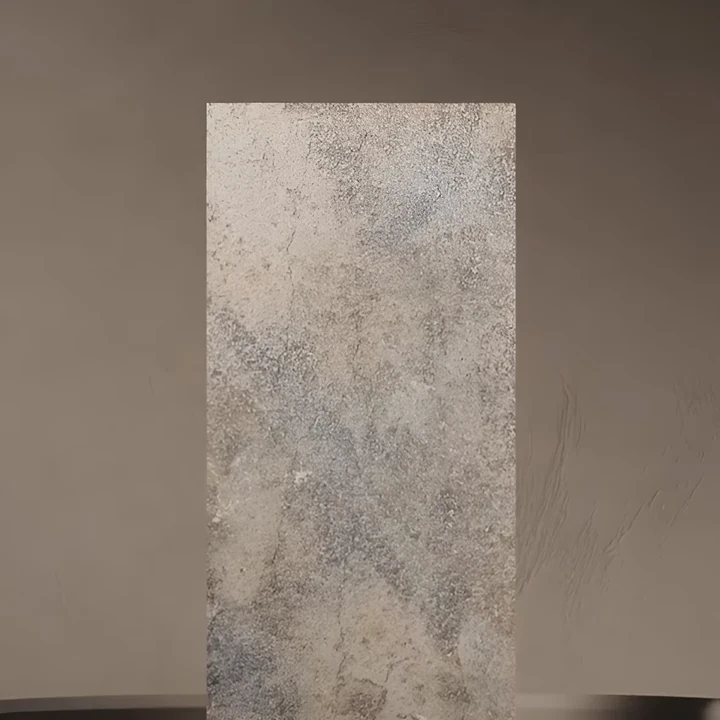
Professional installers usually follow a detailed process to reduce future problems.
Step 1: Build A Stable Base
The countertop structure must support tile weight without flexing.
Installers often reinforce:
- Cabinets
- Plywood layers
- Support framing
Movement beneath the tile can cause cracking later.
Step 2: Install Cement Backer Board
Cement board creates a stable and moisture-resistant tile base.
The board should install securely with:
- Thin-set mortar underneath
- Proper screw spacing
- Reinforced seams
Step 3: Apply Waterproofing
Waterproof membranes help protect the substrate from moisture penetration.
This step becomes especially important around:
- Sink cutouts
- Backsplash joints
- Bathroom vanities
Step 4: Plan Tile Layout Carefully
Layout planning helps reduce awkward cuts and uneven grout lines.
Professional installers usually dry-lay the tile first to check:
- Joint spacing
- Edge alignment
- Symmetry
- Trim placement
Step 5: Apply Adhesive Properly
Mortar should spread evenly using the correct trowel size.
Installers often back-butter large tiles to improve bonding coverage.
Proper adhesive application reduces:
- Air pockets
- Weak bonding
- Tile movement
Step 6: Install Tiles Carefully
Tiles should align evenly with consistent grout spacing.
Installers continuously check:
- Levelness
- Surface flatness
- Edge alignment
Large-format tiles often require leveling systems to reduce lippage.
Step 7: Grout And Finish
After adhesive curing, grout fills the joints and helps stabilize the surface.
Excess grout should be cleaned carefully before hardening.
Sealing may also be recommended depending on:
- Tile type
- Grout type
- Project environment
Installation Accuracy Improves Lifespan
Many countertop failures begin with small installation mistakes.
Common issues include:
| Installation Error | Possible Result |
|---|---|
| Weak substrate | Cracked tiles |
| Poor waterproofing | Moisture damage |
| Uneven adhesive | Hollow spots |
| Bad alignment | Uneven surface |
| Incomplete curing | Loose tiles |
Careful installation protects both appearance and structural performance.
Strong tile countertops require patience, proper materials, and skilled workmanship throughout every stage of the project.
Conclusion
Tile countertops combine durability, design flexibility, and long-term performance when installed correctly. Strong materials, proper adhesive selection, careful edge finishing, and accurate installation steps all work together to create countertops that remain stable, attractive, and functional for many years.