How many 300 x 600 tiles are in a box?
- Sinotiles
- 2026-03-04
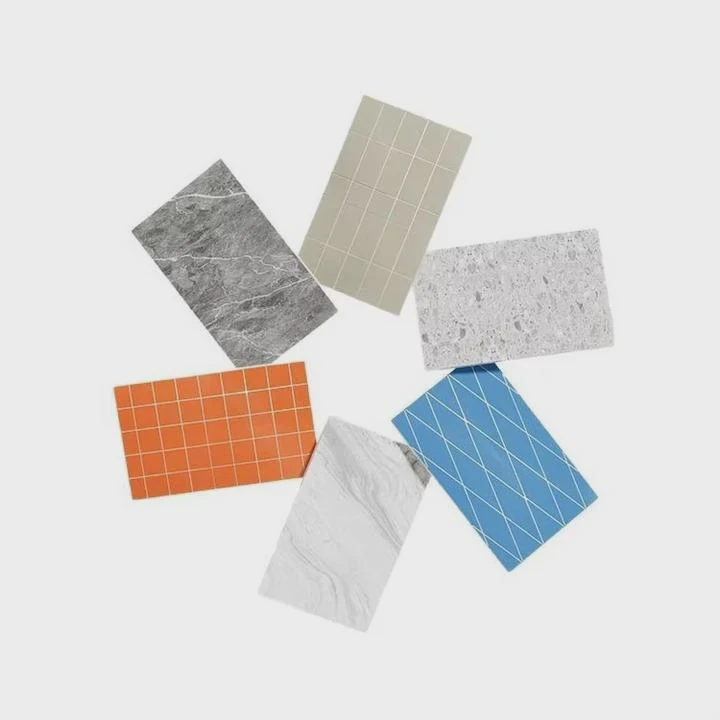
When you’re purchasing tiles, you want to know how many tiles are in each box to help with your budgeting and planning. It’s a simple yet crucial question that often gets overlooked.
Typically, the number of 300 x 600 tiles per box depends on the manufacturer and packaging size. Most tiles are sold in boxes containing between 5 to 20 tiles, but you should always check the product specifications or ask the supplier for accurate information.
The amount of tiles in a box is important for several reasons. If you’re tiling a large area, knowing the box quantity can help you determine how many boxes you need to complete the job. Plus, understanding the box size helps you avoid purchasing excess tiles or running short.
What is the 1 3 rule for tiles?
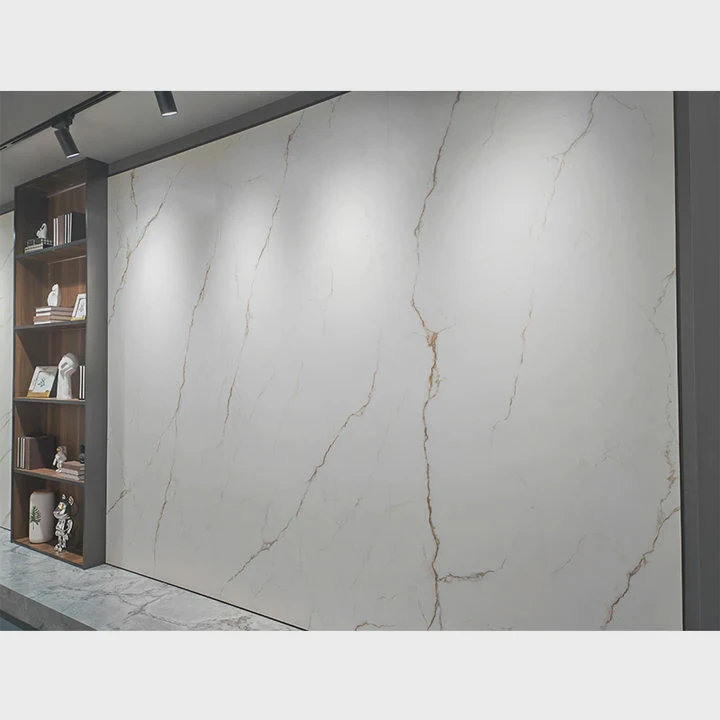
The “1:3 rule” for tiles is a design technique aimed at creating more visually appealing tile layouts. Instead of aligning each tile row perfectly with the next one, you stagger the tiles by one-third of their length.
The 1:3 rule suggests offsetting tiles by a third of their length, which creates a more natural, non-repetitive look. This method avoids the rigid, grid-like appearance often seen in straight tile layouts and can add more dimension to your floor or wall.
Why should you use the 1:3 rule?
This rule is especially useful when you’re laying tiles in large rooms or areas where uniformity might seem too structured or mechanical. The offset pattern allows for more fluidity and randomness in the arrangement, contributing to a more dynamic space.
For example, if you have rectangular tiles, staggering them using the 1:3 rule will reduce the monotony of a grid system. This is particularly beneficial when using large tiles, which might otherwise make the space look too blocky.
Benefits of the 1:3 rule:
- Aesthetic appeal: The staggered layout adds depth and interest to the room.
- Reduced grout lines: With tiles offset, the grout lines are less noticeable, offering a smoother look.
- Enhanced flow: The offset layout can give the illusion of more space and movement in a room.
For these reasons, many homeowners and designers prefer this rule for its practical and aesthetic advantages.
How much does 300 sq ft of tile cost?
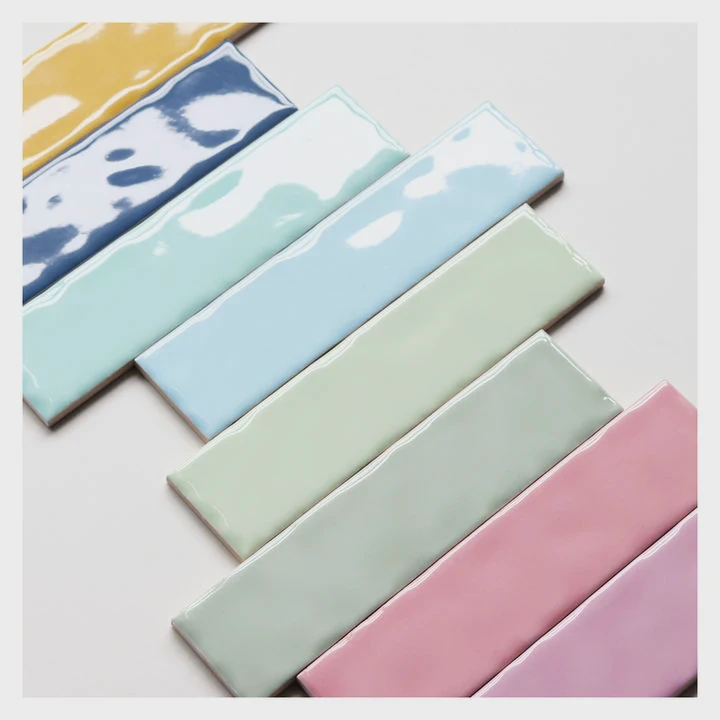
When you’re calculating costs for tiling a space, understanding the price per square foot is key. Tile prices can vary widely depending on the material, design, and quality. Knowing how much 300 square feet of tile will cost is essential for budget planning.
The cost of 300 sq ft of tile depends on the type of tile you select. On average, ceramic tiles range from \(0.50 to \)3 per square foot, while porcelain tiles can cost anywhere from \(1 to \)5 or more per square foot.
To calculate the total cost, simply multiply the cost per square foot by 300. Here’s a breakdown:
| Tile Type | Price Range per Sq Ft | Total for 300 Sq Ft |
|---|---|---|
| Ceramic Tiles | \(0.50 - \)3 | \(150 - \)900 |
| Porcelain Tiles | \(1 - \)5 | \(300 - \)1,500 |
You’ll also need to consider other costs, such as grout, adhesive, and tools, plus the potential labor costs if you’re hiring a professional to install the tiles. Make sure to add these additional expenses to your budget.
Factors that affect tile cost:
- Material: Natural stones like marble and granite tend to be more expensive than ceramic or porcelain tiles.
- Design and Finish: Tiles with special finishes or intricate designs can increase the price.
- Size and Thickness: Larger and thicker tiles usually come with a higher price tag.
Knowing these factors will help you choose the right tile and stay within your budget.
Which way to lay 600x300 floor tiles?
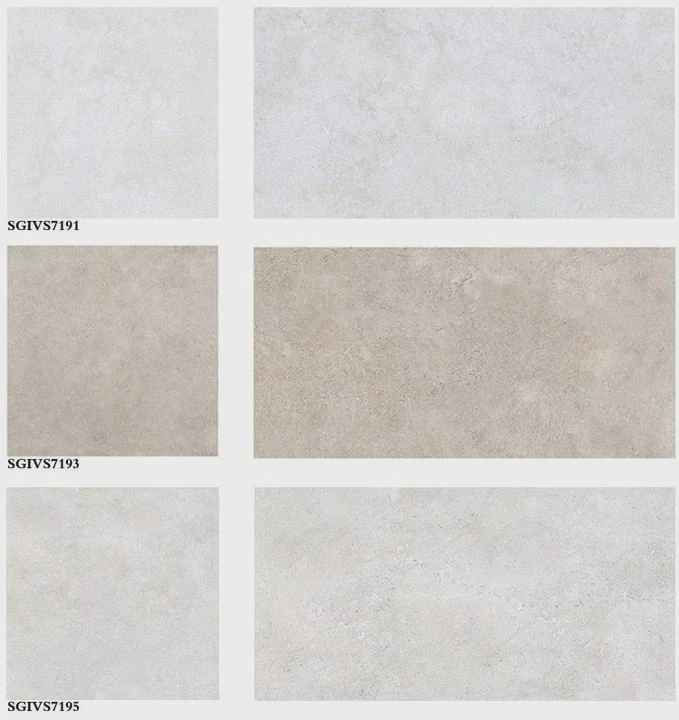
Choosing the correct layout for 600 x 300 tiles can make a big difference in the appearance of your space. The direction in which you lay the tiles will influence how the room feels and flows. There are several ways to arrange these tiles depending on the aesthetic you want to create.
You can lay 600 x 300 tiles in several ways, with the most common options being straight, diagonal, or herringbone layouts. Each has its advantages, depending on the size of the room and the look you’re going for.
Straight Layout
The straight layout is the most basic and simple approach. Tiles are laid in parallel lines, either following the walls or running perpendicular to them. This is the easiest layout to install and is ideal for small to medium-sized spaces.
Diagonal Layout
In a diagonal layout, tiles are placed at a 45-degree angle to the walls. This creates a more dynamic look and can make a space feel larger, as the angles draw the eye in different directions. Diagonal layouts work particularly well in square or compact rooms.
Herringbone Layout
The herringbone pattern involves arranging tiles in a zigzag or “V” shape. This classic and elegant design adds movement and texture to the floor. However, it’s more complex to install than a straight layout.
Here’s a quick comparison of each layout:
| Layout Type | Best for | Advantages | Difficulty Level |
|---|---|---|---|
| Straight | Smaller or rectangular rooms | Simple, easy to install | Low |
| Diagonal | Square rooms, open spaces | Creates the illusion of space | Medium |
| Herringbone | Stylish spaces, large rooms | Elegant, high-end look | High |
Choosing the best layout depends on your design preferences, room size, and whether you want a quick installation or a more intricate, custom look.
Which is better 40x40 or 60x60 tiles?
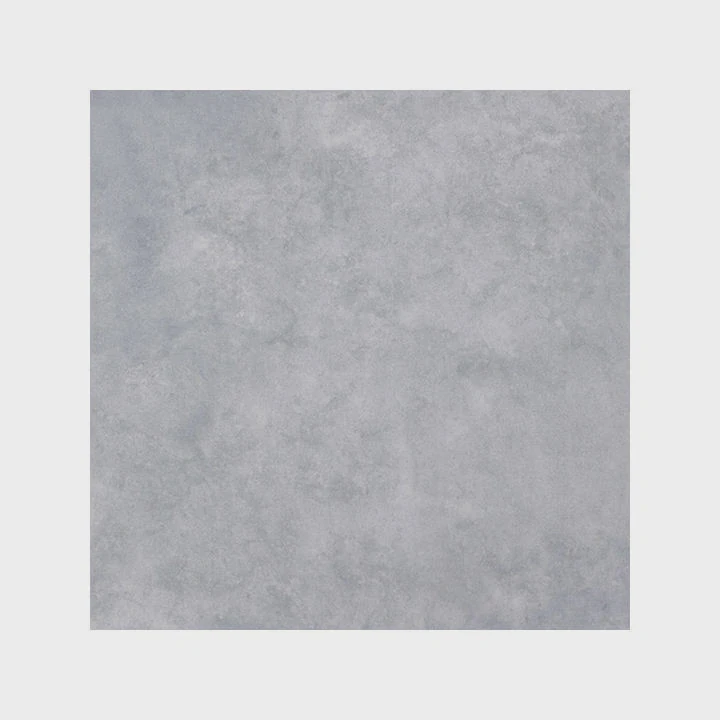
When selecting tiles, it’s important to consider the tile size. Both 40x40 and 60x60 tiles have their advantages and disadvantages, depending on the space and style you’re aiming for.
The choice between 40x40 and 60x60 tiles depends on the size of your space and the visual effect you want to achieve. Larger tiles, like 60x60, make a room appear bigger, while smaller tiles, such as 40x40, work better for detailed designs.
40x40 Tiles
Smaller tiles are more flexible and can be installed in a variety of patterns. They are great for creating detailed designs, especially in smaller spaces such as bathrooms and kitchens. However, they require more grout lines, which can break up the floor and make it look more cluttered.
60x60 Tiles
Larger tiles are ideal for bigger rooms or open-plan spaces. They reduce the number of grout lines, which can make the space feel larger and more cohesive. However, large tiles are harder to install, especially in smaller rooms, where cutting tiles may be necessary.
Here’s a comparison of both tile sizes:
| Tile Size | Best for | Visual Effect | Pros | Cons |
|---|---|---|---|---|
| 40x40 Tiles | Small to medium rooms | More grout lines, detailed | Flexible design options | Can feel cluttered with too many grout lines |
| 60x60 Tiles | Large rooms, open spaces | Bigger, more seamless look | Fewer grout lines, spacious feel | More difficult to install and cut |
For smaller spaces, 40x40 tiles work better due to their ability to fit more patterns. For larger spaces, 60x60 tiles provide a sleek, modern look with fewer interruptions.
Conclusion
Choosing the right tile layout and size for your space can significantly impact its look and feel. Consider your room size, tile material, and design preferences when making your decision. Whether you go for the staggered 1:3 layout, opt for 40x40 or 60x60 tiles, or figure out how many tiles you need per box, planning ahead ensures a successful tiling project.
- Pre: How to Install Ceramic Tile?
- Next: How to Grout Tile?