How to Grout Tile?
- Sinotiles
- 2026-03-06
Grouting mistakes can ruin a perfect tile job. Missing gaps or cracks may cause water damage and stains quickly.
Grouting fills gaps between tiles, strengthens the installation, and protects surfaces from water and dirt. Proper grout makes tiles last longer and look great.
Mastering grout techniques ensures your tiles stay beautiful and safe. Read on to learn the tools, preparation, types, and tips to protect your floors and walls.
What tools are needed for grouting tile?
Grouting without the right tools can be frustrating. Imagine struggling with uneven lines or messy corners.
Basic tools include a grout float, sponge, bucket, gloves, and a sealer. These items help apply grout cleanly and efficiently.
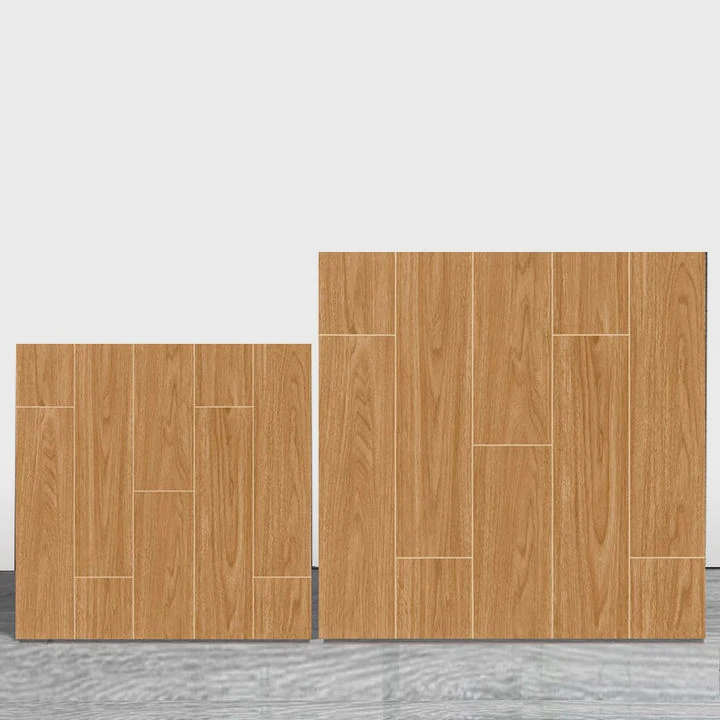
I always start by organizing all tools. A good setup avoids stress and mistakes. A grout float spreads grout evenly, while a sponge cleans residue. Gloves prevent skin irritation, and a bucket helps mix the right grout consistency. A mixing paddle ensures smooth texture without lumps. Some people forget a utility knife to remove old grout or fix gaps. Skipping these makes the process slower and messy.
Why each tool matters
| Tool | Purpose | Tip |
|---|---|---|
| Grout Float | Apply grout | Hold at 45° angle for even spread |
| Sponge | Clean surface | Rinse often to avoid streaks |
| Bucket | Mix grout | Use clean water for consistency |
| Gloves | Protect hands | Avoid skin irritation |
| Sealer | Protect grout | Apply after grout dries |
| Utility Knife | Remove old grout | Prevents uneven joints |
Every step with proper tools improves the outcome. Preparing tools first is just as important as applying grout.
How do you prepare surfaces before grouting?
Skipping preparation causes grout to crack or peel. Dirty or wet surfaces weaken adhesion.
Clean tiles and joints, check spacing, and dampen the surface slightly before grouting. Proper prep prevents future damage.

Preparation begins with cleaning tiles using a damp cloth. Dust or old adhesive blocks proper bonding. Next, inspect tile spacing; uneven joints make the final look sloppy. Slightly dampen joints to help grout set without drying too fast. Protect edges with painter’s tape to avoid smears. Prepping carefully takes time but saves repairs later.
Steps for effective preparation
- Sweep or vacuum all dust and debris.
- Wipe tiles with a damp cloth.
- Check each joint for consistency.
- Dampen joints lightly.
- Apply painter’s tape around edges.
| Step | Action | Result |
|---|---|---|
| Clean | Remove dust | Better bonding |
| Inspect | Check spacing | Smooth finish |
| Damp | Moisten joints | Prevent cracks |
| Protect | Tape edges | Clean work |
Skipping any step leads to grout shrinkage, cracks, or mold later.
Which grout types work best for different tiles?
Using the wrong grout causes damage or ugly joints. Sanded grout can scratch delicate tiles; epoxy grout is harder to apply.
Sanded, unsanded, and epoxy grouts fit different tiles. Sanded works for floors, unsanded for narrow gaps, and epoxy for water areas or heavy use.
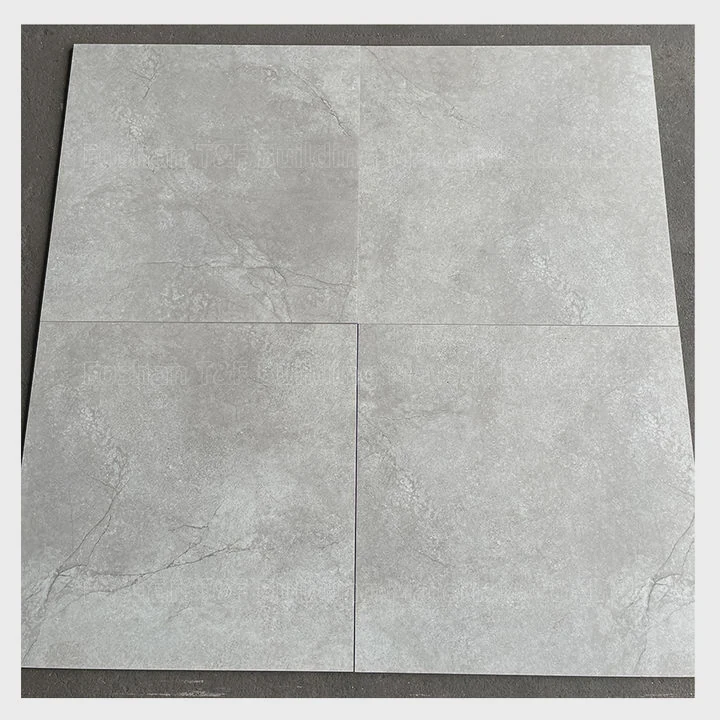
Selecting the right grout depends on joint width, tile type, and location. Sanded grout is durable for wide gaps, especially on floors. Unsanded grout suits narrow joints and delicate surfaces like glass or marble. Epoxy grout resists stains and water, ideal for kitchens and bathrooms. Industrial or chemical-resistant projects may use furan grout, but it is less common. Matching grout to tile prevents cracking, staining, and water damage.
Grout selection guide
| Tile Type | Joint Width | Recommended Grout |
|---|---|---|
| Floor tile | > 1⁄8 inch | Sanded grout |
| Glass tile | < 1⁄8 inch | Unsanded grout |
| Kitchen/bath | Any | Epoxy grout |
| Industrial | Any | Furan grout |
Choosing grout carefully avoids costly repairs and keeps tiles looking new. Consider water exposure, joint width, and aesthetics.
Extra tips
- Always test a small section first.
- Avoid mixing different grout types in one area.
- Seal grout for extra protection.
Can grout prevent tile water damage?
Ignoring grout allows water to seep under tiles, causing mold or floor damage. Leaks can appear even with strong tiles.
Properly applied and sealed grout blocks water from reaching subfloors, protecting walls and floors from moisture and mold.
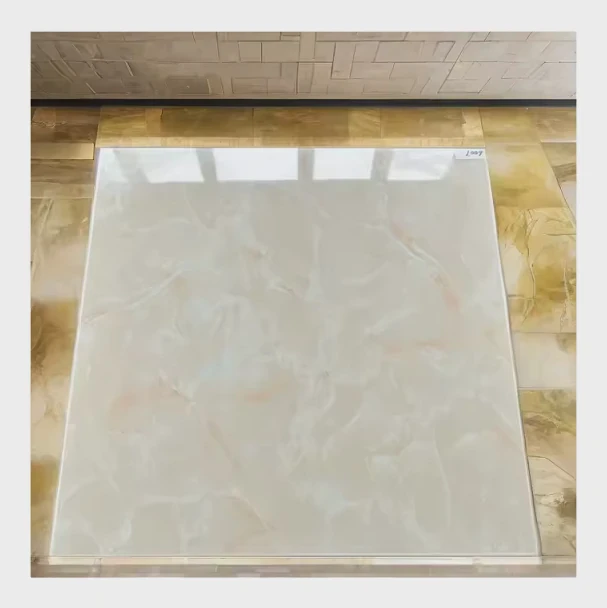
Grout is the first barrier against water damage. Using cement-based grout with sealer or epoxy grout ensures joints stay water-resistant. Bathrooms, kitchens, and laundry rooms need special care. Sealing grout improves protection by closing pores where water could enter. Regular inspections and re-sealing keep the barrier strong. Ignoring grout maintenance often leads to tile lifting, discoloration, or mold growth.
Water protection checklist
- Apply grout evenly, filling all joints.
- Wipe off excess to avoid gaps.
- Seal grout after curing.
- Inspect grout annually for cracks.
- Reapply sealer every 1–2 years in wet areas.
| Task | Frequency | Purpose |
|---|---|---|
| Seal grout | Every 1–2 years | Prevent water penetration |
| Inspect joints | Annually | Detect cracks early |
| Clean grout | Weekly | Avoid mold build-up |
Proper grouting is more than aesthetics; it protects your investment and ensures tiles remain functional and safe.
Conclusion
Grouting tiles correctly improves durability, prevents water damage, and keeps surfaces attractive. Proper tools, preparation, and grout selection make a lasting difference.