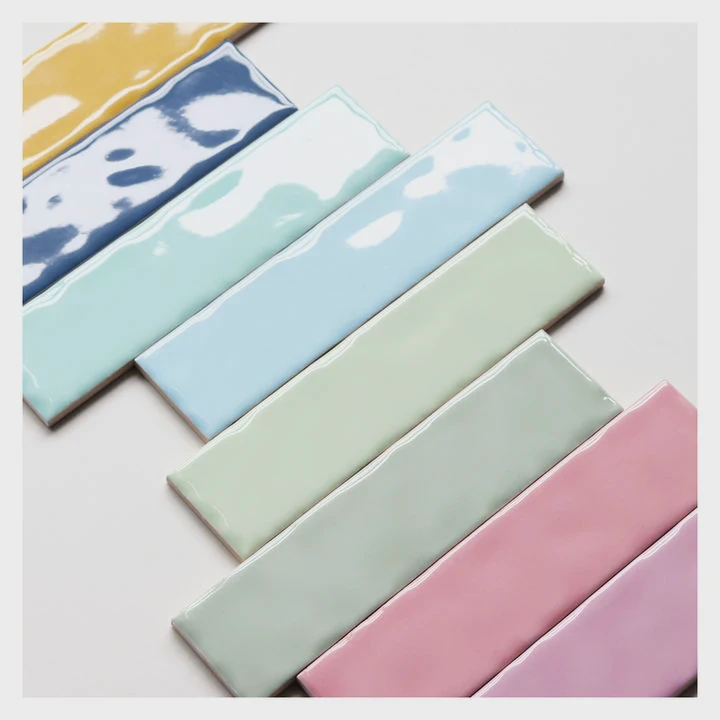
How Much Does It Cost to Tile a 12x12 Room?
- Sinotiles
- 2026-07-11
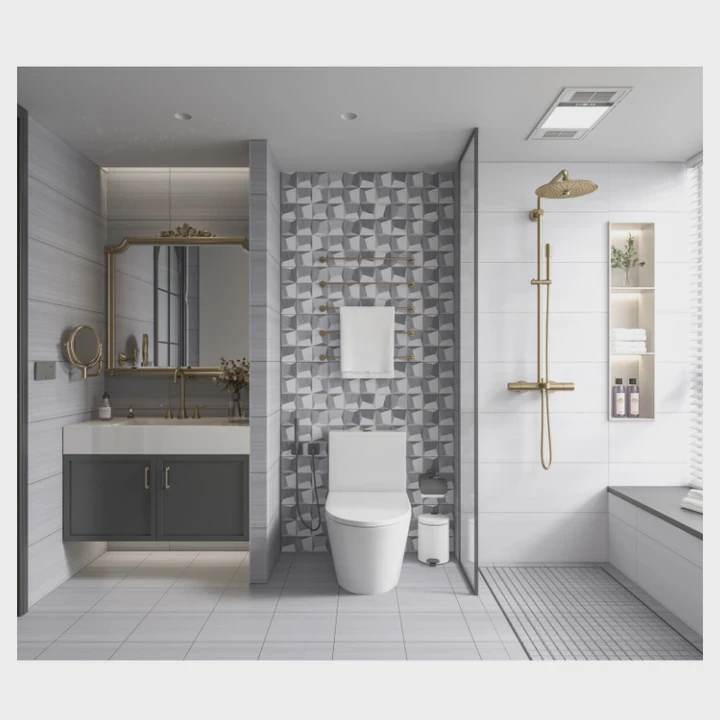
Installing tile in a 12x12 room sounds like a simple project. Many homeowners only look at the tile price and expect a low budget. Later, they discover that labor, preparation, and extra materials cost much more than expected.
The cost to tile a 12x12 room typically ranges from \(900 to \)3,500 or more. The final price depends on tile material, labor rates, floor condition, installation complexity, and additional materials like grout and waterproofing.
Many people ask for a single number, but there is no one-size-fits-all answer. Every room is different. The condition of the floor, the type of tile, and even the installation pattern all affect the final cost. This guide explains each factor so you can build a realistic budget before starting your project.
What Factors Influence Tiling Costs for Small Rooms?
Small rooms usually require fewer tiles, but they do not always cost less per square foot. Every installation includes fixed costs that remain almost the same regardless of room size.
The biggest factors that affect the cost of tiling a small room include floor preparation, tile size, installation pattern, room condition, waste allowance, and project complexity.
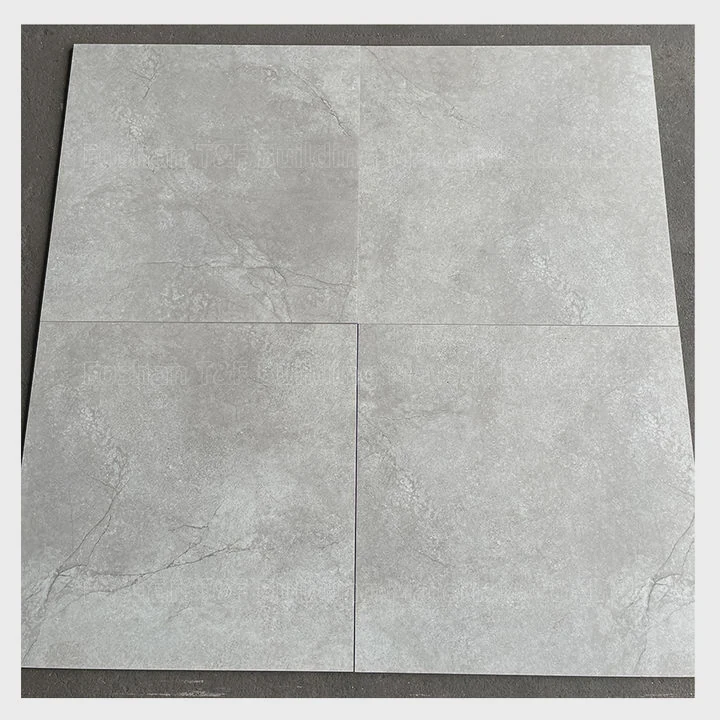
Many people only multiply the room size by the tile price. That approach often leads to an inaccurate estimate because installation involves much more than laying tile.
Room Condition Matters
The existing floor is one of the first things every installer checks.
A clean and level concrete floor usually requires very little preparation. A damaged or uneven floor requires additional work before installation can begin.
Common preparation work includes:
- Removing old flooring
- Repairing cracks
- Leveling uneven areas
- Replacing damaged plywood
- Installing cement backer board
- Cleaning dust and debris
Preparation may account for a significant percentage of the total project cost.
Tile Size Changes Installation Time
Different tile sizes require different installation methods.
Small tiles create more grout joints and usually require more labor.
Large-format tiles create fewer grout lines but often require a flatter floor and more careful leveling.
Popular tile sizes include:
- 300x600mm
- 600x600mm
- 800x800mm
- 600x1200mm
- 750x1500mm
- 900x1800mm
Larger tiles may reduce grout lines, but they often increase installation difficulty.
Installation Pattern
A straight grid pattern is usually the easiest and most affordable layout.
Decorative patterns increase labor because they require more measuring and cutting.
Examples include:
- Diagonal layout
- Herringbone
- Chevron
- Brick pattern
- Basket weave
More complicated layouts also create more material waste.
Material Waste
No installation uses every tile perfectly.
Some tiles are cut to fit corners, doorways, and walls.
Most professionals recommend ordering:
- Around 10% extra for straight layouts
- Around 15% to 20% extra for complex designs
Extra tiles also provide replacements if repairs are needed years later.
Main Cost Factors
| Factor | Effect on Cost |
|---|---|
| Surface preparation | High |
| Tile size | Medium |
| Installation pattern | High |
| Floor repairs | High |
| Waste allowance | Medium |
| Room accessibility | Medium |
Every one of these factors contributes to the final project cost. Looking at all of them together provides a much more accurate estimate than focusing only on the tile price.
How Does Material Choice Affect Tile Pricing?
Tile material has one of the biggest impacts on the total budget. Different materials require different manufacturing processes, installation methods, and long-term maintenance.
Ceramic tile is generally the most affordable option, while porcelain, natural stone, and large-format tiles usually cost more because of their higher performance and installation requirements.
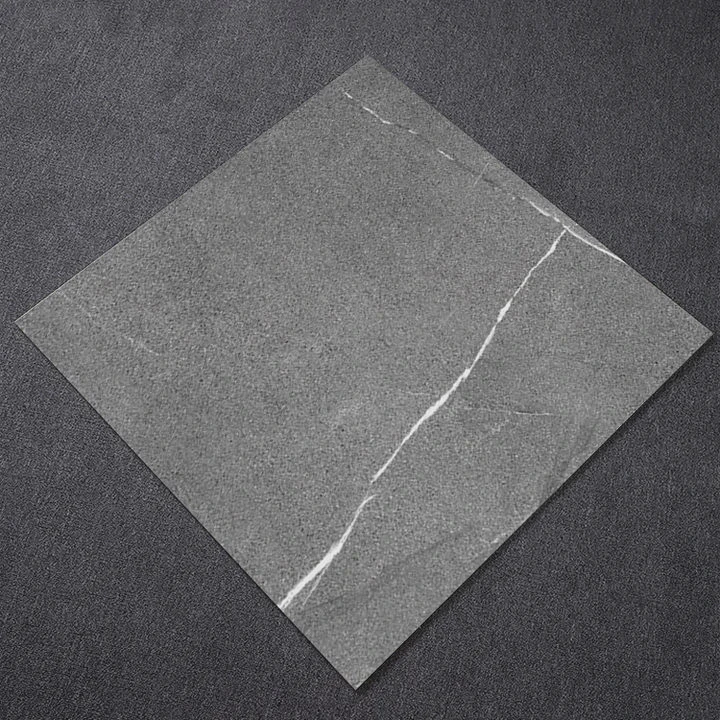
Choosing the right tile means balancing appearance, durability, maintenance, and budget.
Ceramic Tile
Ceramic tile remains one of the most popular flooring materials.
Its advantages include:
- Affordable price
- Easy installation
- Wide variety of colors
- Good performance in residential spaces
Ceramic works well in many rooms where moisture exposure is moderate.
Porcelain Tile
Porcelain is made from denser clay and fired at higher temperatures.
Its benefits include:
- Excellent durability
- Low water absorption
- High scratch resistance
- Suitable for bathrooms and kitchens
- Long service life
Although porcelain usually costs more than ceramic, many homeowners choose it because of its durability.
Glazed Tile
Glazed tiles offer decorative finishes in many styles.
They provide:
- Easy cleaning
- Good stain resistance
- Attractive surface designs
- Modern appearance
Glazed porcelain tiles are especially popular for contemporary bathroom designs.
Large-Format Tile
Large-format tiles have become one of the biggest trends in interior design.
Their advantages include:
- Fewer grout lines
- Spacious appearance
- Easier cleaning
- Modern design
However, installation often requires experienced installers and tile leveling systems.
Natural Stone
Natural stone creates a premium appearance that many luxury homes prefer.
Popular choices include:
- Marble
- Granite
- Slate
- Travertine
Natural stone generally costs more because of quarrying, transportation, sealing, and specialized installation.
Material selection should consider long-term durability instead of only the purchase price. A tile with a slightly higher upfront cost may deliver better value over many years.
Why Do Labor Rates Vary for Tile Installation?
Many homeowners are surprised to learn that labor often costs as much as, or even more than, the tile itself. Installation quality directly affects how long the floor will last.
Labor rates vary because of installer experience, local market conditions, room complexity, floor preparation, tile type, and project size.
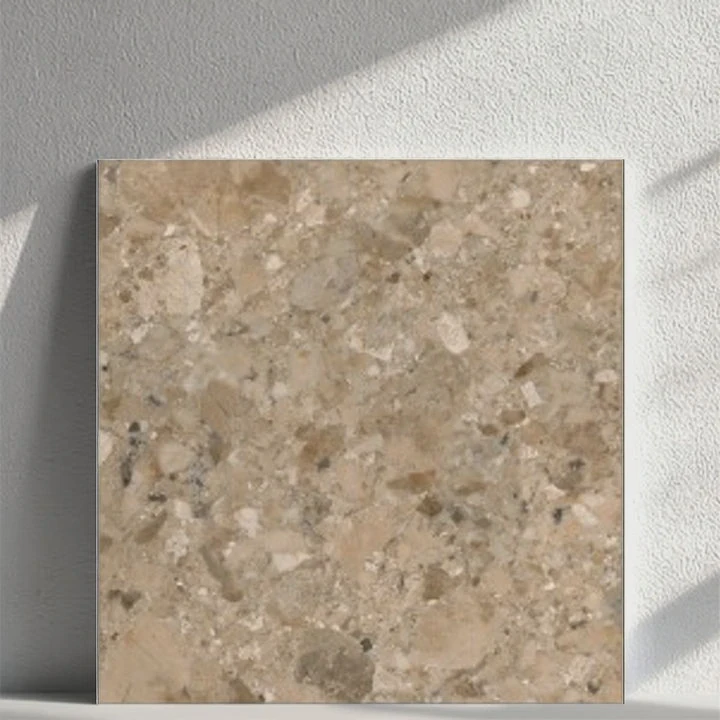
Hiring a skilled installer usually reduces the risk of future repairs. Good workmanship protects both the appearance and durability of the finished floor.
Local Market Rates
Labor costs differ from one city to another.
Large metropolitan areas often have:
- Higher wages
- Greater business expenses
- Stronger demand for skilled installers
Smaller towns may have lower labor costs.
Installer Experience
Experienced installers often charge higher rates.
They typically provide:
- Better tile alignment
- More accurate cuts
- Faster installation
- Better grout finishing
- Lower material waste
Paying more for quality installation often saves money over the long term.
Project Difficulty
Bathrooms, kitchens, and laundry rooms usually require more detailed work than open living spaces.
Additional work may include:
- Waterproofing
- Pipe cutouts
- Toilet openings
- Shower drains
- Multiple corners
- Built-in cabinets
These details increase installation time.
Existing Floor Removal
Removing old flooring requires additional labor.
Common materials that must be removed include:
- Vinyl flooring
- Laminate
- Hardwood
- Carpet
- Existing ceramic tile
Disposal costs are also part of the project budget.
Installation Schedule
Tile installation happens in several stages.
Typical steps include:
- Floor preparation
- Layout planning
- Tile installation
- Adhesive curing
- Grouting
- Final cleaning
Each stage requires time. Rushing any step can reduce installation quality.
Which Additional Costs Should Homeowners Consider?
Many project estimates overlook smaller expenses. These hidden costs often explain why the final invoice exceeds the original budget.
Homeowners should also budget for adhesives, grout, waterproofing, trim pieces, demolition, floor preparation, waste disposal, tool rental, and future maintenance.
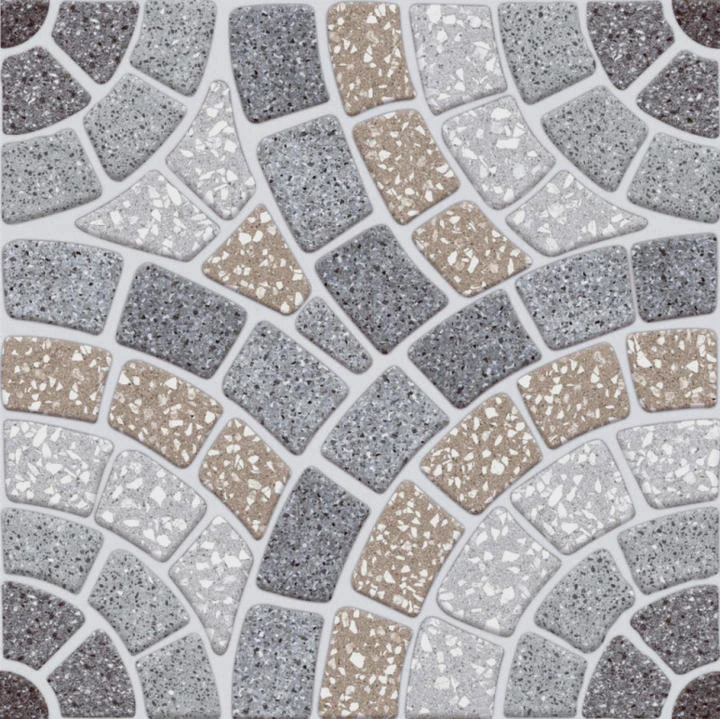
Looking beyond the tile itself creates a more accurate financial plan.
Adhesive and Grout
Tile cannot be installed without supporting materials.
These include:
- Thin-set mortar
- Grout
- Silicone sealant
- Caulk
- Primer
Although each item may seem inexpensive, together they contribute noticeably to the overall project cost.
Waterproofing
Bathrooms and wet areas require moisture protection.
Waterproof membranes help protect:
- Subfloors
- Wall framing
- Adjacent rooms
- Structural materials
Skipping waterproofing can lead to mold, water damage, and expensive repairs.
Trim Pieces
Tile edges require proper finishing.
Common trim products include:
- Metal edge profiles
- Bullnose tiles
- Transition strips
- Stair edging
These finishing materials improve both appearance and durability.
Tool Rental
DIY installers often need specialized tools.
Examples include:
- Wet saw
- Tile cutter
- Laser level
- Mixing drill
- Tile leveling system
Rental fees should be included when comparing DIY with professional installation.
Long-Term Maintenance
Tile flooring is durable, but it still requires occasional maintenance.
Future costs may include:
- Grout cleaning
- Sealant replacement
- Individual tile replacement
- Stone resealing
- Professional deep cleaning
These expenses are usually much smaller than the original installation cost but should still be considered.
Additional Cost Checklist
| Additional Expense | Budget Impact |
|---|---|
| Floor preparation | Moderate to High |
| Adhesive and grout | Moderate |
| Waterproof membrane | Moderate |
| Edge trim | Low to Moderate |
| Existing floor removal | Moderate |
| Waste disposal | Low |
| Tool rental | Low to Moderate |
| Future maintenance | Ongoing |
A complete budget includes every stage of the installation process, not just the tile itself. Planning ahead reduces unexpected expenses and makes it easier to compare quotations from different contractors.
Conclusion
The cost to tile a 12x12 room depends on much more than the price of the tile. Material selection, floor preparation, labor rates, installation complexity, and finishing materials all affect the final budget. By understanding these factors before purchasing tile, homeowners can make informed decisions, avoid unexpected costs, and achieve a durable, attractive floor that provides excellent value for many years.
- Pre: How to Remove Calcium From Pool Tile?
- Next: Sorry!