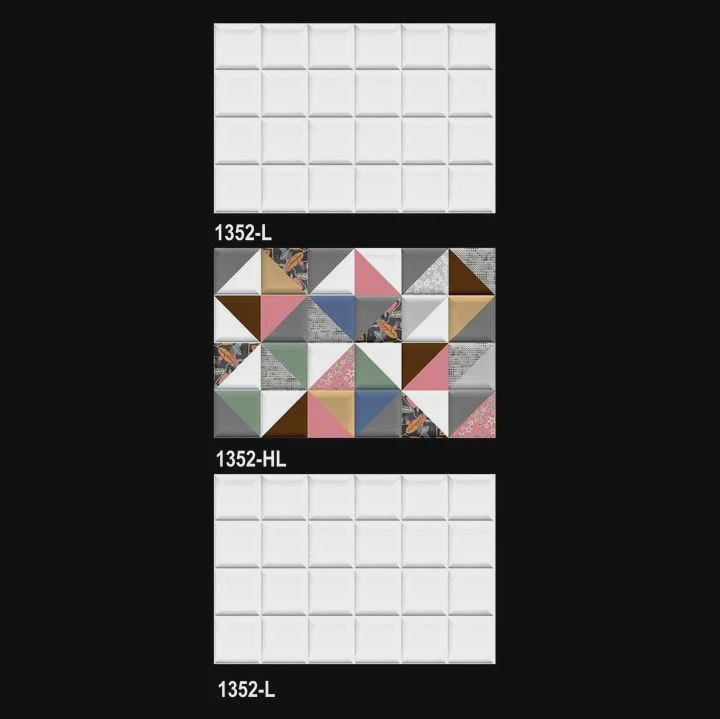
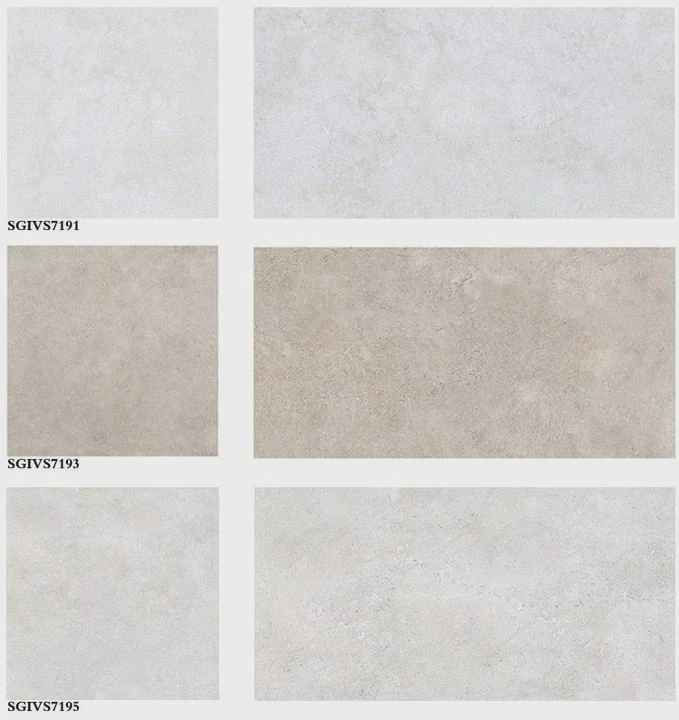
How much does it cost to tile a bathroom?
- Sinotiles
- 2026-08-04

A bathroom renovation can quickly become expensive when tile choices, room size, and installation details are unclear. Many homeowners feel pressure because small mistakes can increase the final bill.
The cost to tile a bathroom usually ranges from a few hundred to several thousand dollars. The final price depends on tile type, bathroom size, preparation work, labor rates, and project complexity.
Planning a bathroom tiling project requires more than choosing a beautiful tile design. I have found that understanding each cost factor helps homeowners make better decisions and avoid unexpected expenses.
What factors affect bathroom tiling costs?
Bathroom tiling costs change because every project has different conditions. A small bathroom with simple ceramic tiles may need a limited budget, while a large bathroom with premium stone tiles can require much more investment.
The main factors include bathroom size, tile selection, surface condition, design complexity, and local installation prices.
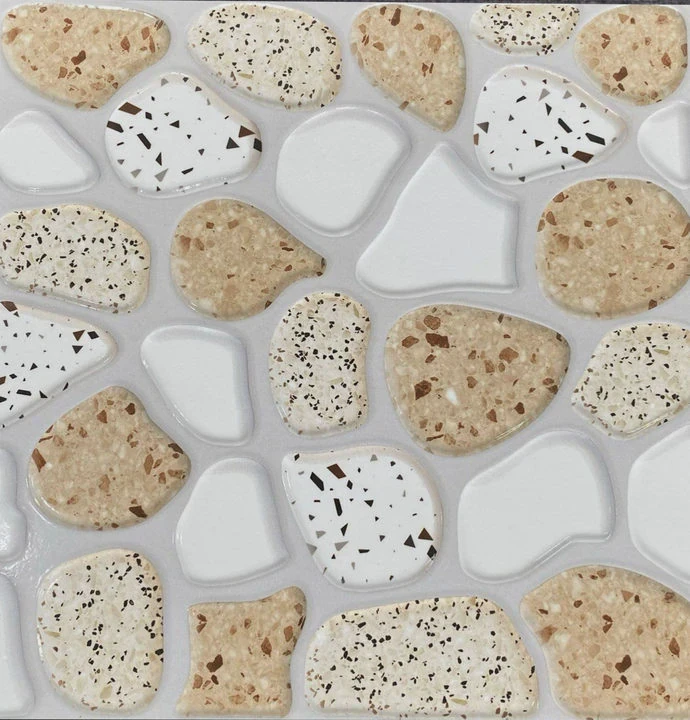
A bathroom tiling budget depends on several important elements. The following table shows common factors that influence the total project price.
| Cost Factor | How It Affects Price |
|---|---|
| Bathroom Size | Larger areas need more tiles and more installation time |
| Tile Type | Premium materials usually increase material costs |
| Surface Preparation | Damaged walls or floors require extra repair work |
| Tile Pattern | Complex designs need more labor and careful installation |
| Location | Labor prices change based on local market conditions |
The bathroom size creates one of the biggest cost differences. A small guest bathroom may only need a limited amount of tile, while a master bathroom with full wall coverage needs much more material and labor. Tile quantity directly affects the total cost because homeowners pay for both the product and the installation work.
The condition of the existing surface also plays an important role. Old bathrooms often have uneven walls, damaged floors, moisture problems, or outdated materials. A professional installer may need to remove old tiles, repair the surface, and add waterproof layers before installing new tiles. These preparation steps increase the budget, but they also protect the bathroom from future problems.
The design choice changes the project scope
Simple layouts usually cost less because installers can work faster. A straight tile pattern with standard sizes needs fewer cuts and less planning. A detailed design with small tiles, mixed materials, borders, or custom patterns requires more time and skill.
The project schedule also affects the final price. A bathroom that needs several preparation steps may take longer to complete. Longer projects often create higher labor expenses because workers spend more hours on the job.
The table below explains how project choices can change the overall cost level.
| Project Choice | Expected Cost Impact |
|---|---|
| Standard ceramic tile | Lower material cost |
| Large format tile | Higher installation difficulty |
| Full wall tiling | More material and labor needed |
| Custom patterns | More cutting and planning time |
| Waterproof upgrades | Higher upfront cost but better protection |
I always recommend creating a detailed plan before buying materials. A clear plan helps reduce waste and prevents expensive changes during installation. Homeowners can control costs better when they understand the connection between design decisions and final expenses.
How does tile material influence total price?
Tile material has a direct effect on bathroom renovation costs because different materials have different prices, durability levels, and installation requirements. The right material choice can balance appearance, performance, and budget.
Ceramic, porcelain, natural stone, and specialty tiles create very different cost levels for bathroom projects.
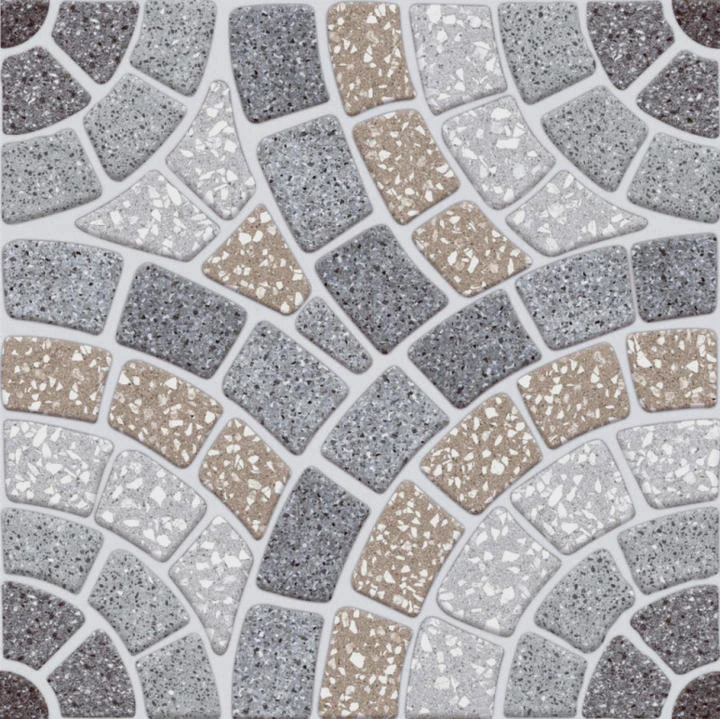
Tile material affects both the purchase price and the installation process. Porcelain and natural stone usually cost more because they offer stronger performance and a premium appearance. Ceramic tiles often provide a more affordable option for homeowners who want a practical bathroom upgrade.
Common bathroom tile materials
| Tile Material | Cost Level | Main Advantage |
|---|---|---|
| Ceramic Tile | Low to Medium | Affordable and easy to maintain |
| Porcelain Tile | Medium | Strong durability and water resistance |
| Natural Stone | High | Unique appearance and luxury feel |
| Glass Tile | Medium to High | Decorative style and visual effect |
Ceramic tile remains popular because it provides a good balance between price and performance. Many homeowners choose ceramic tiles for bathroom walls because they are easy to clean and available in many colors and patterns. Ceramic tiles also work well for projects that need a controlled budget.
Porcelain tile usually costs more because it has higher density and better resistance to moisture. Many bathrooms use porcelain tiles for floors because they can handle heavy use. The stronger structure also means installers may need special tools for cutting, which can increase labor costs.
Natural stone tiles create a high-end appearance, but they require more care. Materials like marble, granite, and limestone can add elegance to a bathroom, but they often need sealing and professional maintenance. The material cost and installation skill requirements make stone tiles a more expensive choice.
Material quality affects long-term value
The cheapest tile option does not always create the lowest total cost. Low-quality materials may need replacement sooner, while durable materials can provide better value over many years.
I often look at tile selection from a long-term view. A bathroom is exposed to water, humidity, and daily use. A tile that performs well in these conditions can reduce repair costs later.
The size and shape of tiles also influence expenses. Large tiles can create a modern appearance and fewer grout lines, but they require accurate installation. Small mosaic tiles can create attractive designs, but they increase labor time because installers need to place many individual pieces.
The final material decision should consider both the current budget and future maintenance needs. A balanced choice helps homeowners achieve a beautiful bathroom without creating unnecessary financial pressure.
Why labor costs vary for bathroom projects?
Labor costs vary because bathroom tiling requires skill, experience, and careful preparation. The installation process includes measuring, cutting, leveling, waterproofing, placing tiles, and finishing grout work.
The complexity of the project often determines how much time installers need to complete the bathroom.
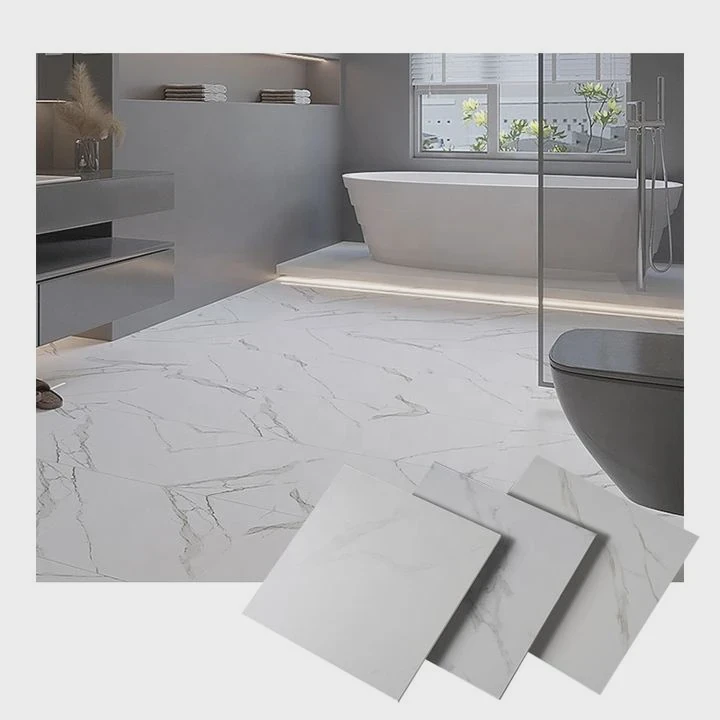
Experienced tile installers usually charge more because they provide better accuracy and reduce the risk of installation problems. Poor installation can create uneven surfaces, cracked tiles, water damage, and expensive repairs.
Main reasons labor prices change
The bathroom layout is one major factor. A simple rectangular room is easier to tile than a bathroom with many corners, shelves, pipes, and unusual shapes. Installers spend more time measuring and cutting when the design becomes complicated.
The preparation process also affects labor costs. Some bathrooms need old tile removal, floor leveling, wall repair, or waterproof membrane installation. These steps require additional work before the new tile can be placed.
Local market conditions create another difference. Labor rates are often higher in cities where professional services have greater demand. The installer’s experience level, project timeline, and reputation also influence the final quote.
Installation quality protects the investment
A bathroom tile project is not only about placing tiles on a surface. A skilled installer understands how to manage moisture, expansion, alignment, and finishing details.
The following points show why professional installation matters:
- Proper surface preparation improves tile stability.
- Correct waterproofing prevents moisture damage.
- Accurate spacing creates a cleaner appearance.
- Quality grout work reduces future maintenance problems.
I believe labor should be viewed as part of the bathroom investment, not only as an expense. A low installation price may look attractive at first, but poor workmanship can create higher costs later.
Homeowners can reduce labor costs by preparing the space before workers arrive. Removing personal items, selecting materials early, and confirming the design before installation can help the project move faster.
Good communication also improves efficiency. When homeowners and installers understand the project goals clearly, the team can avoid delays and unexpected changes.
Which budgeting tips reduce tiling expenses?
Bathroom tiling does not need to become an uncontrolled expense. Smart planning can help homeowners reduce costs while still achieving a strong visual result.
The best savings strategies focus on making better decisions before construction begins.
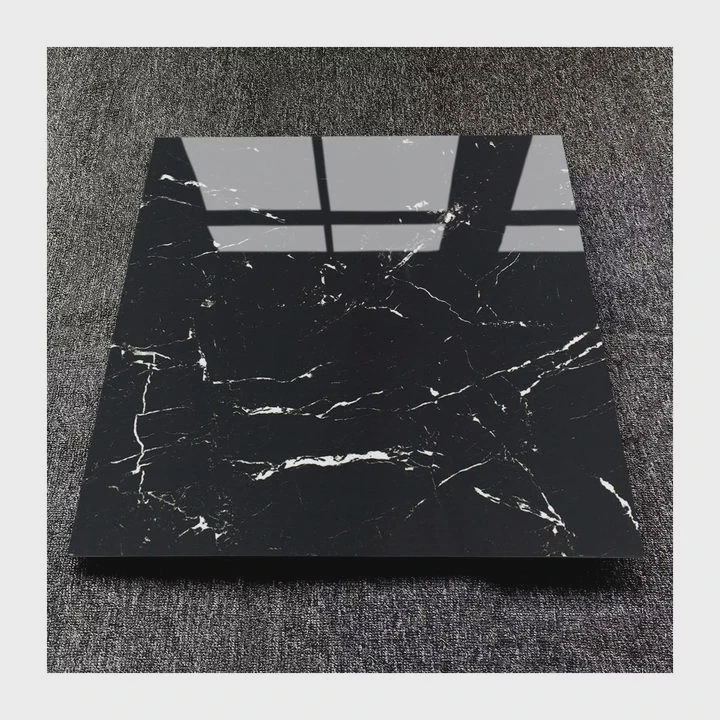
A successful budget starts with understanding priorities. Homeowners should decide which areas need premium materials and which areas can use more affordable options.
Practical ways to control bathroom tile costs
One effective method is mixing different tile materials. Many homeowners use expensive tiles as decorative features and choose affordable tiles for larger areas. For example, a premium accent wall can create a luxury appearance without requiring a full bathroom installation with high-cost materials.
Another useful strategy is choosing standard tile sizes. Special shapes and custom designs often increase cutting time and installation difficulty. Standard options usually provide more affordable installation.
Buying the correct amount of material also matters. Ordering too little can create delays, while ordering too much wastes money. A careful measurement process helps homeowners purchase the right quantity.
The table below shows several cost-saving approaches.
| Budget Tip | Why It Helps |
|---|---|
| Compare multiple quotes | Helps find reasonable labor prices |
| Choose standard tiles | Reduces material and installation costs |
| Keep existing layout | Avoids expensive plumbing changes |
| Plan before buying | Reduces mistakes and wasted materials |
Homeowners can also save money by keeping the current bathroom layout. Moving sinks, toilets, or showers often creates additional plumbing expenses. A simple tile upgrade can deliver a fresh appearance without changing the entire structure.
Balance cost and quality
Saving money does not mean choosing the cheapest option everywhere. A smart budget focuses on value. Some areas deserve more investment because they affect durability and daily use.
For example, waterproofing should not be reduced because it protects the entire bathroom structure. A durable floor tile may also be worth the extra cost because floors receive more wear than walls.
I usually recommend creating three budget levels: basic, balanced, and premium. This method helps homeowners compare choices and understand where their money goes.
A basic budget may focus on affordable materials and simple designs. A balanced budget may combine durable tiles with controlled decoration. A premium budget may include luxury materials and custom installation.
The final goal is not simply spending less. The goal is creating a bathroom that meets personal needs, performs well, and provides lasting value.
Conclusion
Bathroom tiling costs depend on material choices, labor requirements, project size, and planning decisions. Careful preparation helps control expenses while creating a durable and attractive bathroom space.