How to remove tile paint?
- Sinotiles
- 2026-08-04
Paint on tile surfaces can make a beautiful floor or wall look old and uneven. Many people try quick solutions but end up scratching the tile or damaging the original finish.
The best way to remove tile paint is to choose a suitable method based on the paint type, tile material, and surface condition. Gentle scraping, proper cleaners, and careful tools can remove paint while protecting the tile.
When I look at painted tiles, I first consider the original tile surface. The goal is not only to remove the paint. The goal is to keep the tile strong, smooth, and ready for future use.
What methods remove paint from tile surfaces?
Removing paint from tile requires the right method because different paints bond differently with tile surfaces. A method that works for one situation may not work for another.
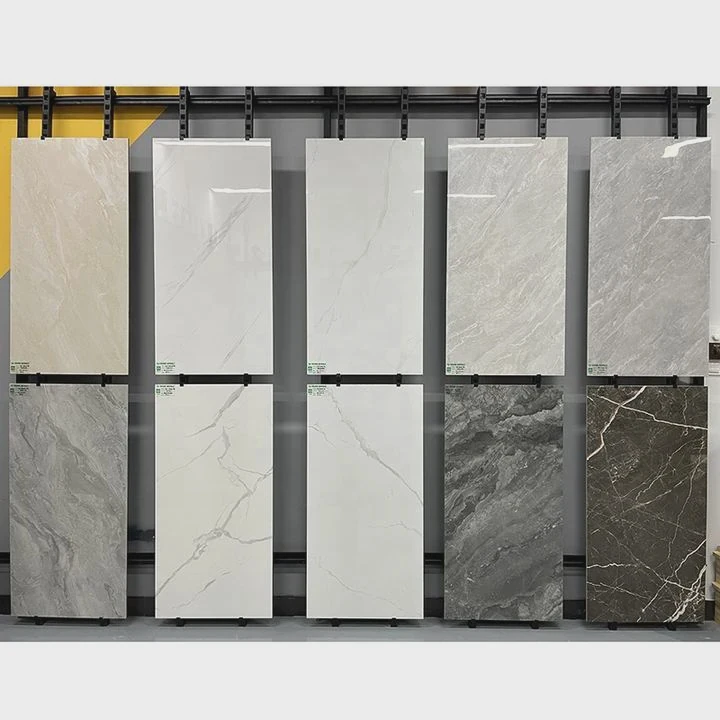
The main methods for removing paint from tile surfaces include scraping, heat treatment, chemical removal, and mechanical cleaning. The best choice depends on the paint thickness, tile type, and level of adhesion.
Before starting, I usually check the tile condition. Glazed ceramic and porcelain tiles have a protective surface that can resist stains, but rough tools or strong chemicals can still damage the finish.
Common paint removal methods
| Method | Main Advantage | Best Use |
|---|---|---|
| Plastic scraper | Safe for tile surfaces | Small paint areas |
| Heat gun | Softens some paint layers | Thick paint buildup |
| Chemical stripper | Breaks down paint bonds | Difficult paint removal |
| Mild cleaning solution | Removes fresh paint | New paint marks |
Fresh paint is usually easier to remove than old paint. Water-based paint may come off with warm water and gentle cleaning, while dried oil-based paint often needs stronger methods.
A plastic scraper is a good starting tool because it reduces the risk of scratching the tile. Metal tools can work faster, but they may leave marks on polished surfaces if used incorrectly.
Factors that affect paint removal
| Factor | Why It Matters |
|---|---|
| Paint type | Different paints need different solutions |
| Tile finish | Some surfaces are more sensitive |
| Paint age | Older paint bonds more strongly |
| Paint thickness | Thick layers need more effort |
Heat treatment can help soften certain paints. However, too much heat may affect some tile materials or nearby surfaces. Controlled use is important.
Chemical removal can be effective for stubborn paint, but product selection matters. Some strong chemicals can affect grout, tile color, or protective coatings.
Mechanical methods such as sanding or grinding may remove paint quickly, but they create a higher risk of surface damage. I usually consider them only when other methods cannot achieve good results.
A careful removal process always starts with the least aggressive option. This approach protects the tile and reduces unnecessary repair work.
How can chemical strippers dissolve tile paint?
Chemical strippers are often used when paint strongly sticks to tile surfaces. They work by changing the structure of the paint and making it easier to remove.
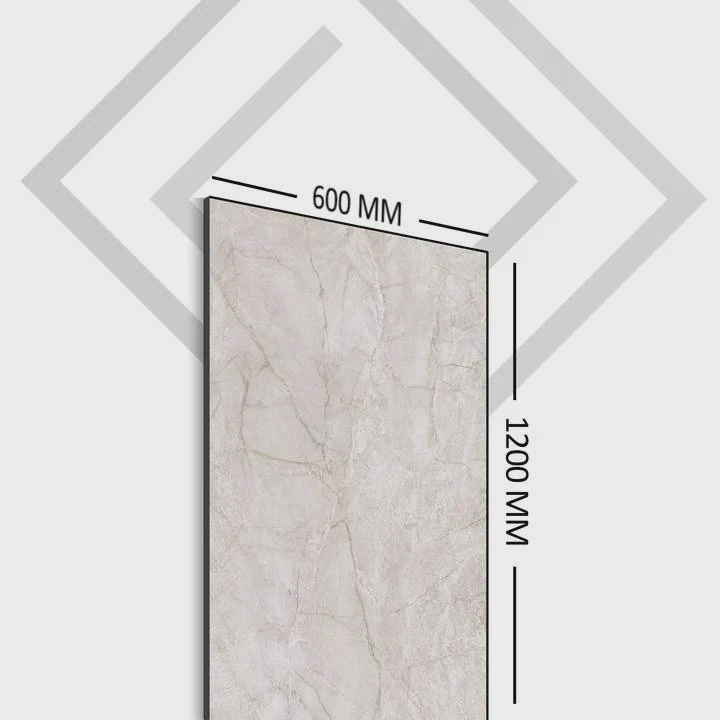
Chemical strippers remove tile paint by softening the paint layer and breaking the bond between the coating and the tile surface. After the paint becomes soft, it can be removed with a scraper or cleaning tool.
When I use or recommend chemical strippers, I always focus on compatibility. Not every paint remover is suitable for every tile type.
How chemical strippers work
- The stripper is applied to the painted surface.
- The chemicals penetrate the paint layer.
- The paint becomes softer or starts to separate.
- The softened paint is scraped away.
- The tile surface is cleaned after removal.
Chemical strippers are useful for old and thick paint because they reduce the physical effort needed during removal. Instead of forcing the paint away, the product helps weaken the connection.
Types of chemical removers
| Type | Common Use | Consideration |
|---|---|---|
| Solvent-based stripper | Strong paint removal | Requires careful handling |
| Water-based stripper | Lower odor option | May work slower |
| Gel stripper | Stays on vertical surfaces | Needs proper cleaning |
The paint type is the first thing to consider. Some strippers work better on oil-based paints, while others are designed for water-based coatings.
The tile surface is also important. Glazed tiles usually have better resistance, but natural stone tiles can react differently. Marble, limestone, and other porous materials need extra care.
I recommend testing a small hidden area before applying a chemical stripper to the entire surface. A small test can show whether the product affects the tile appearance.
After using a chemical stripper, proper cleaning is necessary. Leftover chemicals may affect future coatings, grout, or tile adhesives.
Safety points for chemical removal
- Use proper ventilation.
- Wear protective gloves.
- Follow product instructions.
- Avoid mixing different chemicals.
- Clean the surface completely afterward.
Chemical strippers can save time, but they should not replace careful planning. The best results come from using the right product with controlled application.
Why avoid damaging tile glaze during removal?
Tile glaze is the protective surface layer that gives tiles their color, shine, and resistance. Damaging this layer can permanently change the appearance and performance of the tile.
Avoiding damage to tile glaze is important because scratches or surface wear can reduce stain resistance, change the tile appearance, and make future maintenance more difficult.
When I remove paint from tiles, protecting the glaze is one of the most important steps. A tile may look strong, but the surface finish can be sensitive.
Problems caused by damaged glaze
| Damage Type | Possible Result |
|---|---|
| Scratches | Dull appearance |
| Surface cracks | Water and dirt problems |
| Removed coating | Reduced protection |
| Color change | Uneven appearance |
Glazed tiles are designed with a protective layer. This layer helps prevent moisture absorption and makes cleaning easier.
Using sharp metal tools with too much force can scratch this surface. Once deep scratches appear, they are difficult to repair without replacing the tile.
Ways to protect tile glaze
- Start with gentle removal methods.
- Use plastic tools when possible.
- Avoid aggressive chemicals.
- Test products before full use.
- Clean slowly and carefully.
I also consider the tile finish before choosing a removal method. Glossy tiles often show scratches more easily than matte surfaces. Decorative tiles may need even more careful treatment.
The condition of the tile before paint removal also matters. Older tiles may already have small weaknesses. Strong removal methods can make existing problems worse.
Protecting the glaze helps maintain the original value of the tile. This is especially important for high-quality ceramic tiles, porcelain tiles, and decorative wall tiles.
The best paint removal process is not the fastest one. It is the process that removes unwanted paint while keeping the original tile surface in good condition.
Which tools help remove paint effectively?
The right tools make paint removal easier and safer. Using suitable equipment reduces effort and helps prevent unnecessary tile damage.
The most useful tools for removing tile paint include plastic scrapers, soft brushes, cleaning pads, heat tools, and controlled power tools. Each tool has a different purpose during the removal process.
When I prepare for a paint removal project, I choose tools based on the paint condition. A small paint spot needs different equipment from a full painted tile wall.
Useful paint removal tools
| Tool | Purpose |
|---|---|
| Plastic scraper | Removes softened paint safely |
| Soft brush | Cleans loose paint particles |
| Cleaning pad | Removes remaining residue |
| Heat gun | Softens some paint types |
| Vacuum cleaner | Controls dust and debris |
Plastic scrapers are often the safest first choice. They can remove softened paint without creating deep scratches.
Soft brushes help clean small areas and remove leftover particles. They are useful after chemical treatment because they can reach small surface areas.
Heat guns can help with certain paint types by making the coating softer. However, temperature control is important. Too much heat can create other problems.
Power tools can be effective for large projects, but they require experience. Aggressive mechanical tools may remove part of the tile surface along with the paint.
Tool selection guide
| Project Size | Recommended Tools |
|---|---|
| Small paint spots | Plastic scraper and cleaner |
| Bathroom wall area | Scraper and chemical remover |
| Large painted floor | Professional equipment |
| Delicate tile surface | Gentle hand tools |
I always recommend starting with simple tools before moving to stronger options. This reduces the chance of damaging valuable tile surfaces.
Good tools do not only improve speed. They improve control. A controlled process creates cleaner results and protects the original tile quality.
Conclusion
Removing tile paint requires the right method, tools, and careful handling. Protecting the tile glaze is essential because a clean surface is valuable only when the original tile quality remains.