How Much Does It Cost to Tile a Floor?
- Sinotiles
- 2026-04-14
Many buyers start a tiling project without knowing the real cost. Budget overruns happen fast. Small details like labor or tile type can double the price unexpectedly.
Floor tiling costs typically range from \(5 to \)20 per square foot, depending on materials, labor, and project complexity. Premium tiles, complex layouts, and professional installation can significantly increase the total cost.
Understanding where the money goes helps avoid surprises. Once each cost factor is clear, it becomes easier to control budget and make smarter decisions.
What factors affect floor tiling cost?
Many people assume tile size or design is the main cost driver. In reality, several hidden factors shape the final price.
Floor tiling cost depends on tile size, surface condition, layout complexity, location, and preparation work. Each factor can increase both material waste and labor time.
The total cost is never just about the tile itself. It is a combination of many small elements.
Key cost factors explained
1. Floor condition
A smooth surface saves money. A damaged floor increases cost.
- Uneven surfaces need leveling
- Old flooring removal adds labor
- Moisture issues require treatment
Preparation can account for a large part of the budget.
2. Tile size and format
Large tiles look modern, but they are harder to install.
- Require skilled labor
- Need precise alignment
- Increase installation time
Small tiles may cost less per piece but take longer to install.
3. Layout complexity
Simple layouts are cheaper. Complex designs cost more.
- Straight lay: lowest cost
- Diagonal layout: more cutting
- Herringbone or patterns: highest cost
More cuts mean more waste and time.
4. Project location
Different areas have different needs.
- Bathrooms need waterproofing
- Kitchens require stain resistance
- Outdoor areas need anti-slip tiles
Each condition adds materials and labor steps.
Cost factor comparison
| Factor | Low Cost Impact | High Cost Impact |
|---|---|---|
| Floor condition | Smooth surface | Repairs needed |
| Tile size | Standard size | Large format |
| Layout | Straight | Patterned |
| Location | Dry area | Wet area |
Each factor adds layers to the total price. Ignoring them often leads to budget mistakes.
How does labor impact total installation price?
Many buyers focus only on tile prices. But labor often makes up 40% to 60% of the total cost.
Labor significantly impacts tiling cost because it includes surface preparation, tile cutting, installation, grouting, and finishing. Skilled labor increases cost but ensures durability and quality.
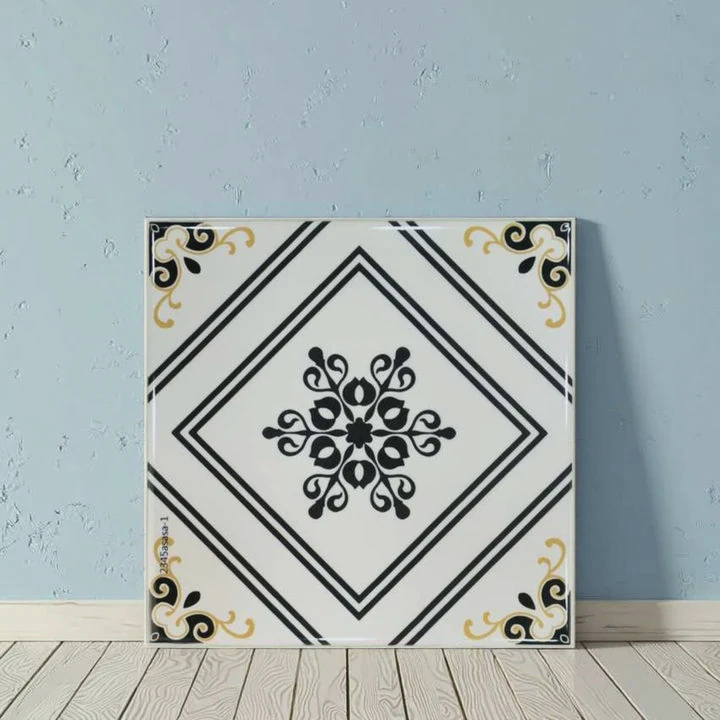
Labor cost varies based on skill level and project complexity.
What labor includes
1. Surface preparation
This is the first step.
- Cleaning
- Leveling
- Waterproofing
Without proper prep, tiles fail later.
2. Tile installation
This is the core process.
- Measuring and marking
- Adhesive application
- Tile placement
Precision matters here.
3. Cutting and fitting
Not all tiles fit perfectly.
- Edge cutting
- Corner adjustments
- Pattern alignment
Complex designs require more cuts.
4. Grouting and finishing
Final steps define the look.
- Filling joints
- Cleaning surface
- Sealing if needed
Labor cost breakdown
| Labor Task | Cost Impact | Notes |
|---|---|---|
| Preparation | Medium | Depends on floor condition |
| Installation | High | Main cost driver |
| Cutting | Medium to High | Depends on layout |
| Finishing | Medium | Affects final quality |
Why skilled labor costs more
Precision reduces waste
Experienced workers cut fewer tiles incorrectly.
Faster completion
Skilled teams work efficiently.
Better durability
Proper installation prevents future repairs.
Choosing cheap labor often leads to higher long-term costs. Repairs and replacements cost more than doing it right once.
Which materials increase overall tiling expenses?
Not all tiles are priced the same. Some materials can double or even triple the project cost.
High-end materials like porcelain slabs, natural stone, and designer tiles increase tiling costs due to higher material prices, specialized installation, and additional handling requirements.
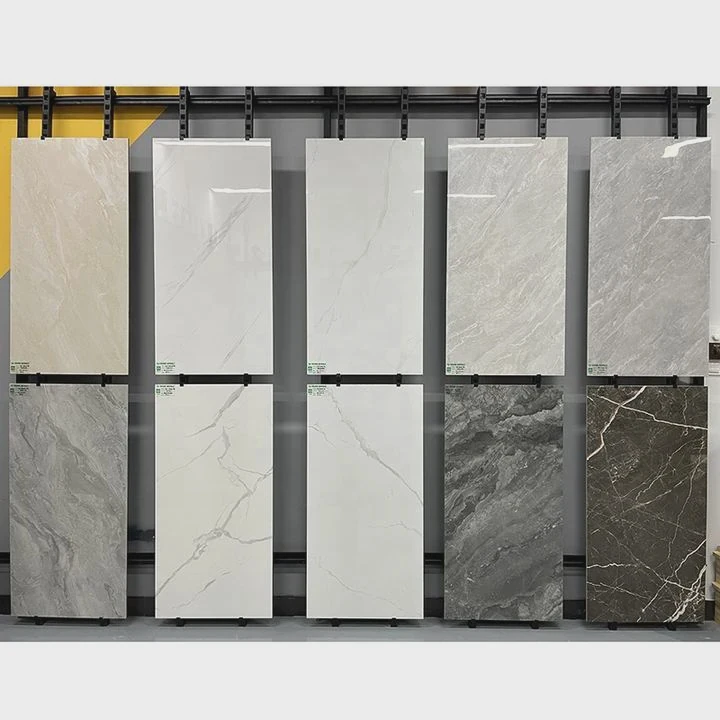
Material choice is one of the biggest cost drivers.
Common tile material types
1. Ceramic tiles
- Affordable
- Easy to install
- Suitable for walls and light floors
This is the most budget-friendly option.
2. Porcelain tiles
- Denser and stronger
- Water-resistant
- Suitable for heavy use
They cost more but last longer.
3. Large slab tiles
- Modern appearance
- Fewer grout lines
- Difficult to transport and install
Installation cost is much higher.
4. Natural stone
- Premium look
- Unique patterns
- Requires sealing and maintenance
This is one of the most expensive options.
Material cost comparison
| Material | Price Level | Installation Difficulty | Best Use |
|---|---|---|---|
| Ceramic | Low | Easy | Walls, light use |
| Porcelain | Medium | Medium | Floors, wet areas |
| Slab Tiles | High | Hard | Luxury spaces |
| Natural Stone | Very High | Hard | Premium projects |
Hidden material costs
Adhesives and grout
High-quality tiles require better adhesives.
Transport and packaging
Large tiles need special handling.
Waste factor
Complex designs increase material waste.
How to balance cost and value
- Use premium tiles in visible areas
- Use standard tiles in hidden spaces
- Mix sizes and finishes wisely
This approach controls cost without sacrificing design.
Can DIY reduce floor tiling costs significantly?
Many people consider DIY to save money. It seems simple, but mistakes can be expensive.
DIY tiling can reduce labor costs by 30% to 50%, but it may increase risk of errors, material waste, and long-term repair costs if not done correctly.
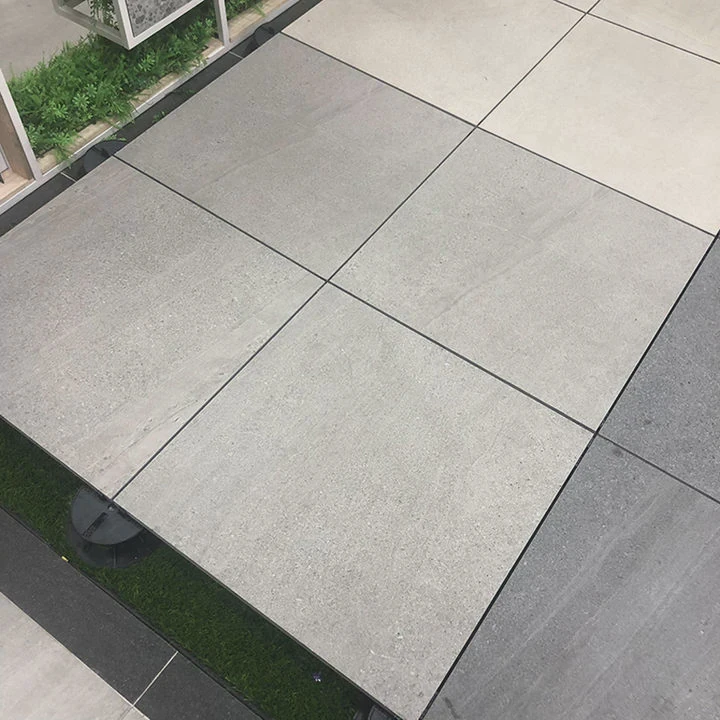
DIY works best for small and simple projects.
Benefits of DIY
1. Labor savings
This is the biggest advantage.
- No contractor fees
- Flexible schedule
2. Learning experience
Hands-on work builds skills.
3. Full control
You decide pace and quality.
Risks of DIY
1. Installation errors
- Uneven tiles
- Poor alignment
- Weak adhesion
These issues affect durability.
2. Material waste
Beginners often cut tiles incorrectly.
3. Time consumption
DIY takes much longer than professional work.
DIY vs professional comparison
| Aspect | DIY | Professional |
|---|---|---|
| Cost | Lower upfront | Higher upfront |
| Quality | Variable | Consistent |
| Time | Longer | Faster |
| Risk | High | Low |
When DIY makes sense
- Small rooms
- Simple layouts
- Low-cost materials
When to avoid DIY
- Large areas
- Complex patterns
- Expensive tiles
In many cases, a hybrid approach works well. Simple areas can be DIY, while complex sections are handled by professionals.
Conclusion
Floor tiling costs depend on many factors, not just tile price. Material choice, labor, preparation, and design all play a role. Understanding these elements helps control budget and achieve better results.