How to Tile a Cement Floor?
- Sinotiles
- 2026-04-17
Tiling a cement floor seems simple at first. Many people assume tiles will stick easily. But poor preparation and wrong materials often lead to cracks, loose tiles, and costly repairs.
To tile a cement floor successfully, you need proper surface preparation, correct adhesive selection, suitable mortar, and timely sealing. Each step ensures strong bonding and long-lasting performance.
A solid cement base is an advantage. But it still needs the right process. When each step is done correctly, the result becomes durable, clean, and professional.
What preparation is needed for cement surfaces?
Many failures begin with poor preparation. Even strong concrete cannot guarantee success if the surface is not treated correctly.
Preparation for cement surfaces includes cleaning, repairing cracks, leveling, and moisture testing to create a stable and even base for tile installation.
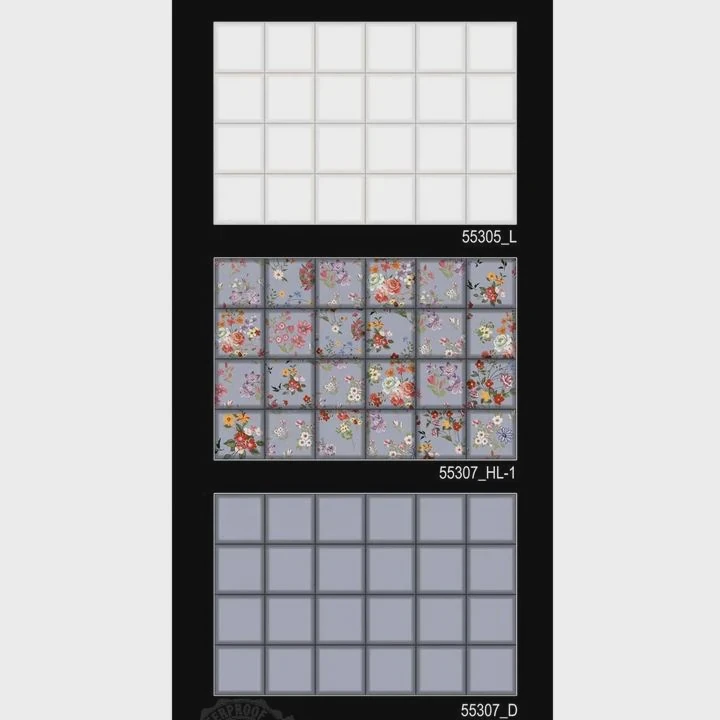
Preparation determines how well tiles will perform over time.
Key preparation steps
1. Clean the surface thoroughly
Concrete often holds dust and debris.
- Sweep and vacuum the area
- Remove grease or oil stains
- Wash if necessary and allow drying
Dust prevents proper bonding.
2. Repair cracks and damage
Cracks can spread and damage tiles.
- Fill cracks with concrete filler
- Smooth the surface
- Ensure no loose areas remain
This step protects long-term stability.
3. Level the floor
An uneven floor causes uneven tiles.
- Use self-leveling compound
- Fill low spots
- Grind down high areas
Flatness ensures proper tile alignment.
4. Check moisture levels
Moisture is a hidden issue in concrete.
- Use a moisture test kit
- Ensure the floor is dry
- Address any damp areas
High moisture weakens adhesive.
5. Apply primer if needed
Some surfaces require priming.
- Improves adhesion
- Reduces absorption
- Creates consistent bonding surface
Preparation checklist
| Step | Purpose | Result |
|---|---|---|
| Cleaning | Remove contaminants | Better adhesion |
| Repairing | Fix structural issues | Prevent cracks |
| Leveling | Smooth surface | Even tiles |
| Moisture test | Avoid failure | Strong bonding |
Skipping preparation leads to costly repairs later.
How do you ensure proper tile adhesion on concrete?
Tiles falling off or sounding hollow is a common problem. This usually happens due to poor adhesion.
Proper tile adhesion on concrete requires using the right adhesive, applying it evenly, ensuring full coverage, and allowing proper curing time.
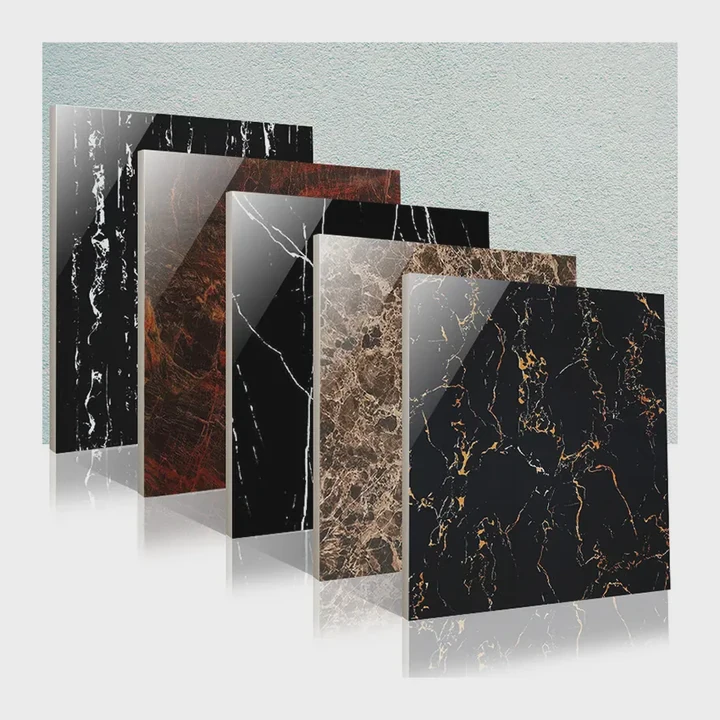
Adhesion is the core of tile installation.
Key adhesion techniques
1. Choose the right adhesive
Not all adhesives are suitable for concrete.
- Use thin-set mortar or tile adhesive
- Match adhesive to tile type
- Consider indoor or outdoor use
2. Use the correct trowel
Trowel size affects bonding.
- Notched trowel ensures even spread
- Choose size based on tile size
- Maintain consistent angle
3. Apply adhesive evenly
Uneven adhesive causes weak spots.
- Spread in small sections
- Avoid air pockets
- Ensure full coverage
4. Back butter large tiles
For larger tiles, extra support is needed.
- Apply adhesive to tile back
- Improves contact area
- Reduces hollow spots
5. Press tiles firmly
Proper pressure ensures bonding.
- Press and slightly twist tile
- Use spacers for alignment
- Tap gently if needed
Adhesion mistakes to avoid
| Mistake | Result | Solution |
|---|---|---|
| Uneven adhesive | Hollow tiles | Spread evenly |
| Wrong adhesive | Weak bonding | Use proper type |
| No back buttering | Poor contact | Apply on large tiles |
| Rushing process | Weak bond | Allow curing |
Strong adhesion ensures durability and prevents tile failure.
Which mortars work best for cement floors?
Choosing the wrong mortar can lead to cracking or detachment. Many people do not understand the differences between mortar types.
The best mortars for cement floors include thin-set mortar, modified mortar, and medium-bed mortar, each chosen based on tile size and application conditions.
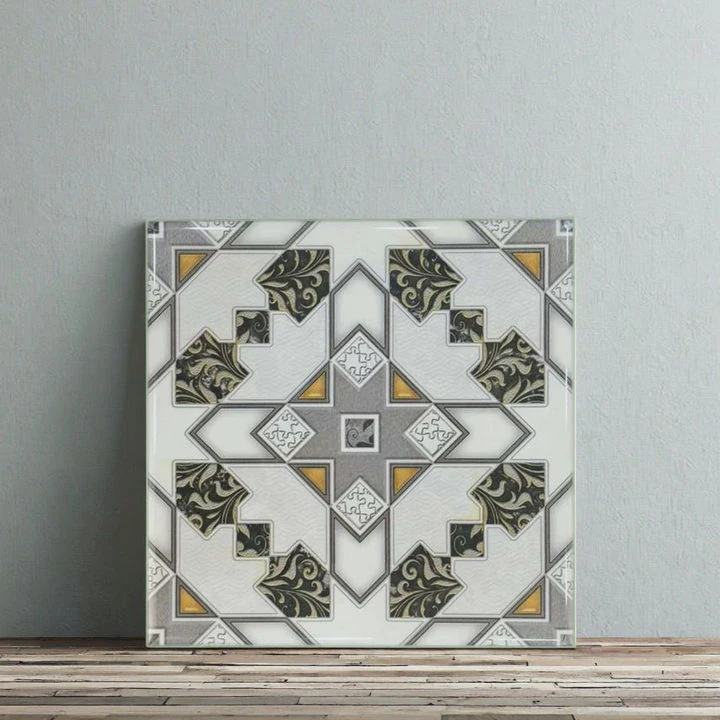
Mortar selection directly affects performance.
Common mortar types
1. Thin-set mortar
- Most commonly used
- Suitable for standard tiles
- Provides strong bonding
This is the standard choice for most projects.
2. Modified mortar
- Contains polymers
- Better flexibility and adhesion
- Ideal for challenging conditions
Useful for areas with temperature changes.
3. Medium-bed mortar
- Designed for large tiles
- Prevents sinking
- Supports heavy materials
Best for large format tiles.
Mortar comparison table
| Mortar Type | Strength | Best Use |
|---|---|---|
| Thin-set | High | Standard tiles |
| Modified | Very high | Moist or flexible areas |
| Medium-bed | High | Large tiles |
How to choose the right mortar
Tile size
Large tiles need stronger support.
Environment
Outdoor or wet areas require modified mortar.
Subfloor condition
Uneven floors may need thicker mortar.
Additional tips
Mix correctly
Follow manufacturer ratios.
Use within working time
Mortar hardens quickly.
Avoid overwatering
Too much water weakens strength.
Choosing the right mortar ensures a stable and long-lasting installation.
When should sealing be applied after tiling?
Sealing is often misunderstood. Some people skip it, while others apply it too early and damage the installation.
Sealing should be applied after grout has cured, typically 48-72 hours after installation, to protect tiles and grout from moisture, stains, and wear.

Sealing protects the entire tiled surface.
Why sealing is important
Tiles and grout are exposed to daily wear.
- Prevents moisture penetration
- Reduces stains
- Extends lifespan
Grout is especially vulnerable.
When to apply sealer
Timing is critical.
- Wait for grout to cure
- Usually 48-72 hours
- Follow product instructions
Applying too early traps moisture.
Sealing process
1. Clean the surface
Remove dust and residue.
2. Apply sealer evenly
- Use brush or applicator
- Focus on grout lines
- Avoid excess buildup
3. Allow drying
- Follow drying time
- Apply second coat if needed
Sealing mistakes
| Mistake | Result | Fix |
|---|---|---|
| Sealing too early | Trapped moisture | Wait full cure |
| Uneven application | Patchy finish | Apply evenly |
| Skipping sealing | Stains and damage | Always seal |
Maintenance after sealing
Regular cleaning
Use mild cleaners.
Reapply sealer
Every 1-2 years depending on use.
Avoid harsh chemicals
Protect the sealed surface.
Sealing is the final protection layer that keeps tiles looking new and performing well.
Conclusion
Tiling a cement floor requires proper preparation, strong adhesion, correct mortar, and timely sealing. Each step builds a durable and professional result that can last for many years with minimal maintenance.