How To Do Mosaic Tile: What Steps Ensure A Clean And Lasting Result?
- Sinotiles
- 2026-04-17
Many people love mosaic tiles for their detail and beauty, but installation often feels difficult. Small tiles can shift easily and mistakes quickly ruin the pattern.
To install mosaic tile properly, you need careful surface preparation, precise alignment, suitable adhesive, and correct grouting timing to achieve a durable and clean finish.
Mosaic tiles are different from large tiles. They come in sheets or small pieces. This means every step must be controlled more carefully. Small errors can affect the whole surface.
What preparation is needed for mosaic tile installation?
Many installation problems start before the first tile is placed. Poor preparation leads to weak bonding and uneven surfaces.
Proper preparation for mosaic tile includes cleaning and leveling the surface, planning layout, checking moisture conditions, and organizing tools and materials before installation begins.
Preparation is the foundation of a successful mosaic project. Skipping this stage often leads to failure later.
Surface Condition Requirements
The surface must meet three key conditions:
- Clean
- Dry
- Flat
Any dust, oil, or debris will reduce adhesive strength. Even small bumps can affect mosaic sheets.
Surface Preparation Steps
1. Cleaning the Surface
Remove all dirt and grease.
- Use a damp cloth or mild cleaner
- Let the surface dry completely
2. Leveling the Surface
Check for uneven areas.
- Use a straight edge or level
- Apply leveling compound if needed
Even small dips can cause mosaic sheets to sit unevenly.
3. Moisture Control
Some areas like bathrooms require waterproofing.
- Apply waterproof membrane if needed
- Allow proper drying time
Layout Planning
Before installation:
- Dry-fit mosaic sheets
- Check alignment and pattern flow
- Adjust starting point
Preparation Checklist Table
| Task | Purpose | Risk if Ignored |
|---|---|---|
| Surface Cleaning | Improve adhesion | Tiles may loosen |
| Surface Leveling | Ensure flat installation | Uneven appearance |
| Moisture Protection | Prevent water damage | Mold or tile failure |
| Layout Planning | Visual balance | Misaligned design |
Practical Insight
In one small bathroom project, skipping leveling caused visible waves across mosaic sheets. Fixing it required removing and reinstalling tiles.
Key Takeaway
Preparation controls everything that follows. A well-prepared surface makes installation much easier.
How do you align small tiles evenly on surfaces?
Mosaic tiles are small and often mounted on mesh sheets. This makes alignment tricky, especially at sheet edges.
To align mosaic tiles evenly, use sheet guides, adjust spacing manually, press tiles uniformly, and check alignment frequently during installation.
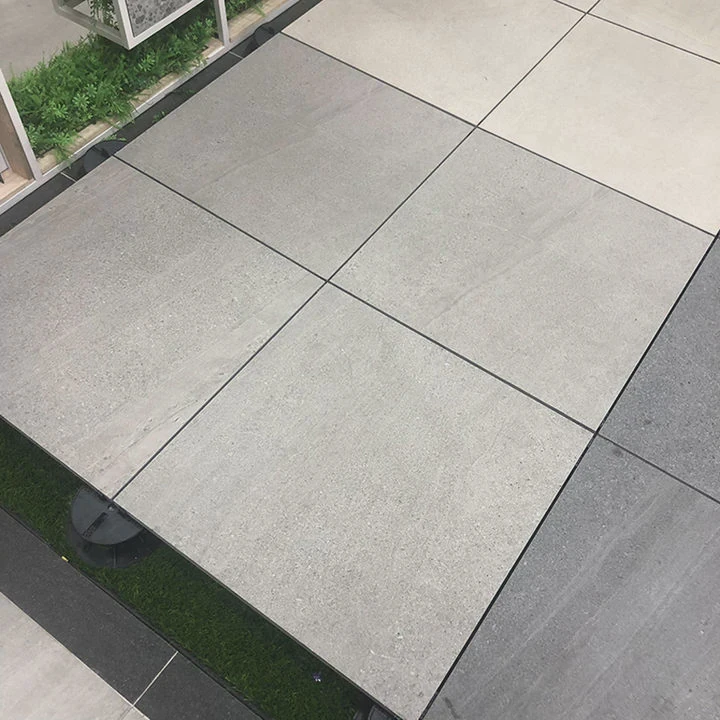
Alignment is one of the most challenging parts of mosaic installation. Small errors are very noticeable.
Understanding Mosaic Sheets
Most mosaics come in sheets.
- Tiles are attached to mesh backing
- Sheets must align seamlessly
- Edges can create visible lines if not adjusted
Alignment Techniques
1. Use Reference Lines
Draw straight lines on the surface.
- Helps guide sheet placement
- Keeps pattern straight
2. Adjust Sheet Edges
Do not rely only on factory spacing.
- Move individual tiles if needed
- Close or widen gaps slightly
3. Press Evenly
Apply equal pressure across the sheet.
- Use a grout float or flat tool
- Avoid pushing too hard in one area
Alignment Control Table
| Method | Benefit | Limitation |
|---|---|---|
| Reference Lines | Straight layout | Requires marking |
| Manual Adjustment | Perfect spacing | Time-consuming |
| Even Pressure | Flat surface | Needs careful handling |
Common Alignment Problems
- Visible grid lines between sheets
- Uneven spacing at edges
- Tiles shifting during installation
Practical Insight
In one kitchen backsplash project, sheet edges were not adjusted. After grouting, grid lines became obvious. Fixing it required partial reinstallation.
Key Takeaway
Alignment requires constant checking and small adjustments. Precision is more important than speed.
Which adhesives are best for mosaic tiles?
Adhesive choice is critical for mosaic tiles because of their size and backing material. Using the wrong adhesive can cause tiles to slip or fail.
The best adhesives for mosaic tiles are white polymer-modified thin-set mortar or specialized mosaic adhesives, as they provide strong bonding and prevent discoloration.
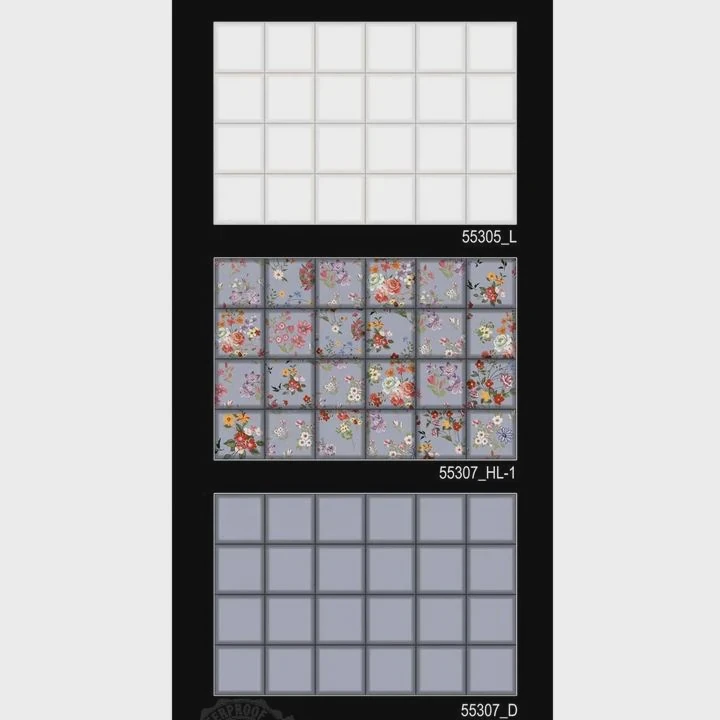
Different mosaics require different adhesives depending on material and location.
Why White Adhesive Matters
Many mosaics are translucent.
- Dark adhesive can show through
- White adhesive keeps colors accurate
This is especially important for glass mosaics.
Recommended Adhesive Types
1. White Polymer-Modified Thin-Set
- Strong bonding
- Flexible
- Suitable for most mosaic types
2. Pre-Mixed Adhesive
- Easy to use
- Good for small wall areas
- Not ideal for wet or heavy-duty areas
3. Epoxy Adhesive
- Very strong
- Water-resistant
- More expensive and harder to apply
Adhesive Comparison Table
| Adhesive Type | Best Use Case | Key Advantage |
|---|---|---|
| White Thin-Set | Most mosaic projects | Strong and clean finish |
| Pre-Mixed Adhesive | Small indoor walls | Easy application |
| Epoxy Adhesive | Wet or high-stress areas | Maximum durability |
Application Tips
- Use a small notched trowel
- Spread thin and even layers
- Avoid excess adhesive
Too much adhesive can push into grout lines.
Practical Insight
In one project, gray adhesive was used under glass mosaic. The final color looked dull and uneven. Replacing it required full removal.
Key Takeaway
Choosing the right adhesive protects both appearance and durability.
When should grout be applied to mosaics?
Grouting too early or too late can affect the final result. Timing must be correct to protect tile alignment and ensure durability.
Grout should be applied after adhesive has fully cured, usually 24 hours, ensuring tiles are stable and ready for finishing.
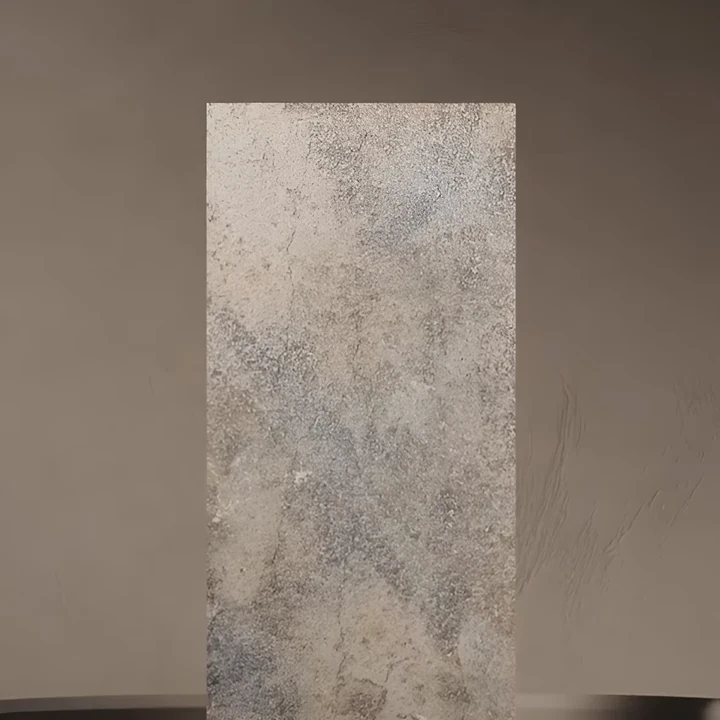
Grouting completes the installation. It fills gaps and locks tiles in place.
Why Timing Is Important
If grout is applied too early:
- Tiles may shift
- Adhesive may weaken
If applied too late:
- Dust may enter joints
- Cleaning becomes harder
Standard Waiting Time
| Adhesive Type | Waiting Time Before Grout |
|---|---|
| Thin-Set Mortar | 24 hours |
| Rapid-Set Adhesive | 4-6 hours |
| Epoxy Adhesive | Follow manufacturer guide |
Grouting Steps
1. Remove Spacers
Ensure all joints are open.
2. Apply Grout
- Use a rubber float
- Work diagonally across joints
3. Clean Surface
- Use a damp sponge
- Avoid too much water
Common Grouting Mistakes
- Using too much water
- Not cleaning haze quickly
- Uneven grout filling
Practical Insight
In one installation, early grouting caused slight movement in mosaic sheets. The joints became uneven and required correction.
Key Takeaway
Proper timing ensures a clean and strong finish.
Conclusion
Mosaic tile installation requires careful preparation, precise alignment, correct adhesive choice, and proper grouting timing. With patience and attention to detail, you can achieve a professional and long-lasting result.