How to Install 12x24 Floor Tile?
- Sinotiles
- 2026-04-17

Large-format tiles look clean and modern. But many installations fail due to poor planning, uneven surfaces, or weak bonding.
To install 12x24 floor tile, you must plan the layout carefully, ensure full mortar coverage, use the correct trowel size, and apply grout after proper curing.
This type of tile requires more precision than smaller tiles. Each step affects the final result.
What layout planning is needed for large tiles?
Many installers underestimate layout planning. With large tiles, even small mistakes become very visible.
Layout planning for 12x24 tiles requires centerline marking, offset planning, dry layout testing, and minimizing narrow edge cuts.
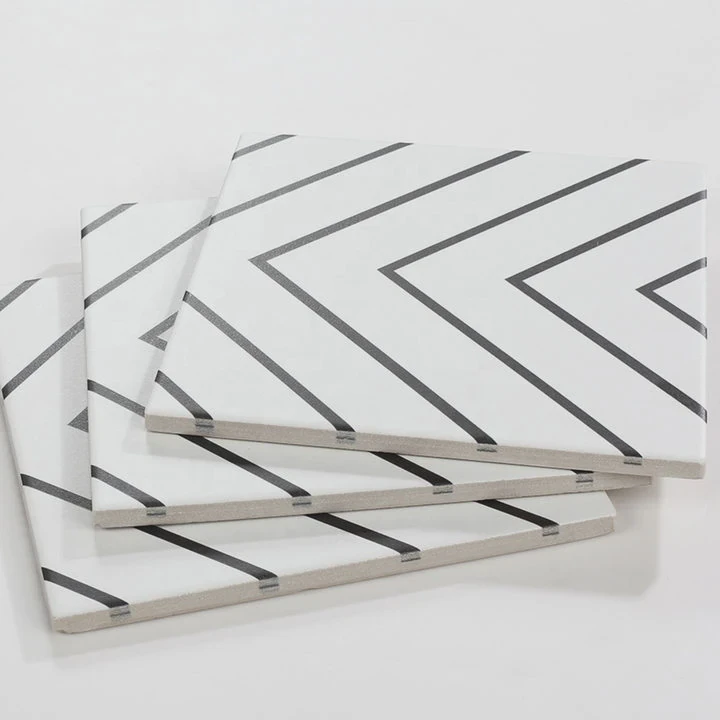
Good planning helps avoid uneven patterns and wasted materials.
Start with a Centerline
The centerline controls the entire layout.
- Mark the center of the room
- Use chalk lines for guidance
- Align tiles symmetrically
Starting from one wall often creates uneven edges on the opposite side.
Choose the Right Offset Pattern
Large tiles are usually installed with an offset pattern.
Common options include:
| Pattern | Description |
|---|---|
| 50% offset | Brick pattern, but may cause lippage |
| 33% offset | Reduces lippage risk |
| Straight lay | Clean and modern look |
A 33% offset is often recommended for 12x24 tiles.
Dry Layout Before Installation
Dry layout helps to:
- Check tile positioning
- Adjust spacing
- Plan cuts
Skipping this step often leads to poor alignment.
Plan Tile Cuts Carefully
Large tiles require cutting at edges.
- Avoid very small cuts
- Keep cuts balanced on both sides
- Maintain visual symmetry
Subfloor Flatness Matters
Large tiles require a very flat surface.
- Uneven floors cause lippage
- Self-leveling compounds may be needed
Why Planning Is Critical
Poor planning leads to:
- Uneven joints
- Visual imbalance
- Increased material waste
From experience, proper planning saves both time and cost later.
How do you ensure proper mortar coverage?
Insufficient mortar coverage is one of the main causes of tile failure. Large tiles need full support underneath.
Proper mortar coverage is achieved by using the correct trowel technique, back buttering tiles, and ensuring at least 90% coverage for floor installations.

Coverage directly affects durability and strength.
Use Directional Troweling
Mortar should be applied in straight lines.
- Use consistent trowel direction
- Avoid swirling patterns
- Allow air to escape when pressing tiles
This improves adhesion and reduces voids.
Back Butter the Tiles
Back buttering means applying mortar to the back of each tile.
- Fills gaps
- Improves bonding
- Essential for large tiles
This step is often skipped, but it is critical.
Check Coverage Regularly
Lift a tile occasionally to inspect.
- Ensure full contact
- Look for voids or gaps
- Adjust technique if needed
Coverage Standards
| Area | Required Coverage |
|---|---|
| Interior floors | ≥ 90% |
| Wet areas | ≥ 95% |
Large tiles must meet higher standards due to their size.
Common Mistakes
- Applying too little mortar
- Not pressing tiles firmly
- Skipping back buttering
Practical Insight
Many failures occur months later due to hollow spots. These are usually caused by poor mortar coverage.
Which trowel size suits 12x24 tiles?
Using the wrong trowel size can lead to poor bonding or excessive mortar.
A 1⁄2 inch (12 mm) square-notch trowel is typically recommended for 12x24 tiles to ensure proper mortar coverage and support.
The correct trowel size ensures consistent mortar thickness.
Recommended Trowel Sizes
| Tile Size | Trowel Size |
|---|---|
| Small tiles | 1⁄4 inch |
| Medium tiles | 3⁄8 inch |
| 12x24 tiles | 1⁄2 inch square-notch |
This size provides enough mortar for full coverage.
Why Size Matters
Trowel size affects:
- Adhesive thickness
- Tile support
- Air gap reduction
A small trowel may leave gaps. A large trowel may create uneven surfaces.
Adjust Based on Conditions
Sometimes adjustments are needed:
- Uneven subfloor → larger trowel
- Flat surface → standard size works
- Heavy tiles → more mortar required
Combine with Proper Technique
Trowel size alone is not enough.
- Maintain consistent angle (around 45°)
- Apply even pressure
- Use straight lines
Common Errors
| Mistake | Result |
|---|---|
| Small trowel | Poor coverage |
| Excess mortar | Messy installation |
| Uneven angle | Inconsistent bonding |
Real-World Observation
Many installers improve results by combining a 1⁄2 inch trowel with back buttering. This ensures strong adhesion.
When should grout be applied after installation?
Grouting too early can damage the installation. Timing is essential for long-term performance.
Grout should be applied after the mortar has fully cured, usually 24-48 hours after tile installation, depending on conditions.
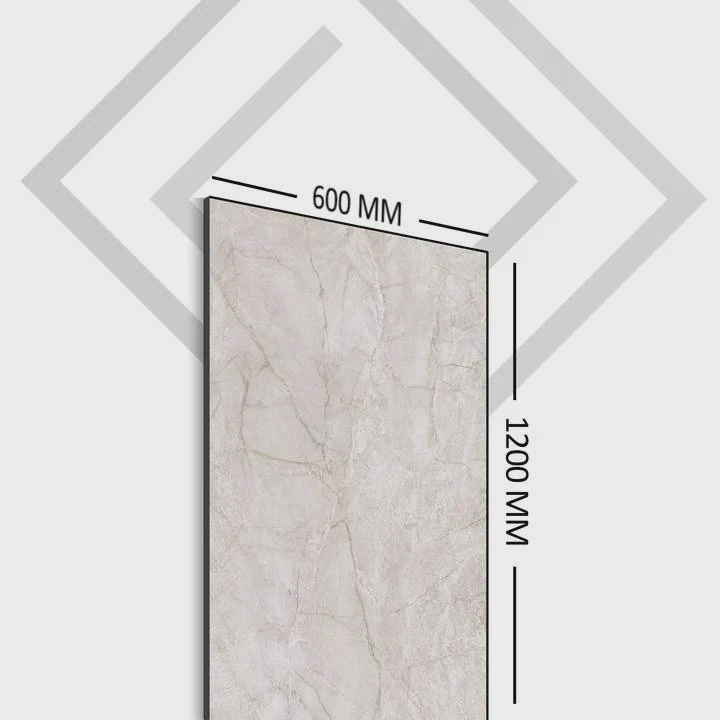
Waiting ensures stability and proper bonding.
Why Curing Time Matters
Mortar needs time to harden.
If grouted too early:
- Tiles may shift
- Bond strength may weaken
- Cracks may form
Typical Waiting Time
| Condition | Time |
|---|---|
| Normal environment | 24 hours |
| Humid or cold | 48 hours |
| Large-format tiles | Up to 72 hours |
Always follow product guidelines.
Proper Grouting Process
Steps include:
- Clean tile surface
- Mix grout correctly
- Apply with rubber float
- Remove excess grout
- Clean with sponge
Each step affects the final finish.
Common Grouting Mistakes
- Adding too much water
- Poor cleaning technique
- Rushing the process
Final Curing
After grouting:
- Allow grout to cure fully
- Avoid heavy traffic
- Seal grout if required
Long-Term Performance
Proper timing ensures:
- Strong joints
- Water resistance
- Better durability
Practical Insight
Many issues like cracked grout or loose tiles are caused by rushing this stage.
Conclusion
Installing 12x24 floor tile requires careful layout planning, full mortar coverage, the right trowel size, and proper grouting timing. Each step plays a critical role in achieving a durable and professional finish.