How Much Per Square Foot to Install Tile?
- Sinotiles
- 2026-06-15
Many property owners start a tile project with a product budget in mind but forget about installation expenses. The final cost often ends up much higher than expected when labor and preparation are added.
Tile installation typically costs between \(5 and \)20 or more per square foot, depending on labor rates, tile type, project complexity, surface preparation, and location. Premium materials and complex layouts can increase the total cost significantly.
The price of tile installation is never based on a single factor. Labor, materials, room conditions, and design requirements all influence the final project budget. Understanding these cost drivers helps buyers plan more accurately and avoid unexpected expenses.
What Factors Affect Tile Installation Cost?
Many people assume tile installation pricing depends only on square footage. In reality, contractors evaluate several variables before providing a quote.
Tile installation costs are affected by labor requirements, tile size, tile type, surface preparation, room layout, installation pattern, and project complexity. These factors determine the amount of time, skill, and materials needed to complete the work.
The same square footage can produce very different installation costs depending on project conditions.
Tile Size
Tile dimensions influence installation efficiency.
Larger tiles often cover more area quickly, but they may require:
- Additional leveling
- Specialized handling
- More precise layouts
Smaller tiles usually require more grout joints and placement time.
For example:
| Tile Size | Installation Difficulty |
|---|---|
| 300x300mm | Moderate |
| 600x600mm | Moderate |
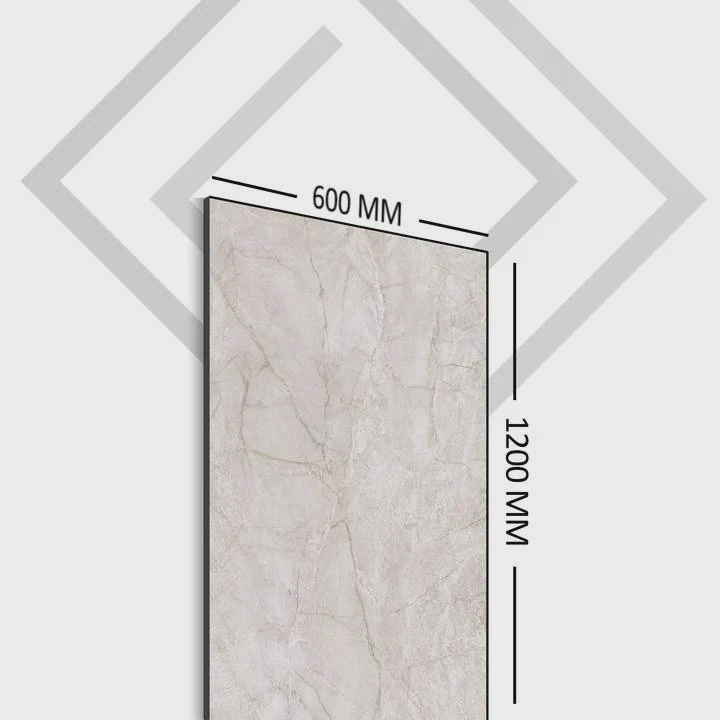
| 600x1200mm | High |
| Large slabs | Very High |
Large-format tiles have become increasingly popular, but they often require experienced installers.
Tile Material
Different tile materials involve different installation requirements.
Common options include:
- Ceramic tile
- Porcelain tile
- Mosaic tile
- Natural stone tile
Porcelain is denser than ceramic and may require stronger cutting equipment.
Natural stone often requires additional sealing and handling.
Surface Preparation
Many installation costs originate before the first tile is laid.
The substrate may need:
- Cleaning
- Leveling
- Crack repair
- Waterproofing
- Backer board installation
An uneven floor can significantly increase labor time.
Room Complexity
Simple rectangular rooms are usually less expensive to tile.
Complex areas may include:
- Curved walls
- Multiple corners
- Built-in cabinets
- Columns
- Staircases
Each obstacle increases cutting and fitting requirements.
Installation Pattern
Layout design affects labor costs.
Basic straight patterns are generally the most economical.
More complex patterns include:
- Diagonal layouts
- Herringbone designs
- Chevron patterns
- Custom mosaics
These layouts require additional planning and cutting.
Project Size
Larger projects often benefit from economies of scale.
A contractor may charge a lower rate per square foot on a large commercial project compared to a small residential bathroom.
Small projects can sometimes carry higher unit costs because setup and travel expenses are spread across fewer square feet.
Skill Requirements
Not every tile installation requires the same level of expertise.
Premium projects may demand:
- Tight grout joints
- Precise alignment
- Large-format installation
- Decorative details
Highly skilled installers typically command higher labor rates.
Understanding these variables helps explain why tile installation quotes can vary substantially between projects that appear similar at first glance.
How Do Labor Costs Vary by Region?

Labor is often the largest component of tile installation costs. The same tile product can cost very different amounts to install depending on where the project is located.
Labor costs vary by region due to differences in wages, living expenses, local demand, contractor availability, and market competition. Urban areas generally have higher installation rates than rural locations.
Regional labor pricing is one of the biggest reasons installation quotes differ between countries, states, and cities.
Cost of Living
Areas with higher living expenses typically have higher labor rates.
Contractors must account for:
- Housing costs
- Transportation expenses
- Insurance costs
- Business overhead
As these costs rise, installation pricing usually increases as well.
Urban Versus Rural Markets
Large metropolitan areas often have higher labor rates.
Examples include:
- Major city centers
- High-growth urban regions
- Premium residential markets
Rural areas may offer lower labor costs, although installer availability can sometimes be limited.
Local Demand
Construction activity strongly influences labor pricing.
When demand is high, experienced installers often have full schedules.
This can lead to:
- Higher labor rates
- Longer lead times
- Increased project costs
In slower markets, contractors may offer more competitive pricing.
Workforce Availability
The number of qualified installers affects regional pricing.
Markets with a shortage of skilled tile setters often experience higher labor costs.
This trend is particularly noticeable for:
- Large-format porcelain installation
- Luxury residential projects
- Commercial construction work
Typical Labor Cost Ranges
The following figures represent broad industry estimates.
| Region Type | Typical Labor Cost |
|---|---|
| Rural Areas | \(3-\)8 per sq ft |
| Suburban Areas | \(5-\)12 per sq ft |
| Major Cities | \(8-\)20+ per sq ft |
Actual costs vary significantly depending on local market conditions.
Commercial Versus Residential Work
Regional labor pricing can also differ between project types.
Commercial installations may involve:
- Larger floor areas
- Repetitive layouts
- Faster production rates
Residential projects often require:
- More detailed cutting
- Smaller spaces
- Greater customization
These differences affect labor productivity and pricing.
Why Regional Research Matters
Many buyers compare installation costs online without considering local conditions.
A price quoted in one region may not reflect market realities elsewhere.
Before budgeting for a project, it is always wise to obtain local estimates from experienced installers.
Accurate regional pricing creates more realistic project expectations and helps avoid budget surprises.
Why Material Choice Impacts Total Pricing?

Many homeowners focus on installation rates while overlooking how tile selection affects the overall project budget. Material choice influences far more than the product cost alone.
Material choice impacts total pricing because different tile types vary in purchase price, installation difficulty, cutting requirements, maintenance needs, and long-term performance. Premium materials often increase both material and labor expenses.
The tile itself represents a major portion of the project budget.
Ceramic Tile
Ceramic remains one of the most economical options.
Benefits include:
- Affordable pricing
- Easy installation
- Wide availability
- Large design selection
Because ceramic is relatively easy to cut, labor costs may remain lower.
Porcelain Tile
Porcelain is a popular choice for both residential and commercial projects.
Advantages include:
- High durability
- Low water absorption
- Excellent wear resistance
However, porcelain’s density can increase installation difficulty.
Installers often require:
- Specialized cutting tools
- Additional labor time
- Greater handling care
Natural Stone
Natural stone products typically occupy the premium end of the market.
Examples include:
- Marble
- Granite
- Travertine
- Slate
These materials often require:
- Sealing
- Careful sorting
- Specialized installation techniques
As a result, project costs frequently increase.
Mosaic Tiles
Mosaic tiles can create stunning visual effects.
However, they often require:
- Detailed placement
- Additional grout work
- More installation time
The labor component may exceed that of larger tile formats.
Large-Format Tiles
Large-format porcelain tiles continue gaining popularity.
Common sizes include:
- 600x1200mm
- 750x1500mm
- 900x1800mm
- Slab formats
Although fewer pieces are needed, installation demands greater precision.
Specialized equipment may be necessary.
Material Cost Comparison
| Material Type | Typical Material Cost Level |
|---|---|
| Ceramic | Low |
| Porcelain | Medium |
| Mosaic | Medium to High |
| Natural Stone | High |
| Large Slabs | High to Premium |
Long-Term Value Considerations
Initial cost should not be the only factor.
Higher-quality materials may offer:
- Better durability
- Lower maintenance
- Longer service life
- Stronger resale appeal
In many projects, paying more upfront can reduce future replacement costs.
Material selection influences nearly every aspect of a tile project, making it one of the most important budgeting decisions.
Which Additional Costs Should Be Considered?
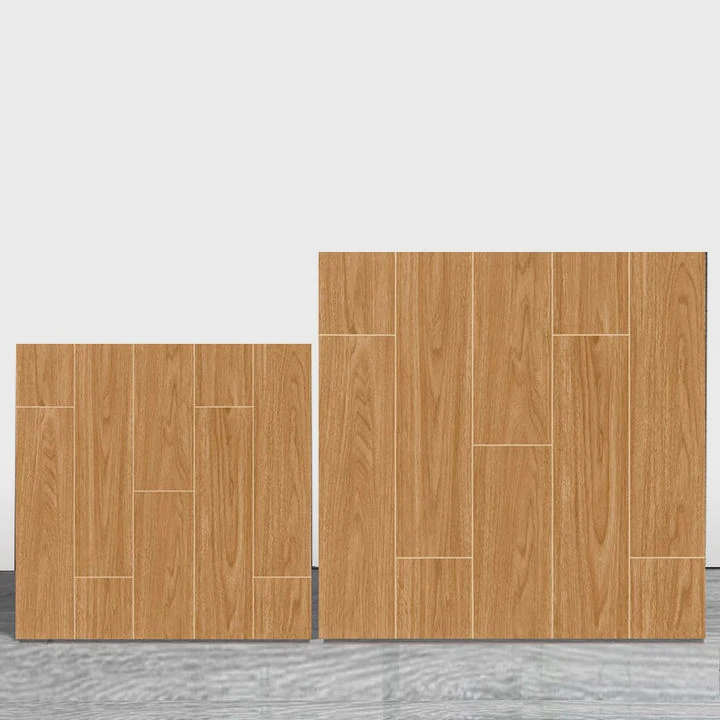
Many installation budgets focus only on tile and labor. Unfortunately, numerous supporting expenses can affect the final invoice.
Additional costs may include surface preparation, demolition, waterproofing, underlayment, grout, adhesive, trim pieces, delivery, waste allowance, and future maintenance requirements. These items can significantly increase total project costs.
A complete budget should account for more than the visible tile surface.
Demolition and Removal
Existing flooring or wall coverings may need removal.
Common demolition tasks include:
- Old tile removal
- Carpet removal
- Vinyl flooring removal
- Adhesive cleanup
These services often carry separate charges.
Subfloor Preparation
The substrate must be stable before tile installation begins.
Additional work may involve:
- Floor leveling
- Crack repair
- Structural reinforcement
- Moisture treatment
Poor surface conditions can increase costs substantially.
Waterproofing Systems
Bathrooms, showers, and wet areas often require waterproofing.
Typical waterproofing products include:
- Liquid membranes
- Sheet membranes
- Waterproof backer boards
These systems add both material and labor expenses.
Adhesives and Grout
Installation materials represent an important part of the budget.
Examples include:
- Thin-set mortar
- Tile adhesive
- Grout
- Sealers
Premium products generally increase project costs but may improve performance.
Trim and Finishing Pieces
Many projects require finishing accessories.
Examples include:
- Edge trims
- Transition strips
- Corner pieces
- Decorative borders
These details create a more professional appearance but add expense.
Waste Allowance
Tile orders usually include additional material for:
- Cutting
- Breakage
- Future repairs
Typical waste allowances range from:
- 5% for simple layouts
- 10% to 15% for complex patterns
Ignoring waste can result in costly reorder situations.
Delivery and Logistics
Transportation costs vary depending on:
- Project location
- Order size
- Product weight
Large-format porcelain and natural stone products may require special handling.
Future Maintenance Costs
Some materials require periodic maintenance.
Examples include:
- Stone sealing
- Grout cleaning
- Joint repairs
Considering long-term expenses provides a more complete view of project value.
Example Cost Breakdown
For a 200-square-foot installation, costs may include:
| Cost Category | Example Share of Budget |
|---|---|
| Tile Materials | 30%-50% |
| Labor | 35%-50% |
| Preparation Work | 5%-15% |
| Accessories & Supplies | 5%-10% |
| Waste Allowance | 5%-15% |
Every project differs, but these additional items should always be considered during budgeting.
A comprehensive estimate prevents surprises and helps ensure the project stays on schedule and within financial expectations.
Conclusion
Tile installation typically ranges from \(5 to \)20 or more per square foot, depending on labor rates, material selection, project complexity, and regional conditions. By considering labor, tile type, preparation work, and additional expenses, property owners can build a more accurate budget and achieve a successful installation outcome.