How to Remove a Shower Insert and Replace With Tile?
- Sinotiles
- 2026-06-12
Many homeowners want to upgrade an old shower insert, but they worry about damaging walls, creating leaks, or making costly mistakes during the renovation.
To remove a shower insert and replace it with tile, the old enclosure must be carefully dismantled, the wall structure prepared properly, a reliable waterproofing system installed, and quality tile materials selected for long-term performance.
A shower insert can be a practical solution, but many older units eventually look outdated, become discolored, or no longer match modern bathroom designs. Replacing a prefabricated shower insert with tile creates more design flexibility and can increase the overall value and appearance of a bathroom. The success of the project depends on careful planning and following each stage in the correct order.
What Is the Process to Remove a Shower Insert?
A shower insert may appear simple to remove, but many units are securely attached to wall framing, plumbing fixtures, and surrounding finishes. Rushing this stage can cause unnecessary damage.
The process of removing a shower insert involves disconnecting fixtures, cutting sealants, separating wall panels, removing the shower base if necessary, and inspecting the exposed structure before rebuilding.
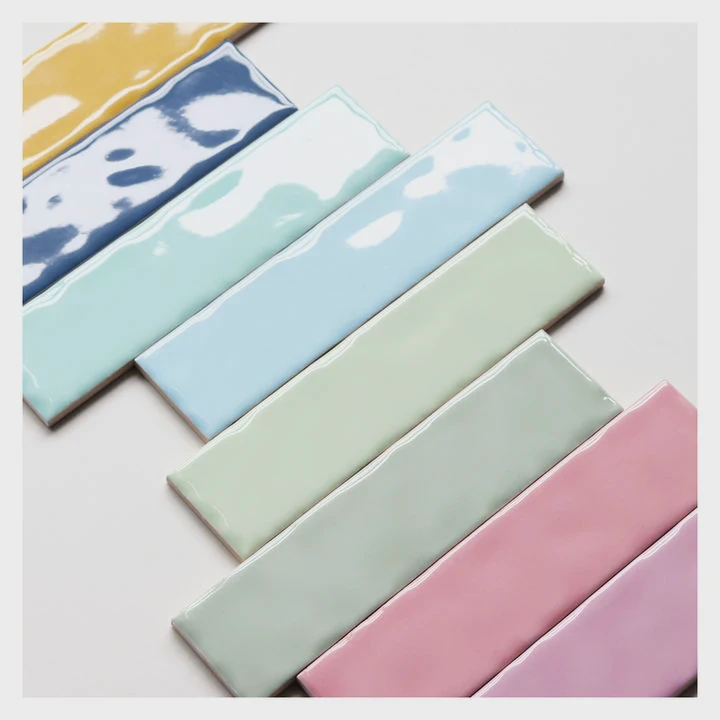
Before beginning demolition, I always evaluate how the insert was originally installed. Different manufacturers use different fastening methods.
Understand the Shower Insert Structure
Most shower inserts include several components:
- Wall panels
- Shower base or pan
- Plumbing fixtures
- Fasteners
- Sealant joints
Some units are one-piece designs, while others consist of multiple interlocking sections.
Step 1: Turn Off Water Supply
The first priority is safety.
Before any demolition begins:
- Shut off water supply
- Remove shower accessories
- Protect nearby surfaces
- Verify plumbing locations
This helps prevent accidental leaks during removal.
Step 2: Remove Fixtures
All plumbing trim should be removed first.
Common items include:
- Shower heads
- Valve trim
- Handles
- Escutcheon plates
Removing these components provides access to the insert panels.
Step 3: Cut Existing Caulk
Most shower inserts are sealed along edges and corners.
A utility knife can be used to cut through:
- Silicone joints
- Wall connections
- Base transitions
Careful cutting reduces damage to surrounding surfaces.
Step 4: Locate Fasteners
Many inserts are secured with screws or nails hidden behind trim areas.
Common fastening locations include:
| Location | Typical Fastener Placement |
|---|---|
| Upper Flanges | Screws into wall studs |
| Side Panels | Hidden attachment points |
| Corners | Mechanical connections |
| Base Sections | Anchored to framing |
Removing these fasteners often makes panel removal much easier.
Step 5: Remove Wall Panels
For multi-piece systems, panels can usually be removed one at a time.
I generally start with:
- Side walls
- Rear wall
- Corner sections
Working gradually helps minimize structural damage.
Step 6: Remove Shower Base
If the project includes a complete tiled shower conversion, the base may also need removal.
The process may require:
- Disconnecting drain fittings
- Breaking adhesive bonds
- Separating the base from framing
Step 7: Inspect the Exposed Structure
Once demolition is complete, hidden issues often become visible.
Areas requiring inspection include:
Water Damage
Long-term leaks may weaken framing.
Mold Growth
Moisture behind inserts sometimes creates mold problems.
Damaged Insulation
Wall cavities may require repairs.
Plumbing Condition
Old pipes should be evaluated before rebuilding.
The removal phase is not simply about demolition. It is also an opportunity to identify and correct problems before installing the new tiled shower system.
How Can You Prepare Walls for New Tile?
After the shower insert is removed, the wall structure must be prepared carefully. Tile is only as reliable as the surface supporting it.
Walls should be cleaned, repaired, reinforced, covered with appropriate tile backer materials, and checked for flatness before any tile installation begins.
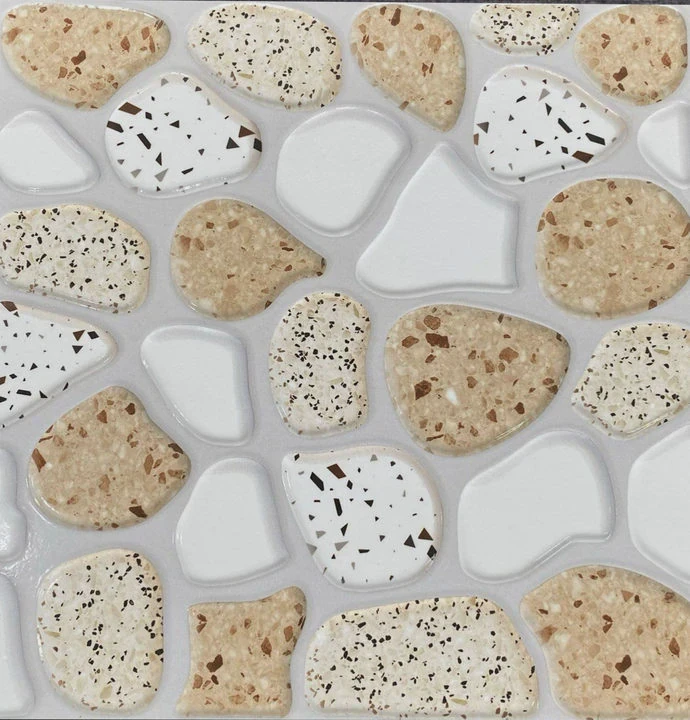
Proper wall preparation creates the foundation for a successful tile installation.
Remove Remaining Debris
The exposed wall area should be completely cleaned.
This includes removing:
- Adhesive residue
- Fasteners
- Old caulk
- Damaged materials
A clean work surface improves installation accuracy.
Inspect the Wall Framing
The wall studs provide structural support for the tile assembly.
I typically check for:
- Rot
- Cracks
- Warping
- Loose framing
Any damaged wood should be replaced before moving forward.
Verify Wall Alignment
Tile performs best on flat surfaces.
A long level or straightedge helps identify:
- Bowed studs
- Uneven framing
- High spots
- Low spots
Correcting these issues early prevents tile alignment problems later.
Install Blocking Where Needed
Additional framing support may be required.
Common locations include:
Shower Doors
Future door hardware needs secure anchoring.
Grab Bars
Support structures improve safety.
Accessories
Shelves and niches often require reinforcement.
Select the Correct Backer Material
Standard drywall should not be used inside wet shower areas.
Suitable alternatives include:
| Material | Common Application |
|---|---|
| Cement Board | Traditional tile systems |
| Foam Backer Board | Lightweight installations |
| Fiber Cement Board | Moisture-resistant systems |
| Waterproof Building Panels | Modern shower assemblies |
The selected board should match the waterproofing system.
Install Backer Panels Properly
Panels should be secured according to manufacturer requirements.
Important considerations include:
- Proper fastener spacing
- Correct joint gaps
- Flat alignment
- Secure attachment
Treat Panel Joints
All seams require reinforcement.
Typical methods include:
- Alkali-resistant mesh tape
- Thinset mortar
- Waterproof seam treatments
Proper joint treatment helps create a stable tile substrate.
Final Surface Inspection
Before waterproofing begins, the wall surface should be:
- Flat
- Clean
- Secure
- Structurally sound
The time invested in wall preparation often determines how professional the finished shower will look once tiling is complete.
Why Waterproofing Is Critical Before Tiling?
Many people assume that tile and grout create a waterproof surface. In reality, the waterproofing layer behind the tile provides the true protection.
Waterproofing is critical because it prevents moisture from reaching wall framing, reduces mold risk, protects structural materials, and extends the lifespan of the tiled shower system.
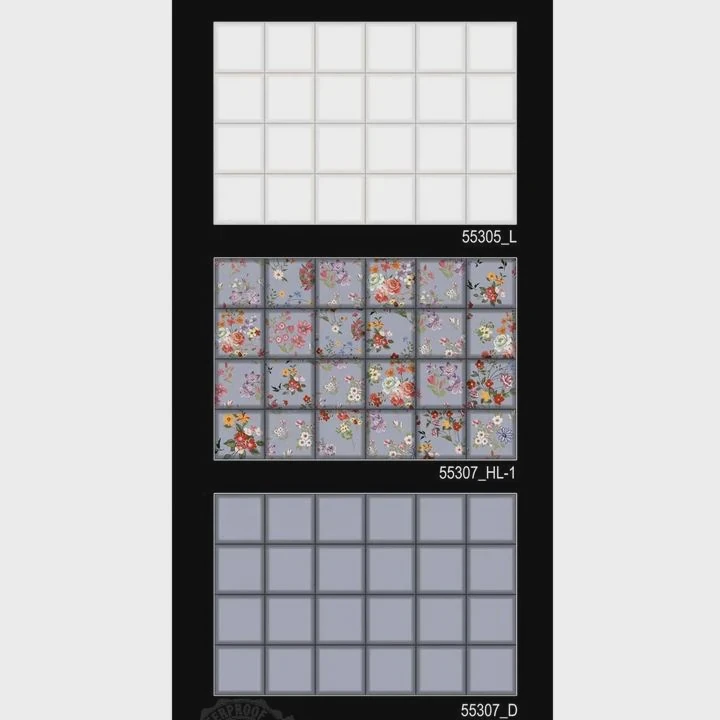
A shower experiences daily exposure to water. Even high-quality tile installations allow small amounts of moisture to pass through grout joints over time.
Tile Is Not Completely Waterproof
Porcelain tile resists moisture well, but the entire assembly includes:
- Grout joints
- Corners
- Penetrations
- Movement joints
These areas can allow water migration.
Consequences of Poor Waterproofing
Without a proper waterproof barrier, several problems may occur.
Mold Development
Moist environments support mold growth.
Framing Damage
Wood framing can deteriorate when exposed to moisture.
Tile Failure
Water intrusion may weaken adhesive bonds.
Expensive Repairs
Hidden leaks often become costly renovation projects.
Common Waterproofing Systems
Several waterproofing approaches are widely used.
| Waterproofing Method | Main Advantage |
|---|---|
| Sheet Membrane | Consistent thickness |
| Liquid Membrane | Flexible application |
| Foam Panel System | Integrated waterproofing |
| Hybrid Systems | Enhanced protection |
Each system can perform well when installed correctly.
Critical Waterproofing Areas
Certain locations require extra attention.
Corners
Corners experience movement and stress.
Pipe Penetrations
Shower valves and supply lines create openings.
Wall-to-Floor Connections
These transitions are common leak points.
Niches and Shelves
Built-in features require careful detailing.
Waterproofing Sequence
A typical process may include:
- Surface preparation
- Membrane installation
- Seam treatment
- Penetration sealing
- Inspection
- Flood testing where applicable
The Importance of Flood Testing
Flood testing verifies the integrity of the waterproofing system.
Benefits include:
- Leak detection
- Installation verification
- Greater confidence before tiling
I always consider waterproofing one of the most important stages of any shower project. Tile can be replaced later, but hidden moisture damage behind the wall can become much more serious and expensive.
Which Materials Are Needed for Tile Installation?
Once waterproofing is complete, the tile installation phase can begin. Choosing suitable materials contributes directly to performance, appearance, and long-term durability.
Tile installation requires tile, thinset mortar, grout, spacers, waterproof accessories, trimming materials, and specialized tools that work together to create a durable finished shower.
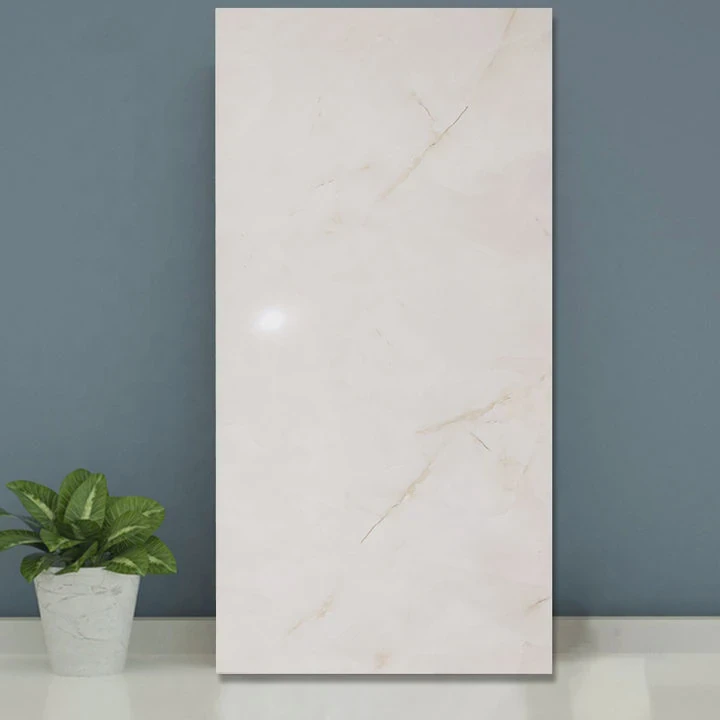
Selecting quality materials helps ensure consistent results.
Essential Tile Materials
The tile itself is only one part of the system.
Common tile options include:
- Porcelain tile
- Ceramic tile
- Mosaic tile
- Large-format tile
- Decorative accent tile
Each material offers different design and performance characteristics.
Thinset Mortar
Thinset bonds the tile to the substrate.
Selection should consider:
- Tile size
- Tile weight
- Substrate type
- Manufacturer recommendations
Large-format tiles often require specialized mortars.
Grout Selection
Grout fills the spaces between tiles.
Common choices include:
| Grout Type | Typical Benefits |
|---|---|
| Cement Grout | Cost-effective |
| Polymer-Modified Grout | Improved flexibility |
| Epoxy Grout | High stain resistance |
| Performance Grout | Enhanced durability |
The choice depends on project goals and maintenance expectations.
Tile Spacers
Spacers help maintain uniform joint widths.
Benefits include:
- Consistent appearance
- Better alignment
- Easier grouting
Trim and Edge Profiles
Finished tile edges require proper treatment.
Common options include:
Metal Profiles
Provide clean modern edges.
Bullnose Tiles
Create a traditional finished look.
Decorative Trims
Add design interest.
Specialty Waterproof Accessories
Many systems require compatible accessories such as:
- Corner pieces
- Pipe seals
- Banding strips
- Drain components
Using matching system components often improves reliability.
Tile Installation Tools
Several tools help achieve professional results.
Common examples include:
| Tool | Purpose |
|---|---|
| Notched Trowel | Mortar application |
| Tile Cutter | Straight cuts |
| Wet Saw | Precision cutting |
| Level | Alignment verification |
| Rubber Float | Grout installation |
| Mixing Paddle | Mortar preparation |
Planning Material Quantities
Before ordering materials, I typically calculate:
- Wall area
- Waste allowance
- Accent tile requirements
- Trim lengths
Ordering slightly more material helps account for cuts, breakage, and future repairs.
Material Quality Matters
The finished shower performs as a complete system.
Quality materials support:
- Better waterproofing
- Stronger tile bonds
- Improved appearance
- Longer service life
Choosing compatible products from reliable manufacturers often simplifies installation and reduces the risk of future problems.
Conclusion
Removing a shower insert and replacing it with tile requires careful demolition, thorough wall preparation, dependable waterproofing, and the right installation materials. When every stage is completed properly, the result is a durable, attractive shower that offers greater design flexibility and long-term performance.