How Much Should It Cost To Tile A Shower?
- Sinotiles
- 2026-06-26
Many homeowners start a bathroom renovation without knowing how much a tiled shower should actually cost. Quotes can vary widely, and the differences often create confusion.
The cost to tile a shower depends on labor, tile material, shower size, waterproofing requirements, design complexity, and location. Most shower tiling projects range from a few hundred dollars for basic installations to several thousand dollars for premium custom showers.
A shower may look simple from the outside, but many hidden factors affect the final budget. Understanding where the money goes helps homeowners compare quotes more confidently and avoid unexpected expenses during construction.
What Factors Influence Shower Tiling Costs?
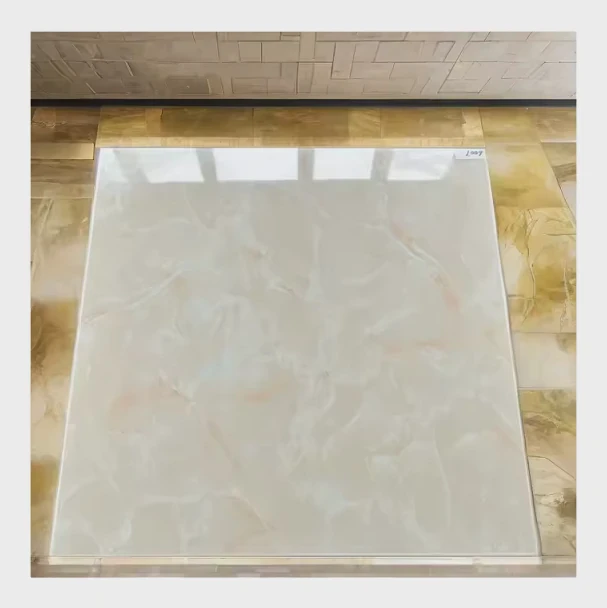
Many people focus only on tile prices when estimating a shower project. In reality, tile often represents only one part of the total cost. Several other factors can significantly increase or decrease the final budget.
The main factors that influence shower tiling costs include shower size, tile selection, installation complexity, waterproofing systems, surface preparation, labor rates, and project location.
A shower installation involves much more than simply attaching tiles to a wall. The structure behind the tile is often just as important as the visible finish.
Shower Size
The overall size of the shower directly affects material and labor costs.
Larger showers require:
- More tiles
- More adhesive
- More grout
- More waterproofing materials
- More installation time
Even small increases in wall area can noticeably affect the final price.
Tile Layout Complexity
Simple layouts generally cost less than decorative designs.
Common layout options include:
| Layout Type | Cost Impact |
|---|---|
| Straight stack | Low |
| Brick pattern | Moderate |
| Diagonal layout | Moderate to High |
| Herringbone pattern | High |
| Custom mosaic design | Very High |
Complex patterns require additional cutting, planning, and installation time.
Waterproofing Requirements
A shower is one of the wettest areas in a home. Proper waterproofing is essential.
Typical waterproofing components include:
- Waterproof membranes
- Sealing products
- Shower pans
- Corner reinforcement
- Drain integration systems
Many homeowners underestimate the importance of these materials because they remain hidden after installation.
Existing Wall Condition
The condition of the substrate can greatly affect project costs.
Common issues include:
- Mold damage
- Water damage
- Uneven walls
- Damaged backer boards
- Structural repairs
If repairs are necessary before tiling begins, labor and material costs can increase quickly.
Custom Features
Many modern showers include premium features.
Examples include:
| Feature | Typical Cost Impact |
|---|---|
| Built-in niche | Moderate |
| Corner shelves | Moderate |
| Bench seating | High |
| Accent strips | Moderate |
| Full mosaic wall | High |
These features improve appearance and functionality but often require additional labor.
Geographic Location
Labor rates vary significantly between regions.
Urban areas often have:
- Higher labor costs
- Higher permit costs
- Increased transportation expenses
The same shower design may cost substantially more in one city than another.
I often see homeowners compare online pricing without considering local labor conditions. A quote that seems expensive at first may actually reflect regional market rates and project complexity.
Understanding these cost drivers helps create more realistic expectations before requesting contractor estimates.
How Much Labor Cost Is Typical For Tiling Showers?
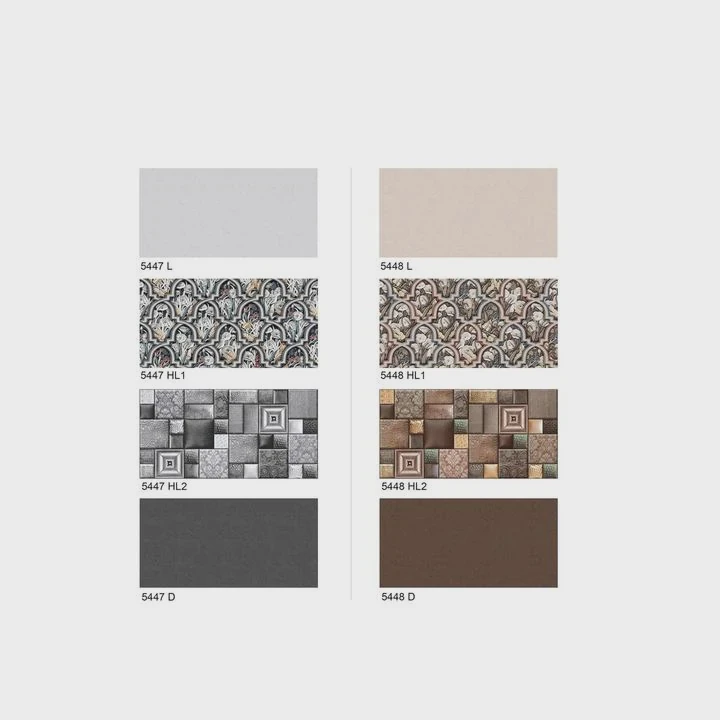
Labor is usually one of the largest parts of a shower tiling budget. In many projects, labor costs exceed the cost of the tile itself.
Typical shower tiling labor costs vary based on project complexity, but labor often represents 40% to 70% of the total installation cost. Custom work, intricate designs, and extensive preparation generally increase labor expenses.
Many homeowners are surprised when they receive a labor quote that appears high compared to material costs. The reason becomes clear when examining the work involved.
What Labor Includes
Professional shower installation requires multiple stages.
These stages often include:
- Demolition of old materials.
- Surface preparation.
- Waterproofing installation.
- Tile layout planning.
- Tile installation.
- Grouting.
- Sealing.
- Final cleanup.
Each stage requires skill and time.
Labor Time Requirements
The installation schedule depends on the shower design.
| Project Type | Estimated Labor Time |
|---|---|
| Small basic shower | 2-3 days |
| Standard walk-in shower | 3-5 days |
| Large custom shower | 5-7 days |
| Luxury shower project | 1-2 weeks |
Drying and curing periods may extend the overall timeline.
Why Skilled Labor Matters
A shower is not the same as a kitchen backsplash or living room floor.
Shower installations must handle:
- Constant moisture
- Temperature changes
- Daily cleaning
- Long-term water exposure
Mistakes can lead to expensive repairs.
Labor Costs For Specialty Work
Certain design elements require additional expertise.
Mosaic Installations
Mosaic sheets require careful alignment and detailed grouting.
Large Format Tiles
Large tiles demand flatter walls and more precise placement.
Natural Stone Installations
Natural stone often requires sealing and specialized handling.
These tasks increase labor requirements and therefore increase costs.
Signs Of A High-Quality Installer
The lowest quote is not always the best value.
Look for installers who:
- Explain waterproofing procedures
- Provide detailed estimates
- Show previous projects
- Offer workmanship warranties
- Communicate clearly
Comparing Labor And Material Costs
Many homeowners assume expensive tiles create the highest project cost.
In practice, labor often plays a larger role.
| Cost Category | Share Of Total Budget |
|---|---|
| Labor | 40-70% |
| Tile Materials | 20-40% |
| Waterproofing | 5-15% |
| Accessories | 5-10% |
A project with inexpensive tile can still become costly if installation is complex.
I once visited a project where the homeowner selected an affordable ceramic tile but requested multiple niches, decorative borders, and a herringbone pattern. Labor costs ultimately exceeded material costs by a wide margin.
The quality of labor directly affects both appearance and durability. Choosing experienced installers often saves money over the long term by reducing repair risks.
Does Tile Type Affect Total Shower Cost?
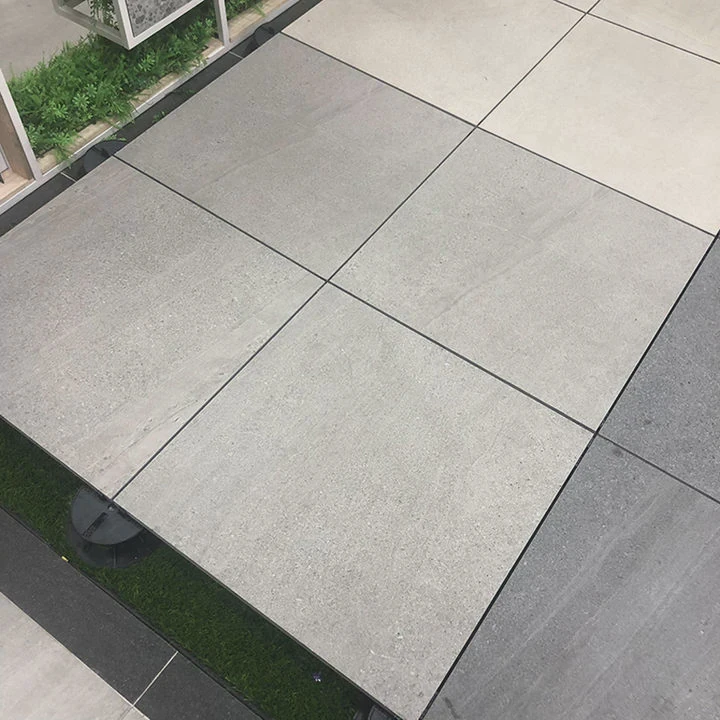
Tile selection has a major influence on both material and labor expenses. Different tile categories vary greatly in price, handling requirements, and installation difficulty.
Yes, tile type significantly affects total shower cost because material pricing, installation complexity, maintenance requirements, and waste factors vary between tile categories.
Many homeowners select tiles based purely on appearance. While design matters, understanding the cost implications is equally important.
Ceramic Tiles
Ceramic tiles remain one of the most popular choices.
Advantages include:
- Affordable pricing
- Easy installation
- Wide design selection
- Low maintenance
They often provide one of the most budget-friendly shower solutions.
Porcelain Tiles
Porcelain is widely used in modern bathrooms.
Benefits include:
- Low water absorption
- High durability
- Strong stain resistance
- Wide range of designs
Porcelain typically costs more than standard ceramic but offers excellent long-term performance.
Natural Stone Tiles
Natural stone creates a premium appearance.
Popular choices include:
- Marble
- Travertine
- Slate
- Limestone
These materials often require:
- Additional sealing
- Specialized cutting
- Greater maintenance
As a result, total project costs are usually higher.
Mosaic Tiles
Mosaic tiles offer decorative flexibility.
They are commonly used for:
- Accent walls
- Niches
- Shower floors
- Decorative borders
However, they involve:
- More grout joints
- More installation time
- Increased labor requirements
Cost Comparison By Tile Type
| Tile Type | Material Cost Level | Installation Difficulty |
|---|---|---|
| Ceramic | Low | Easy |
| Porcelain | Moderate | Moderate |
| Glass Mosaic | Moderate to High | High |
| Marble | High | High |
| Natural Stone Mosaic | High | Very High |
Large Format Tiles
Large format porcelain tiles have become increasingly popular.
Benefits include:
- Fewer grout joints
- Modern appearance
- Easier cleaning
Yet installation often requires:
- Precise leveling
- Flat substrates
- Specialized handling
Waste And Overages
Some tile types generate more waste during installation.
Factors include:
- Complex patterns
- Large tile cuts
- Fragile materials
- Custom layouts
Higher waste percentages increase material requirements.
A recent project used large-format marble-look porcelain panels instead of natural marble. The client achieved a luxury appearance while reducing both material and maintenance costs. The decision created substantial savings without sacrificing visual impact.
Tile type affects nearly every aspect of a shower project, from initial purchase costs to long-term maintenance expenses.
Are There Ways To Reduce Shower Tiling Expenses?
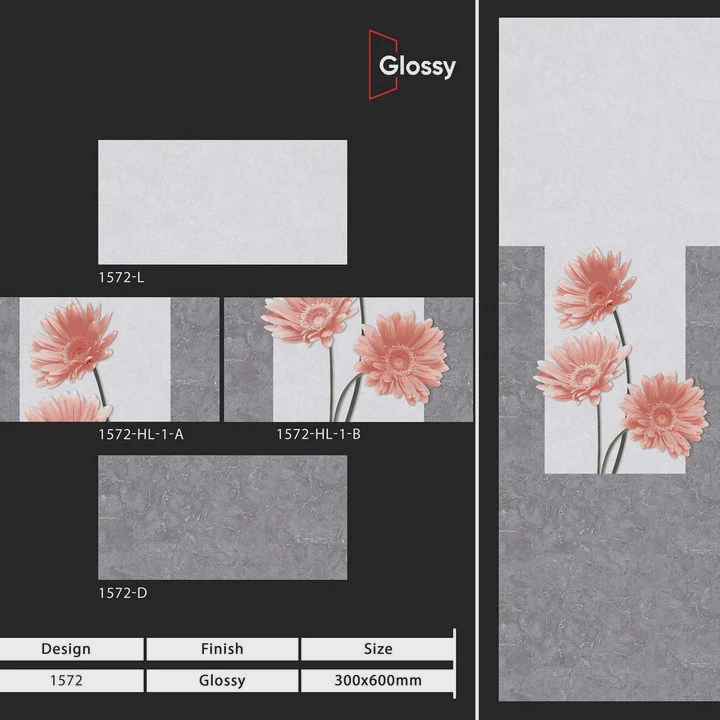
Many homeowners want a beautiful shower without exceeding their renovation budget. Fortunately, several practical strategies can help reduce costs while maintaining quality.
Shower tiling expenses can be reduced by choosing cost-effective tile materials, simplifying layouts, limiting custom features, improving project planning, and comparing multiple contractor quotes.
Reducing costs does not always mean choosing the cheapest option. Smart decisions often provide better value than simply cutting corners.
Choose Practical Tile Sizes
Tile size influences installation efficiency.
Simple rectangular formats often require:
- Less cutting
- Faster installation
- Lower labor costs
Complicated patterns usually increase both waste and labor.
Limit Decorative Features
Decorative elements can quickly increase expenses.
Examples include:
| Feature | Budget Impact |
|---|---|
| Basic wall tile | Low |
| Accent strip | Moderate |
| Niche | Moderate |
| Bench | High |
| Full mosaic feature wall | Very High |
Using decorative features selectively can maintain visual appeal while controlling costs.
Compare Material Options
Many modern porcelain products imitate premium materials.
Popular looks include:
- Marble
- Travertine
- Concrete
- Wood
- Natural stone
These alternatives often cost less than the materials they replicate.
Optimize Shower Design
Simple shower shapes are generally more affordable.
Rectangular layouts often require:
- Fewer cuts
- Less waste
- Faster installation
Curved walls and unusual shapes increase labor requirements.
Purchase Carefully
Good planning helps avoid unnecessary spending.
Consider:
- Accurate measurements
- Appropriate overage quantities
- Coordinated ordering schedules
- Bulk purchasing opportunities
Poor planning can result in expensive delays or duplicate orders.
Focus On Waterproofing
Some homeowners try to save money by reducing waterproofing costs.
This approach is risky.
Waterproofing protects:
- Walls
- Flooring
- Structural framing
- Adjacent rooms
Cutting corners here can create much larger expenses later.
Request Detailed Quotes
A detailed estimate helps identify opportunities for savings.
Useful quote categories include:
- Labor
- Tile materials
- Waterproofing
- Demolition
- Accessories
- Waste allowance
Comparing detailed estimates is easier than comparing a single total price.
Balance Cost And Value
The cheapest project is not always the best investment.
A balanced approach often includes:
- Durable porcelain tiles
- Professional waterproofing
- Simple layouts
- Limited decorative accents
This combination frequently delivers strong performance and attractive appearance at a reasonable cost.
Many successful projects achieve a high-end look through careful design rather than expensive materials. Strategic tile selection and thoughtful planning often produce better results than simply increasing the budget.
Conclusion
The cost to tile a shower depends on many factors, including labor, tile selection, waterproofing, shower size, and design complexity. Labor often represents the largest expense, while tile type can significantly affect both material and installation costs. By choosing practical materials, simplifying layouts, and planning carefully, homeowners can create an attractive and durable tiled shower while keeping expenses under control.