What Is Tegular Ceiling Tile?
- Sinotiles
- 2026-06-26
Many people see suspended ceilings in offices, schools, and commercial buildings every day, yet few understand the differences between ceiling tile designs. Choosing the wrong ceiling tile can affect appearance, acoustics, and project costs.
A tegular ceiling tile is a ceiling panel with a recessed edge that drops below the ceiling grid. This design creates depth, hides part of the grid system, and provides a more decorative appearance than standard flat ceiling tiles.
When planning a commercial or residential ceiling project, understanding tegular ceiling tiles can help achieve the right balance between aesthetics, functionality, and budget. Their distinctive edge detail has made them a popular choice in many modern buildings.
What Defines a Tegular Ceiling Tile Design?
A ceiling can dramatically influence how a room feels. Standard ceiling systems often appear plain and purely functional, which may not suit projects that require a more refined look.
A tegular ceiling tile is defined by its recessed edge profile. The edge steps down below the suspension grid, creating a dimensional appearance that partially conceals the grid and adds visual depth to the ceiling.
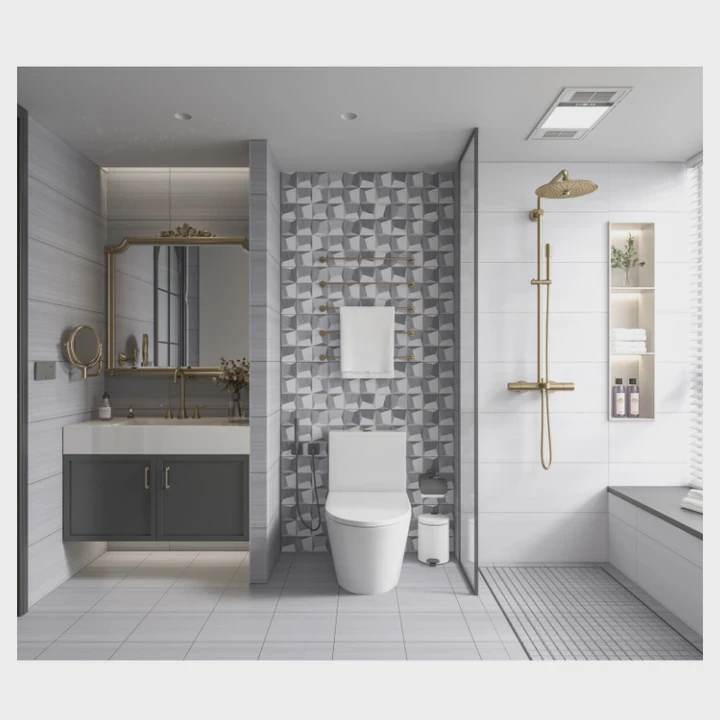
The defining feature of a tegular tile is not the material itself but the shape of its edge.
Understanding the Tegular Edge
Unlike flat ceiling panels that sit level with the grid, tegular tiles feature a rabbeted or recessed edge.
This design creates a small drop between the tile surface and the metal grid.
Main Characteristics of Tegular Tiles
| Feature | Tegular Tile |
|---|---|
| Edge Design | Recessed or stepped |
| Visual Depth | High |
| Grid Visibility | Partially hidden |
| Appearance | Decorative |
| Installation System | Suspended ceiling grid |
Why the Design Is Popular
The recessed edge adds architectural interest without increasing installation complexity.
Many designers prefer tegular ceilings because they create a cleaner and more sophisticated appearance.
Types of Tegular Edge Profiles
Narrow Reveal Tegular
This design creates a subtle shadow line around each panel.
Deep Reveal Tegular
A deeper recess produces stronger visual contrast and more noticeable depth.
Beveled Tegular
The edge includes an angled transition that softens the appearance.
Visual Impact in Interior Spaces
The recessed edge creates shadow lines across the ceiling.
These shadow lines help:
- Add texture
- Create visual rhythm
- Improve perceived ceiling quality
- Enhance architectural design
Materials Commonly Used
Tegular tiles are available in various materials.
Common options include:
- Mineral fiber
- Fiberglass
- Gypsum
- Metal
- Acoustic composite materials
Design Flexibility
Architects often select tegular ceilings because they work with many interior styles.
They can complement:
- Corporate offices
- Educational facilities
- Healthcare buildings
- Hospitality spaces
- Retail environments
A Practical Design Choice
The popularity of tegular tiles comes from their ability to improve aesthetics without requiring a completely different suspension system. The design creates a more premium look while maintaining the practical benefits of a traditional drop ceiling.
For many building owners, this combination of appearance and functionality makes tegular tiles an attractive ceiling solution.
Where Are Tegular Tiles Commonly Used?
Ceiling selection often depends on both performance and visual requirements. Some spaces demand more than a basic suspended ceiling.
Tegular ceiling tiles are commonly used in offices, schools, hospitals, hotels, retail stores, conference centers, and other commercial buildings where appearance and functionality are equally important.
Their widespread use comes from their ability to create a professional appearance while maintaining easy access to building systems above the ceiling.
Commercial Office Buildings
Office environments often prioritize aesthetics and acoustic control.
Tegular ceilings help create:
- Professional workspaces
- Modern meeting rooms
- Attractive reception areas
- Executive offices
The recessed profile adds visual quality without significantly increasing costs.
Educational Facilities
Schools and universities frequently use suspended ceiling systems.
Benefits include:
- Easy maintenance
- Accessibility to utilities
- Noise control
- Long service life
Healthcare Facilities
Hospitals and clinics require ceilings that support both appearance and functionality.
Tegular systems are often installed in:
- Patient rooms
- Waiting areas
- Administrative offices
- Consultation rooms
Hospitality Projects
Hotels depend heavily on interior design.
The enhanced appearance of tegular tiles helps create a more welcoming environment.
Common Application Areas
| Building Type | Typical Usage |
|---|---|
| Office Buildings | Workspaces and meeting rooms |
| Schools | Classrooms and corridors |
| Hospitals | Patient and public areas |
| Hotels | Guest and common areas |
| Retail Stores | Sales floors |
| Government Buildings | Administrative spaces |
Retail Environments
Retail spaces benefit from ceilings that appear clean and organized.
The shadow effect created by tegular panels often contributes to a more upscale appearance.
Public Buildings
Government offices and public facilities often choose tegular ceilings because they offer:
- Professional appearance
- Easy maintenance
- Long-term durability
- Cost-effective installation
Renovation Projects
Many renovation projects replace older flat ceiling panels with tegular designs.
This upgrade can improve the appearance of a space without changing the entire suspension grid.
Growing Popularity in Modern Design
As commercial interiors become more design-focused, tegular ceiling tiles continue to gain popularity. They provide a simple way to elevate the appearance of a room while maintaining the practical advantages of a suspended ceiling system.
For project managers and designers, they represent an effective balance between visual appeal and operational efficiency.
How Do Tegular Tiles Differ From Flat Tiles?
At first glance, many ceiling panels appear similar. However, edge profiles create significant differences in appearance and performance.
Tegular tiles differ from flat tiles mainly through their recessed edge design. While flat tiles sit level with the grid, tegular tiles drop below the grid, creating depth and partially concealing the suspension system.
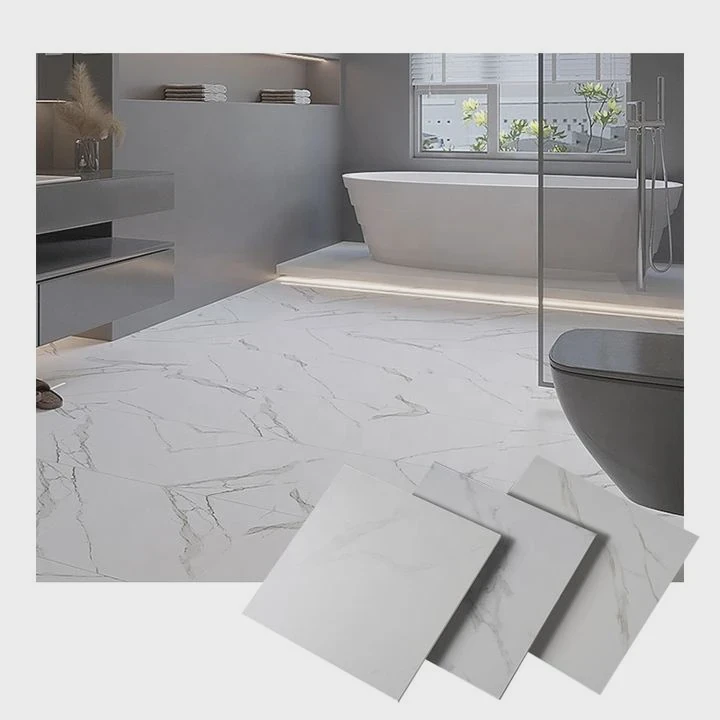
Understanding these differences helps designers choose the right ceiling solution for each project.
Visual Comparison
The most noticeable distinction is appearance.
Flat tiles create a smooth, uniform surface.
Tegular tiles create shadow lines and dimensional effects.
Key Differences
| Feature | Tegular Tile | Flat Tile |
|---|---|---|
| Edge Profile | Recessed | Straight |
| Ceiling Depth Effect | Yes | Minimal |
| Grid Visibility | Reduced | Fully visible |
| Decorative Appeal | Higher | Basic |
| Cost | Slightly higher | Lower |
Grid Exposure
Flat tiles expose the entire ceiling grid.
The tegular design covers part of the grid, reducing its visual impact.
Architectural Appearance
Flat Ceiling Systems
These systems emphasize simplicity and functionality.
Tegular Ceiling Systems
These systems add architectural detail and visual interest.
Cost Considerations
Flat ceiling tiles are generally less expensive.
However, many clients find the visual improvement of tegular ceilings worth the modest additional cost.
Installation Differences
Installation procedures are very similar.
Most tegular panels fit standard suspension systems.
This compatibility simplifies upgrades and renovations.
Maintenance and Access
Both tile types provide easy access to:
- Electrical wiring
- HVAC systems
- Plumbing lines
- Data cabling
This accessibility remains one of the primary advantages of suspended ceilings.
Designer Preferences
Many architects prefer tegular panels in public-facing spaces because they create a more refined appearance.
Flat panels are often selected for:
- Utility rooms
- Storage areas
- Back-of-house facilities
Selecting the Right Option
The decision often depends on project priorities.
Factors include:
- Budget
- Design goals
- Building type
- Occupant expectations
For projects seeking enhanced aesthetics without major cost increases, tegular tiles frequently offer an excellent compromise between appearance and practicality.
Do Tegular Tiles Improve Acoustic Performance?
Noise control is an important part of modern building design. Poor acoustics can affect productivity, comfort, and overall user experience.
Tegular ceiling tiles can improve acoustic performance when manufactured with sound-absorbing materials. However, acoustic performance depends primarily on the tile material and construction rather than the tegular edge profile itself.
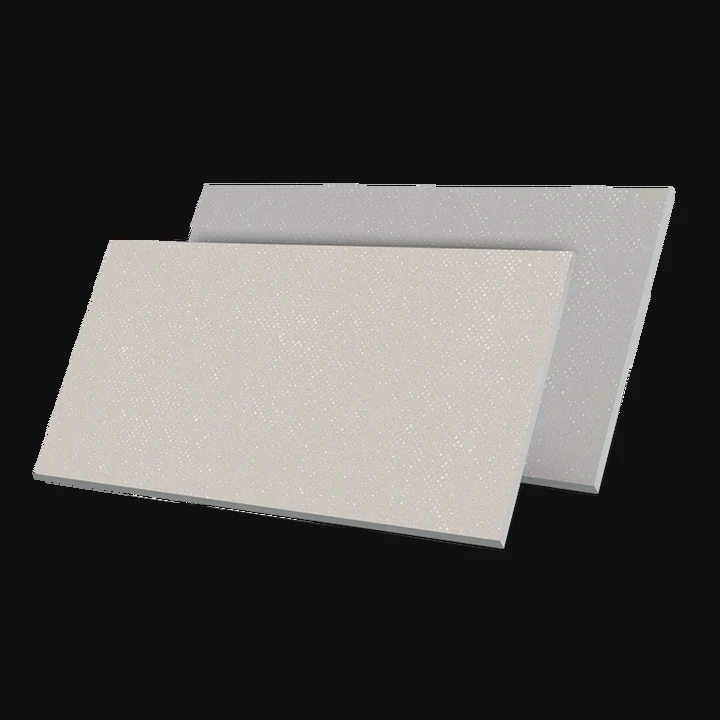
Many people mistakenly assume the recessed edge directly improves acoustics. The reality is more complex.
Understanding Acoustic Performance
Acoustic ceiling tiles work by absorbing sound energy.
This process helps reduce:
- Echo
- Reverberation
- Background noise
- Speech interference
Important Acoustic Ratings
Several measurements help evaluate performance.
NRC (Noise Reduction Coefficient)
NRC measures sound absorption capability.
Higher NRC values indicate better sound absorption.
CAC (Ceiling Attenuation Class)
CAC measures sound blocking between adjacent rooms.
Higher values indicate better sound isolation.
Typical Acoustic Materials
| Material | Acoustic Performance |
|---|---|
| Mineral Fiber | Good |
| Fiberglass | Excellent |
| Acoustic Composite | Excellent |
| Gypsum | Moderate |
| Metal with Acoustic Backing | Good |
Why Tegular Tiles Are Often Acoustic Tiles
Many manufacturers combine the tegular profile with high-performance acoustic materials.
This creates products that deliver both:
- Improved aesthetics
- Better sound control
Benefits in Different Environments
Offices
Acoustic ceiling systems help reduce distractions and improve speech privacy.
Schools
Lower noise levels can support learning and communication.
Healthcare Facilities
Noise reduction contributes to patient comfort and staff efficiency.
Hospitality Spaces
Acoustic control helps create a more pleasant guest experience.
Factors Affecting Acoustic Results
Several variables influence overall performance.
Tile Material
Material composition has the greatest impact.
Ceiling Plenum Design
The space above the ceiling can affect sound behavior.
Room Layout
Furniture, walls, and flooring also influence acoustics.
Installation Quality
Proper installation helps maximize performance.
Balancing Design and Function
One reason tegular acoustic tiles are popular is their ability to combine appearance and functionality.
Architects often seek products that provide:
- Attractive ceilings
- Effective noise control
- Easy maintenance
- Long service life
Long-Term Benefits
Good acoustic performance can improve building usability for many years.
Benefits may include:
- Better concentration
- Improved communication
- Enhanced occupant satisfaction
- More comfortable environments
While the tegular edge itself is primarily a visual feature, many tegular ceiling products are designed with advanced acoustic materials. This combination makes them a practical choice for buildings where both appearance and sound control matter.
Conclusion
Tegular ceiling tiles are suspended ceiling panels with recessed edges that create depth and partially conceal the ceiling grid. They are widely used in commercial, educational, healthcare, hospitality, and retail environments. Compared with flat tiles, they offer a more decorative appearance, and when paired with acoustic materials, they can also contribute to effective sound control.