How Much to Tile a Backsplash?
- Sinotiles
- 2026-04-30
When thinking about a kitchen upgrade, backsplash tiles often feel like a simple choice. But cost surprises can quickly appear.
Tiling a backsplash varies based on size, material, and labor. A small kitchen might cost a few hundred dollars, while larger or premium designs reach over a thousand.
Before picking tiles, it helps to understand what affects the total price. Knowing this prevents budget mistakes and guides your design choices.
What factors affect backsplash tiling cost?
Tiling a backsplash can seem easy, but costs vary. Many people underestimate how different elements can add up quickly.
Several key factors determine the total backsplash cost: size, materials, labor, and additional preparation work. Bigger areas and premium tiles naturally increase expenses.
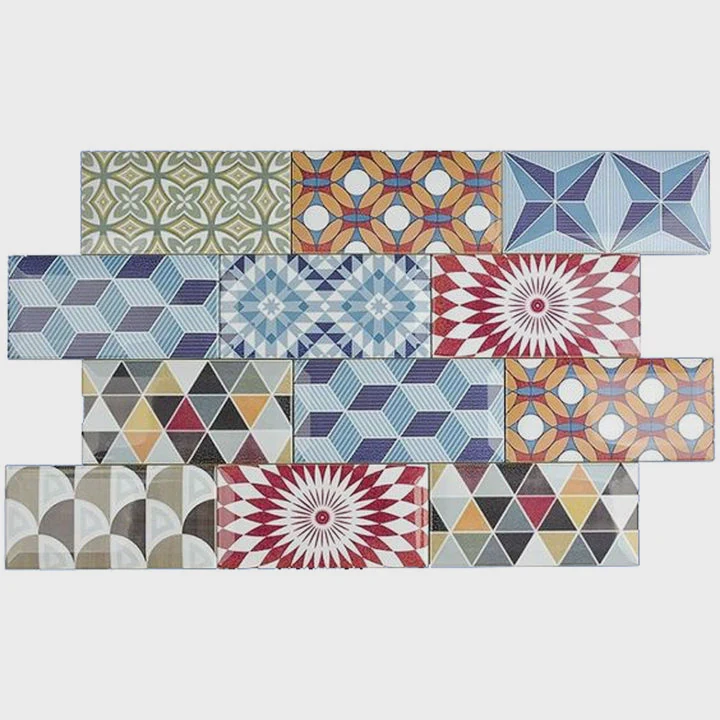
Size of the area
The more square footage you cover, the higher the cost. Even a small kitchen wall can add up if you use detailed patterns or large tiles. Measuring carefully is important to avoid buying too few or too many tiles.
Complexity of design
Simple, straight rows cost less than mosaics or intricate patterns. Cutting tiles to fit corners or unusual spaces adds time and labor. The design choice affects both material and labor costs directly.
Surface preparation
Old paint or damaged walls may need extra work. Cleaning, sanding, or repairing the wall before tiling is common. This prep adds both time and cost, but it ensures the tile lasts longer.
Location
Prices differ depending on where you live. Urban areas often have higher labor rates. Shipping premium tiles from abroad can also raise the overall price.
Extra features
Adding a border, accent tiles, or special finishes costs more. Even small decorative tiles can double the material cost compared to basic ceramic tiles.
Quick reference table
| Factor | Cost Impact | Notes |
|---|---|---|
| Area size | High | Larger areas need more tiles and labor |
| Tile type | High | Premium or decorative tiles cost more |
| Wall prep | Medium | Repairs and cleaning add labor cost |
| Design complexity | Medium | Intricate patterns require more skill |
| Location | Medium | Urban areas and shipping can raise cost |
| Extras | Low to Medium | Borders, mosaics, and trims increase price |
Understanding these factors helps set realistic expectations. Planning ahead ensures the project stays on budget without sacrificing quality.
How does labor impact backsplash pricing?
Labor is often the largest part of tiling cost. Even if tiles are inexpensive, installation can be pricey.
Labor affects backsplash pricing based on complexity, tile type, and installer experience. Expert installers charge more but provide higher quality work.
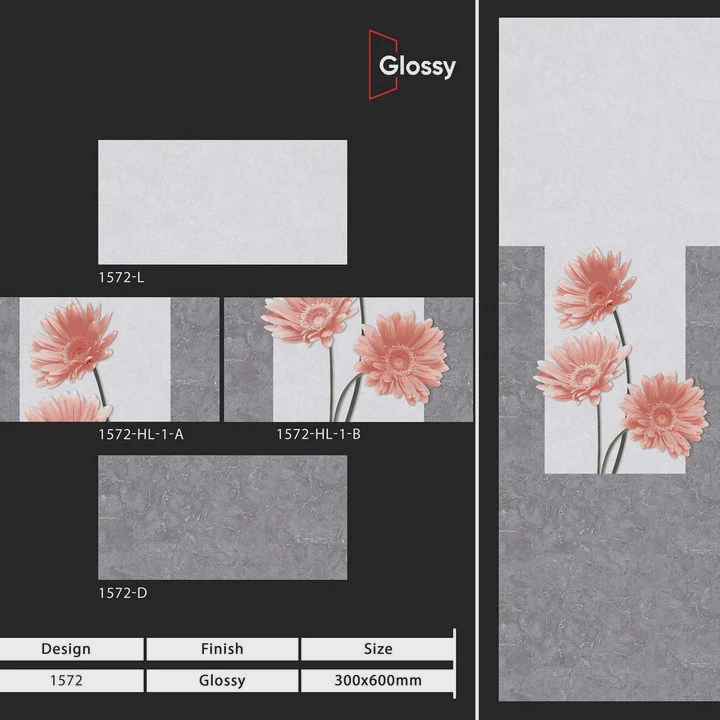
Labor rates
On average, professionals charge per square foot. Rates vary from \(10 to \)25 per square foot. Skilled labor ensures clean cuts and proper grouting. Cheap labor might save money upfront but can cause issues later.
Time and skill
Complex layouts, like herringbone or mosaic, require more time and precision. Installing these designs can double labor costs compared to simple layouts. Choosing a skilled professional saves potential mistakes.
Hidden labor costs
Removing old backsplash, repairing walls, or adjusting electrical outlets adds labor. Some contractors include these in their quote; others charge separately. Always confirm what the labor quote covers.
Table of labor considerations
| Labor Aspect | Cost Impact | Notes |
|---|---|---|
| Per square foot rate | High | Typical \(10-\)25 per sq. ft. |
| Design complexity | High | Intricate patterns increase time |
| Wall prep | Medium | Cleaning, repairs, or removal add cost |
| Experience | Medium | Expert installers charge more but reduce mistakes |
| Extra tasks | Low to Medium | Electrical adjustments or trims may add fees |
Choosing the right installer affects long-term satisfaction. Skilled labor can prevent cracking, uneven grout lines, or tile damage.
Which materials increase backsplash expenses?
Tile materials vary widely, and the choice dramatically changes the cost.
Premium materials like natural stone, glass, and large-format tiles increase backsplash expenses compared to basic ceramic or porcelain tiles.
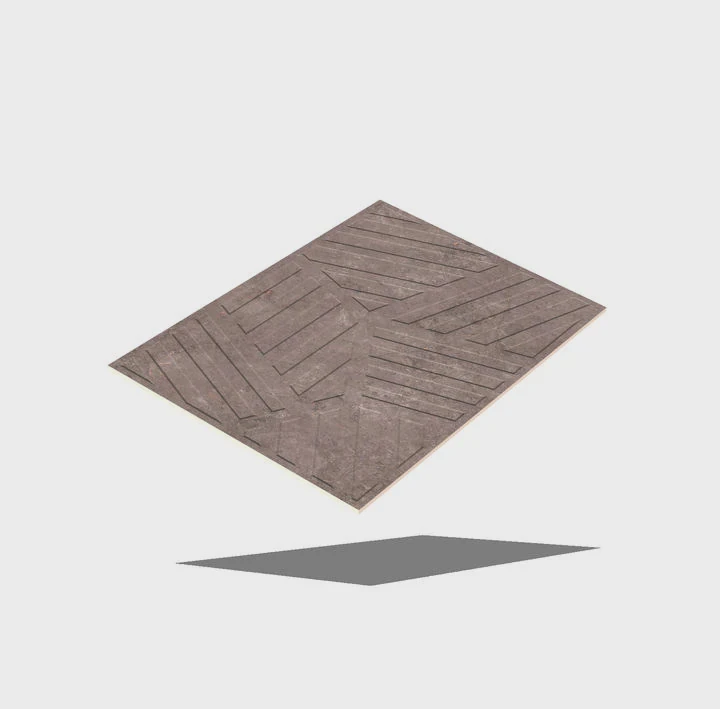
Ceramic and porcelain
Ceramic tiles are affordable and durable. Porcelain is slightly more expensive but lasts longer. Both options are easy to find and install.
Glass tiles
Glass tiles provide a modern, reflective finish. They are more expensive and fragile. Cutting glass requires skill, raising labor costs.
Natural stone
Marble, granite, and travertine are high-end options. Material cost is high, and installation requires precision. Sealing is necessary to protect the surface.
Large-format tiles
Bigger tiles reduce grout lines but need careful handling. They are heavier and harder to cut, which increases installation cost.
Specialty or decorative tiles
Handmade, mosaic, or patterned tiles can double the material cost. They often require a detailed layout plan and extra labor.
Comparison table of materials
| Material | Average Cost per sq. ft. | Pros | Cons |
|---|---|---|---|
| Ceramic | \(3-\)7 | Affordable, durable | Basic look |
| Porcelain | \(5-\)10 | Durable, water-resistant | Slightly more expensive |
| Glass | \(7-\)15 | Modern, reflective | Fragile, harder to install |
| Natural stone | \(10-\)25 | Luxurious, durable | Expensive, requires sealing |
| Large-format | \(8-\)20 | Fewer grout lines | Heavy, difficult to cut |
| Specialty tiles | \(12-\)30 | Unique design | High cost and labor |
Selecting the right material balances budget, style, and durability. Planning in advance avoids surprises when shopping.
Can DIY reduce backsplash installation costs?
Many homeowners consider DIY to save money. It is possible but requires skill and patience.
DIY installation can lower costs, mainly by eliminating labor fees, but mistakes can lead to higher expenses or wasted materials.

Advantages of DIY
Doing it yourself saves the labor cost, which can be 40%-60% of the total project. You also control timing and design decisions directly.
Challenges
Cutting tiles, mixing grout, and aligning patterns require precision. Mistakes can cause broken tiles, uneven surfaces, or water damage behind the backsplash.
Tools and preparation
DIY requires tile cutters, spacers, trowels, and possibly a wet saw for stone or glass tiles. Renting or buying tools adds upfront costs. Preparing the wall properly is crucial to avoid long-term problems.
Tips for success
- Measure the area carefully to avoid ordering too many or too few tiles.
- Start with a simple design if you are new to tiling.
- Watch tutorial videos or attend workshops.
- Buy extra tiles for mistakes or breakage.
Cost savings estimate
| Task | Professional Cost | DIY Cost | Savings |
|---|---|---|---|
| Labor | \(10-\)25 per sq. ft. | $0 | 100% |
| Tools rental | Included | \(50-\)150 | - |
| Mistakes / extra tiles | Minimal | \(20-\)100 | Variable |
| Total | \(500-\)1500 | \(200-\)700 | Significant |
DIY can be rewarding and reduce costs, but planning and patience are essential. For large kitchens or premium materials, professional installation may be safer and more efficient.
Conclusion
Tiling a backsplash depends on area, materials, design, and labor. Planning ahead, understanding costs, and comparing options ensures the project stays on budget and looks great.