What Tile Is Best for Bathroom Floor?
- Sinotiles
- 2026-04-30
Bathrooms need floors that stay safe and last long. Choosing the wrong tile can lead to slips, water damage, or constant repairs.
The best bathroom floor tiles balance water resistance, durability, and style. Porcelain, ceramic, and natural stone are top choices, each offering unique advantages for bathroom use.
Choosing the right tile involves more than picking colors. We need to consider safety, durability, cleaning, and size. A small mistake can make a big difference in comfort and safety.
Which materials are best for bathroom flooring?
Bathrooms face water, humidity, and heavy foot traffic. Picking the right material is critical to prevent damage and ensure safety.
Porcelain tiles, ceramic tiles, and natural stone are ideal for bathrooms. Porcelain is durable and water-resistant, ceramic is affordable and versatile, while natural stone adds a high-end look with proper sealing.
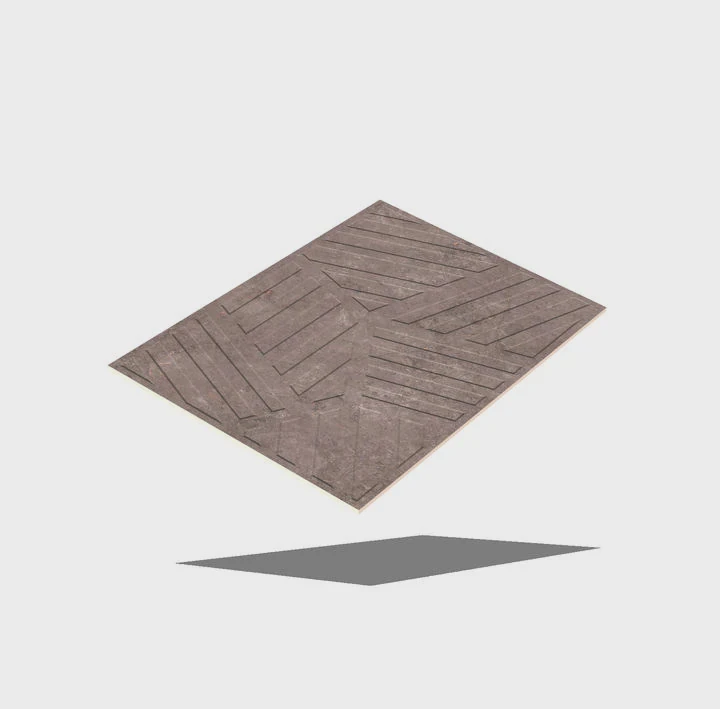
Bathroom floors require materials that handle water and wear. Porcelain tiles are dense, highly water-resistant, and hard to scratch, making them excellent for wet areas. Ceramic tiles are easier to cut and lighter, perfect for DIY projects. Natural stone like marble, granite, or slate can be luxurious but needs sealing to prevent staining and water absorption.
Porcelain vs Ceramic
| Feature | Porcelain | Ceramic |
|---|---|---|
| Water Resistance | High | Medium |
| Durability | Very high | Medium-high |
| Cost | Moderate to high | Low to moderate |
| Design Variety | Wide | Very wide |
Natural stone adds character but is sensitive to water and requires maintenance. Marble, for example, can stain if not sealed. Slate has a natural texture that helps with slip resistance. Travertine is softer and needs careful care. For a busy bathroom, porcelain is the safest choice, ceramic is good for budget projects, and stone is for luxury bathrooms with maintenance in mind.
Tile shape also matters. Square tiles are standard, but rectangles can create a modern look. Using a combination of materials in a single bathroom can highlight design elements while keeping practical areas like shower floors slip-resistant.
How does slip resistance affect tile choice?
Slippery floors are a major bathroom hazard. Tiles with low friction increase fall risks, especially when wet.
Choosing tiles with proper slip resistance is crucial. Textured surfaces, matte finishes, and anti-slip ratings (R10-R12) provide safer footing, particularly for showers and wet zones.
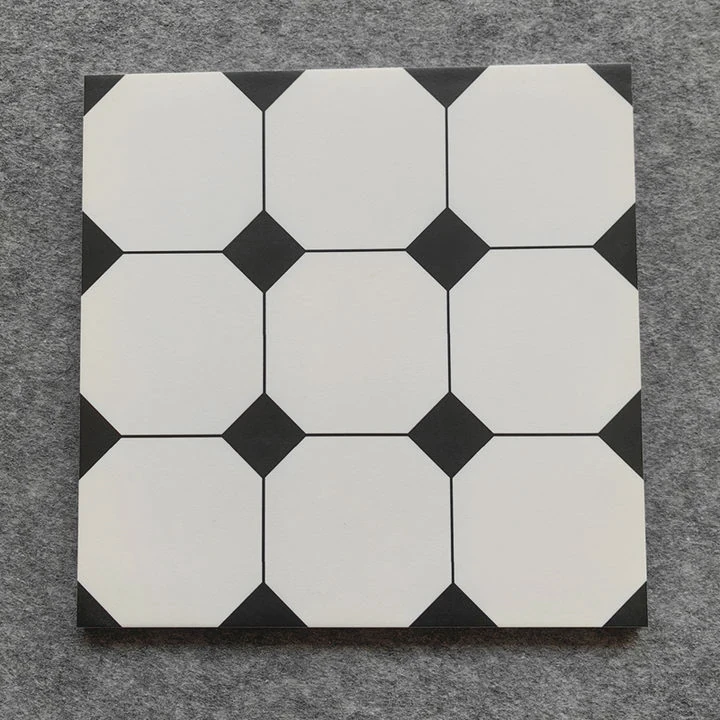
Slip resistance is measured by ratings, usually R9 to R13 for tiles. Higher numbers mean better grip. Polished tiles look nice but are slippery when wet. Matte or textured surfaces prevent accidents. For elderly or children, slip resistance is even more important. Small patterns or rough surfaces improve grip without hurting style.
Slip Resistance Ratings
| Rating | Surface Grip | Recommended Use |
|---|---|---|
| R9 | Low | Walls, low-risk areas |
| R10 | Moderate | Most bathroom floors |
| R11 | High | Shower floors, wet zones |
| R12-R13 | Very High | Commercial wet areas |
Tile size also impacts slip. Smaller tiles with more grout lines provide natural traction. Large tiles can be slippery if smooth, so combining texture with size choices is essential. Choosing slip-resistant tiles doesn’t mean sacrificing beauty; many modern designs offer both style and safety.
Using the wrong tile increases cleaning issues and injury risks. Matte porcelain tiles, textured ceramic tiles, and textured stone can make bathrooms safer. Adding rugs or mats can help, but the base material should remain slip-resistant for maximum safety.
What tile sizes work best for bathroom floors?
Tile size affects design, safety, and maintenance. Large tiles can look modern but may need fewer grout lines. Small tiles offer more grip but take longer to install.
Bathroom floors work well with 12x12, 12x24, and smaller mosaic tiles. Large tiles create a spacious look, while small tiles improve slip resistance in wet areas.
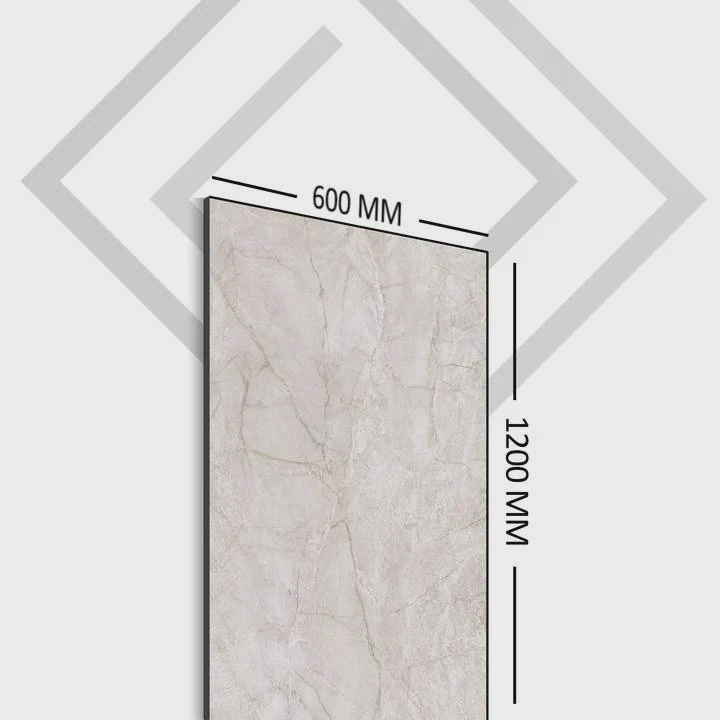
Large tiles reduce grout lines, giving a cleaner look. They are ideal for main floor areas, especially in open bathrooms. Small tiles, such as 2x2 mosaics, are common in showers because grout lines add grip. Rectangular tiles like 12x24 can elongate a space and provide a modern appearance.
Tile Size Guide
| Tile Size | Pros | Cons |
|---|---|---|
| 12x12 in | Easy to install, classic look | More grout than larger tiles |
| 12x24 in | Modern look, fewer grout lines | Slightly harder to handle |
| 2x2 mosaic | High slip resistance, decorative | More installation work |
| Large slabs | Minimal grout, spacious feel | Costly, slippery if polished |
Small tiles also help cover uneven floors. Grout lines allow for minor adjustments and prevent tiles from shifting. Large tiles need a perfectly level subfloor, or cracking may occur. Using a mix of large and small tiles can separate functional areas, such as dry floors and wet zones, balancing style and safety.
Choosing tile sizes impacts cleaning. More grout lines mean more maintenance but better safety. Fewer grout lines make cleaning easier but can compromise traction. Always plan tile size based on bathroom layout, use, and the users’ needs.
Can grout type impact floor durability?
Grout is often overlooked but is key to bathroom floor performance. The wrong grout can crack, stain, or allow water damage.
Epoxy and cement-based grouts affect durability and maintenance. Epoxy grout resists water and stains, ideal for wet areas, while cement grout is easier to work with but requires sealing.
Cement-based grout is common, inexpensive, and easy to install. It absorbs water and stains unless sealed regularly. Epoxy grout is more durable, waterproof, and low-maintenance but costs more and is harder to work with. For high-traffic bathrooms or commercial use, epoxy grout offers long-term protection.
Grout Comparison
| Grout Type | Water Resistance | Maintenance | Cost | Best Use |
|---|---|---|---|---|
| Cement-based | Low to medium | Seal yearly | Low | Residential bathrooms |
| Epoxy | High | Low | High | Wet zones, showers, high-use |
| Urethane | Medium | Low | Medium | DIY projects, moderate use |
Grout color also affects maintenance. Lighter colors show stains but create a bright look. Darker grout hides dirt but can fade over time. Sanded grout is good for wide joints; unsanded grout works for narrow joints. Proper installation is critical. Even strong tiles can fail if grout is poorly done.
Regular maintenance is important. Even epoxy grout benefits from cleaning. Using sealers for cement grout prevents water damage. Choosing the right grout ensures the bathroom floor stays durable, attractive, and safe for years.
Conclusion
The best bathroom floor combines the right material, slip resistance, tile size, and grout. Porcelain or textured ceramic tiles with proper grout ensure safety, durability, and style, creating a functional and beautiful space.