How Much to Tile a Kitchen Floor?
- Sinotiles
- 2026-06-30

Many homeowners want a beautiful kitchen floor. The problem is that tile prices and installation costs can vary a lot, which makes budgeting difficult.
The cost to tile a kitchen floor usually depends on tile material, floor size, labor rates, layout complexity, and preparation work. Most projects range from a few hundred to several thousand dollars, depending on the choices made before installation begins.
Before setting a budget, it helps to understand where the money goes. Tile itself is only one part of the total expense. Labor, floor preparation, tile size, and installation methods can all change the final price.
What Factors Affect Kitchen Tiling Cost?
Many people start a kitchen renovation with a rough budget. The problem appears when quotes arrive and the numbers are much higher than expected.
Kitchen tiling cost depends on tile material, kitchen size, floor condition, installation pattern, labor rates, and additional materials. Every one of these factors can significantly affect the final project price.

When discussing kitchen flooring projects with buyers, contractors, and property developers, one lesson becomes clear. The tile price that appears on a catalog is rarely the final project cost. Several other elements contribute to the total investment.
Tile Material Plays a Major Role
The type of tile selected often creates the biggest difference in project cost. Ceramic tiles are usually the most affordable choice. Porcelain tiles cost more because they are stronger, denser, and more resistant to wear. Natural stone products such as marble and granite often sit at the premium end of the market.
Many commercial projects choose porcelain tiles because they balance durability and cost. Residential projects may use ceramic tiles when budget is the main concern.
Kitchen Size Directly Affects Cost
A larger kitchen requires more materials and more labor hours. Even a small increase in floor area can produce a noticeable increase in total expenses.
For example, a compact apartment kitchen may only need 80 square feet of tile. A large open-plan kitchen may require more than 300 square feet. This difference affects tile quantity, grout usage, adhesive consumption, and installation time.
Floor Preparation Is Often Overlooked
Many homeowners focus only on tile selection. However, installers usually inspect the existing floor before providing a final quotation.
The floor may require:
- Old flooring removal
- Crack repairs
- Surface leveling
- Moisture protection
- Backer board installation
These tasks increase both labor and material costs.
Installation Pattern Changes Labor Requirements
A straight tile layout is usually the simplest and most affordable option. Decorative patterns require more planning and more cutting.
Common premium layouts include:
- Herringbone
- Chevron
- Diagonal
- Basket weave
- Modular patterns
These designs often create more waste and require additional labor.
Cost Comparison of Common Factors
| Factor | Lower Cost Situation | Higher Cost Situation |
|---|---|---|
| Tile Type | Ceramic | Marble or Granite |
| Floor Size | Small Kitchen | Large Open Kitchen |
| Layout | Straight Pattern | Herringbone Pattern |
| Floor Condition | Level Surface | Uneven Surface |
| Labor | Rural Area | Major City |
Local Labor Rates Matter
Labor prices vary greatly between regions. A project completed in one city may cost much more in another location. Skilled installers with strong reputations may also charge premium rates.
This is why two homeowners with identical kitchens can receive very different quotations. Understanding these factors helps create realistic expectations before requesting estimates.
How to Estimate Tile Installation Budget?
Many homeowners worry about hidden costs. Without a clear estimate, a simple kitchen project can quickly exceed the original budget.
To estimate a tile installation budget, measure the floor area, calculate tile quantity, include waste allowance, add labor costs, account for floor preparation, and reserve extra funds for unexpected expenses.

Creating an accurate budget is easier when the project is divided into several categories. This method provides a realistic view of total spending before any materials are purchased.
Step 1: Measure the Kitchen Floor
Begin by measuring the kitchen’s length and width.
The basic formula is:
Length × Width = Total Area
For example:
- Length: 12 feet
- Width: 10 feet
Total area:
120 square feet
This number becomes the foundation for all further calculations.
Step 2: Include Tile Waste
Every tile installation produces some waste. Tiles must be cut around walls, cabinets, appliances, and corners.
Most installers recommend:
- 5% extra for straight layouts
- 10% extra for diagonal layouts
- 15% extra for complex designs
For a 120-square-foot kitchen using a standard layout:
120 × 10% = 12 square feet
Total purchase quantity:
132 square feet
Step 3: Calculate Material Costs
After determining tile quantity, multiply the area by the tile price.
Example:
132 square feet × $4
Material cost:
$528
Do not forget supporting materials such as grout, adhesive, trims, spacers, and sealers.
Step 4: Estimate Labor Expenses
Labor often represents a large portion of the project budget.
Several factors influence labor pricing:
- Tile size
- Installation pattern
- Floor condition
- Project location
- Installer experience
Obtaining multiple quotations helps compare rates and services.
Step 5: Add a Contingency Budget
Unexpected issues are common during renovations.
Examples include:
- Damaged subfloors
- Moisture problems
- Extra tile cuts
- Additional leveling work
Many professionals recommend setting aside 10% to 15% of the project value as a contingency reserve.
Sample Budget Breakdown
| Cost Item | Estimated Cost |
|---|---|
| Tiles | $528 |
| Adhesive and Grout | $120 |
| Floor Preparation | $250 |
| Labor | $900 |
| Contingency Fund | $180 |
| Total Budget | $1,978 |
Think Beyond the Initial Price
Many buyers focus only on the tile price per square foot. This approach often leads to inaccurate budgeting.
A lower-priced tile may require more maintenance over time. A higher-quality porcelain tile may cost more initially but provide better long-term value through durability and lower replacement costs.
A complete budget should always consider both immediate expenses and future performance.
Can Tile Size Impact Overall Cost?
Many homeowners choose tiles based on appearance alone. However, tile size can influence both installation cost and overall project value.
Yes, tile size can affect overall cost because it influences material waste, installation speed, floor preparation requirements, transportation costs, and labor complexity.
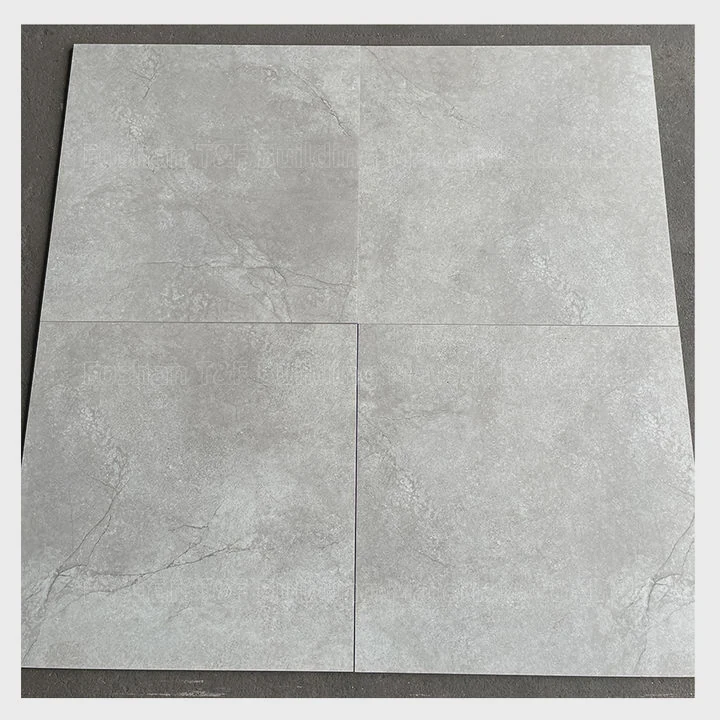
Tile manufacturers now offer a wide range of sizes. Traditional small tiles remain popular, while large-format porcelain products continue to gain market share in modern kitchens.
Advantages of Large Format Tiles
Large tiles create a clean and modern appearance. Fewer grout lines help make the space feel larger and easier to maintain.
Popular large-format sizes include:
- 600×600mm
- 600×1200mm
- 750×1500mm
- 900×1800mm
Many homeowners prefer these sizes because they create a seamless visual effect.
Challenges of Large Tiles
Large tiles require greater installation precision.
The installer must ensure:
- Flat surfaces
- Accurate alignment
- Proper leveling
- Consistent spacing
Even small imperfections in the floor become more visible when large tiles are installed.
As a result, additional floor preparation may be necessary before installation begins.
Advantages of Smaller Tiles
Smaller tiles provide more flexibility during installation.
They work especially well around:
- Kitchen islands
- Doorways
- Cabinets
- Curved surfaces
- Tight corners
Smaller tiles can also support decorative patterns and unique design concepts.
Tile Size and Waste
Material waste varies depending on room shape and tile dimensions.
In a kitchen with many corners and obstacles, large tiles may require extensive cutting. Some cut pieces cannot be reused.
Smaller tiles often generate less waste in irregular spaces because they adapt more easily to complex layouts.
Installation Speed Comparison
Many people assume larger tiles always reduce labor costs. This assumption is not always correct.
Large tiles cover more area per piece, but they often require:
- Specialized cutting tools
- Additional handling
- Leveling systems
- More preparation work
Small tiles require more individual placement. However, they are easier to transport, cut, and adjust.
Comparing Different Tile Sizes
| Tile Size | Installation Difficulty | Waste Potential | Typical Appearance |
|---|---|---|---|
| Small Tiles | Moderate | Lower in complex layouts | Traditional |
| Medium Tiles | Moderate | Balanced | Versatile |
| Large Tiles | Higher | Higher in irregular rooms | Modern |
| Extra Large Slabs | Very High | Project Dependent | Luxury |
The best choice depends on budget, kitchen layout, design goals, and installer experience. Selecting tile size should never be based on appearance alone.
Why Consider Labor Versus DIY Costs?
Many homeowners look at labor charges and wonder if installing the tiles themselves would save money. The answer depends on experience, available time, and project complexity.
Labor versus DIY costs should be compared carefully because professional installation offers expertise and efficiency, while DIY installation may reduce labor expenses but can increase the risk of costly mistakes.

DIY projects have become increasingly popular. Online tutorials make tile installation appear simple. In reality, achieving professional results often requires significant skill and preparation.
The Main Advantage of DIY
The biggest benefit is labor savings.
For a small kitchen, labor may account for a substantial portion of the project budget. Completing the work independently may reduce upfront expenses.
Some homeowners also enjoy the satisfaction of completing their own renovation projects.
Hidden Costs of DIY Projects
Many first-time installers underestimate the tools required.
Common equipment includes:
- Tile cutter
- Wet saw
- Trowels
- Mixing buckets
- Tile spacers
- Leveling systems
- Measuring tools
Purchasing or renting these items can reduce the expected savings.
The Learning Curve Is Real
Tile installation requires precision. Small errors become highly visible once the floor is complete.
Common DIY mistakes include:
- Uneven grout joints
- Poor tile alignment
- Hollow spots beneath tiles
- Improper adhesive coverage
- Uneven surfaces
Fixing these issues after installation can be expensive.
Benefits of Hiring Professionals
Professional installers have completed hundreds or even thousands of projects.
Their experience helps them:
- Prepare surfaces correctly
- Plan layouts efficiently
- Reduce material waste
- Handle difficult cuts
- Maintain consistent quality
This expertise often leads to faster completion and better long-term performance.
Time Has Value
A homeowner may spend several weekends completing a kitchen floor.
A professional crew may finish the same project within a few days.
For many families, reducing disruption is an important benefit.
Long-Term Cost Perspective
The cheapest option is not always the least expensive over time.
A successful installation can last for decades. A poorly installed floor may require repairs or replacement much sooner.
When evaluating DIY versus professional installation, consider:
- Skill level
- Available tools
- Project size
- Tile value
- Time commitment
- Risk tolerance
For simple projects, DIY can be a reasonable option. For large kitchens, premium porcelain tiles, natural stone products, or complex patterns, professional installation often provides greater long-term value.
Conclusion
Kitchen floor tiling costs depend on many factors, including tile type, room size, floor preparation, labor rates, installation complexity, and tile size. A detailed budget and a clear understanding of labor versus DIY options can help homeowners achieve a durable, attractive kitchen floor while keeping project costs under control.