How to Tile Around a Window in a Shower?
- Sinotiles
- 2026-06-30
Many shower projects look great until the window area creates uneven cuts, water risks, and poor tile alignment. That small space often causes the biggest installation mistakes.
The best way to tile around a shower window is to plan the layout before installation, waterproof every surface around the opening, use proper trim for clean edges, and slope the sill toward the shower for drainage. These steps improve appearance, durability, and water protection.
A shower window can become either a design feature or a maintenance problem. The difference often comes down to planning. Over the years, many installers have focused heavily on wall tiles while giving less attention to the window details. The result is often uneven tile cuts, trapped water, and premature damage. Understanding the key parts of the process helps create a cleaner and longer-lasting installation.
What Layout Works Best Around Shower Windows?
Poor tile planning around a window can make even expensive tiles look unprofessional. Uneven cuts and mismatched grout lines often draw attention for the wrong reasons.
The best tile layout around a shower window keeps grout joints aligned with surrounding walls, balances tile cuts on all sides, and creates symmetry whenever possible. A centered layout usually delivers the most attractive result.
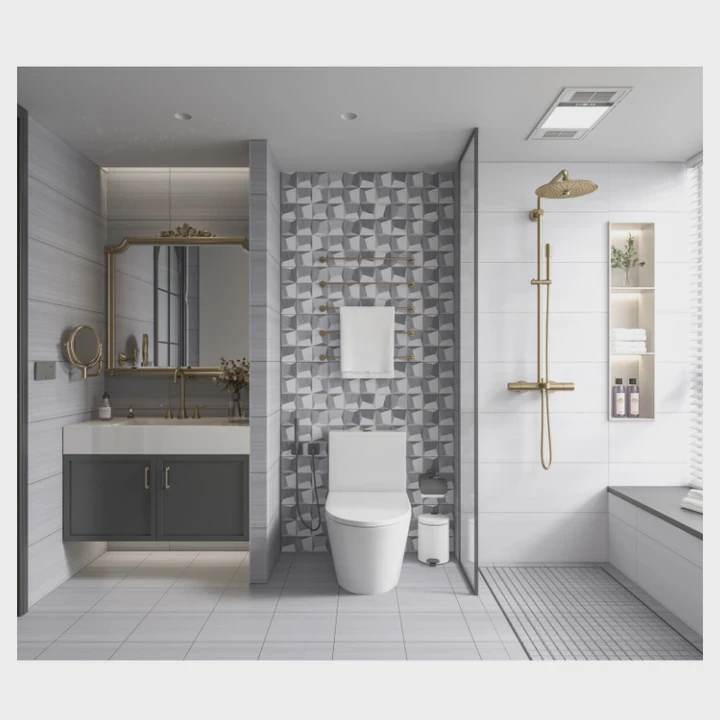
Before installing any tile, I always spend time studying the wall dimensions and window position. This stage often determines how good the finished shower will look.
Start With the Full Wall Layout
Many people begin tiling directly around the window. That approach often creates narrow tile strips and awkward cuts.
A better method is to design the entire shower wall first. The window should become part of the overall pattern rather than a separate section.
When the grout lines continue naturally across the wall and through the window opening, the installation appears more intentional and balanced.
Centering Matters
If the window sits in a visible area, centering the layout often provides the cleanest appearance.
For example, when using large-format tiles, equal cuts on both sides of the window usually look better than one full tile on one side and a tiny strip on the other.
Consider Tile Size
Different tile sizes create different visual effects around windows.
| Tile Size | Effect Around Window | Typical Result |
|---|---|---|
| 300×600 mm | More grout lines | Easier adjustments |
| 600×600 mm | Balanced appearance | Moderate cutting |
| 600×1200 mm | Modern look | Fewer grout joints |
| Large slabs | Luxury appearance | Minimal seams |
Frame the Window Carefully
Some designers prefer creating a picture-frame effect around the window. Others continue the wall pattern directly through the opening.
Both approaches work. The right choice depends on the tile design and overall shower style.
Avoid Small Tile Slivers
One common mistake is leaving very narrow pieces near the corners of the window.
These tiny cuts often look unattractive and can become weak points during installation.
I usually adjust the starting point slightly to create larger and more balanced pieces around the opening.
Check Layout Before Installation
A dry layout on the floor can reveal problems before any adhesive is applied.
This simple step helps answer questions such as:
- Are grout joints aligned?
- Are cuts balanced?
- Does the window look centered?
- Will trim fit properly?
Spending extra time on planning often saves hours of correction later. A well-designed layout creates a professional appearance and allows the shower window to blend naturally into the overall wall design.
How to Waterproof Window Tile Areas?
A beautiful tile installation means little if water reaches the structure behind it. Window areas receive direct water exposure and require special protection.
The most effective way to waterproof shower windows is to apply a complete waterproof membrane, seal all corners and joints, and protect the window frame connection before tile installation begins.
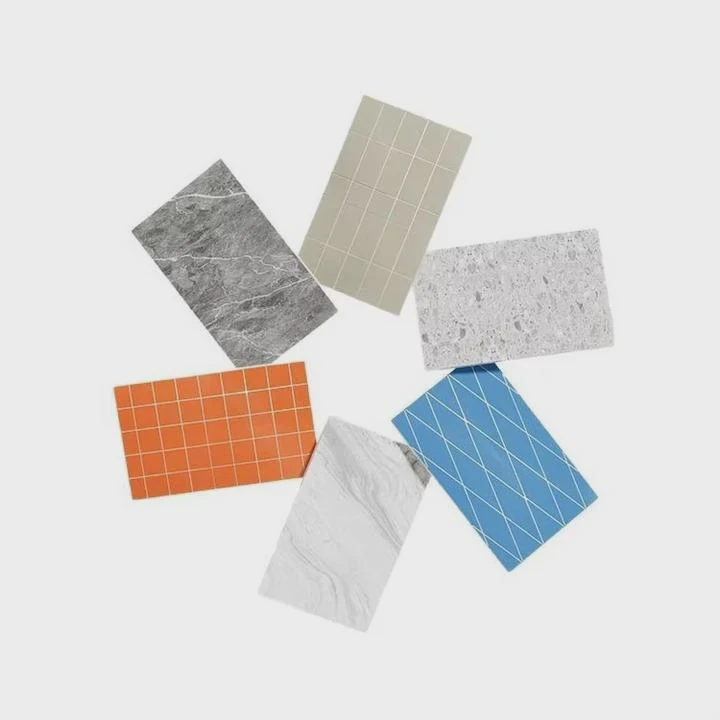
Waterproofing is often the most important step around a shower window. Many failures occur because installers assume tiles themselves stop water. In reality, tile and grout are not fully waterproof.
Why Shower Windows Need Extra Protection
Water can collect on horizontal surfaces around the window.
Steam can also create moisture buildup that enters small gaps over time.
Without proper waterproofing, moisture may reach:
- Wall framing
- Drywall
- Insulation
- Window framing
These issues can lead to mold, staining, and structural damage.
Essential Waterproofing Components
A complete system usually includes several layers of protection.
| Waterproofing Element | Purpose |
|---|---|
| Waterproof membrane | Stops water penetration |
| Waterproof tape | Seals corners and joints |
| Sealant | Protects transitions |
| Proper window flashing | Directs water away |
| Sloped sill | Prevents standing water |
Use a Continuous Membrane
The waterproof membrane should cover the entire window recess.
Many professionals use sheet membranes or liquid-applied systems.
The important point is continuity. Every surface around the window should connect to the surrounding shower waterproofing system.
Pay Attention to Corners
Corners are common leak points.
Inside corners around the window require special treatment with waterproof tape or preformed corner pieces.
Skipping this step can create hidden paths for water intrusion.
Seal Window Connections
The joint between the window frame and tile assembly deserves extra attention.
A flexible sealant allows slight movement while maintaining waterproof protection.
Rigid materials often crack over time due to temperature changes and building movement.
Test Before Tiling
Whenever possible, inspect the waterproofed area carefully before installing tile.
Look for:
- Uncovered spots
- Thin membrane areas
- Gaps at corners
- Poor overlaps
Waterproofing mistakes become much harder to repair after tile installation.
A properly waterproofed window area helps protect the entire shower system. While this step remains hidden behind the finished tile, it often has the greatest impact on long-term performance.
Can Trim Improve Window Tile Edges?
Rough tile edges can make a shower window look unfinished. Even perfectly installed tiles may appear incomplete without proper edge treatment.
Yes, tile trim can significantly improve shower window edges by creating clean transitions, protecting exposed tile edges, and delivering a more professional finished appearance.
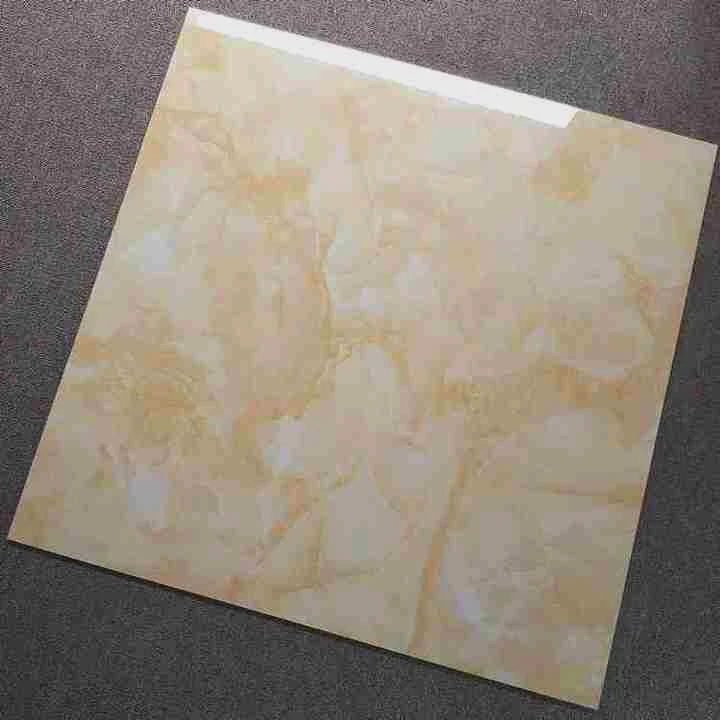
Many shower window installations look dramatically better after trim is added. It is often one of the simplest upgrades available.
What Is Tile Trim?
Tile trim is a finishing profile installed along exposed tile edges.
It can be made from:
- Aluminum
- Stainless steel
- PVC
- Brass
The trim covers unfinished tile edges and creates a neat border.
Benefits of Tile Trim
Trim provides both functional and visual advantages.
Improved Appearance
Exposed tile edges sometimes reveal body color differences or rough cuts.
Trim hides these imperfections and creates a cleaner look.
Edge Protection
Window areas are frequently cleaned and touched.
Trim protects vulnerable tile edges from chips and damage.
Easier Maintenance
Smooth trim profiles are generally easier to clean than rough tile edges.
This can help maintain a cleaner appearance over time.
Popular Trim Styles
Different trim profiles create different visual effects.
| Trim Type | Appearance | Best For |
|---|---|---|
| Square edge | Modern | Contemporary showers |
| Rounded edge | Soft look | Traditional designs |
| Metal profile | Premium appearance | Luxury projects |
| Minimal profile | Seamless finish | Large-format tiles |
Matching Trim to Tile Design
I usually select trim based on the overall shower style.
For example:
- Matte black trim pairs well with modern designs.
- Brushed stainless trim works well with neutral tiles.
- White trim blends into lighter installations.
The goal is to complement the tile rather than compete with it.
Alternatives to Trim
Some installers create mitered edges instead of using trim.
This method can look elegant but requires precise cutting and installation.
A poorly executed miter often looks worse than a properly installed trim profile.
When Trim Makes the Biggest Difference
Trim becomes especially valuable when:
- Tiles have colored bodies.
- Window recesses are deep.
- Large-format tiles are used.
- The shower design emphasizes clean lines.
In many projects, trim represents a relatively small investment that greatly improves the final appearance. It provides a polished finish while also protecting exposed edges from everyday wear.
Why Slope Sill for Water Drainage?
A flat window sill may look acceptable on installation day, but standing water can eventually create stains, mold, and damage.
A shower window sill should slope slightly toward the shower interior so water drains away quickly instead of collecting on the surface. Proper drainage helps extend the life of both the tile installation and the window structure.
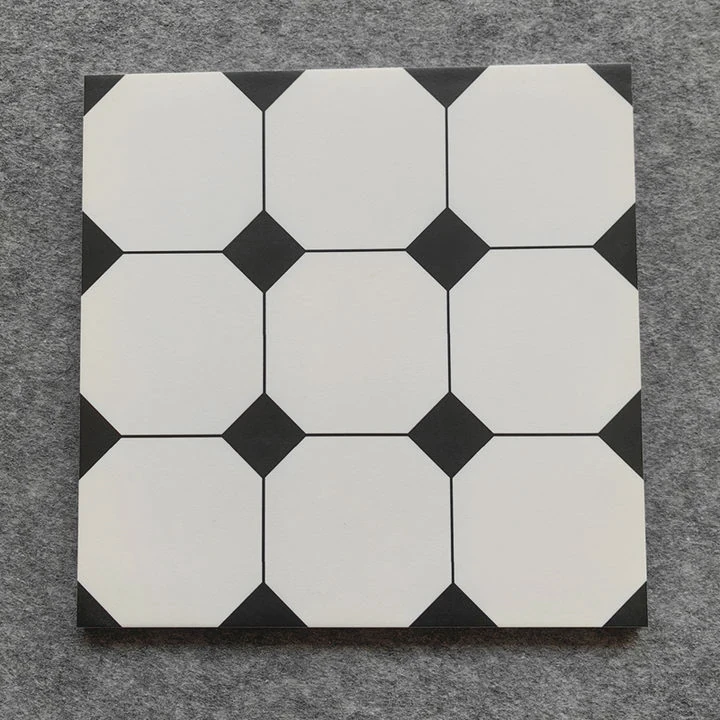
Among all shower window details, sill slope is one of the most overlooked. Yet it plays a major role in water management.
What Happens When the Sill Is Flat?
Water naturally lands on the sill during shower use.
When the surface is completely level, water tends to remain in place.
Over time, standing water may lead to:
- Soap buildup
- Mineral deposits
- Mold growth
- Sealant deterioration
- Moisture infiltration
Even small amounts of trapped water can create long-term problems.
Recommended Slope
Most professionals create a gentle downward slope toward the shower.
The angle does not need to be dramatic.
The goal is simple: allow gravity to move water away from the window.
How Drainage Protects the Window
The window frame often represents one of the most moisture-sensitive components inside the shower.
A sloped sill helps reduce water contact time with:
- Window joints
- Sealant lines
- Frame materials
This reduces the likelihood of leaks and deterioration.
The Relationship Between Slope and Waterproofing
Slope and waterproofing work together.
Waterproofing stops water penetration.
Slope minimizes water exposure.
Neither system should replace the other.
Common Sill Materials
Several materials are commonly used for shower window sills.
| Material | Advantages | Considerations |
|---|---|---|
| Porcelain tile | Durable and attractive | Requires proper slope |
| Stone slab | Elegant appearance | Needs sealing |
| Quartz | Low maintenance | Higher cost |
| Solid surface | Seamless look | Design dependent |
Installation Tips
When building the sill, I focus on several key points.
Create Slope Before Tiling
The structure beneath the tile should already contain the correct pitch.
The tile should follow the slope rather than create it.
Use Larger Pieces When Possible
Fewer grout joints often improve drainage.
Large sill pieces also reduce maintenance requirements.
Seal All Transitions
The joint where the sill meets the window frame should remain properly sealed.
This area experiences regular moisture exposure.
Long-Term Benefits
A properly sloped sill offers several advantages:
- Faster drying
- Less standing water
- Reduced mold risk
- Cleaner appearance
- Longer service life
Many shower window failures begin with poor water management rather than poor tile quality. Creating positive drainage helps water leave the surface quickly and supports the performance of the entire installation.
Conclusion
Tiling around a shower window requires more than attractive tile selection. A balanced layout, complete waterproofing, clean trim details, and a properly sloped sill work together to create a shower window that looks professional and performs reliably for many years.