How to apply tile sealant?
- Sinotiles
- 2026-04-07
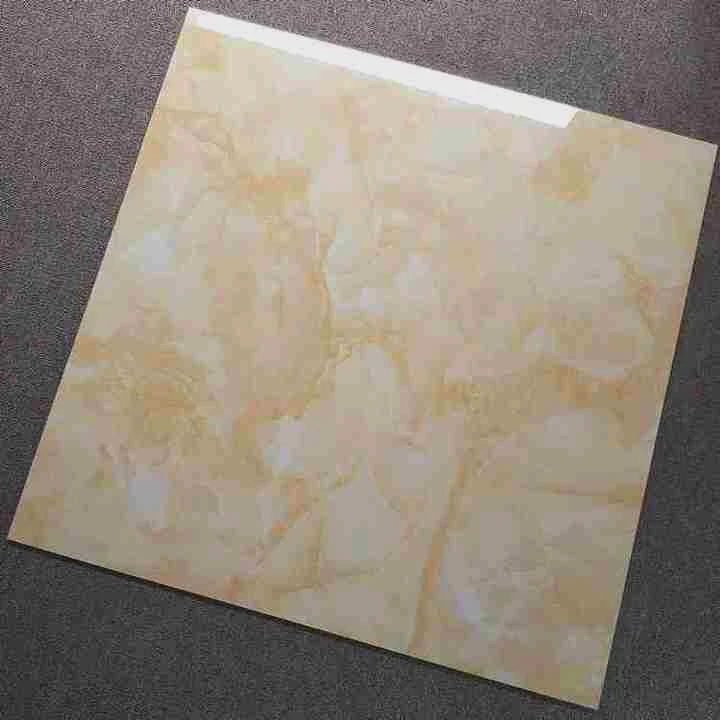
Tiles often lose their shine and protection over time. Water stains, dirt, and cracks appear when sealant is missing or poorly applied.
Tile sealant is applied by cleaning the surface, spreading evenly with a tool, allowing penetration, and wiping excess. This process protects tiles from moisture, stains, and wear.
A proper sealing process does not take much time, but it makes a big difference in durability and appearance.
What types of sealants are used for tile?
Many people choose the wrong sealant and face issues later. Some sealants do not match the tile type or environment.
Tile sealants mainly include penetrating sealers, surface sealers, and enhancing sealers, each designed for different tile materials and performance needs.
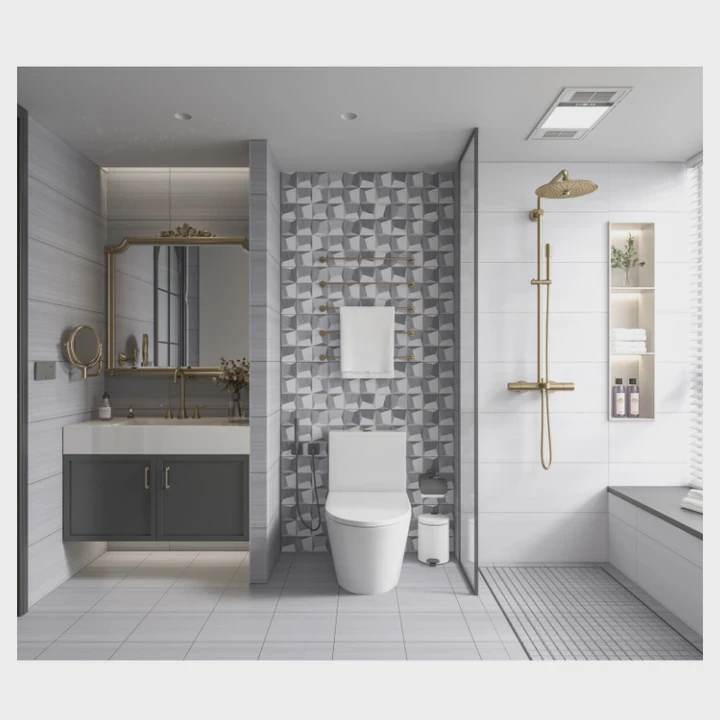
Understanding sealant types helps avoid costly mistakes. Each type works in a different way.
Main types of tile sealants
1. Penetrating sealers
These sealers soak into the tile and grout.
- Best for natural stone and porous tiles
- Do not change surface appearance
- Provide deep protection
2. Surface sealers
These form a protective layer on top.
- Ideal for ceramic and porcelain tiles
- Add a slight shine or gloss
- Easier to apply
3. Enhancing sealers
These improve color while protecting.
- Darken the tile tone
- Highlight texture and patterns
- Used for decorative spaces
Sealant selection guide
| Tile Type | Recommended Sealant | Reason |
|---|---|---|
| Porcelain | Surface sealer | Low absorption |
| Natural stone | Penetrating sealer | High porosity |
| Mosaic | Enhancing sealer | Visual effect |
| Outdoor tiles | Penetrating sealer | Weather resistance |
Practical insight
In many supply projects, clients often overlook grout sealing. But grout absorbs more water than tiles. So sealing grout is just as important as sealing the tile surface.
Choosing the right sealant is the first step toward long-term performance.
How do you apply sealant evenly on surfaces?
Uneven application leads to patchy protection. Some areas stay exposed and become weak points.
To apply sealant evenly, use a brush, roller, or applicator pad, spread in thin layers, allow absorption, and wipe off excess before drying.
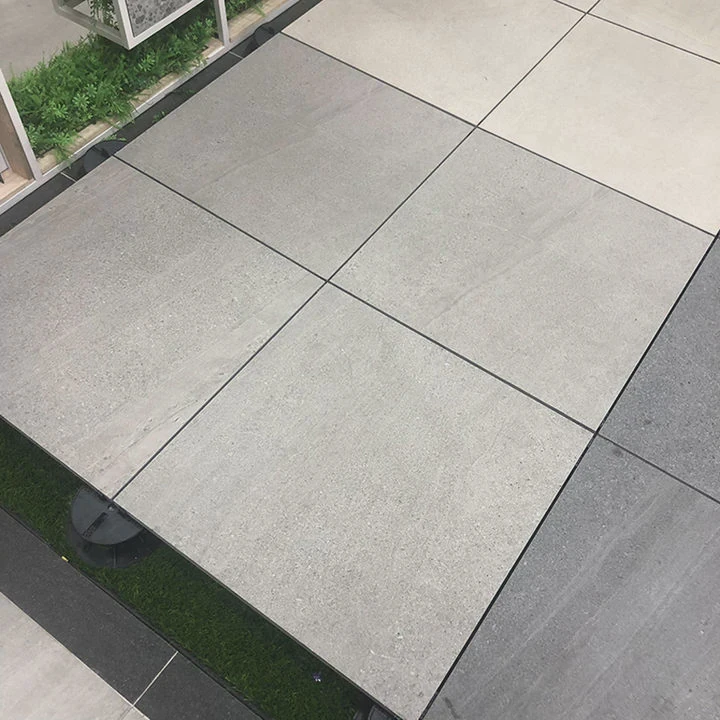
Applying sealant is simple, but it requires attention to detail. The goal is consistency.
Step-by-step application process
1. Clean the surface
The surface must be completely clean.
- Remove dust and dirt
- Eliminate grease or stains
- Let it dry fully
2. Choose the right tool
Different tools suit different areas.
- Brush for edges and corners
- Roller for large areas
- Pad for smooth surfaces
3. Apply thin layers
Avoid thick coating.
- Spread evenly
- Work in small sections
- Maintain consistent pressure
4. Allow penetration
Let the sealant soak in.
- Follow product instructions
- Usually 5-15 minutes
5. Wipe off excess
This step is often ignored.
- Use a clean cloth
- Prevent sticky residue
Application checklist
| Step | Key Focus |
|---|---|
| Cleaning | No dust or moisture |
| Application | Thin and even |
| Absorption | Enough time |
| Finishing | No residue |
Common mistakes to avoid
- Applying on wet surfaces
- Using too much sealant
- Skipping wiping step
- Uneven spreading
In real projects, uneven sealing is one of the most common issues. But it is also one of the easiest to fix with proper technique.
When should tile sealant be reapplied?
Sealant does not last forever. Over time, its protective effect weakens.
Tile sealant should typically be reapplied every 1-3 years depending on tile type, usage, and exposure to moisture and traffic.
Reapplication timing depends on several factors. There is no single rule for all cases.
Factors affecting sealant lifespan
1. Tile material
Porous tiles need more frequent sealing.
2. Usage level
High traffic areas wear faster.
3. Environment
Bathrooms and kitchens need more protection.
Signs that resealing is needed
- Water no longer beads on the surface
- Tiles absorb moisture quickly
- Stains appear easily
- Surface looks dull
Recommended resealing schedule
| Area | Frequency |
|---|---|
| Shower floors | Every 1 year |
| Kitchen backsplash | Every 2-3 years |
| Living room floor | Every 2-4 years |
| Outdoor tiles | Every 1-2 years |
Simple water test
Pour a few drops of water on the tile:
- If water beads → seal is working
- If water absorbs → resealing needed
From experience, many clients wait too long before resealing. Regular maintenance always costs less than repair.
Can sealant improve tile longevity significantly?
Some people think sealant is optional. But skipping it often leads to early damage.
Yes, sealant can significantly improve tile longevity by preventing moisture penetration, reducing stains, and protecting against wear and surface damage.

Sealant acts as a barrier. It protects both the tile and the grout.
How sealant extends tile life
1. Moisture protection
Water is the biggest enemy.
- Prevents internal damage
- Reduces mold growth
2. Stain resistance
Sealed surfaces resist dirt.
- Easier to clean
- Maintains appearance
3. Surface durability
Sealant reduces wear.
- Protects against scratches
- Keeps finish intact
Before vs after sealing
| Condition | Without Sealant | With Sealant |
|---|---|---|
| Water absorption | High | Low |
| Stain resistance | Weak | Strong |
| Maintenance | Frequent | Easy |
| Lifespan | Shorter | Longer |
Real-world perspective
In many export projects, clients who use proper sealing report fewer complaints and lower maintenance costs. This is especially true in hotels and commercial spaces where durability matters most.
Sealant is not just an extra step. It is part of a complete tile system.
Conclusion
Applying tile sealant correctly improves durability, appearance, and resistance to moisture. With the right materials, proper technique, and regular maintenance, tiles can stay protected and perform well for many years.